Kuala Lumpur
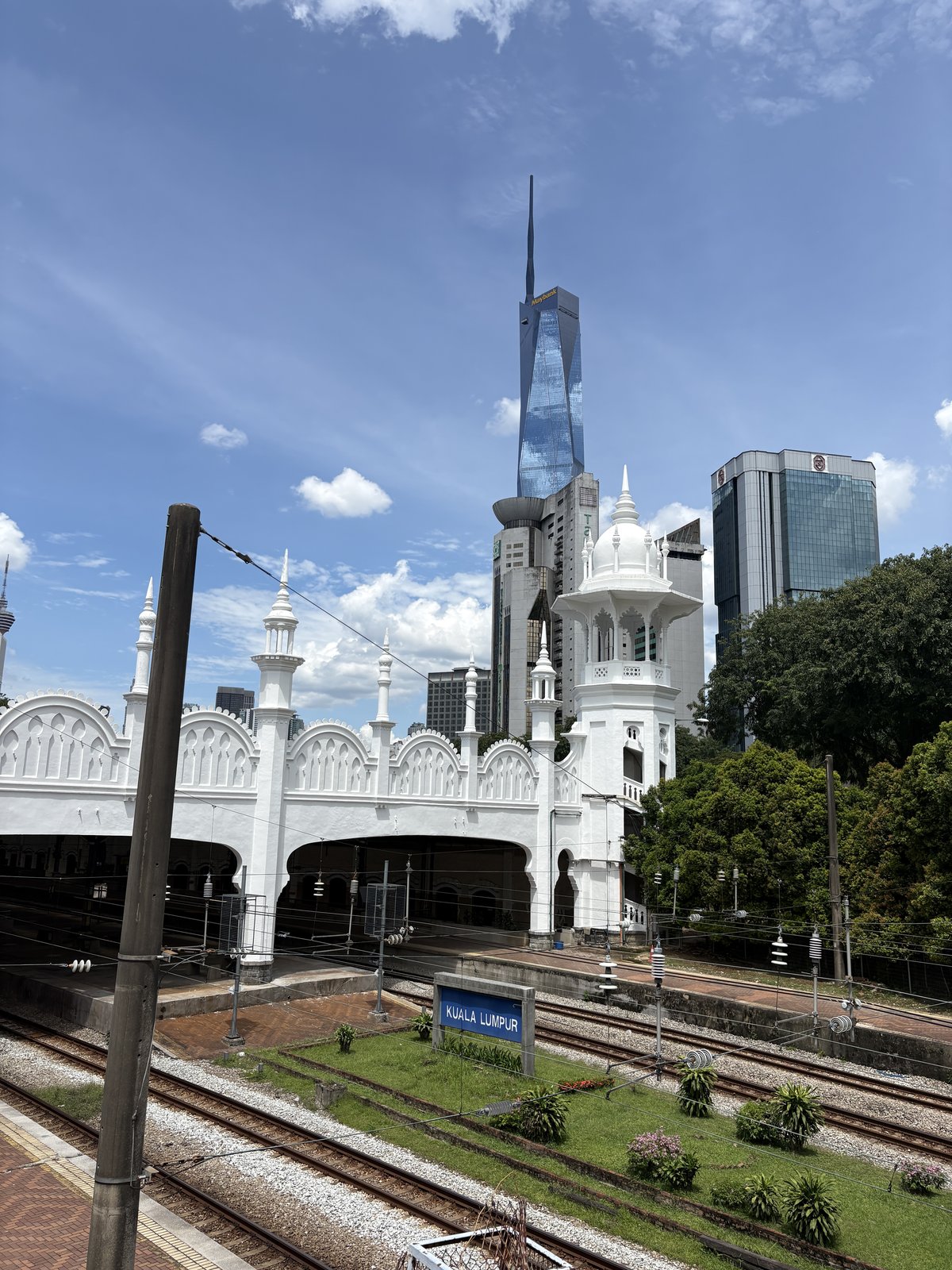
Kuala Lumpur
Ipoh to Kuala Lumpur (KL)
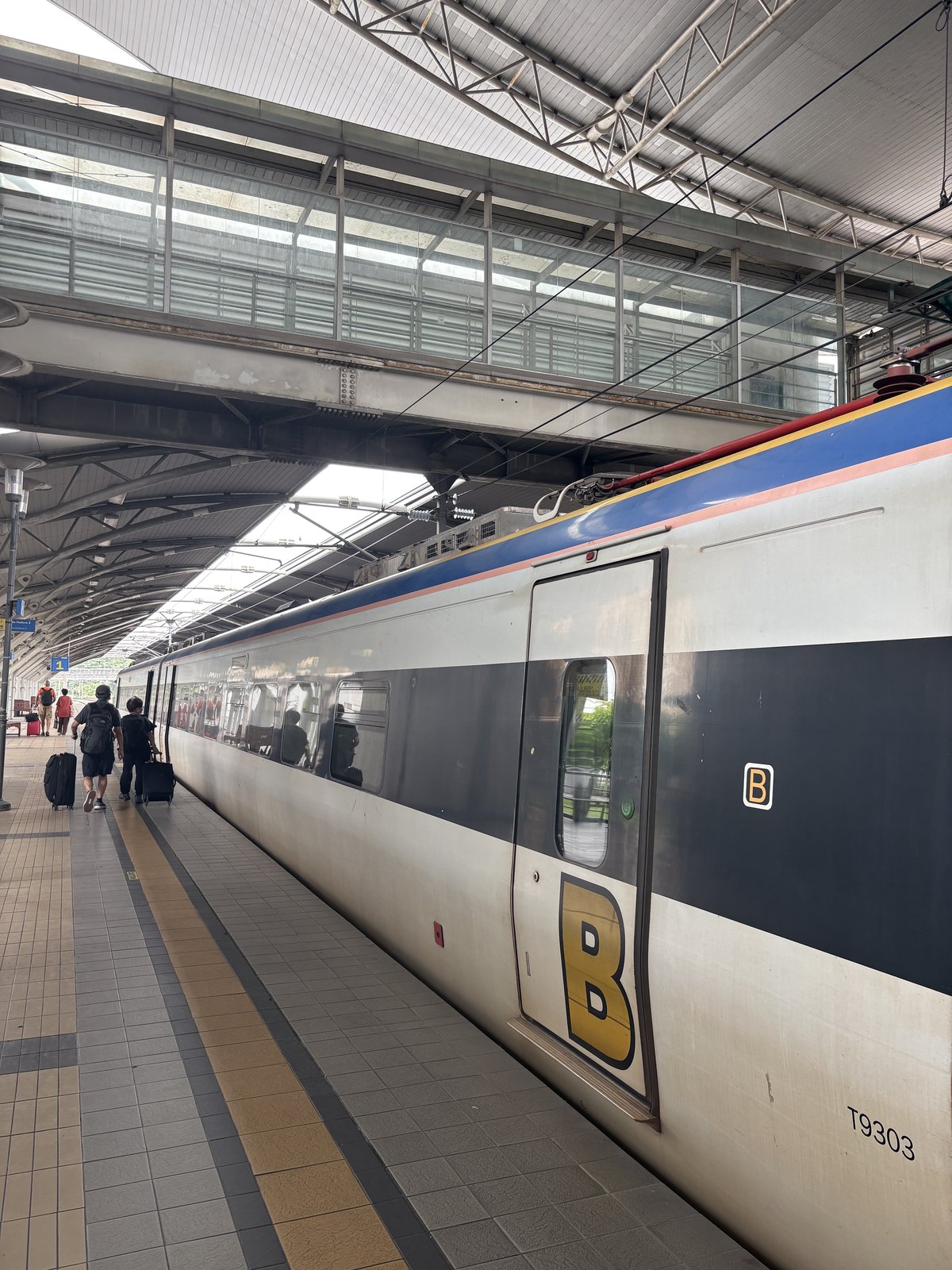
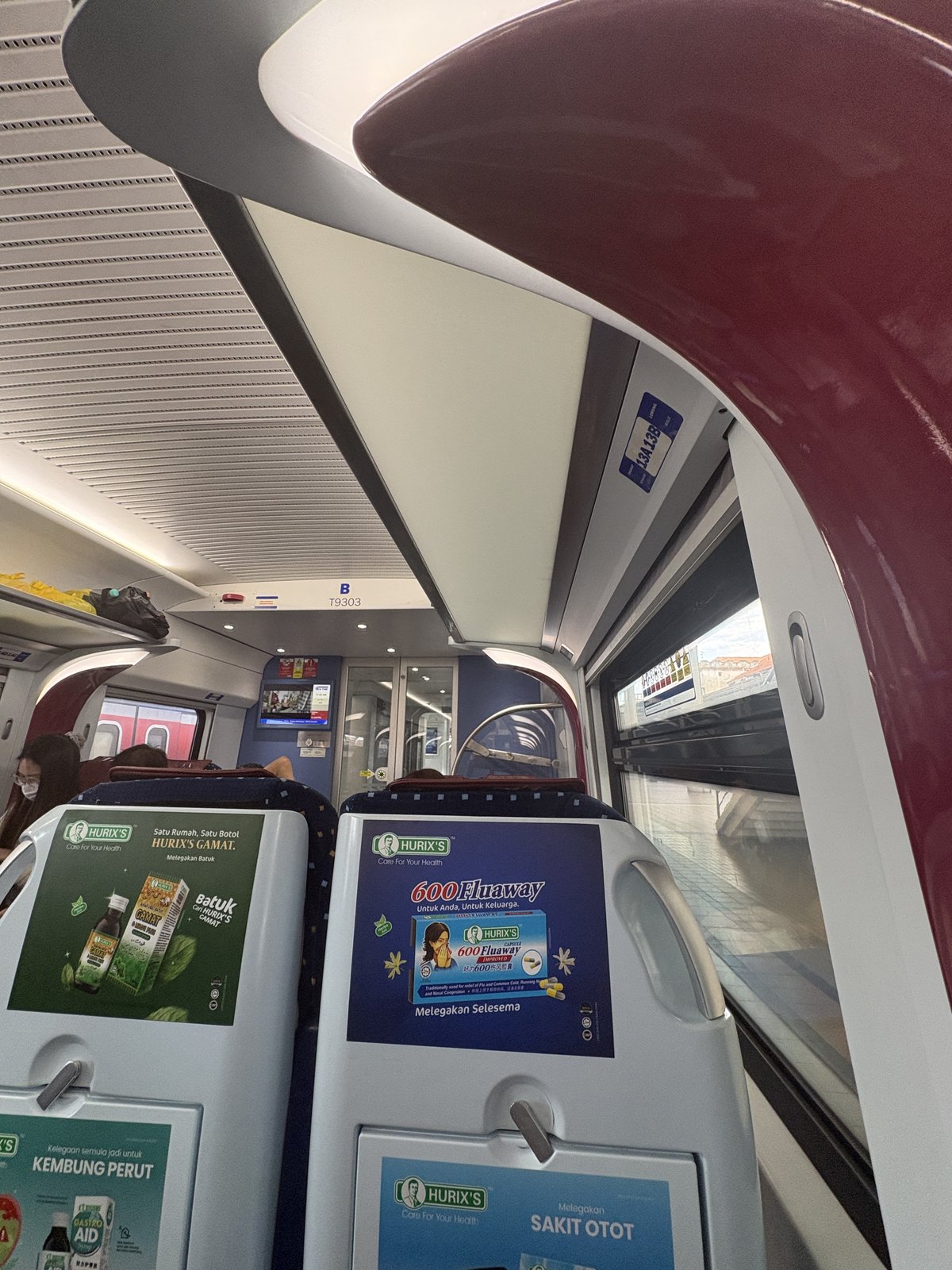
I used ETS from Ipoh to Kuala Lumpur. As I mentioned in the last article, ETS is the fastest train class in Malaysia. ETS runs on electricity, so it felt like a Shinkansen — just as quiet and smooth. The seat was more comfortable and I arrived in KL in 2.5 hours.
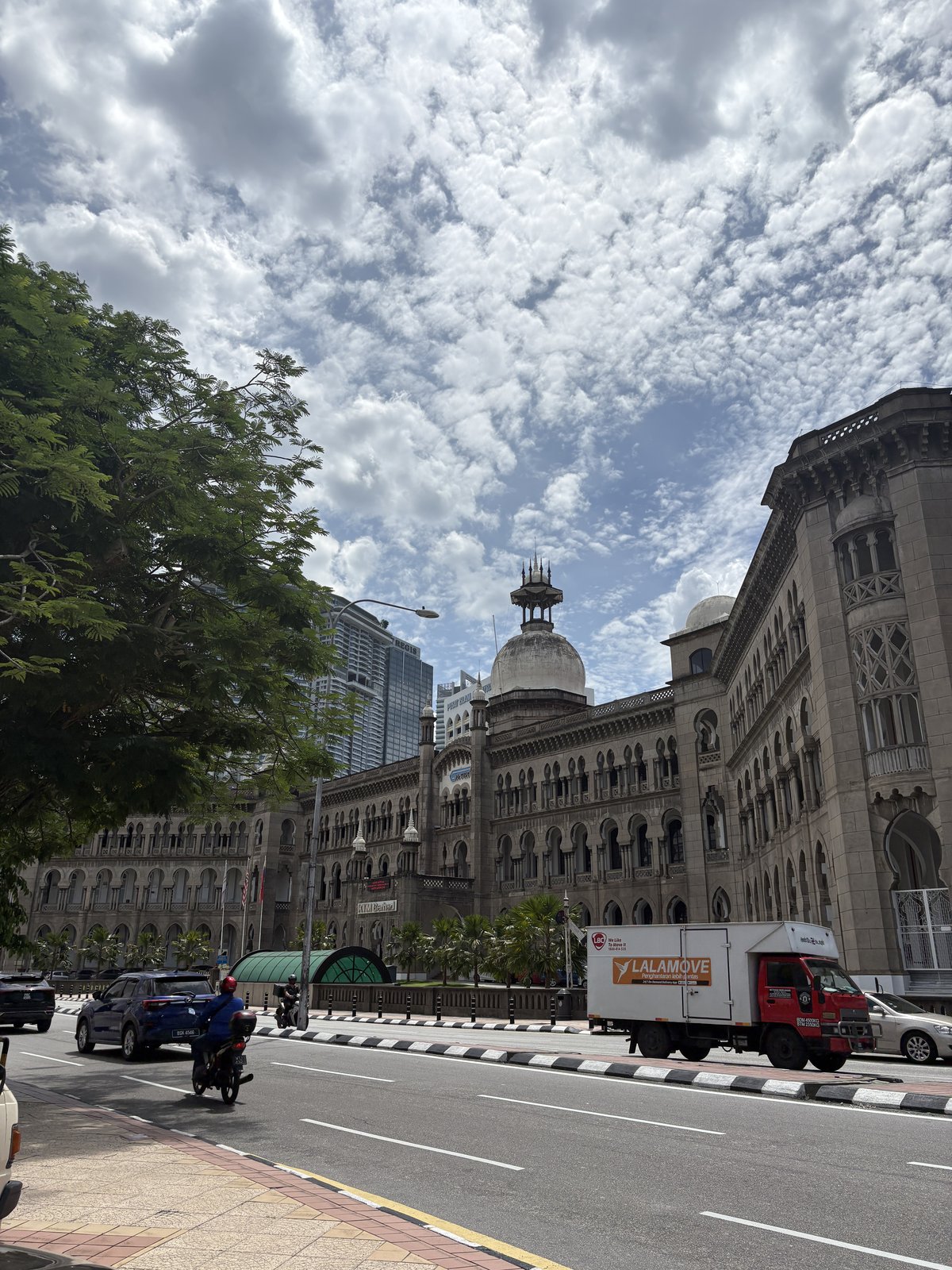
Landmarks in KL
KL is a very developed city and many times larger than other cities I visited in Malaysia. It reminded me of Bangkok but they have a different atmosphere, probably because of the uniquely shaped buildings.
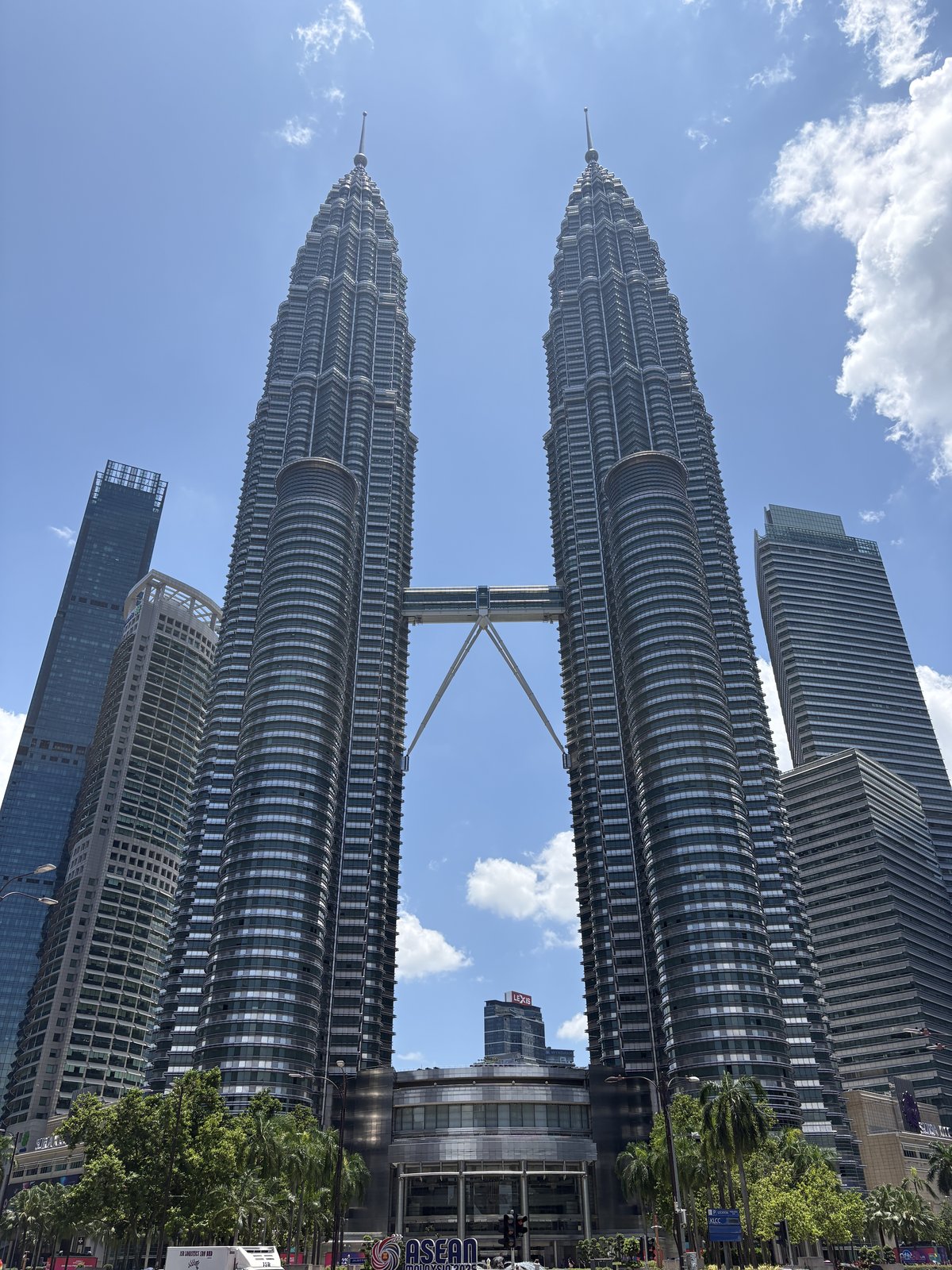
Petronas Twin Towers is one of the most famous buildings and a symbol of KL. Petronas is the largest oil company in Malaysia and it's owned by the government. Malaysia is rich in natural gas and exports to many countries including Japan, so Petronas generates enormous profits and built these twin towers. I found out you can go up to the sky deck but I passed this time.
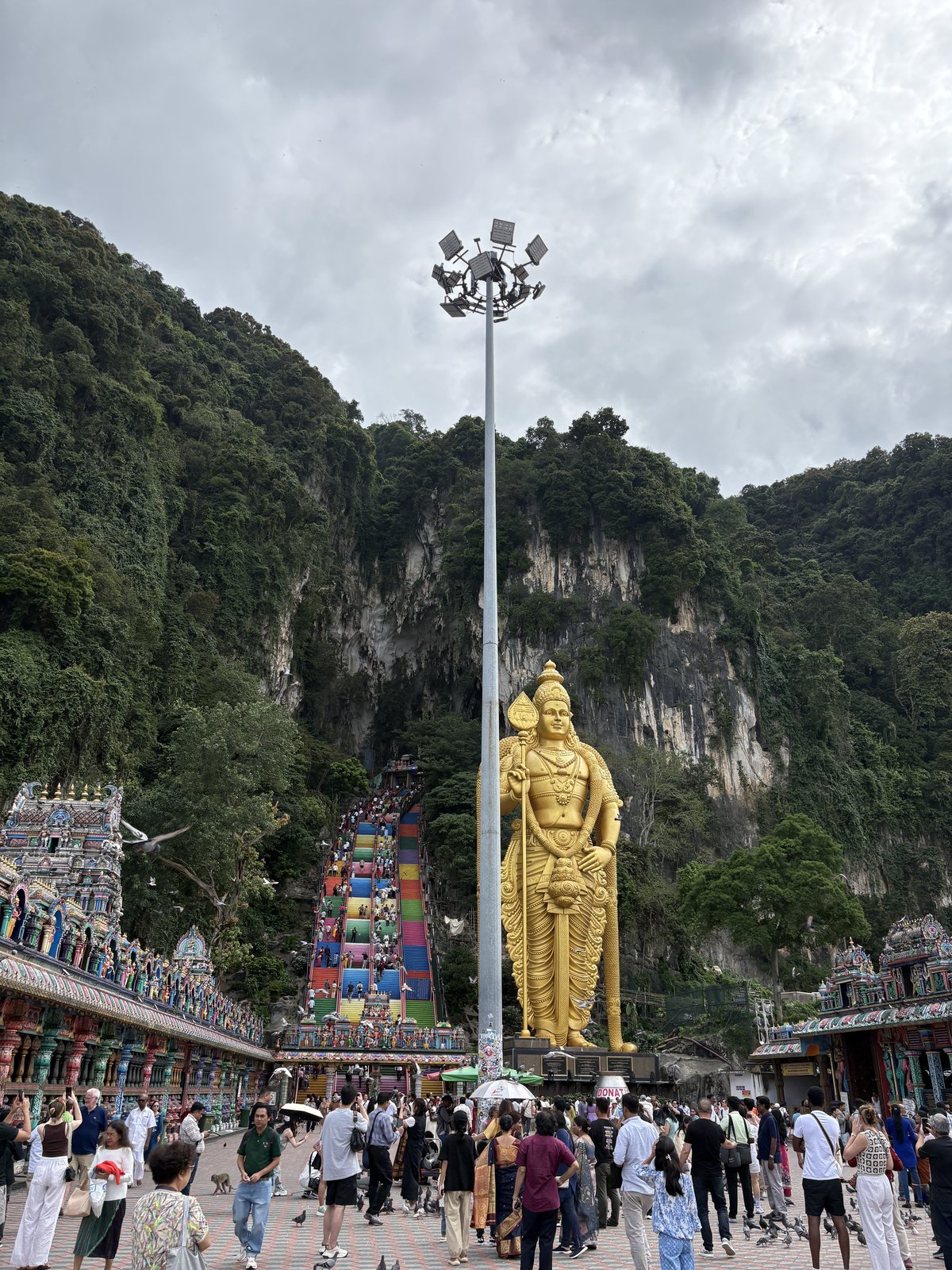
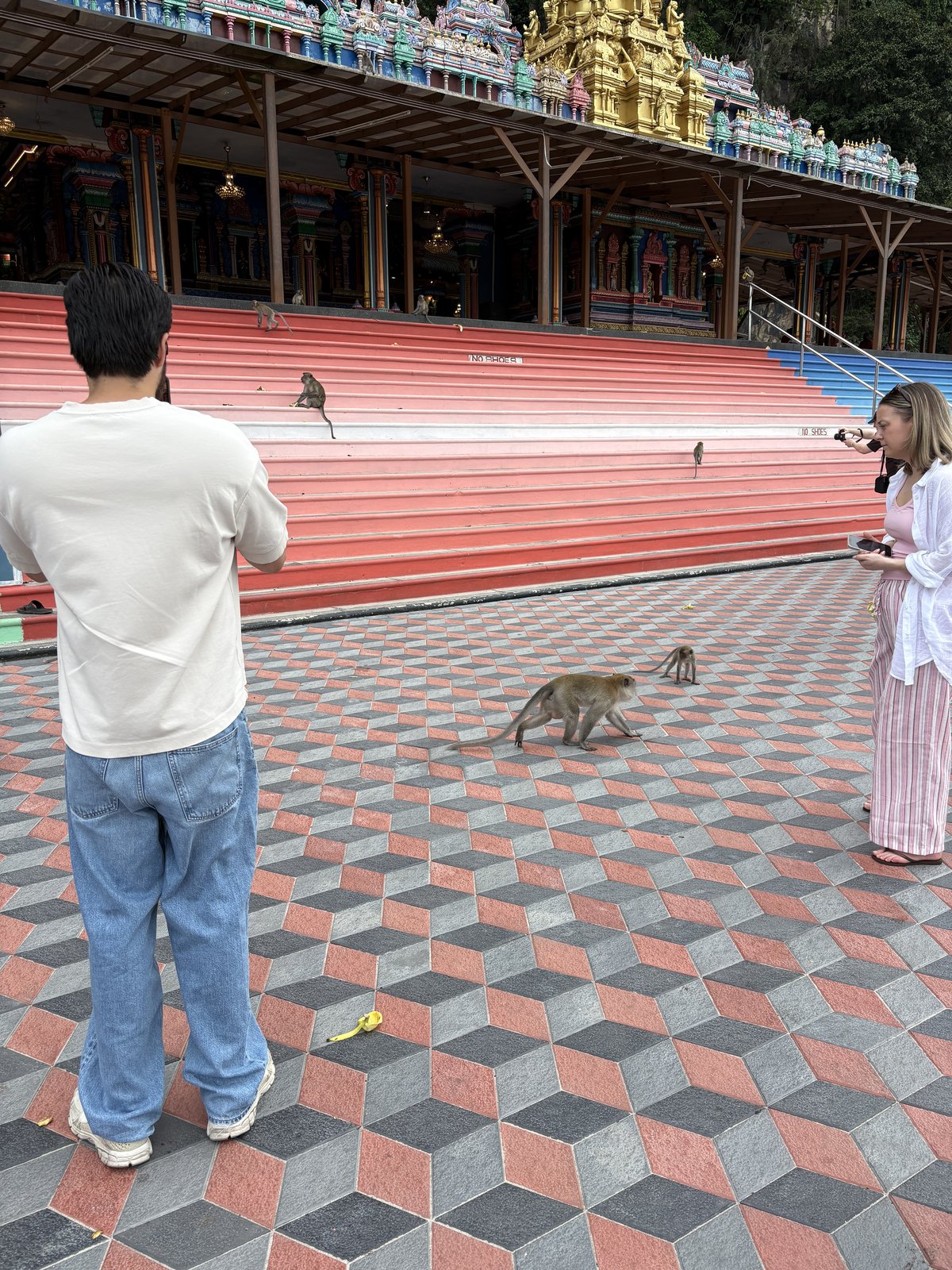
Also, if you want to see cultural landmarks, Batu Caves would be the most popular destination. I visited many Buddhist temples in Malaysia but this was my first Hindu temple. As you can imagine from the name, you can go up to the cave and see the temples inside. The staircase looked very long and steep — and it actually has nearly 300 steps. I went there in the morning but it was still humid and burning hot!
Batu Caves is a famous Hindu temple site located just north of Kuala Lumpur. The caves are set within a massive limestone hill estimated to be around 400 million years old. To reach the main temple, visitors must climb 272 steep steps. At the base stands a striking 42.7-meter golden statue of Lord Murugan, one of the tallest Hindu statues in the world. Every year, over a million people gather here for Thaipusam, one of the most important Hindu festivals in Malaysia. It is both a sacred religious site and one of KL's most popular tourist attractions.
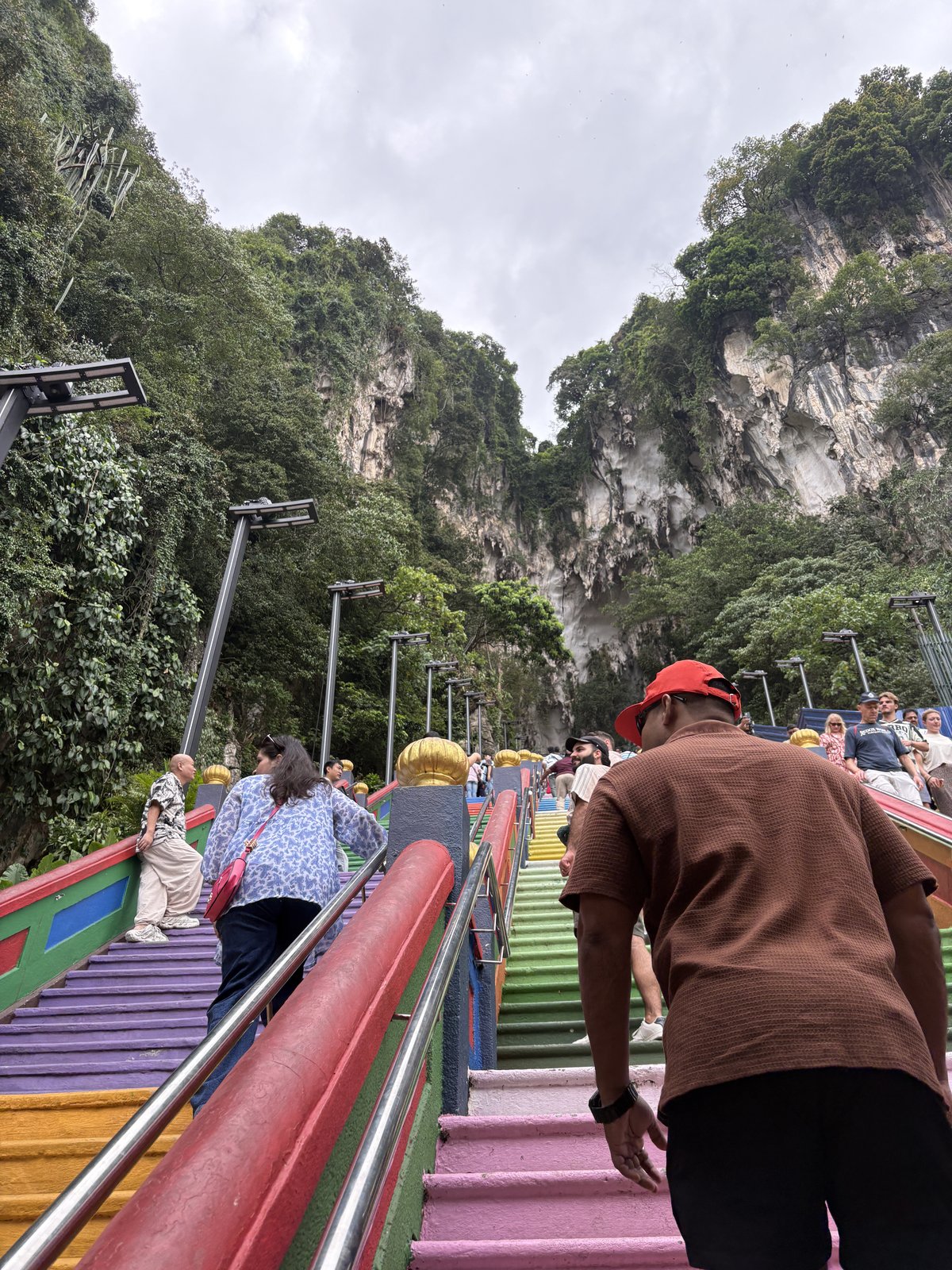
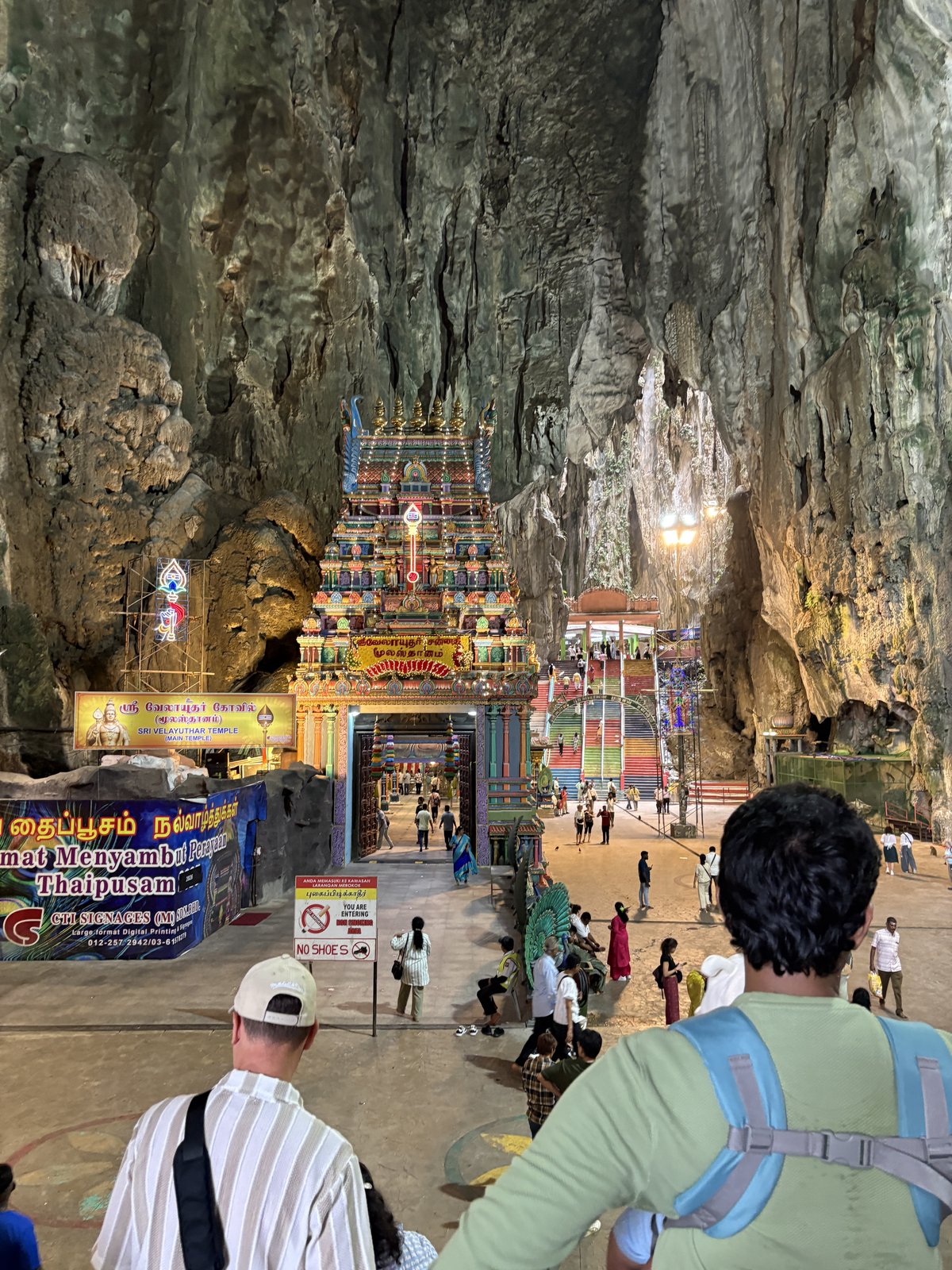
After finally climbing the long staircase, I could see inside. It was a little cooler and mystical. I saw some tourists go into the temple and pray with a Hindu priest.
I'm not sure why, but I was surprised to see so many monkeys around Batu Caves. This reminded me of Bali in Indonesia — Bali also has Hindu culture, so there might be a connection between Hindu culture and monkeys.
Cultures in Malaysia
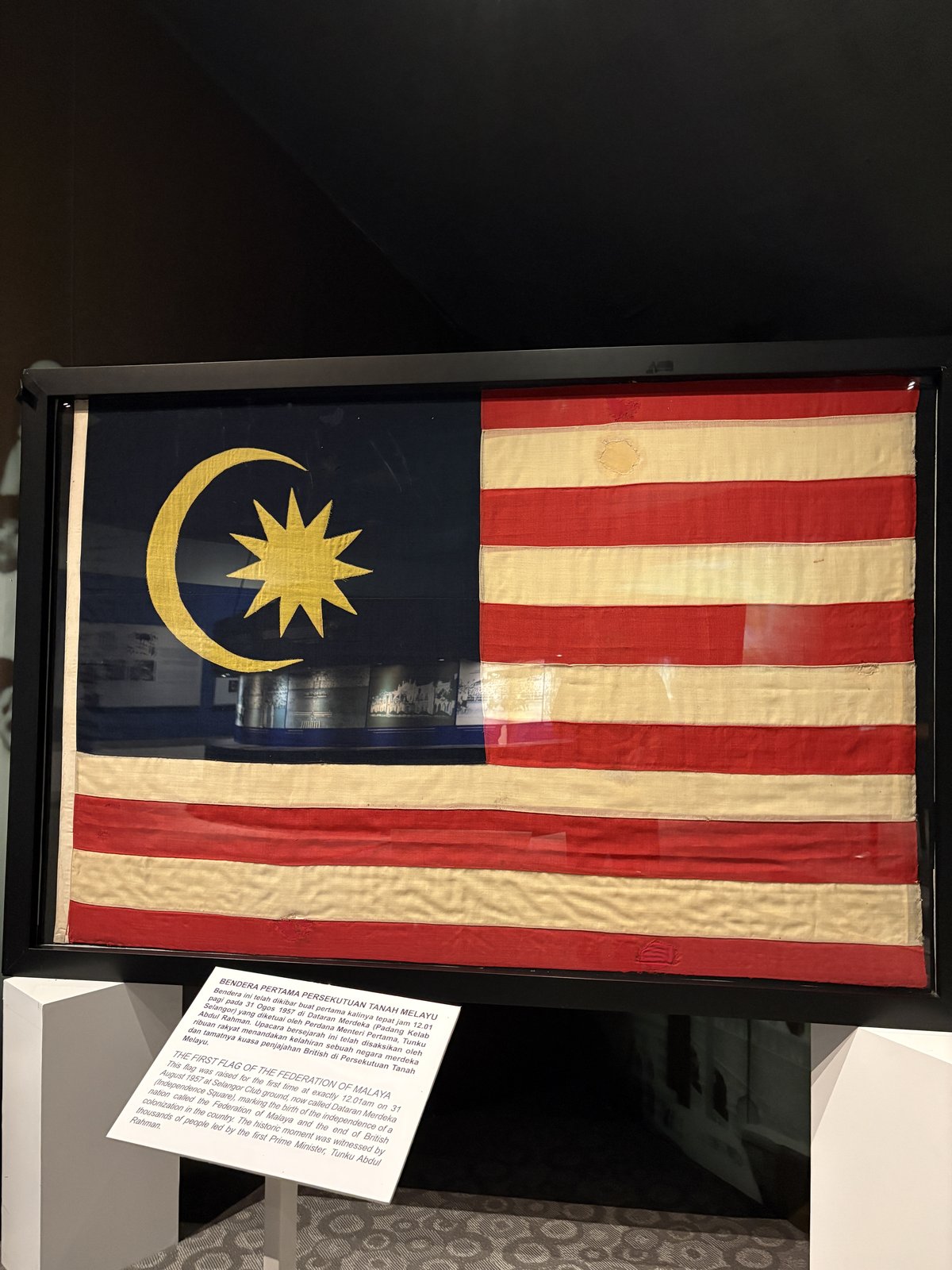
In addition to the above places, I also went to the National Museum of Malaysia. The museum consists of 4 sections covering from the Stone Age to contemporary times, which is enough to get a good understanding of Malaysian history and culture. The ticket cost only 5 MYR (less than 2 USD) and was great value.
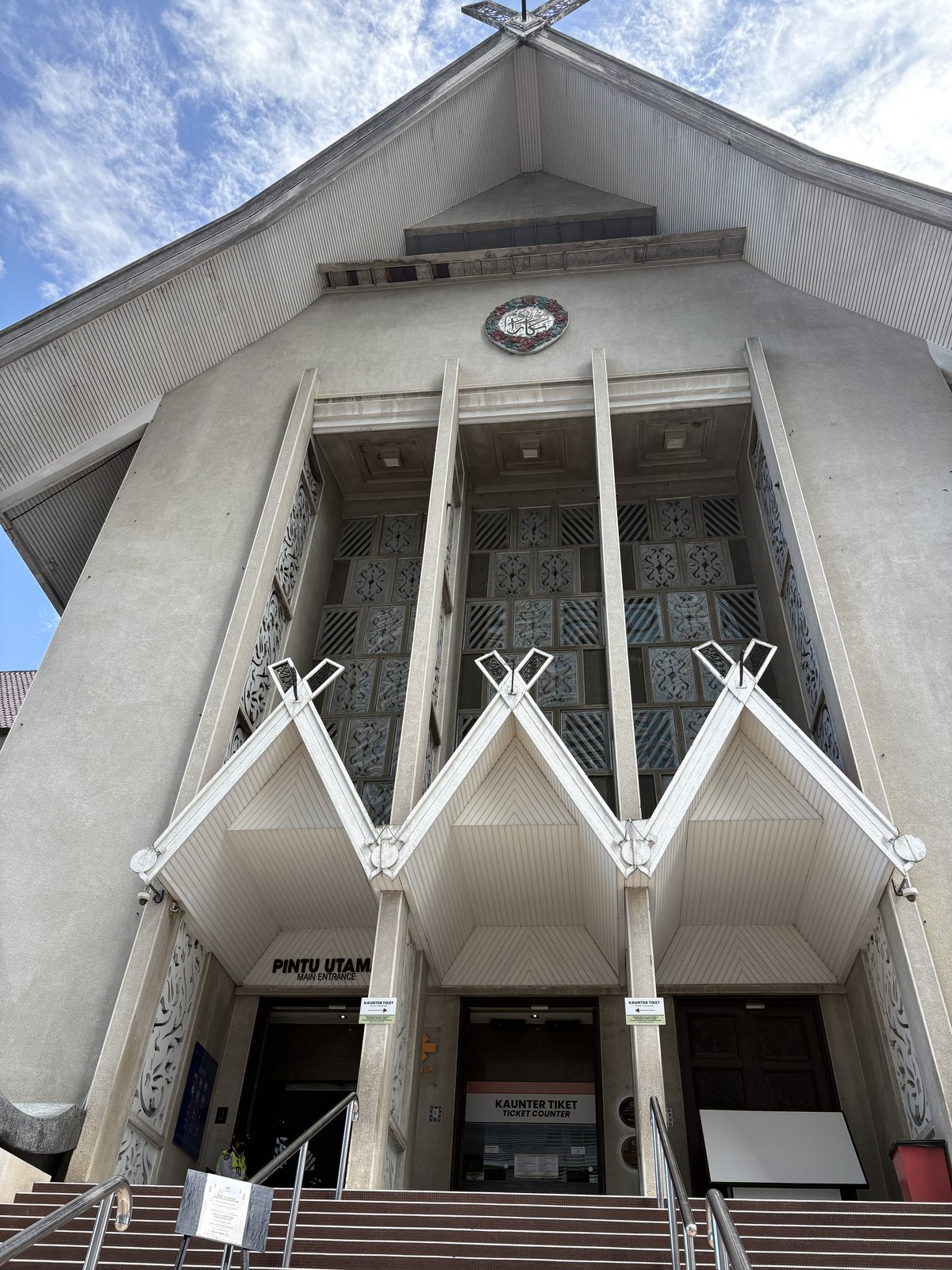
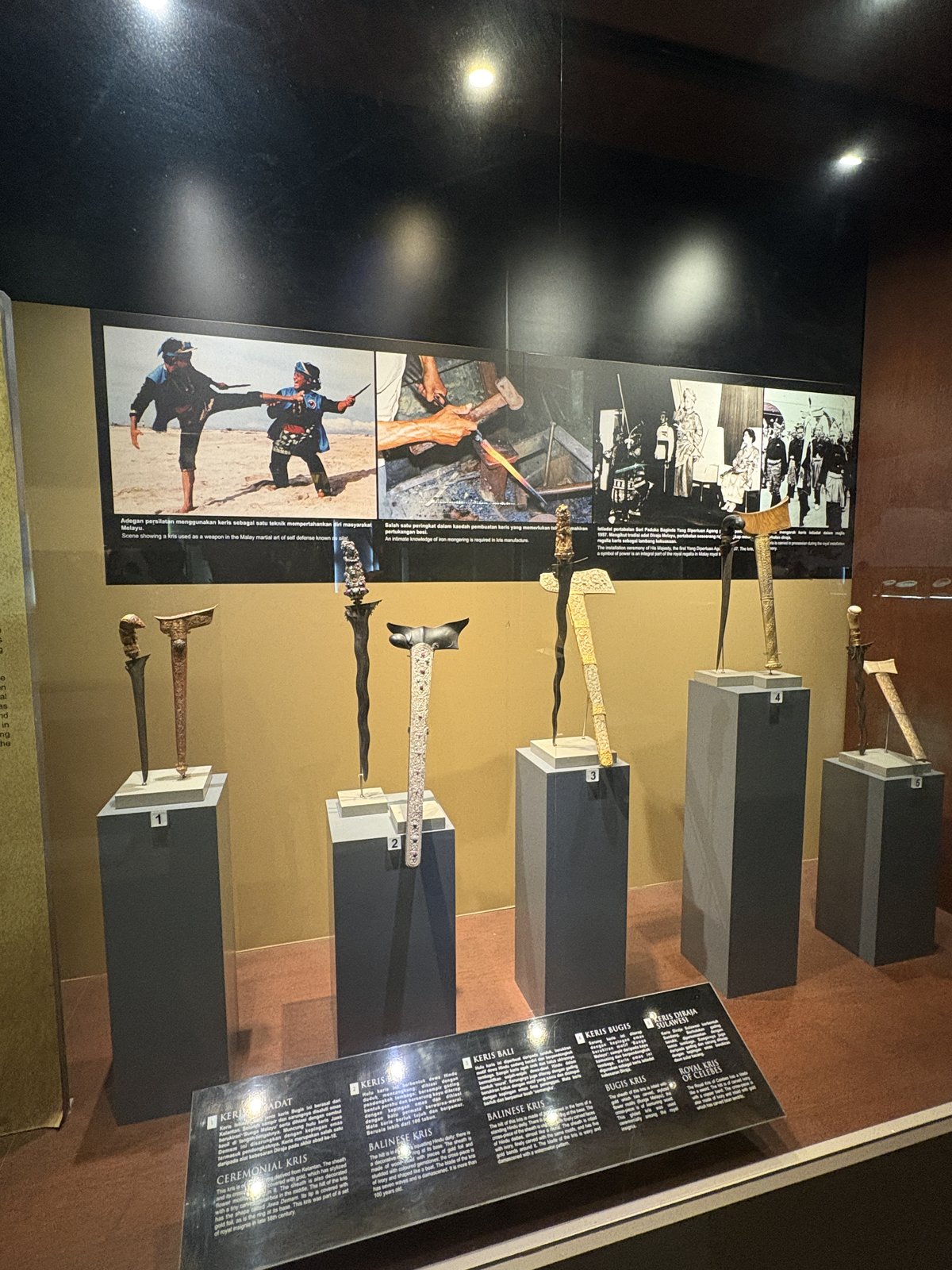
What struck me most was the Malacca Kingdom section. In short, Malacca thrived as a trading hub and amassed huge wealth in the Middle Ages. They were invaded by the Portuguese after that, but they preserve many historical artifacts and it helped me learn a great deal about them.
The Malacca Sultanate was a maritime kingdom founded around 1400 by Parameswara, a Sumatran prince, on the coast of the Malay Peninsula. Its strategic position on the narrow strait made it a thriving hub where merchants from China, India, and Arabia traded spices, silk, and porcelain. The rulers converted to Islam in the mid-15th century, turning Malacca into a major center for the spread of the faith across Southeast Asia. In 1511, the Portuguese under Afonso de Albuquerque conquered the city to seize control of the spice trade. Though the sultanate fell, its legacy endures in the Malay language, Islamic culture, and administrative traditions that shaped the region for centuries to come.
Nasi Lemak
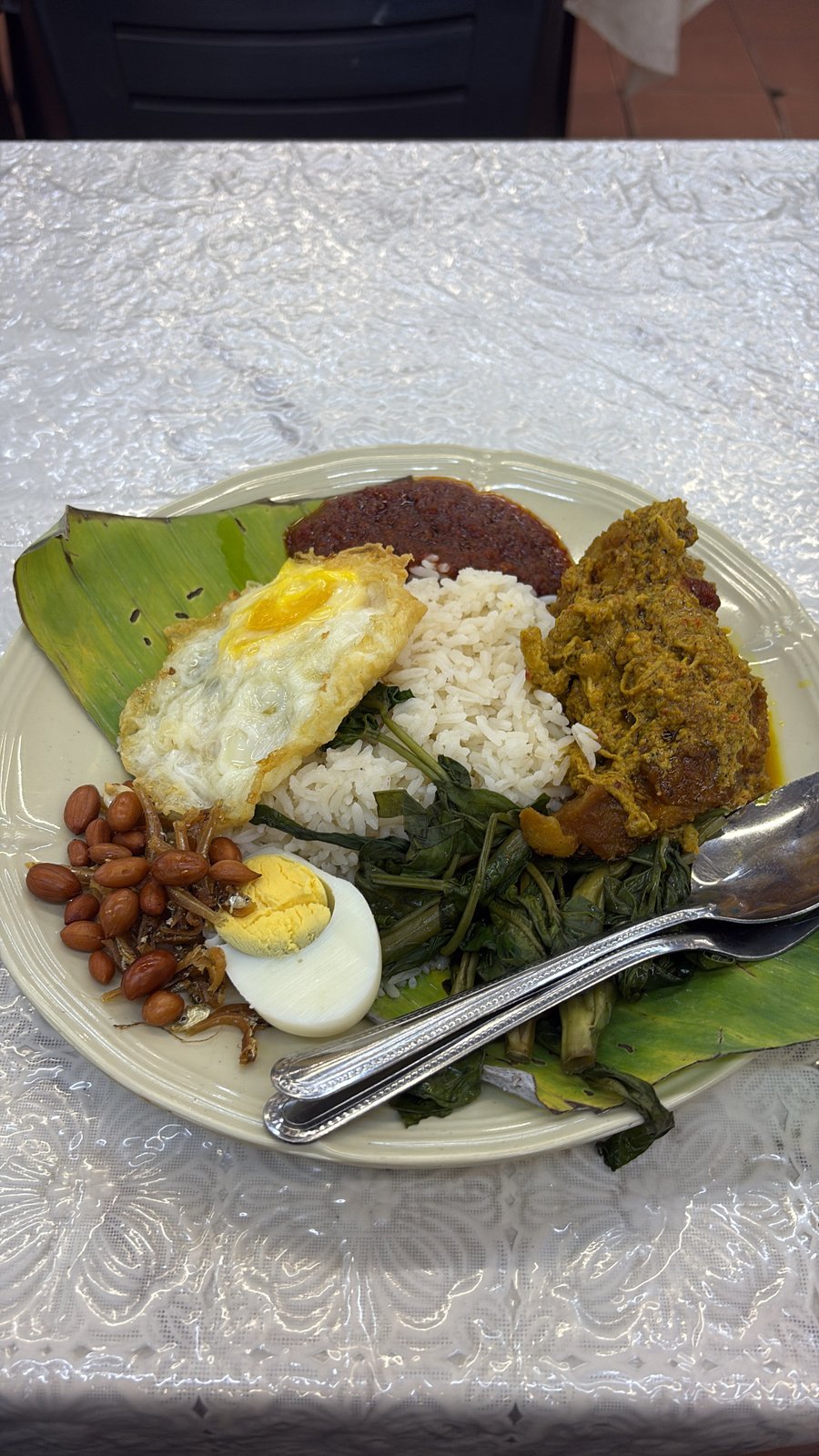
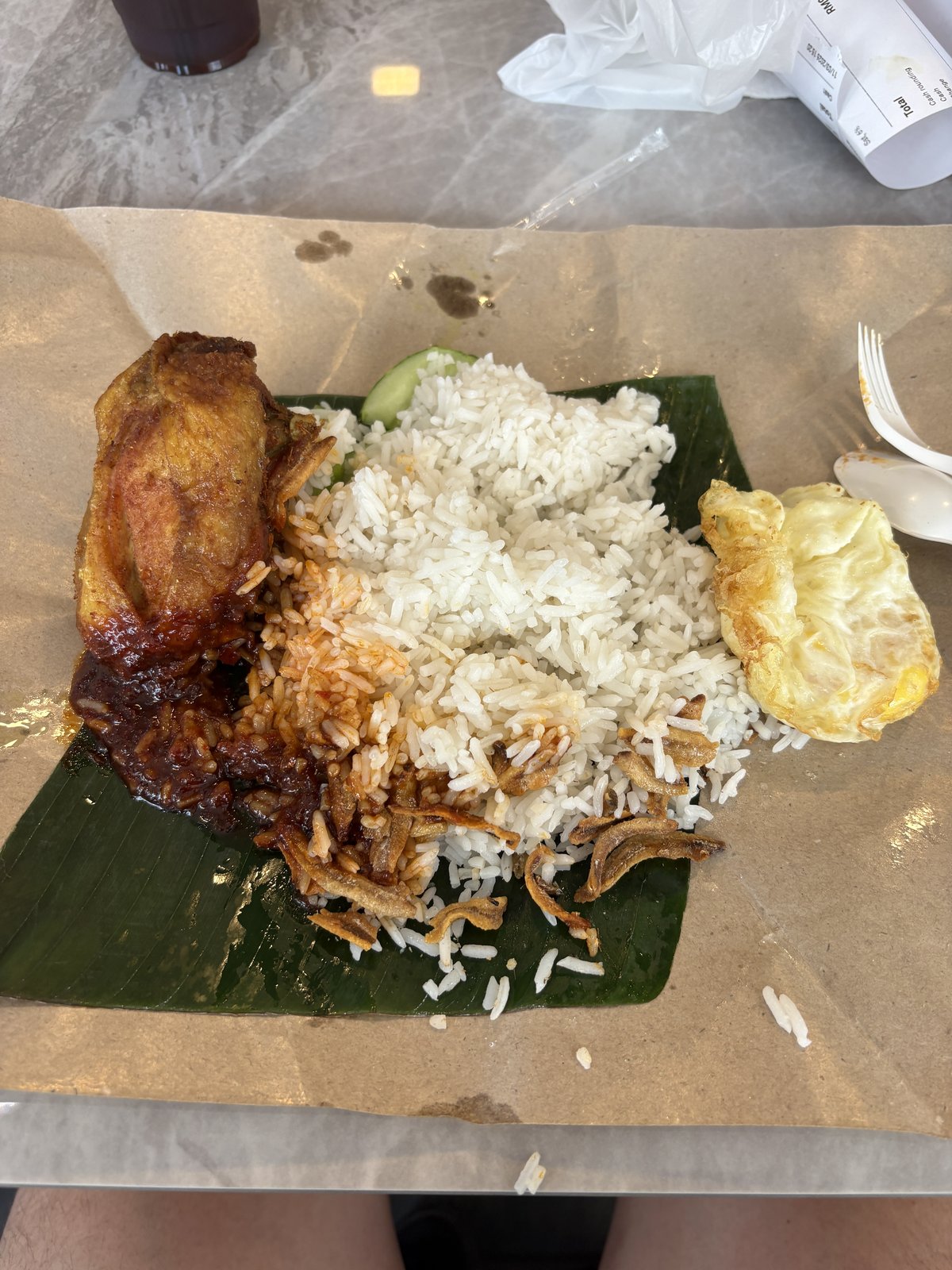
As I'm allergic to shrimp and crab, the dishes I can eat are a bit limited, but Nasi Lemak is the dish I had most in Malaysia.
Nasi Lemak is Malaysia's national dish — rice cooked in coconut milk and pandan leaf, giving it a rich, fragrant flavor. It's typically served with sambal (spicy chili paste), fried anchovies, roasted peanuts, a boiled egg, and cucumber slices. It's commonly eaten for breakfast but enjoyed any time of day. You can find it everywhere from street stalls wrapped in banana leaves to upscale restaurants with elaborate toppings like fried chicken or rendang.
The two restaurants below were especially incredible, so I'll highlight them here.
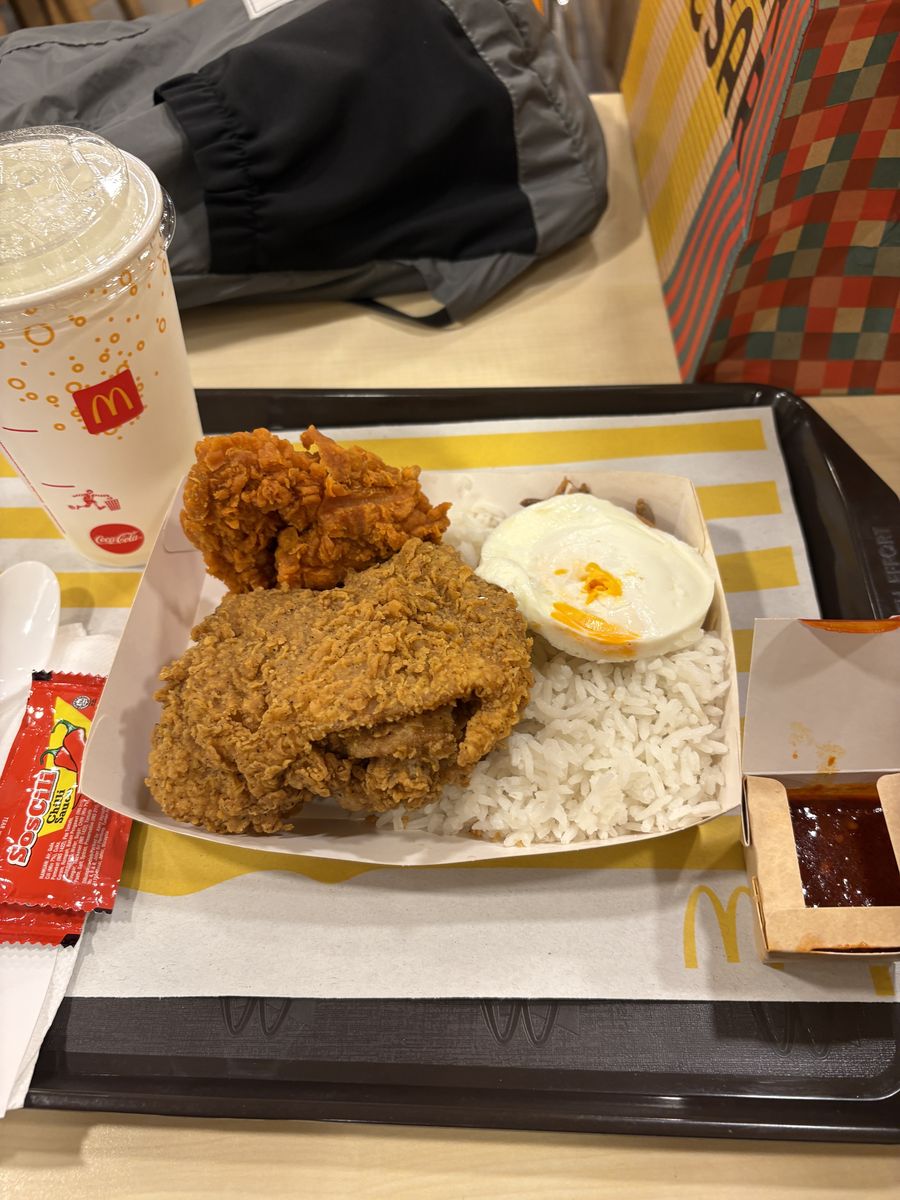
McDonald's also has Nasi Lemak on their menu. You can choose the spice level of the chicken, and it's served with rice and fresh sambal. Surprisingly, the chicken at McDonald's was well spiced and quite good. However, it's better to eat just the chicken without the rice.
Other discoveries in KL
* Cashless payment is widely used in Malaysia — contactless payment (credit card) was very useful
* Less crosswalk on roads, many people were ignoring traffic lights
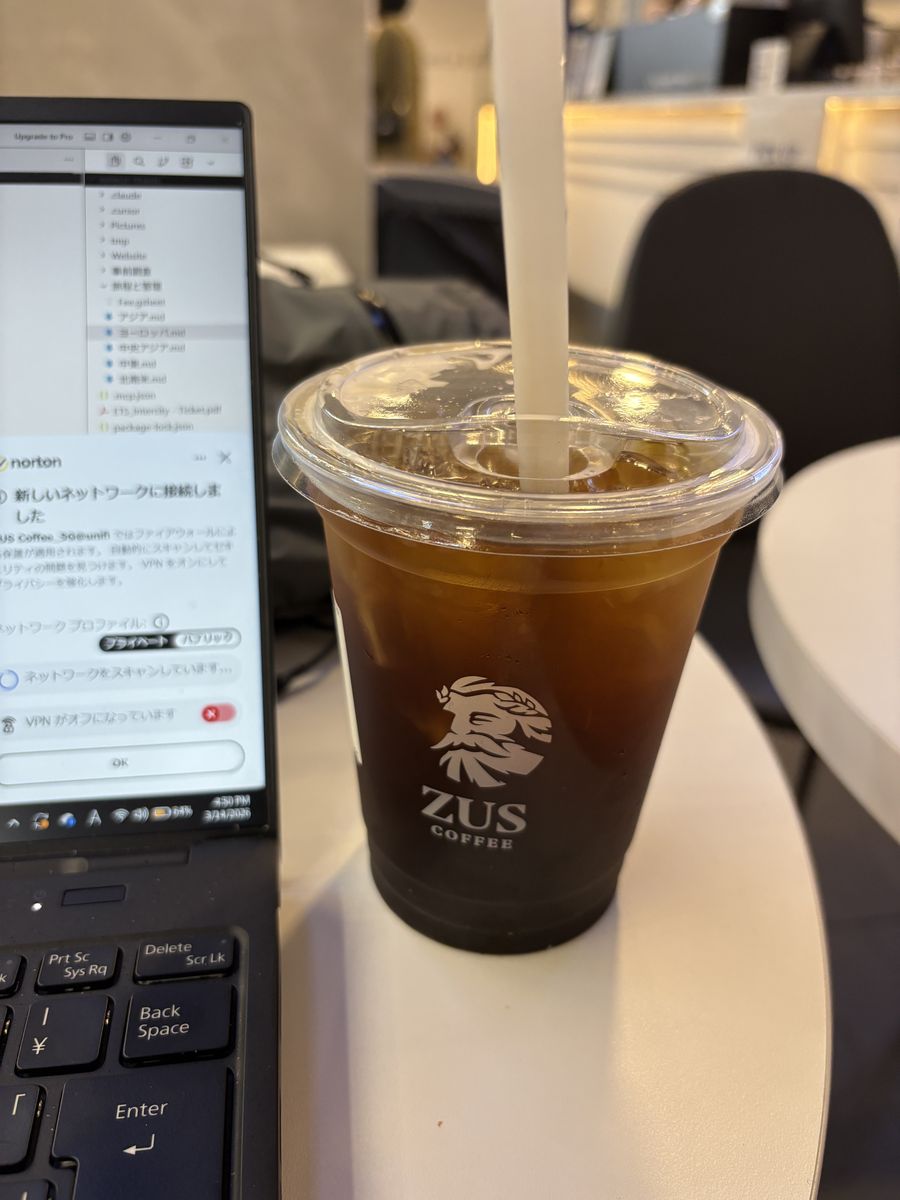
* Standard price of Coffee/Cafe is around 10-15MYR but ZUS which is Malaysian brand is more affordable and taste is good
* KL International Airport is very large but a bit far from the city — I wouldn't recommend early morning or midnight flights
My 9-day journey in Malaysia comes to an end, and I'm moving on to Indonesia next.
Comments
Loading...