East Java (Surabaya/Bromo/Ijen)
East Java
Surabaya
Surabaya is the 2nd largest city in Indonesia, located in East Java. I have been to Jakarta, the capital city, and Surabaya is also a big city but I felt a good local vibe too. The main activity in this chapter is to go to the mountains, but my friend took me to some landmarks and good restaurants.
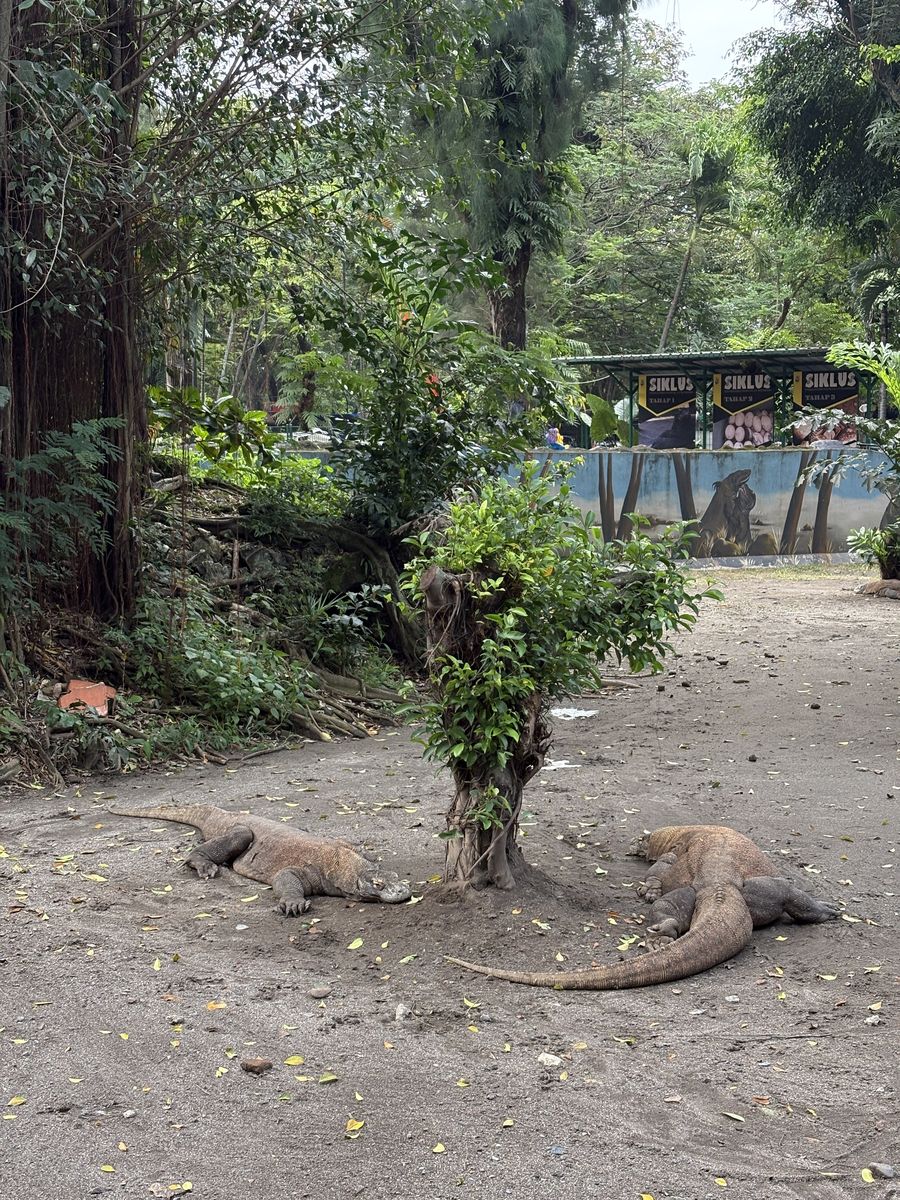
Surabaya Zoo is one of the popular destinations. Indonesia is made up of numerous islands, so there are many unique and rare animals in the country, and we can see rare species in this zoo that we cannot see in a normal zoo. We came to this place because they have the Komodo dragon, a giant lizard that lives on Komodo Island.
The Komodo dragon is the world's largest living lizard, found only on a handful of Indonesian islands including Komodo, Rinca, and Flores. Adults can grow up to 3 meters long and weigh over 70 kg. They are apex predators with venomous bites that can take down prey as large as deer and water buffalo. With an estimated population of around 3,000 in the wild, they are listed as Endangered by the IUCN. Komodo National Park was established in 1980 to protect them and is now a UNESCO World Heritage Site.
I thought Komodo dragons were super rare, but actually they have quite a few of them here and we saw everything from young individuals to adults. I was amazed at how stocky their legs are — it made me realize they can run very fast. However, they were quiet and didn't move much.
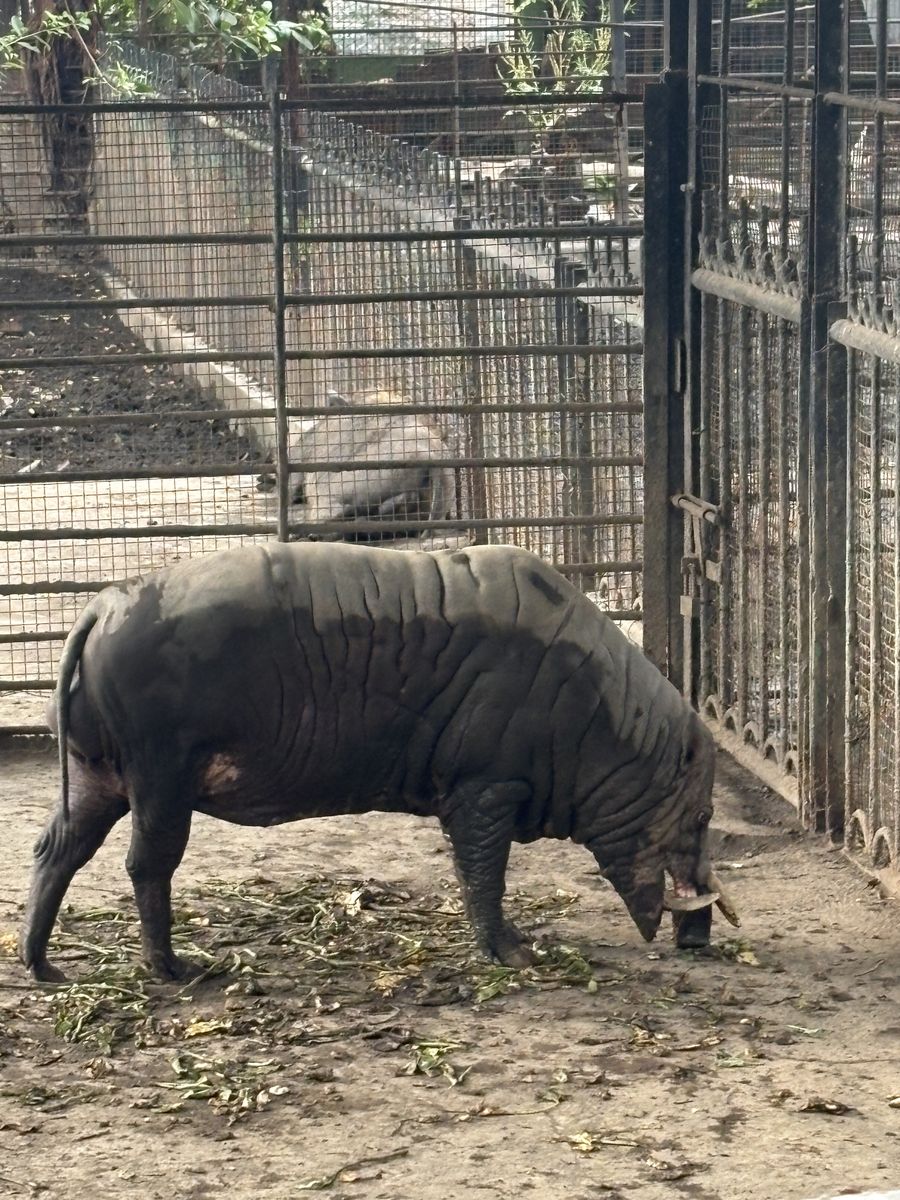
Also, there is another animal that caught my attention — Babirusa. Babirusa is also a super rare and endangered animal. I found out you can only see them in Singapore and the US outside of Indonesia. They are called "the animal that stares death in the face" because they have curved tusks that approach their skull. For me, the eyes were also special and reminded me of the animal in "Princess Mononoke."
Babirusa is a rare and endangered pig-like animal found only on a few Indonesian islands, mainly Sulawesi. It's known for its unusual curved tusks that grow upward through the top of the snout. The name means "pig-deer" in Malay. With a population of fewer than 10,000 in the wild, it is listed as Vulnerable by the IUCN and considered a living fossil, having changed little over millions of years.
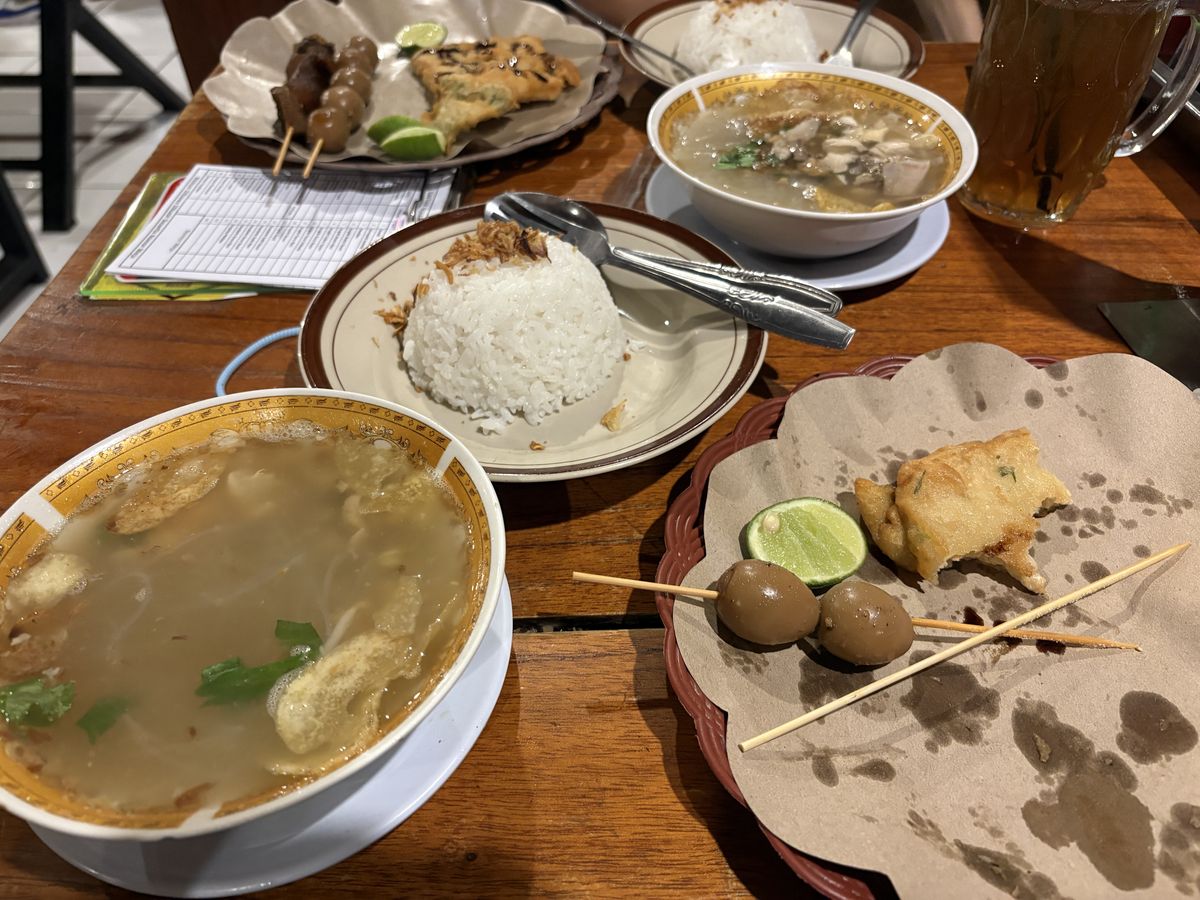
Surabaya has some famous local foods but we didn't try much. However, this Soto restaurant chain (SSB) was the best Indonesian restaurant I have ever visited. We came to this restaurant three times in one week, and that should be enough to imagine how much I love it. I heard they have many branches, so please try it if you find one.
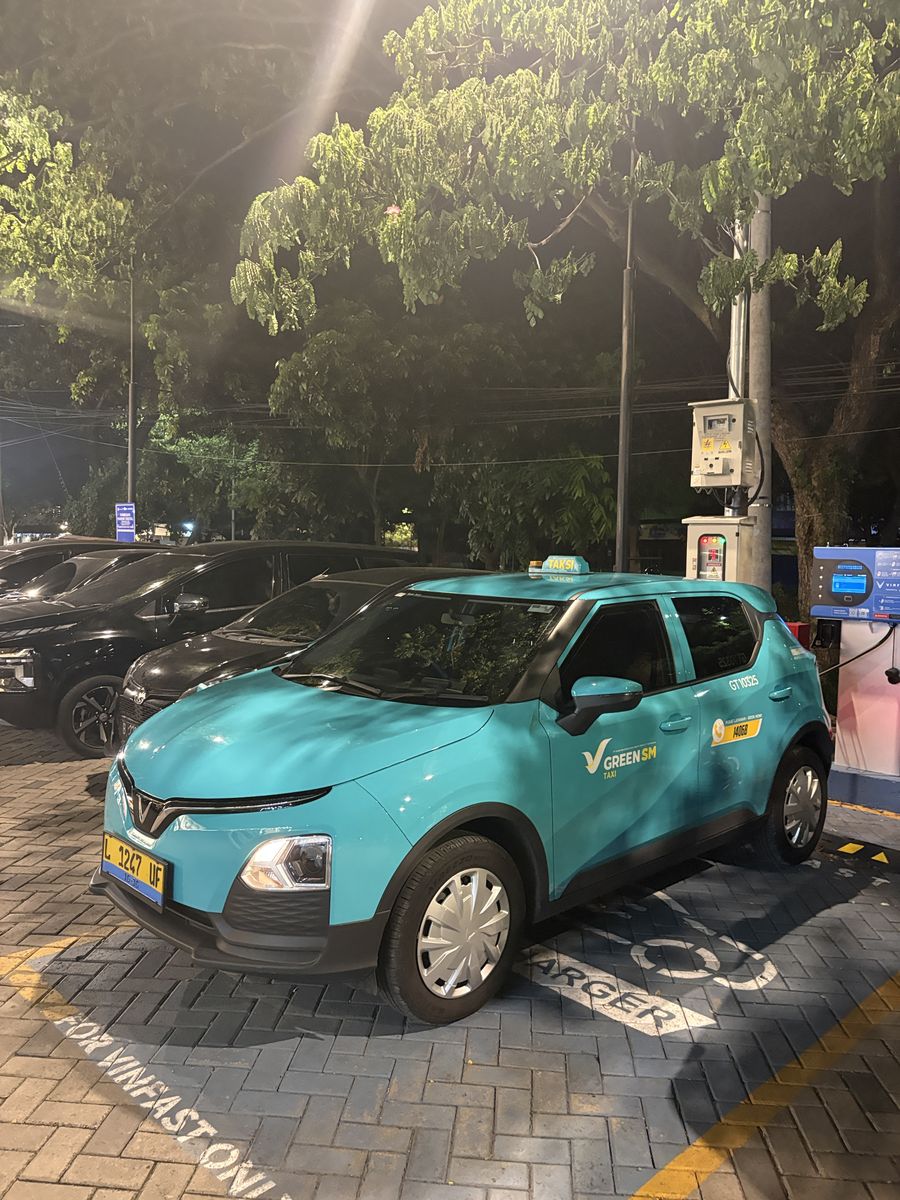
Additionally, I found VinFast, the Vietnamese EV brand, in Surabaya. It was the first time seeing them abroad and I felt proud of them.
Bromo
On the first night in Surabaya, we went to climb Mount Bromo. Bromo is near Malang city, which is 2 hours from Surabaya. We aimed to see the sunrise from the top, so our trip started at midnight. My friend has a car, so we drove to Malang and met up with our tour guide. Bromo has huge calderas and we needed to go along an unpaved volcanic road, so we switched to a jeep and headed toward the summit.
Mount Bromo is one of Indonesia's most iconic active volcanoes, located in East Java at 2,329 meters. It sits within the vast Tengger Caldera, a dramatic landscape of volcanic sand and steep cliffs. Visitors can hike up to the crater rim and peer into the smoking crater. The sunrise view, with Bromo emerging from a sea of clouds, is especially famous. The volcano is also sacred to the local Tengger Hindu community, who hold an annual festival throwing offerings into the crater.
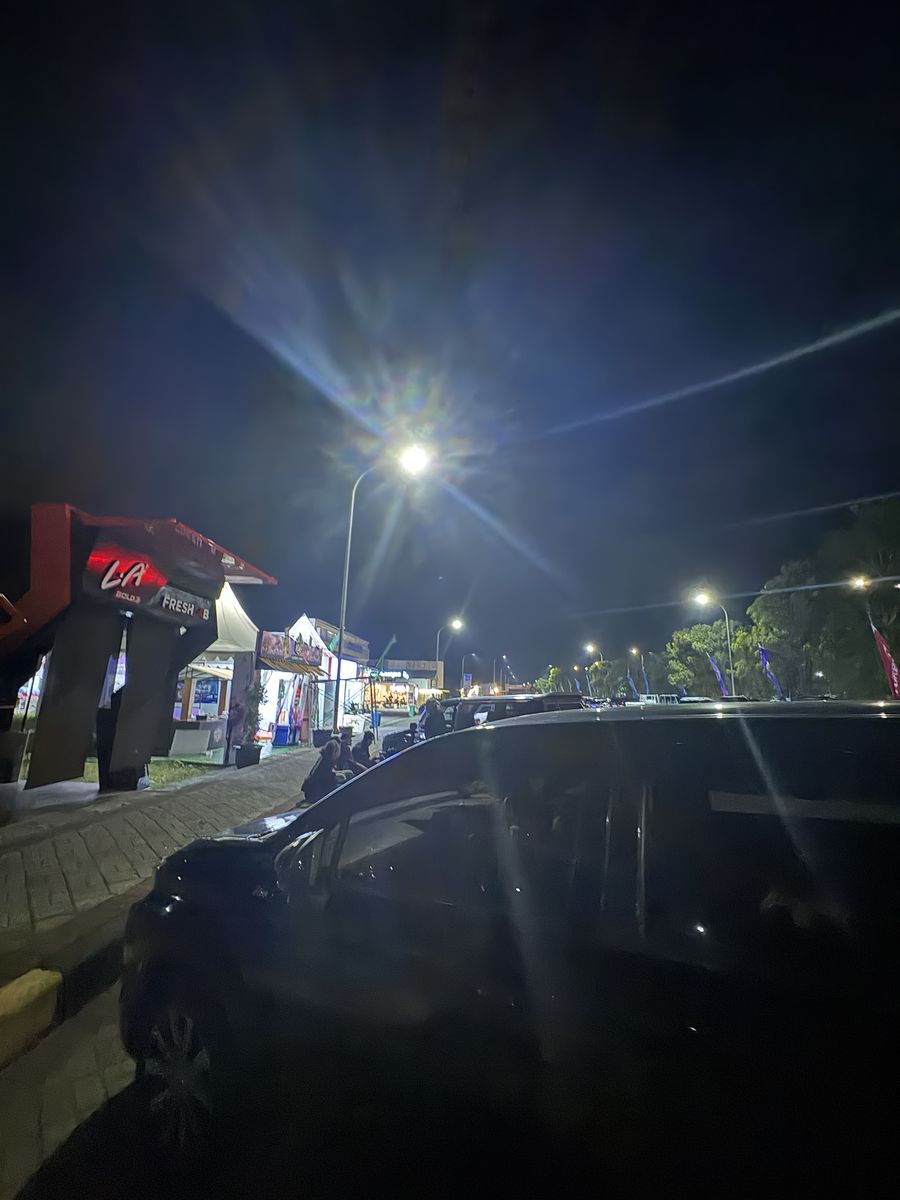
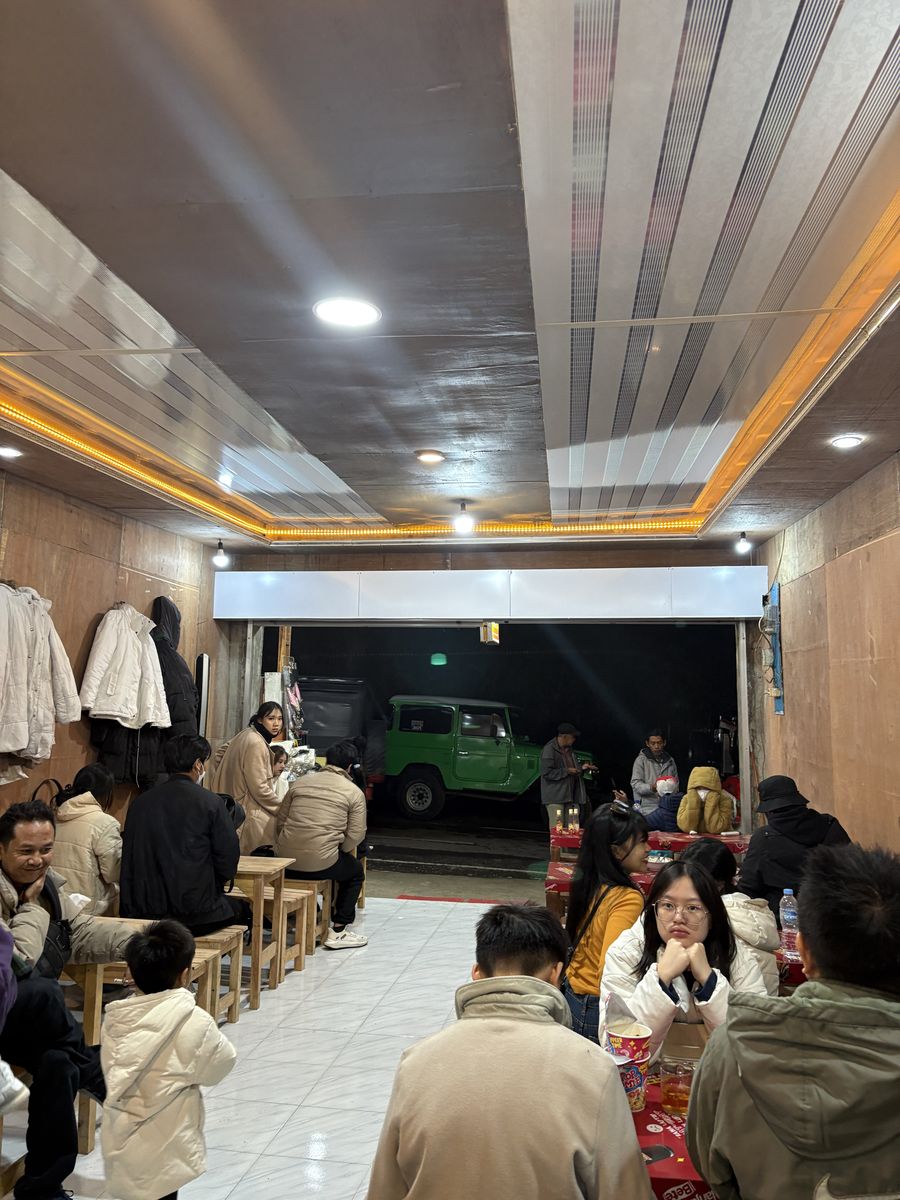
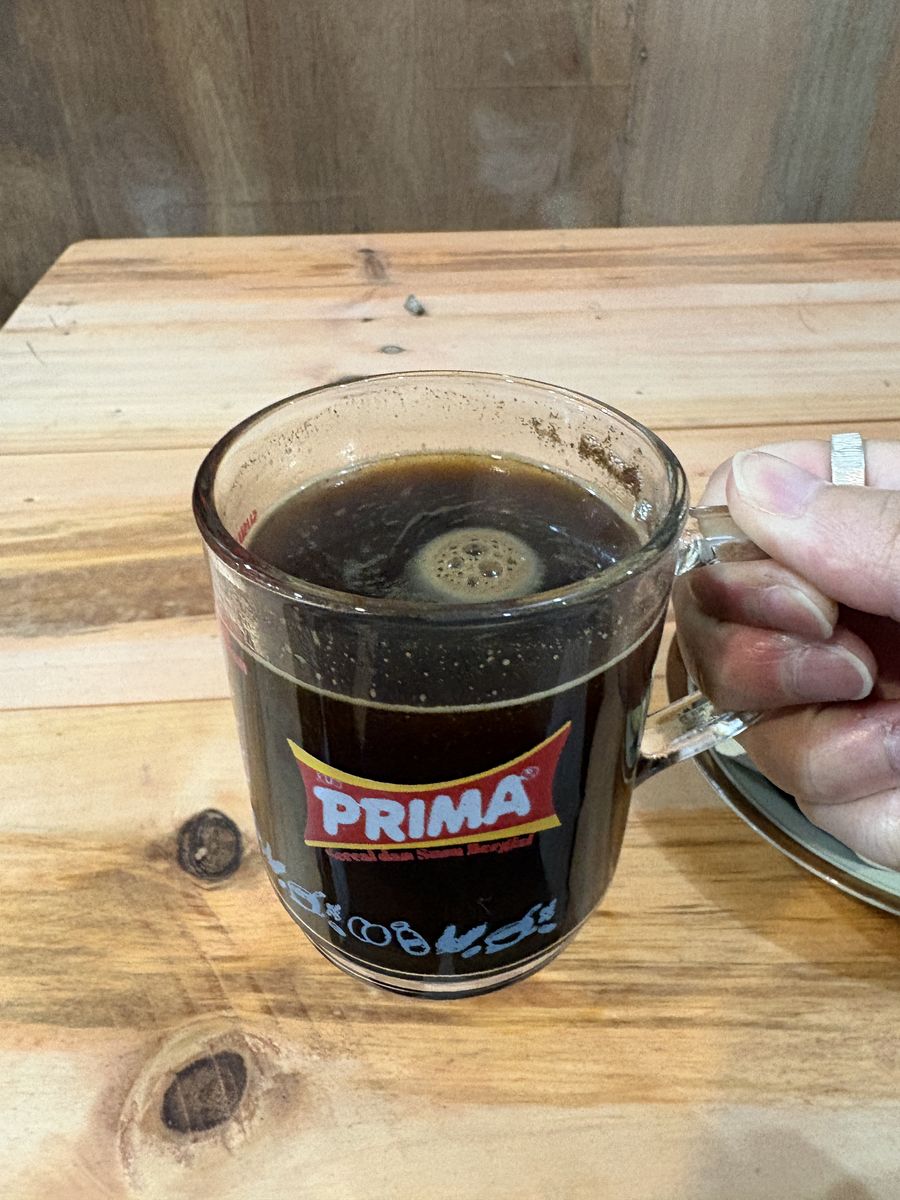
Indonesia is eternal summer, but it was so cold in the mountains — high altitude and windy. Also, I didn't take a nap before going, so the conditions drained my energy. We ordered hot drinks in the lodge while waiting for the sunrise.
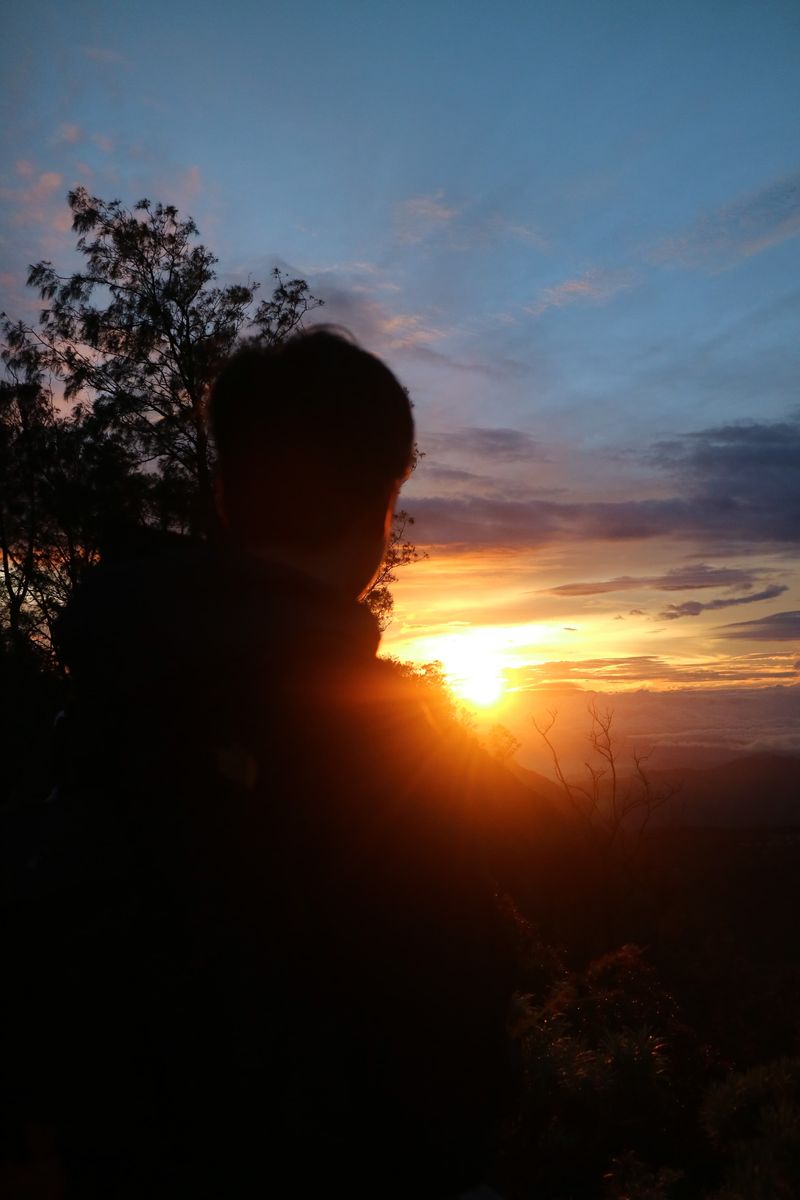
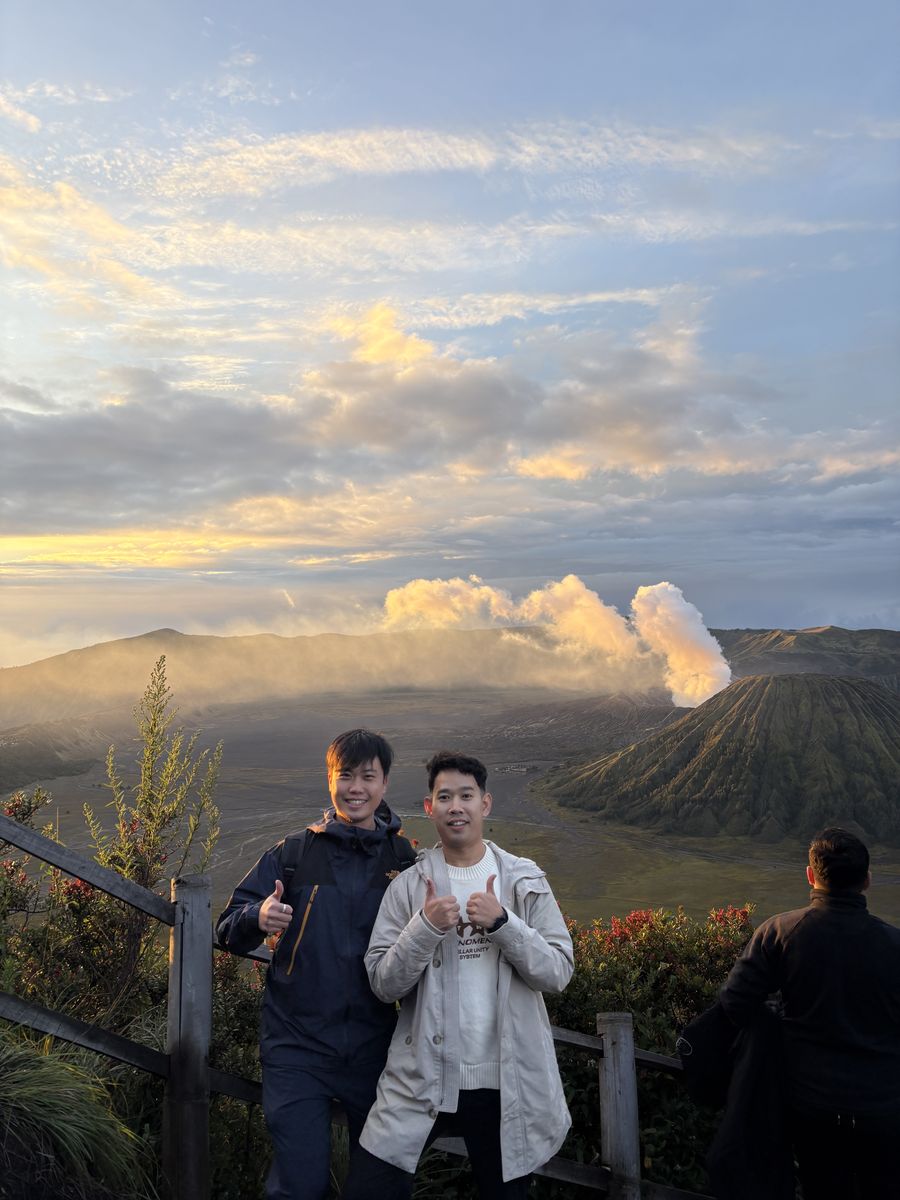
Sleepy, tired, and cold... but everything vanished once the sun came. It was still the rainy season, but we could see a beautiful sunrise — the best one I have ever seen. The mountain was colored like gold.
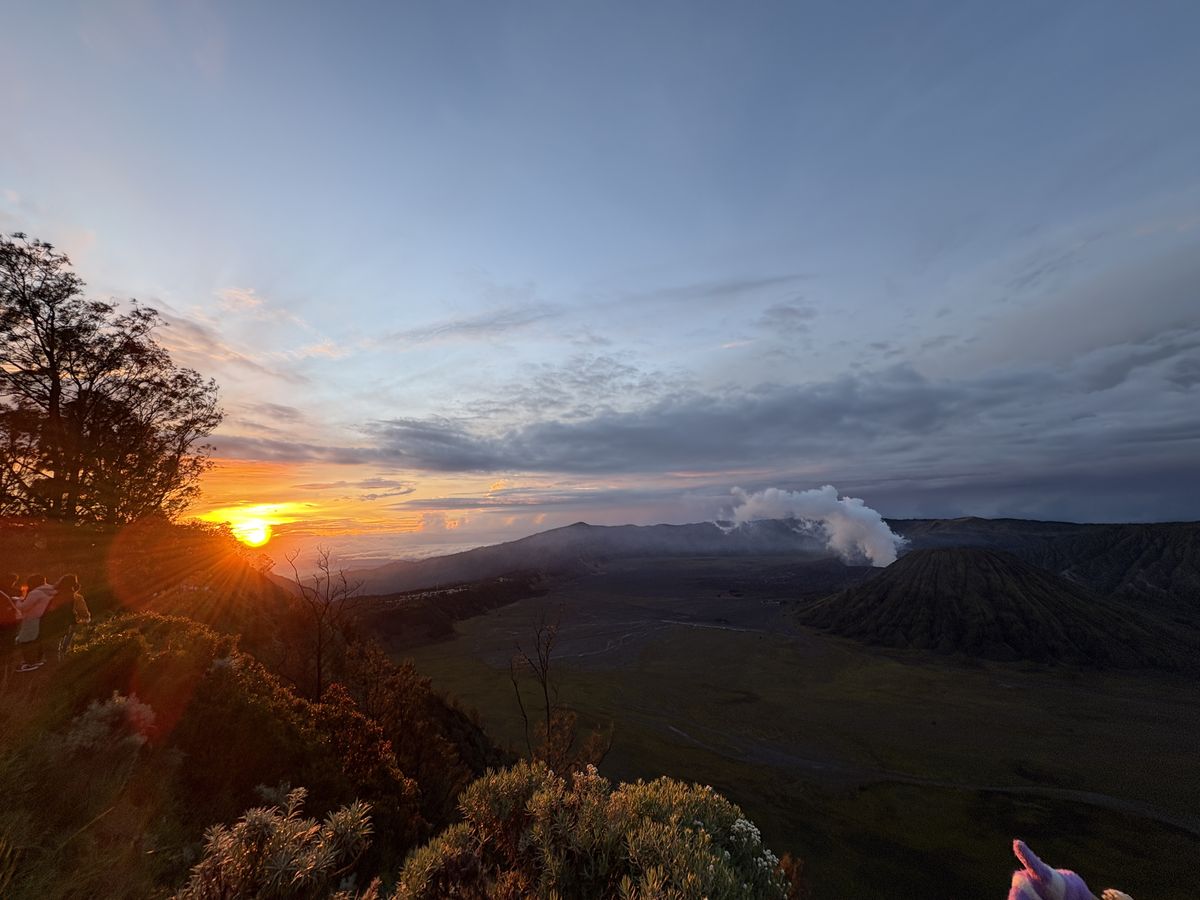
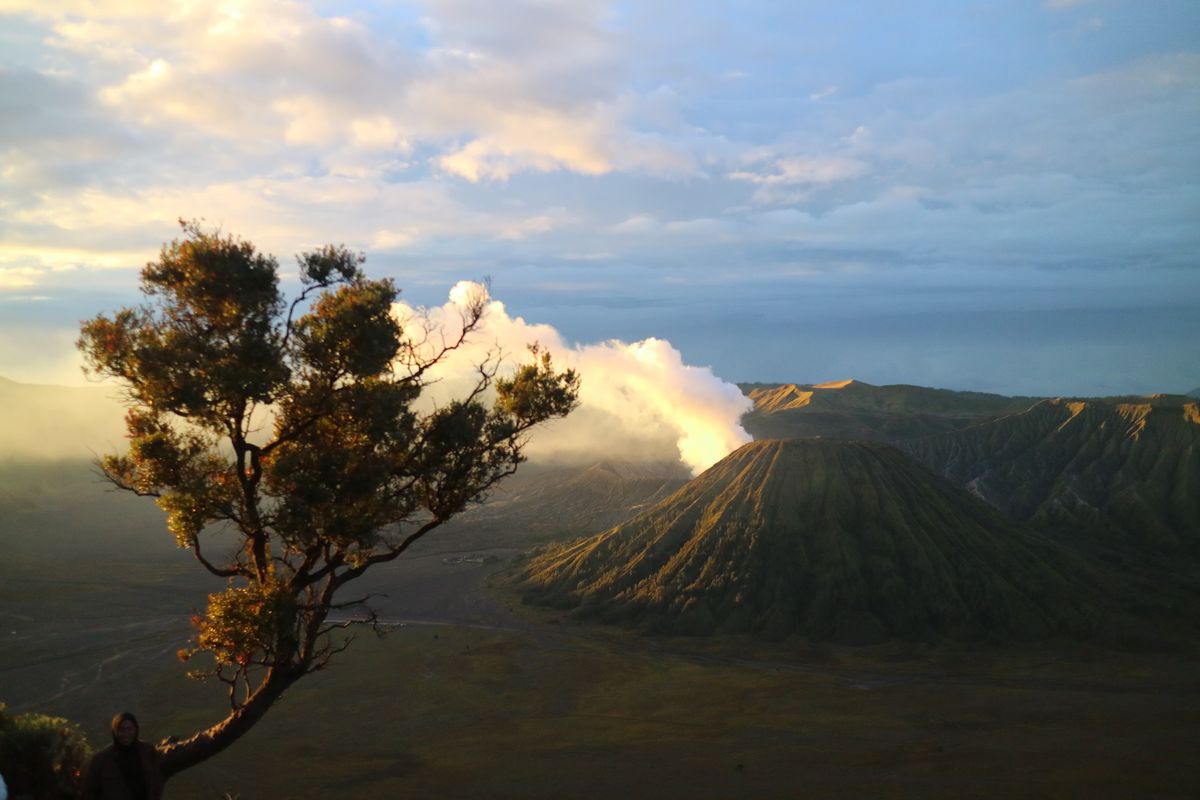
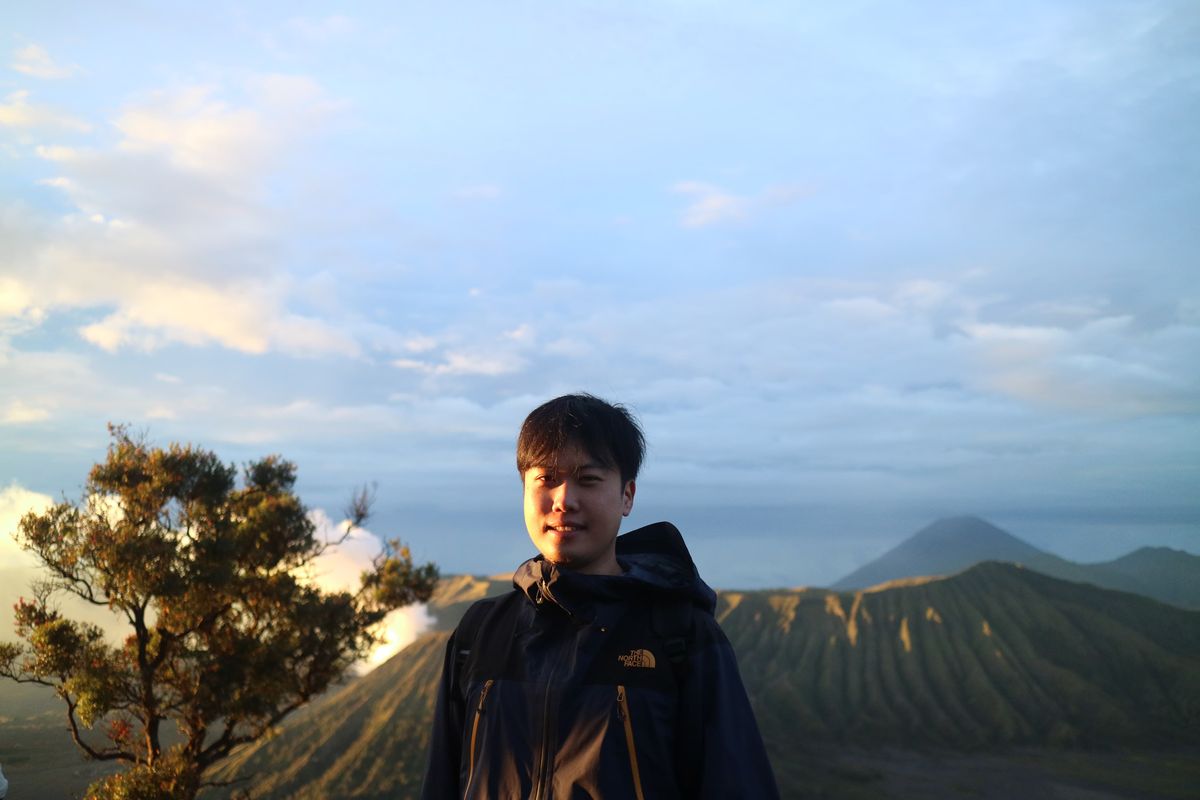
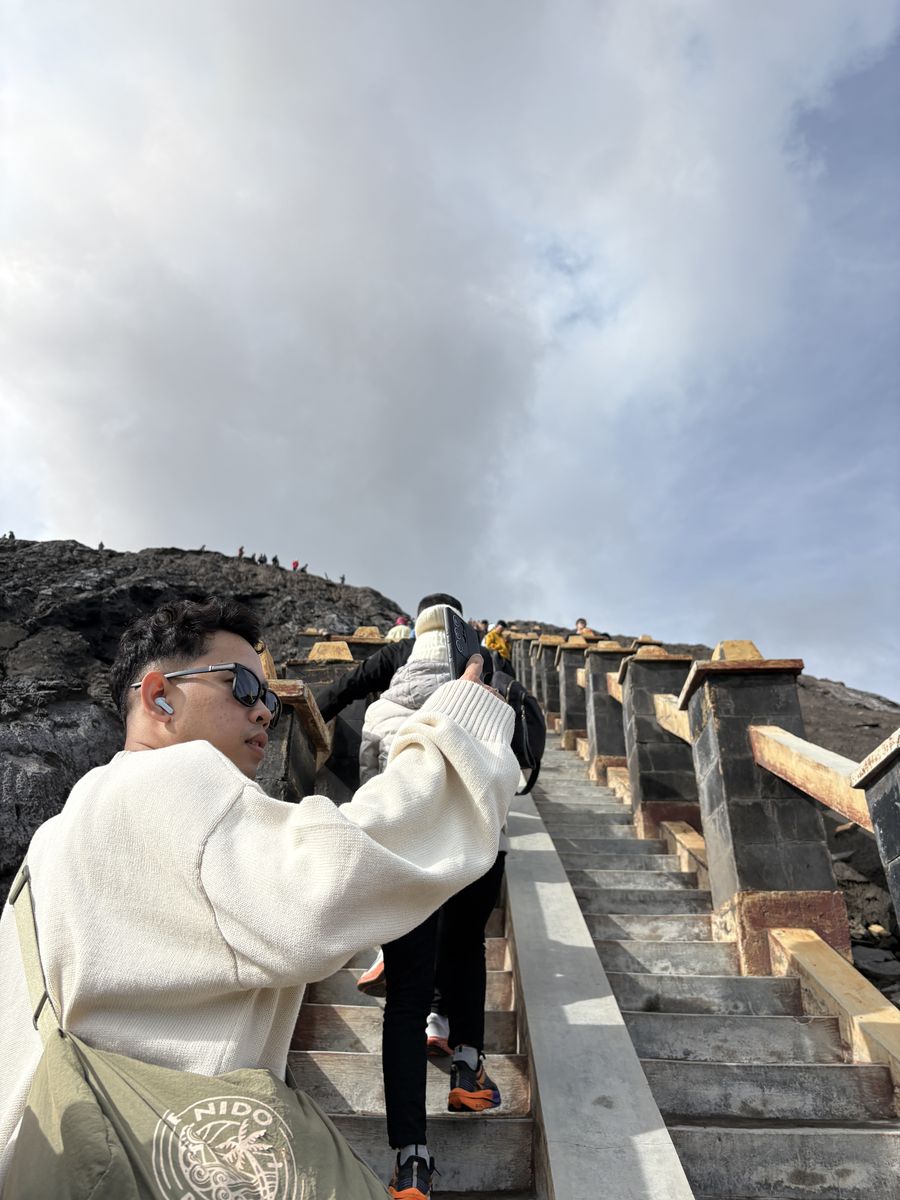
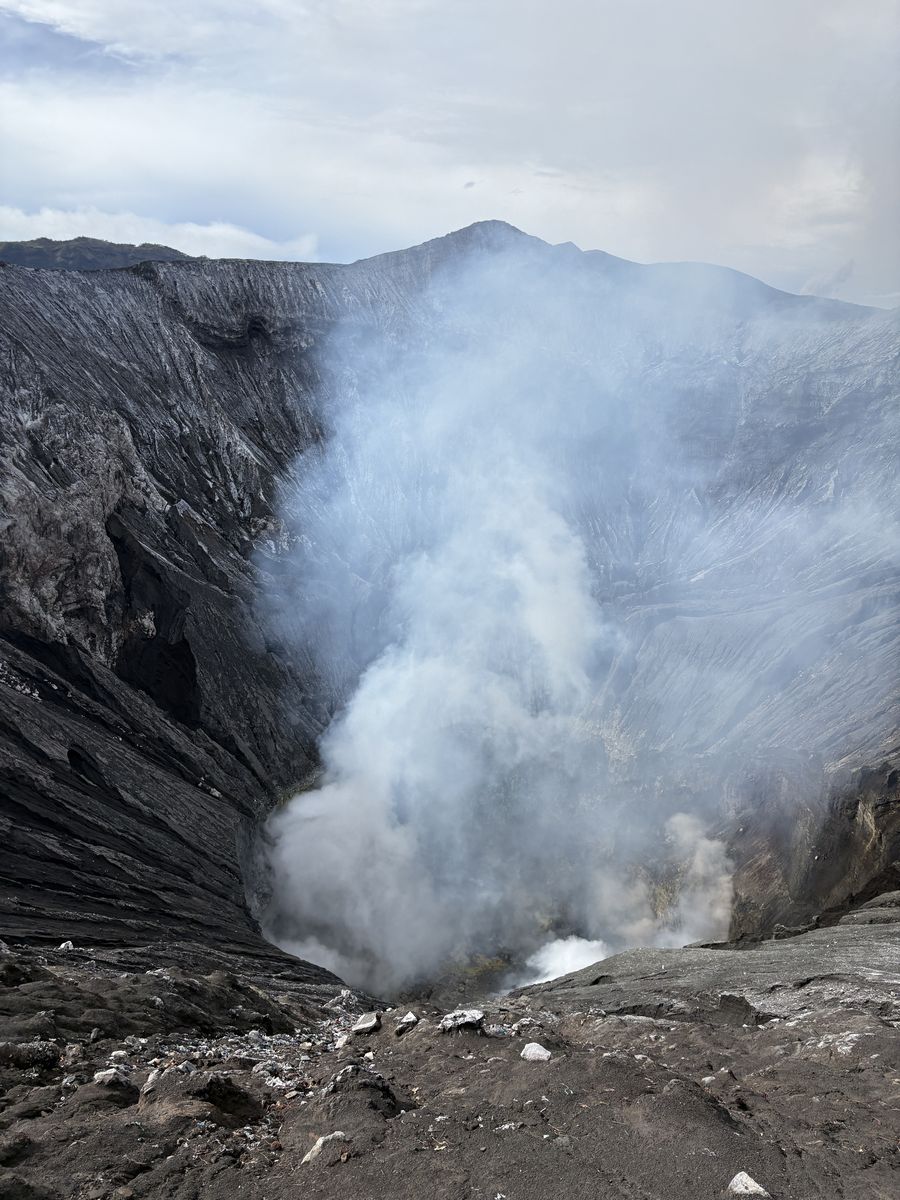
After watching the sunrise, our group moved to a spot where we could see the crater. We needed to walk to the crater and it took about 1 hour for the round trip, but the view was incredible! The smell of sulfur was strong near the crater. There were lots of horses, which seemed to be popular there, and you can ride one to the top. It was a bit expensive, around 10 USD, so we chose to walk, but it could be a good option if you are tired.
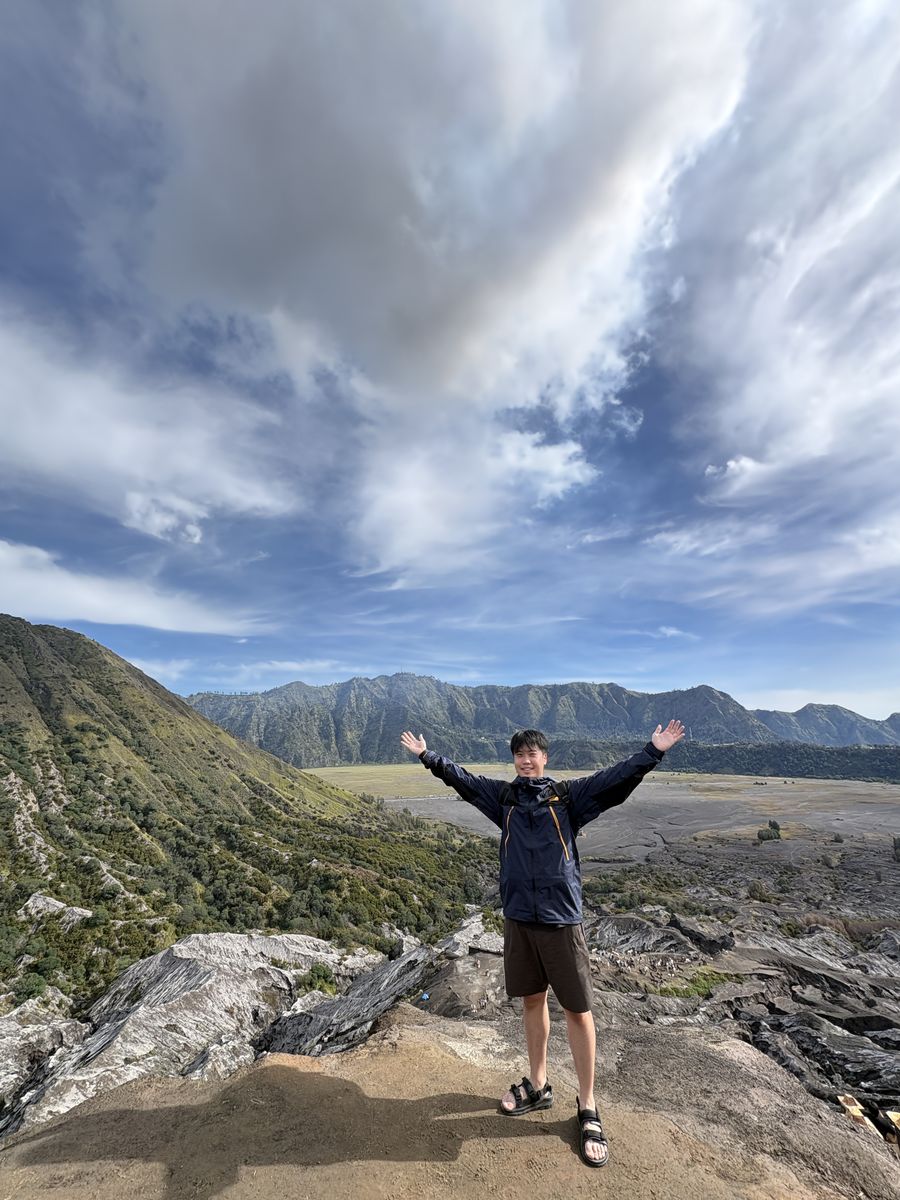
Lumajang
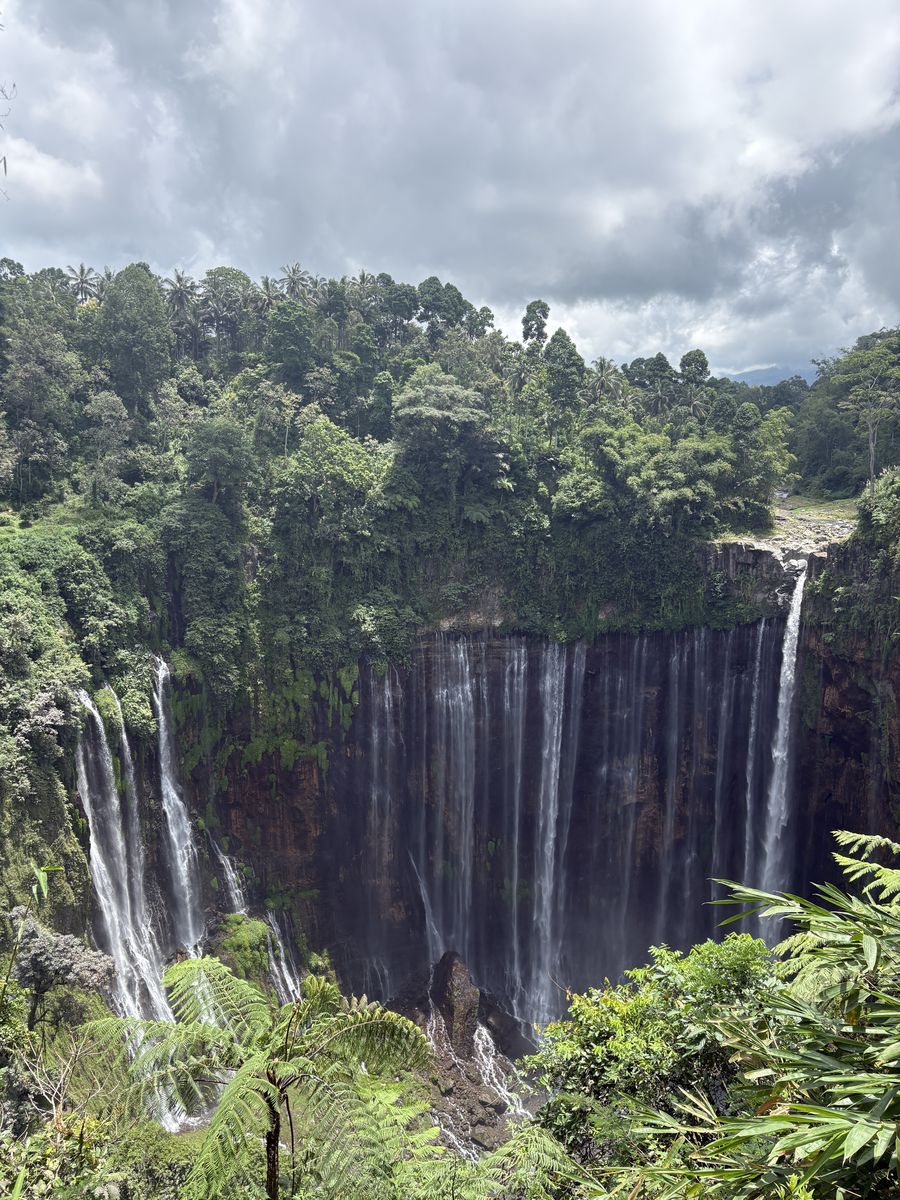
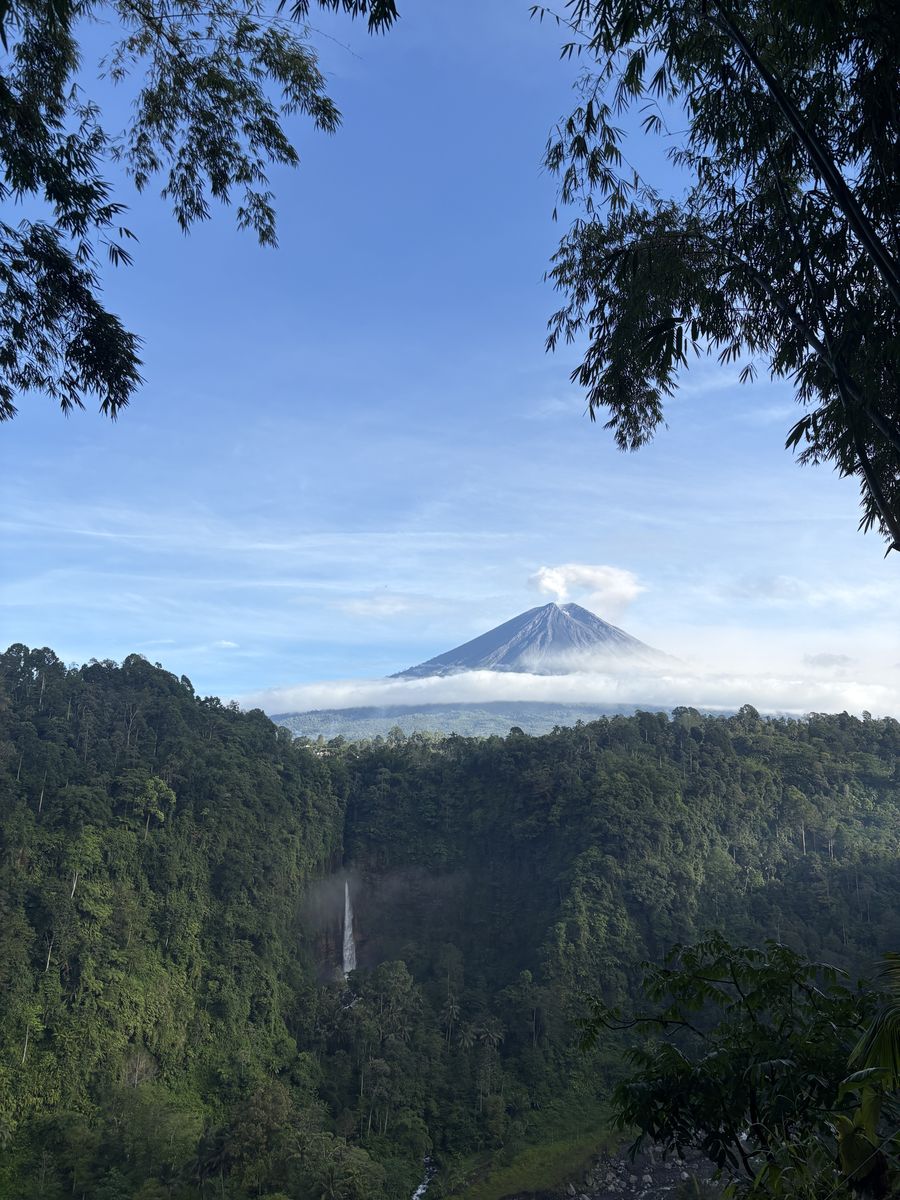
After we left Bromo, we drove 2 hours from Malang to Lumajang city. Lumajang is a popular destination for waterfalls, and especially Tumpak Sewu is a must-visit place. This waterfall is formed by many small streams coming together, creating a massive cascade. It was a really hot day, but here it was slightly cooler than other places.
Tumpak Sewu is one of the most spectacular waterfalls in East Java, often called "the Niagara of Indonesia." The name means "a thousand waterfalls" in Javanese, and you can see why — water cascades down from a semicircular cliff about 120 meters high, creating a curtain of dozens of thin streams flowing into a misty basin below. The waterfall is fed by the Glidik River, which flows down from Mount Semeru, the highest volcano in Java. You can enjoy the view from an overlook just a short walk from the parking area, or hike down for about 20 minutes to reach the base of the ravine for a more immersive experience.
Ijen
The last destination of this trip was Ijen. It is just as famous as Bromo, but more of an advanced level. There is a big volcanic lake at the top, but we needed to trek 2 hours to the summit. We took a bus from Surabaya, which took 7 hours, and prepared our gear in front of the entrance gate. Ijen itself is a sulfur mine, and you can go closer to the crater to see the blue fire, which can only be seen in 2 places in the world. However, it is quite dangerous because of high SO2, so a gas mask is needed for those who go to see the crater and blue fire (we didn't).
Mount Ijen is a volcano in East Java famous for its stunning blue fire phenomenon — the largest in the world. The blue flames are created by sulfuric gas escaping from cracks at temperatures up to 600°C, igniting as it hits the air. The flames can reach up to 5 meters high, but are only visible at night, so visitors typically start hiking around midnight. At the summit sits a turquoise-colored crater lake, one of the most acidic in the world. The contrast between the blue flames and the vivid lake at sunrise is truly unforgettable. The volcano is also home to traditional sulfur miners who carry heavy loads of sulfur blocks up from the crater by hand — a tough and dangerous job that has continued for generations.
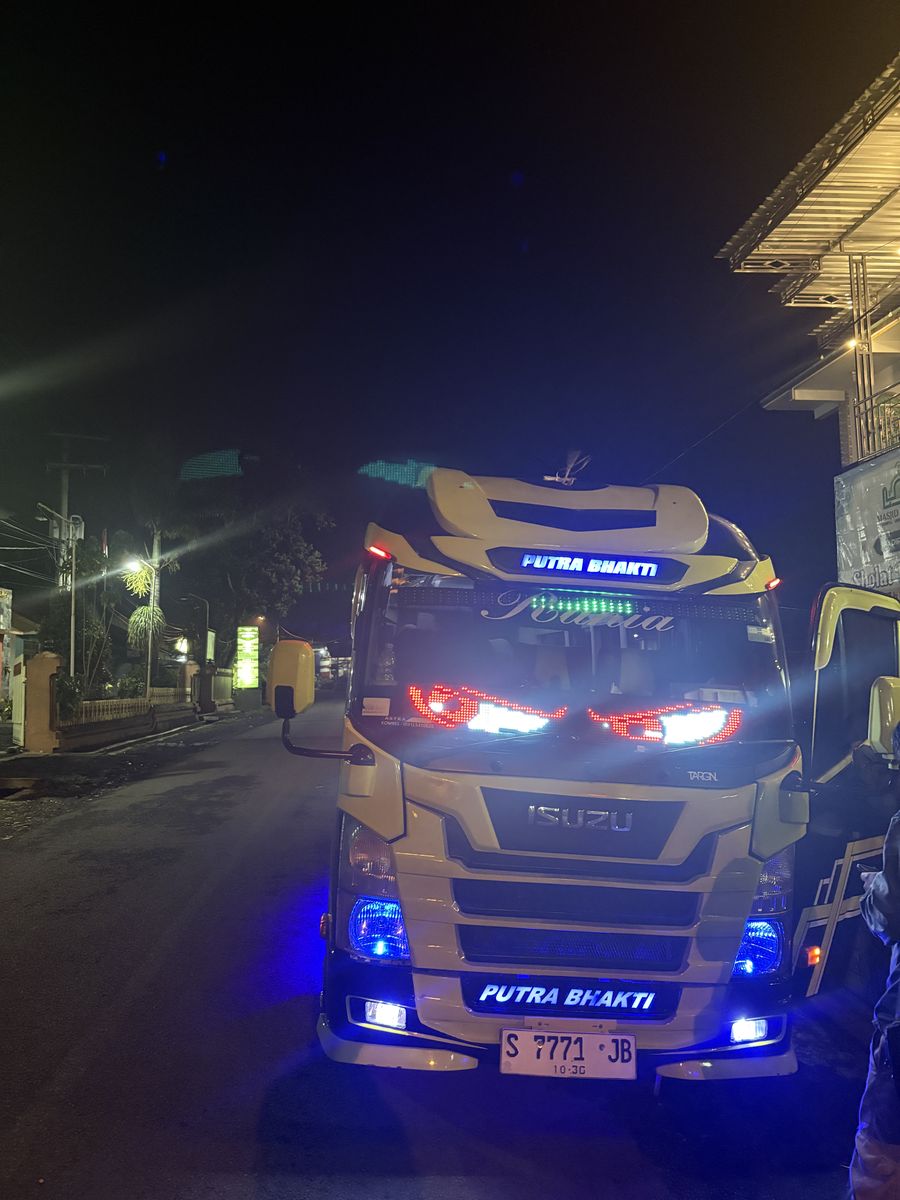
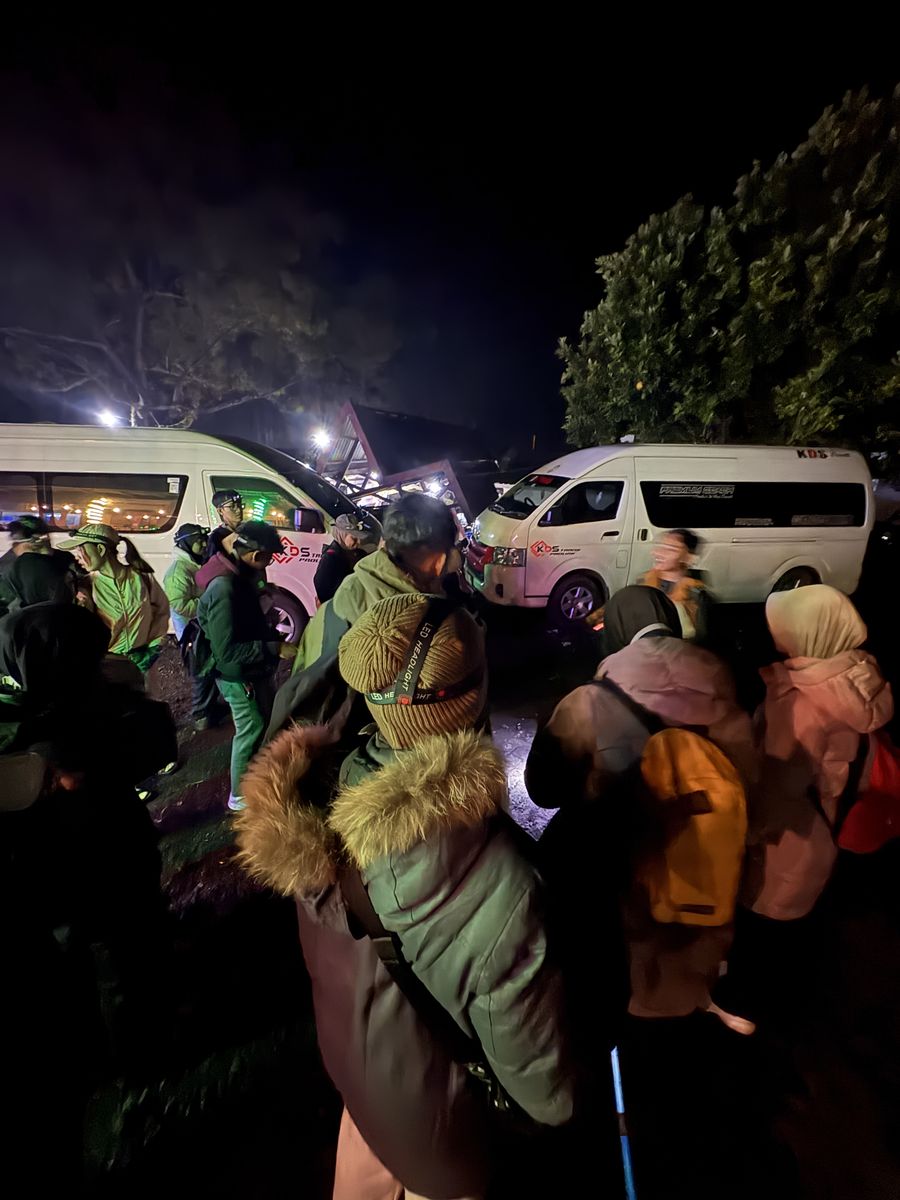
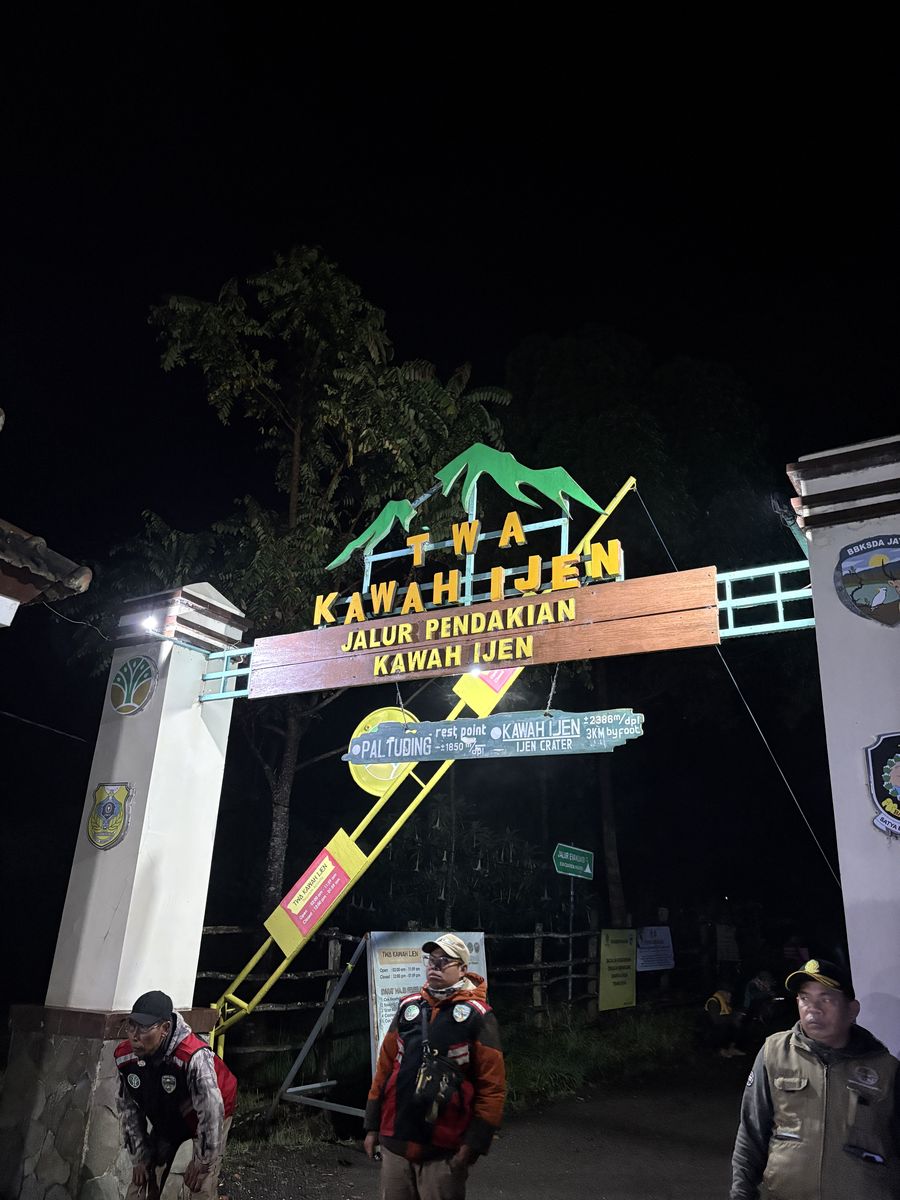
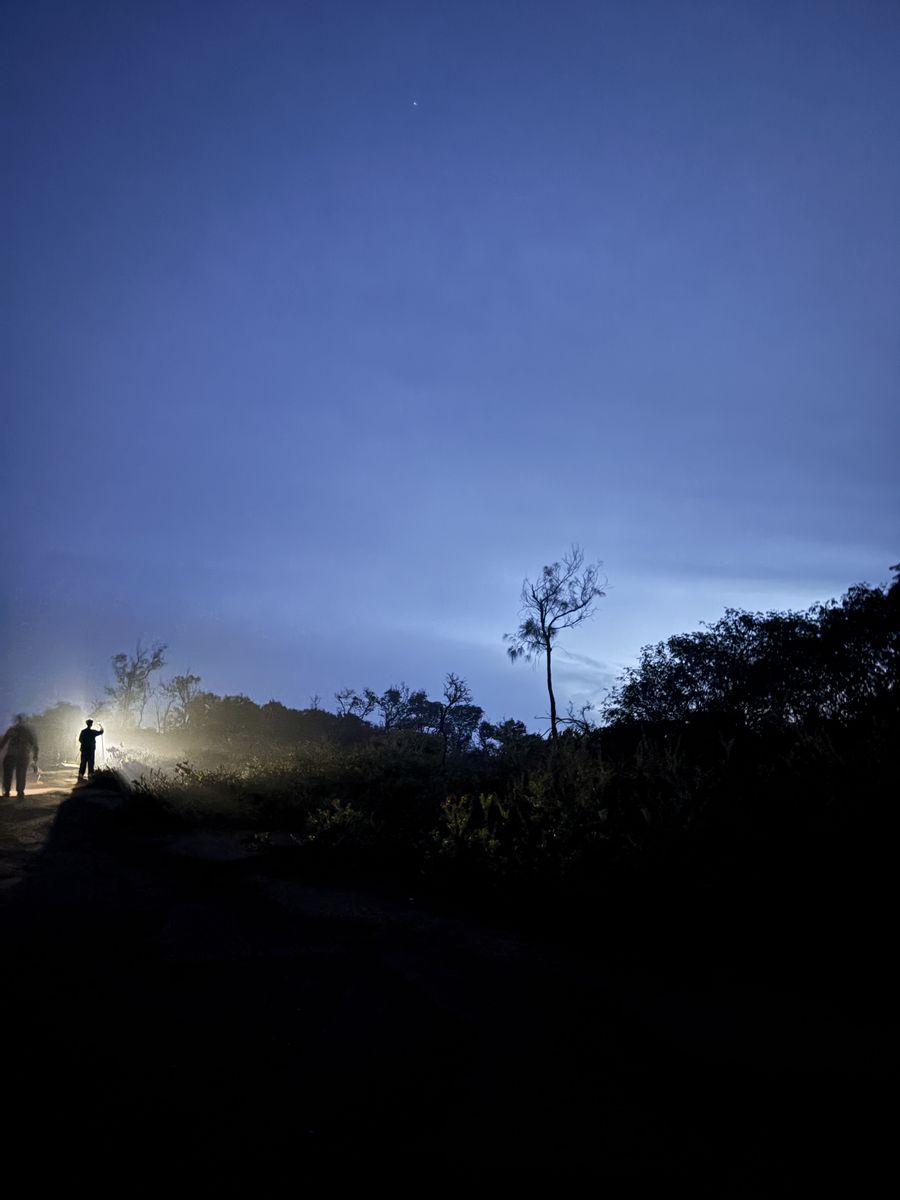
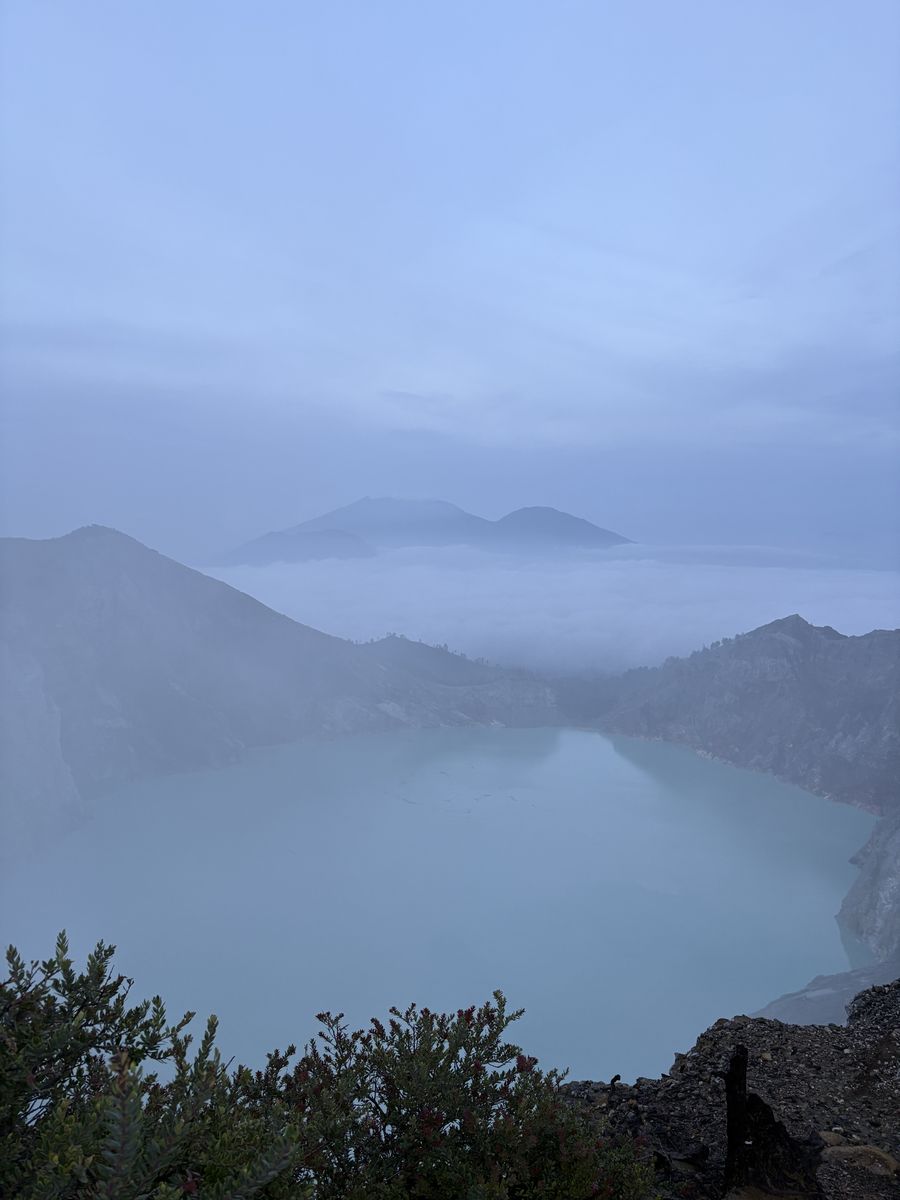
The trekking was actually very hard — the road is relatively steep and it drained our energy. Fortunately, it was not raining; it would have been much worse if it was. We reached the summit before 5am and the view was amazing! The mountain was covered by a sea of clouds and the volcanic lake was emerald green. Actually, it looked a bit dangerous because there are no gates or rails, so I was glad to see this at this timing.
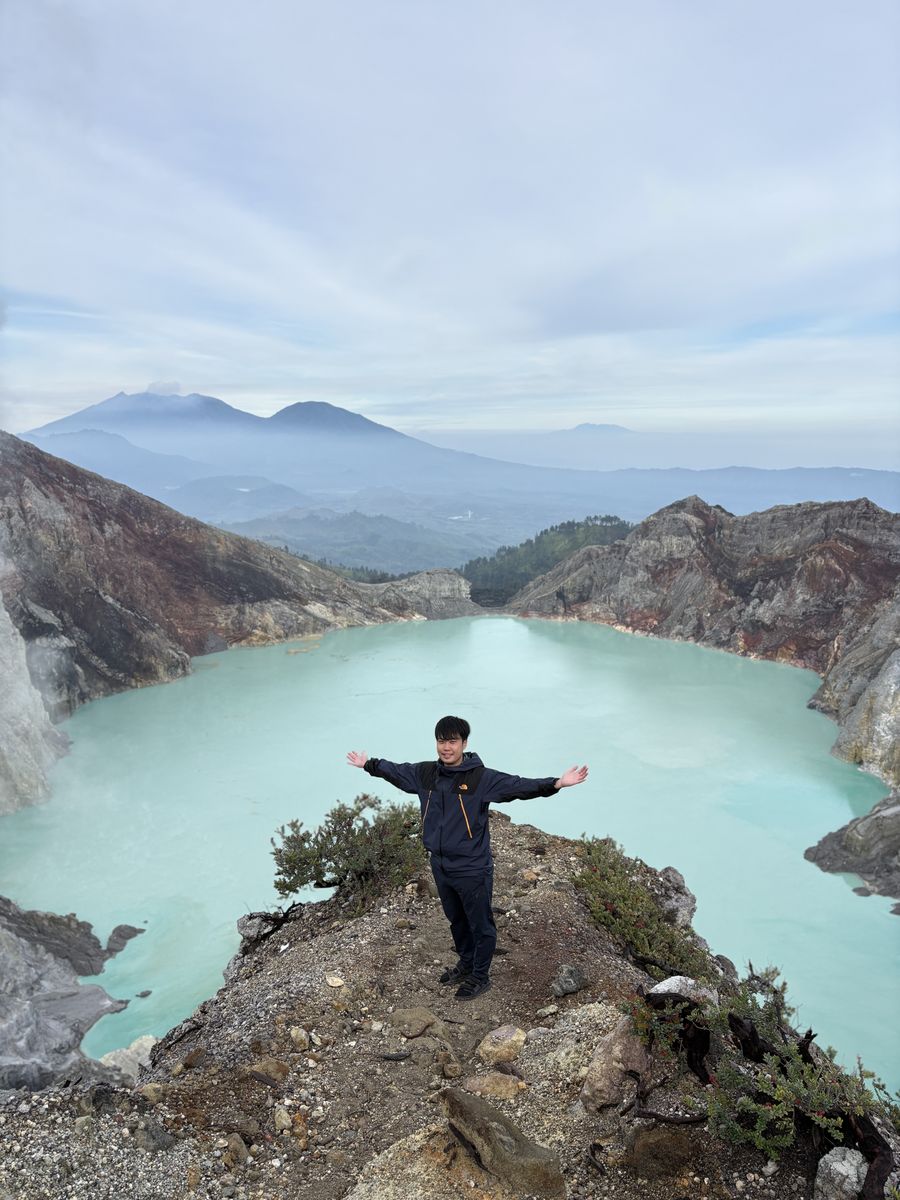
I climbed two mountains this time and it made me feel I'm not young anymore lol. But we had good luck and were able to see beautiful views. Also, I have to say thank you to my friend since he drove the car and let me stay at his home too.
Comments
Loading...