Beijing
Beijing
Shanghai to Beijing
Beijing is the capital city in China and located more than 1000km from Shanghai, which is as long as Tokyo to Fukuoka in Japan. I bought the ticket through Trip.com and I smoothly passed the gate including identification check. In China, we need to check our baggage and sometimes our ID when we use public transportation and this is more strict than other counties.
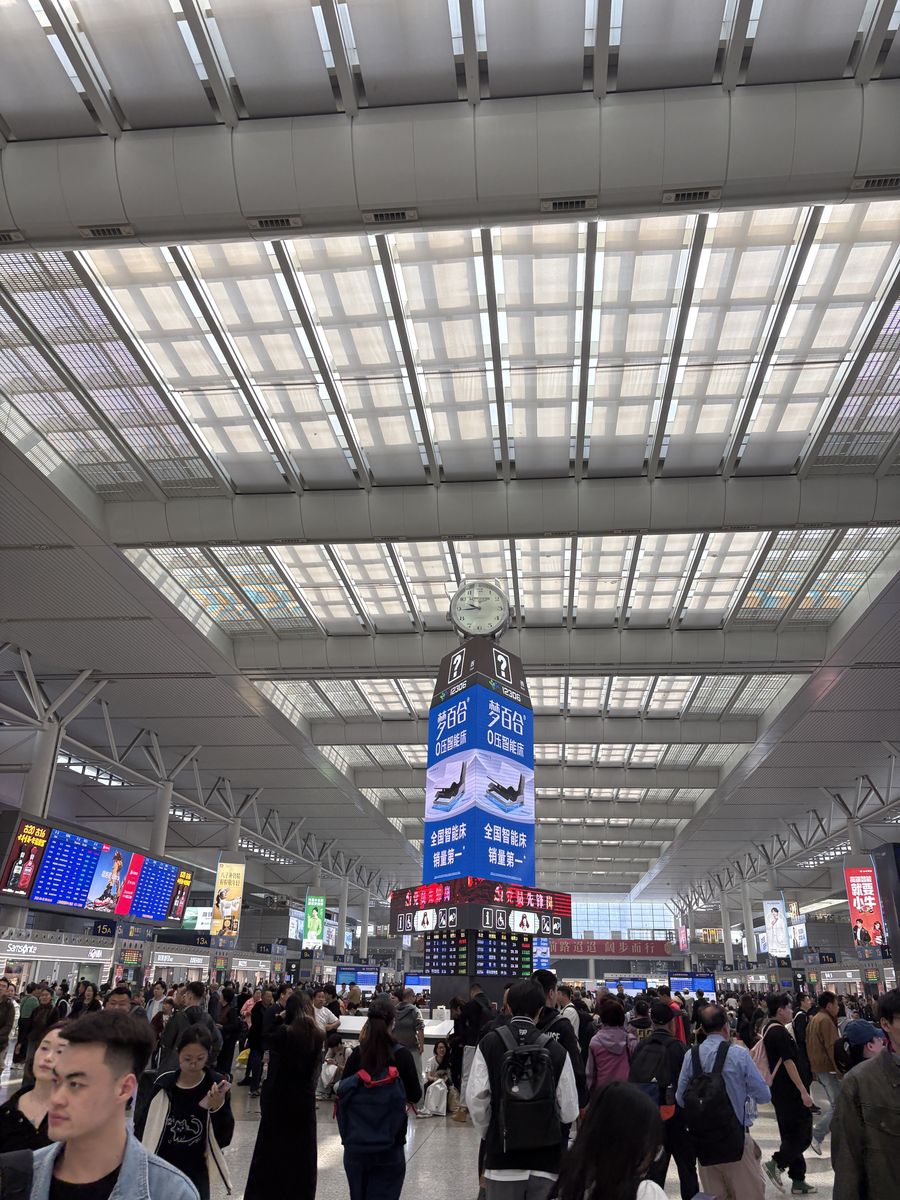
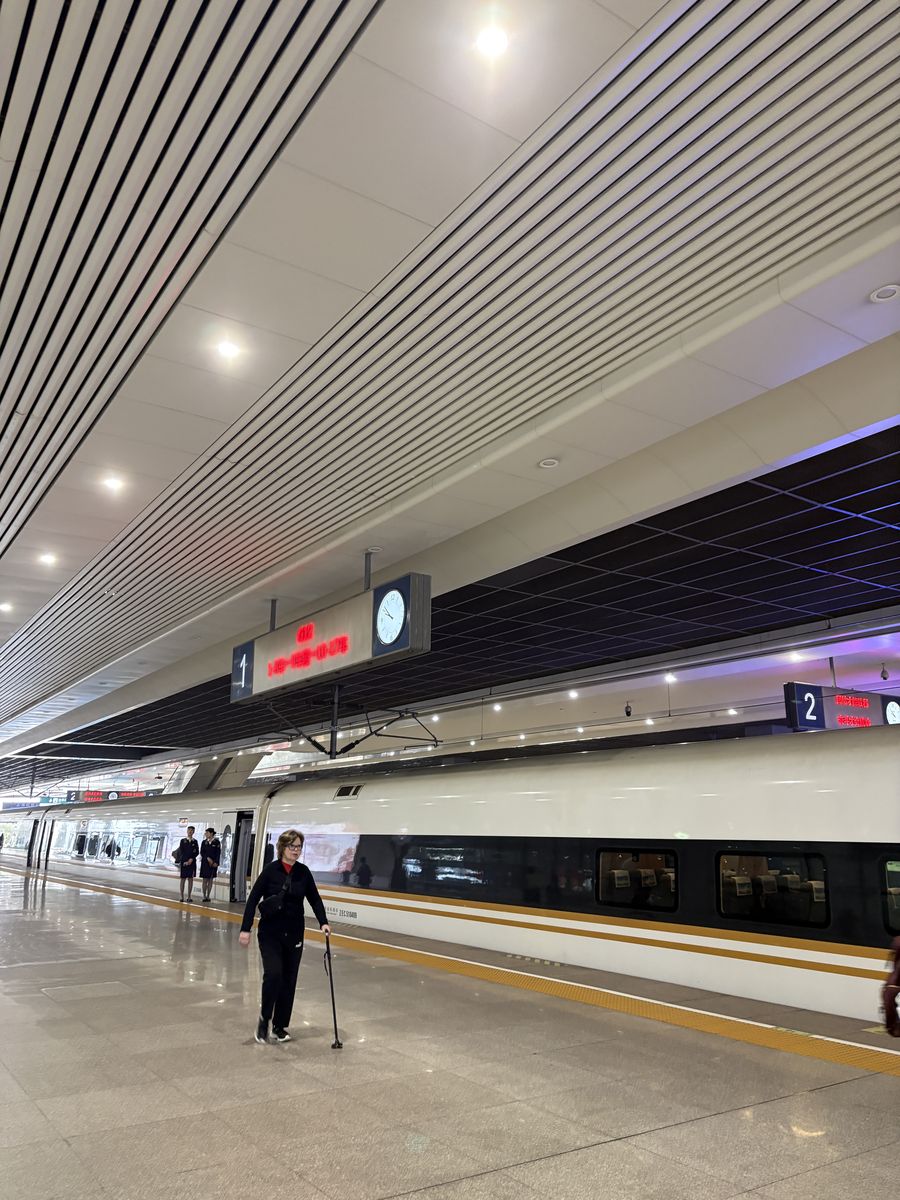
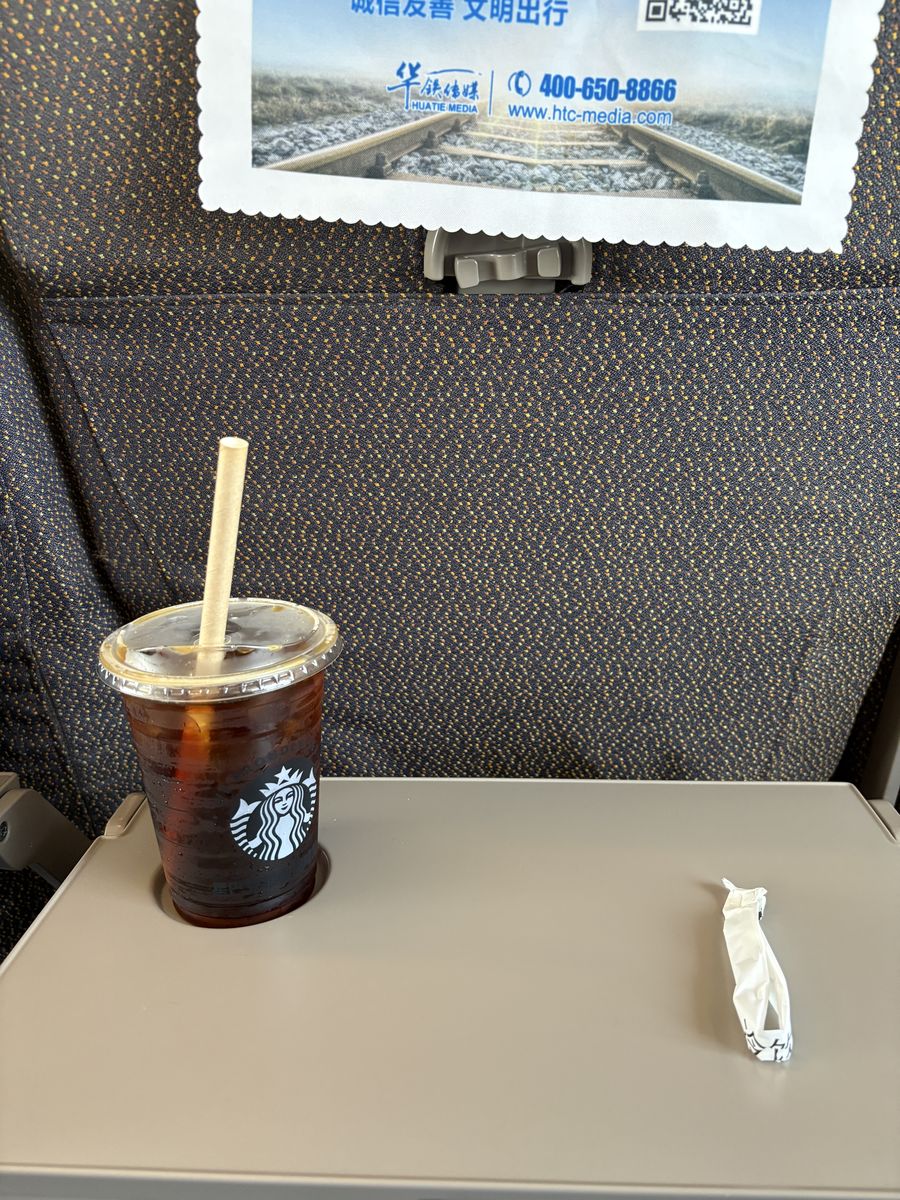
The station is huge and seems here is hub station to go to many cities in China. The train itself was very clean and quiet. Also we can buy foods and drinks by staffs and I ordered ice coffee. It took around 4 hours to Beijing and it was very comfortable trip! Beijing is slightly colder than Shanghai.
Summer Palace
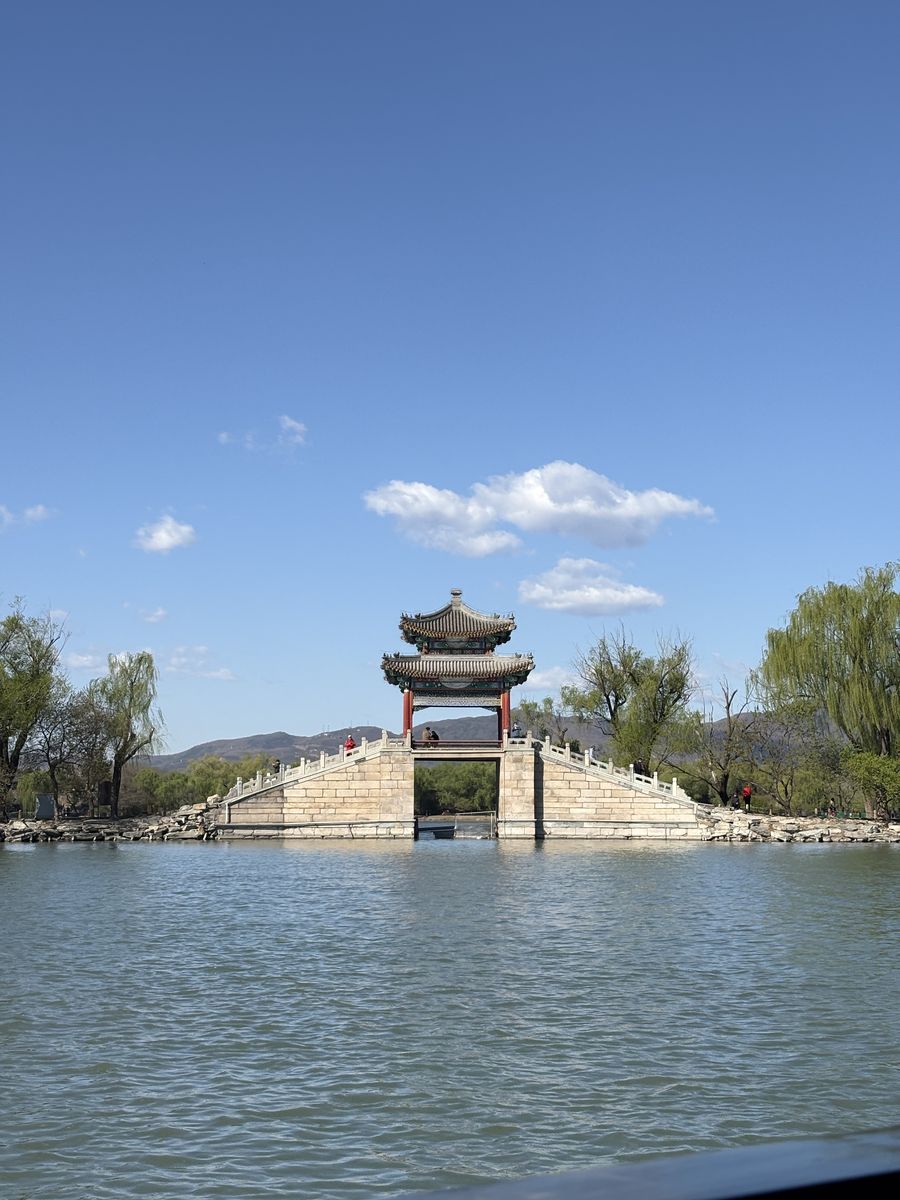
I stayed two nights in Beijing and I spent one day to join a tour to go to Summer Place and The Great Wall. In conclusion, it was actually good decision because it's little bit challenging to collect valuable information for understanding the details and backgrounds but the tour was conducted in English so the tour was more valuable than going by myself. We firstly went to Summer Place. It has nearly 300 years of history and consisted three lakes, palace area and some pagodas. Some parts were ruined due to the war in twenty century but it was amazing overall. The garden is very large and we use a boat to look around the buildings.
The Summer Palace (颐和园) is one of Beijing's most famous imperial gardens, located in the northwestern part of the city. Originally built in 1750 during the Qing Dynasty, it served as a royal retreat where emperors could escape the summer heat of the Forbidden City. The palace is centered around Kunming Lake and Longevity Hill, covering nearly 3 square kilometers — three-quarters of which is water. Highlights include the Long Corridor, a 728-meter covered walkway decorated with thousands of detailed paintings, the Marble Boat, and the Tower of Buddhist Incense perched on top of the hill. The Summer Palace was heavily damaged by foreign forces in 1860 and again in 1900, but was rebuilt by Empress Dowager Cixi, who famously diverted naval funds for its restoration. Today it is a UNESCO World Heritage Site and considered a masterpiece of Chinese landscape garden design, blending natural scenery with traditional architecture.
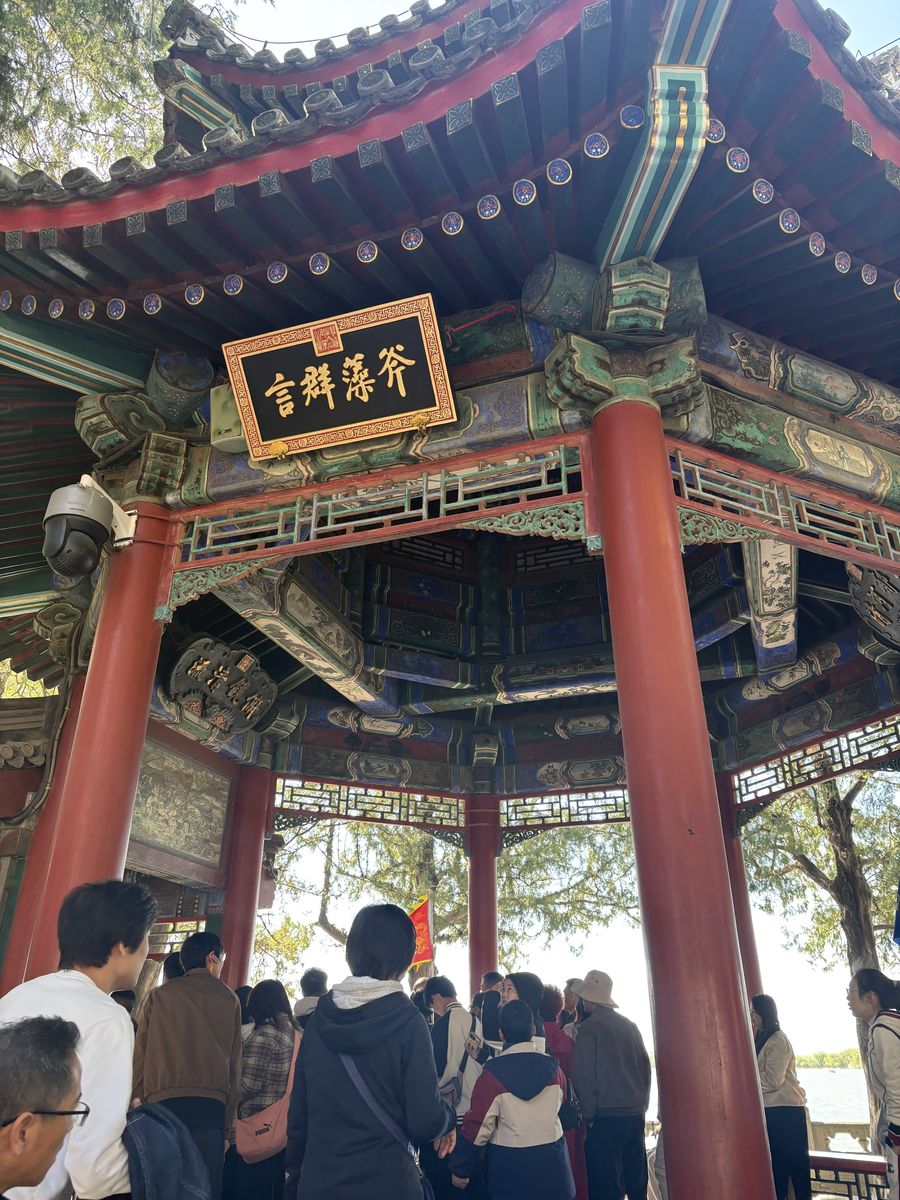
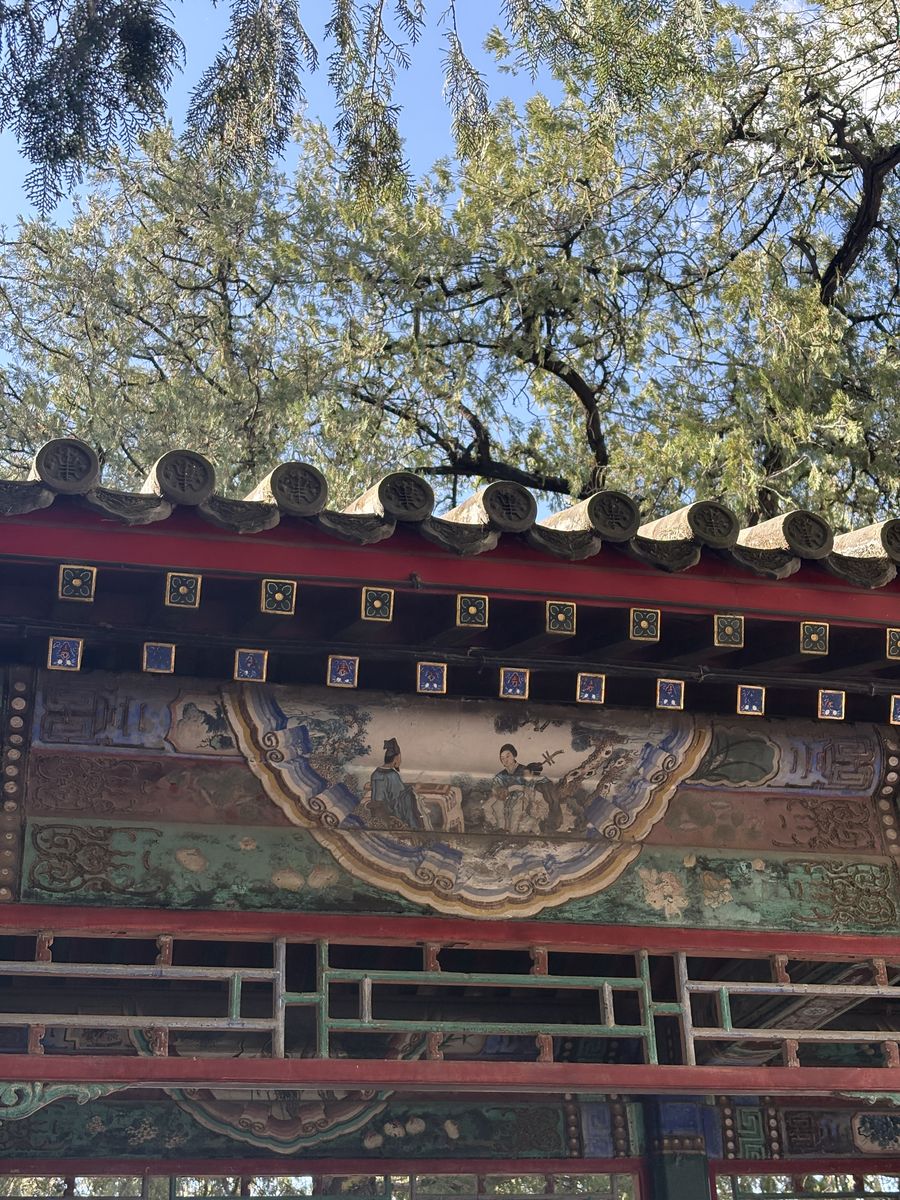
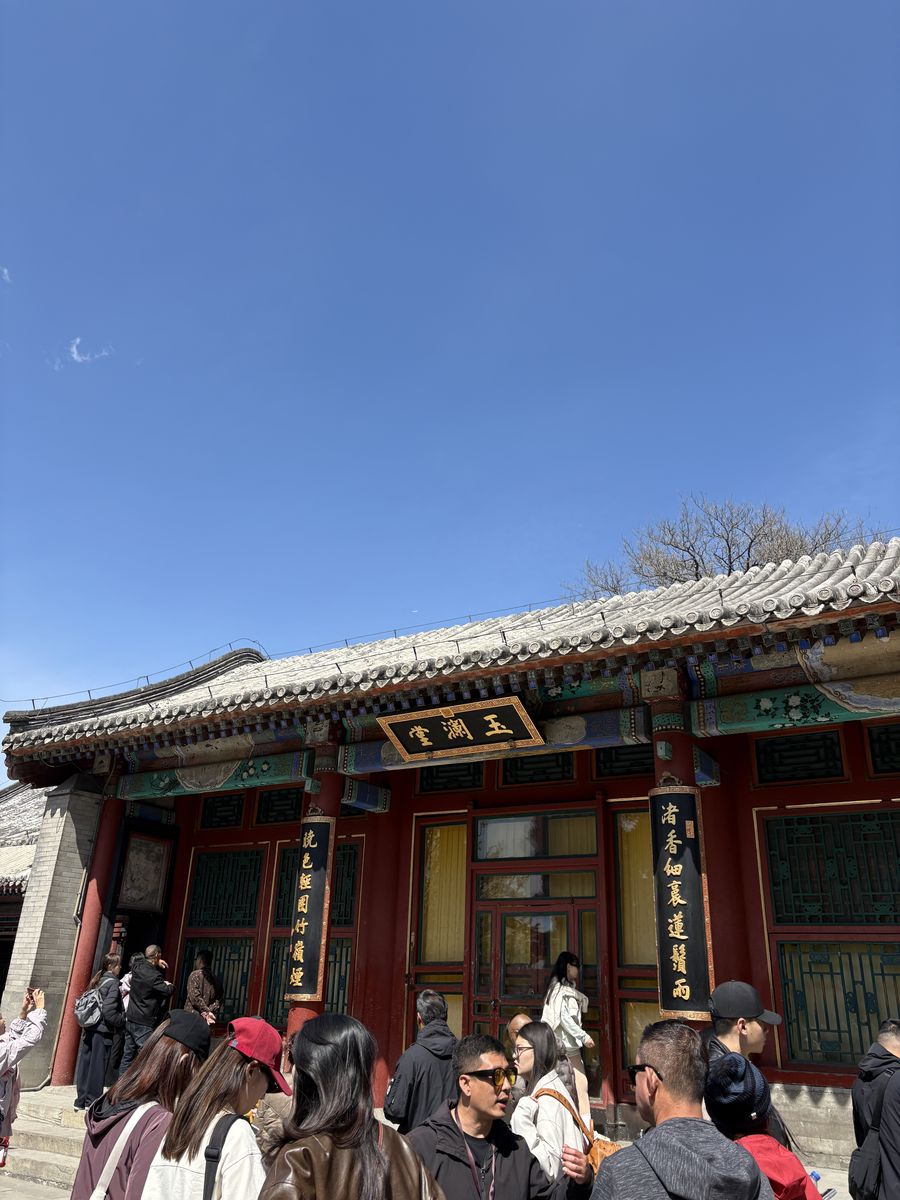
Around the palace area, there is a long corridor which is called "長廊". The point is not only the length but also the design - each part has different design, mostly coming from old fairy tale in China.
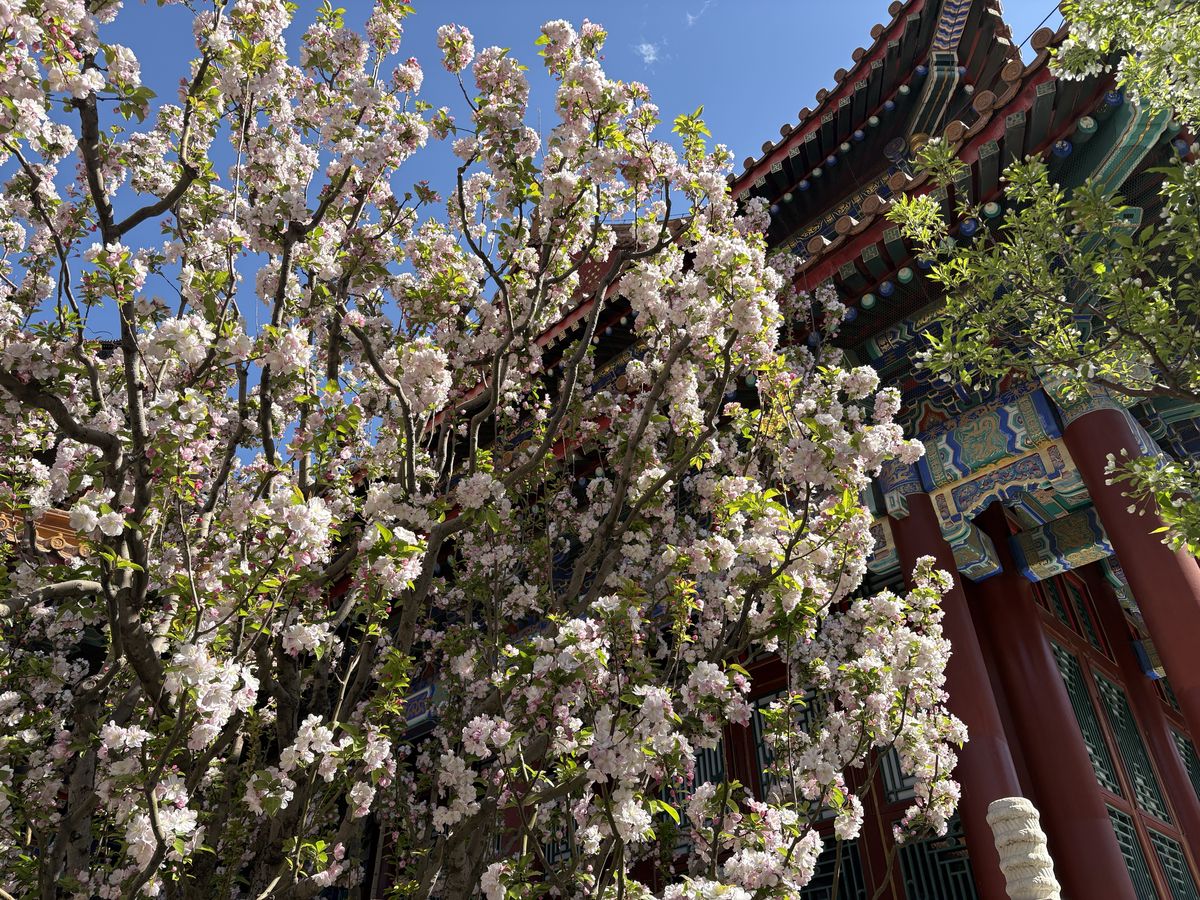
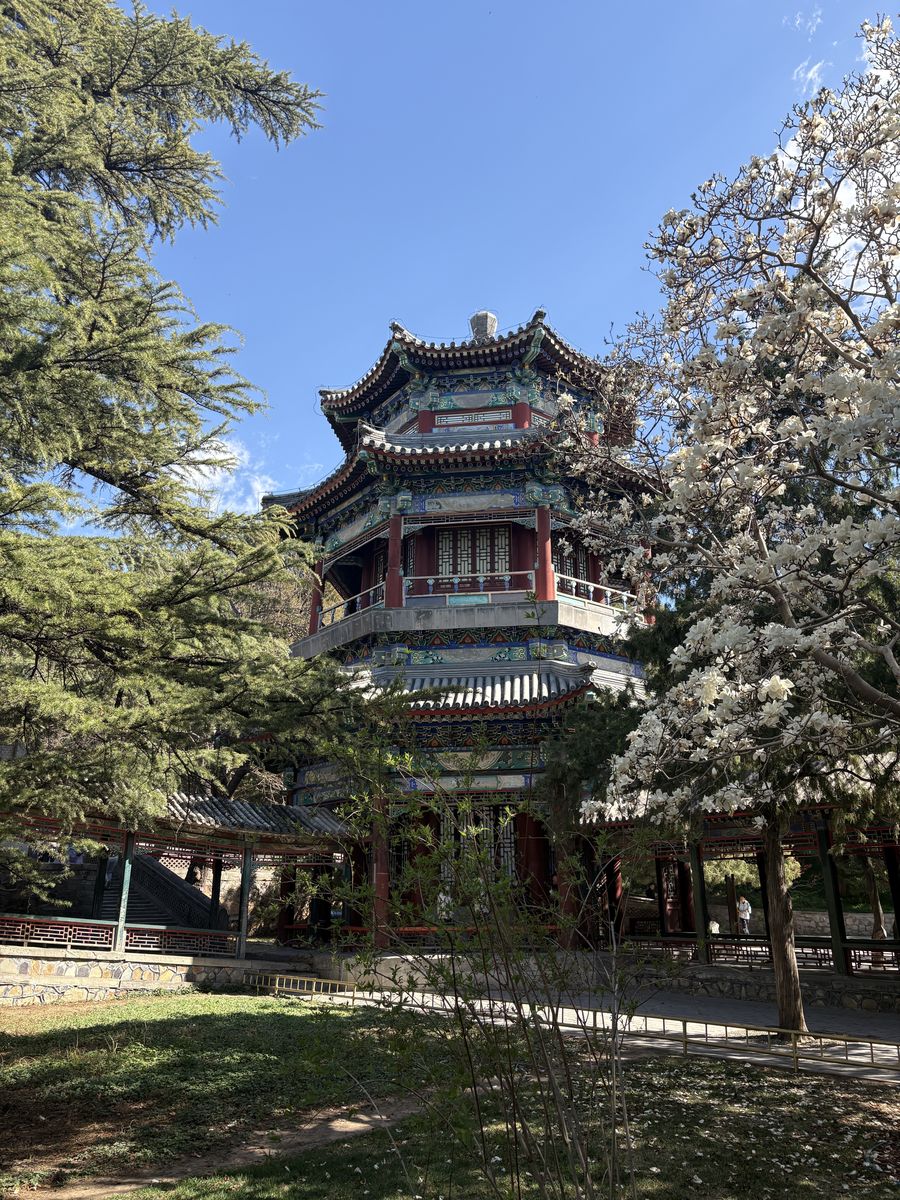
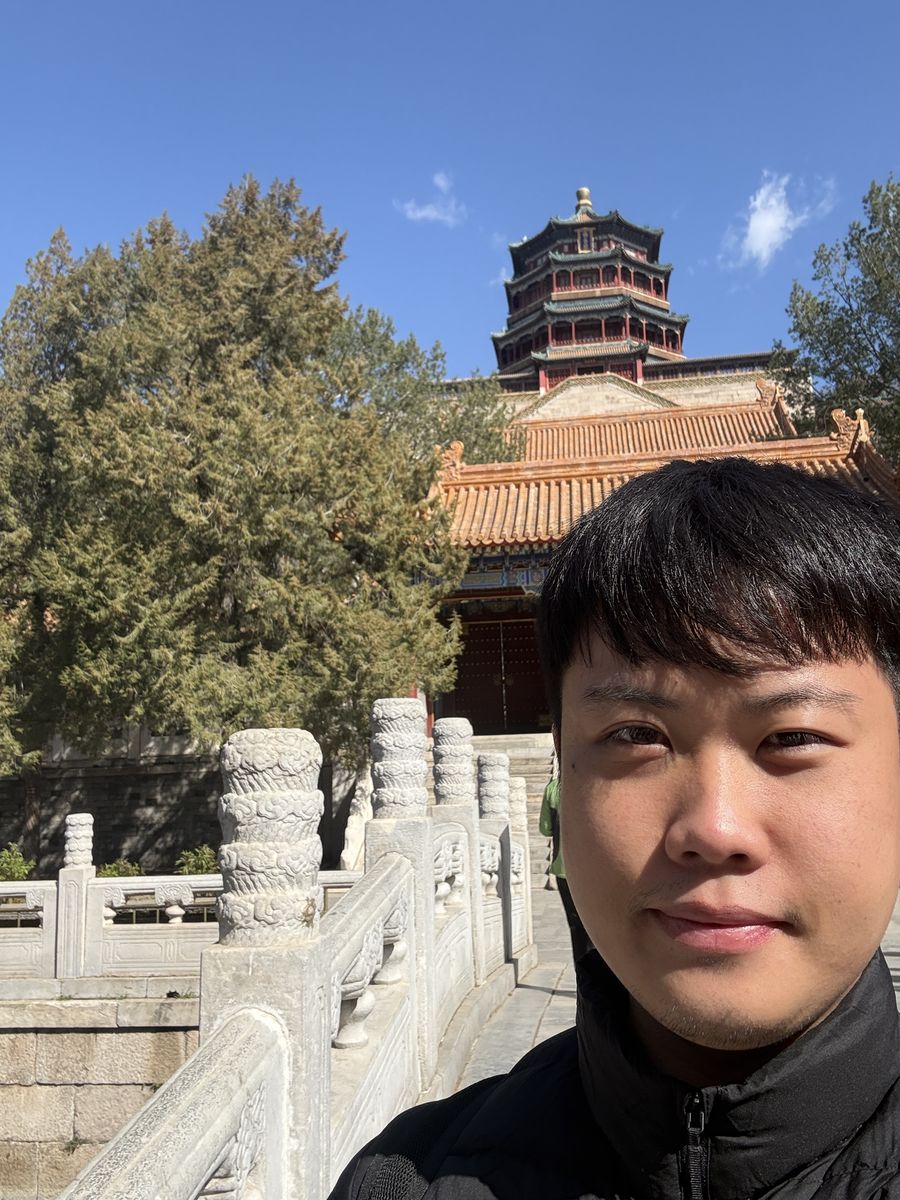
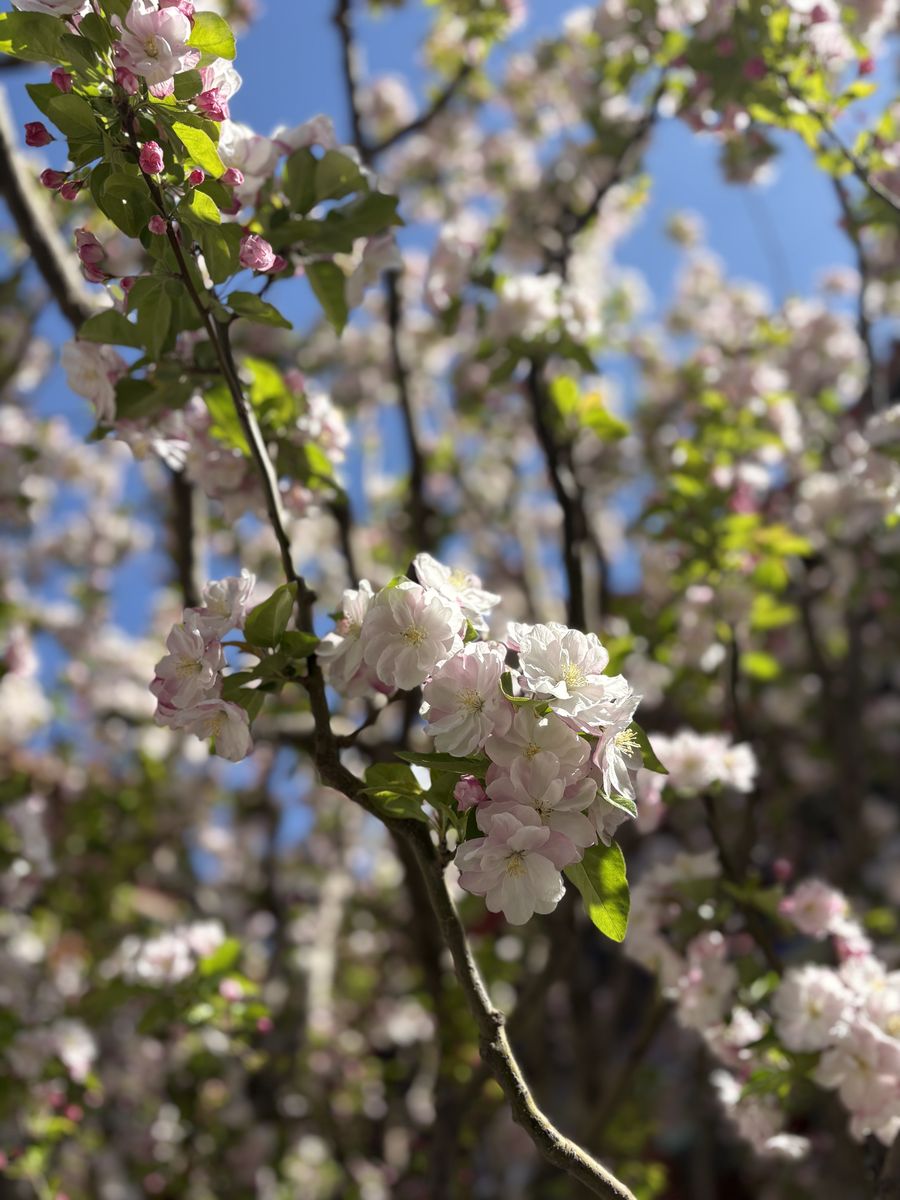
Also, there's a pagoda in this garden - 佛香閣. The statue was also nice but the cherry blossoms were incredibly beautiful, seemed they are just blooming and it was nice timing.
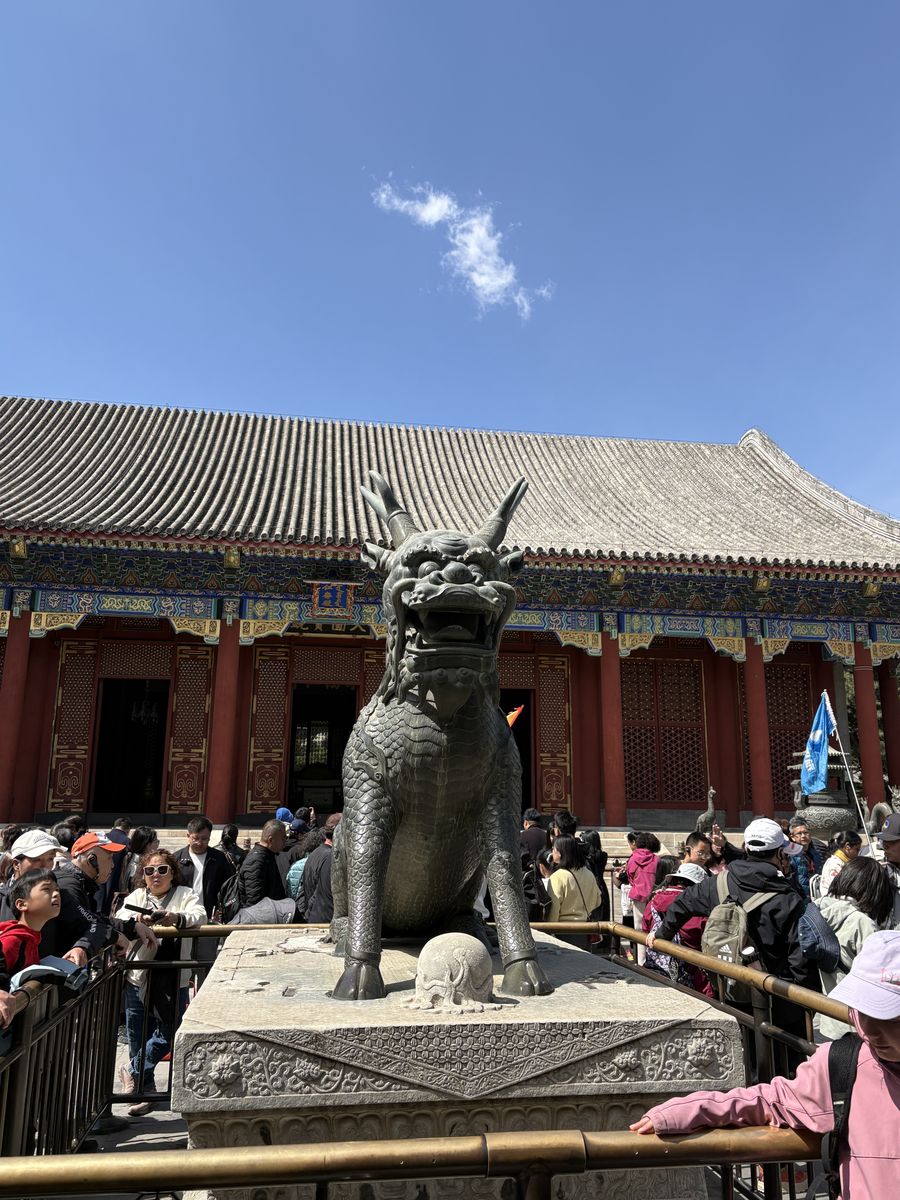
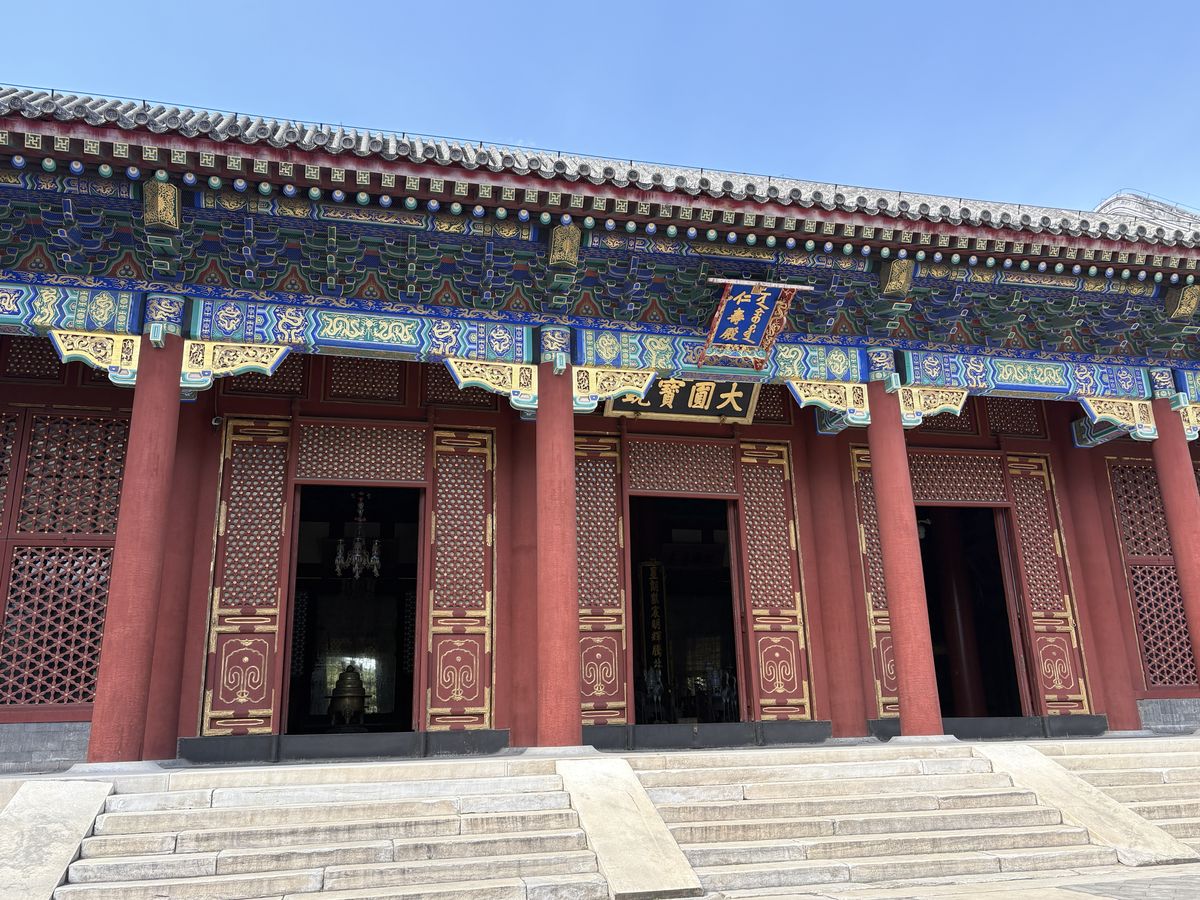
Here is palace area and there was a interesting animal statue in front of the gate. It has dragon head, horse body and some other tale, not sure what this animal means but it looked defense the building from others.
The Great Wall
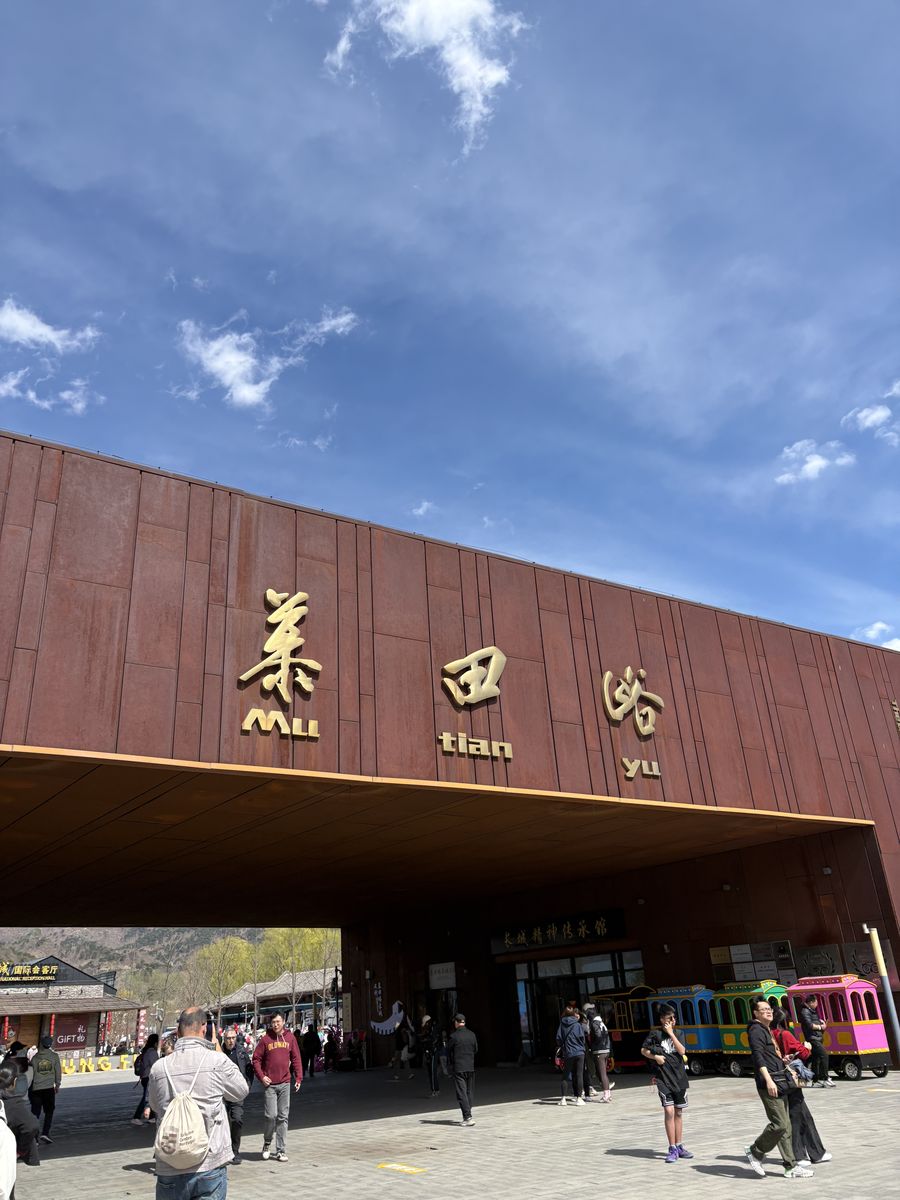
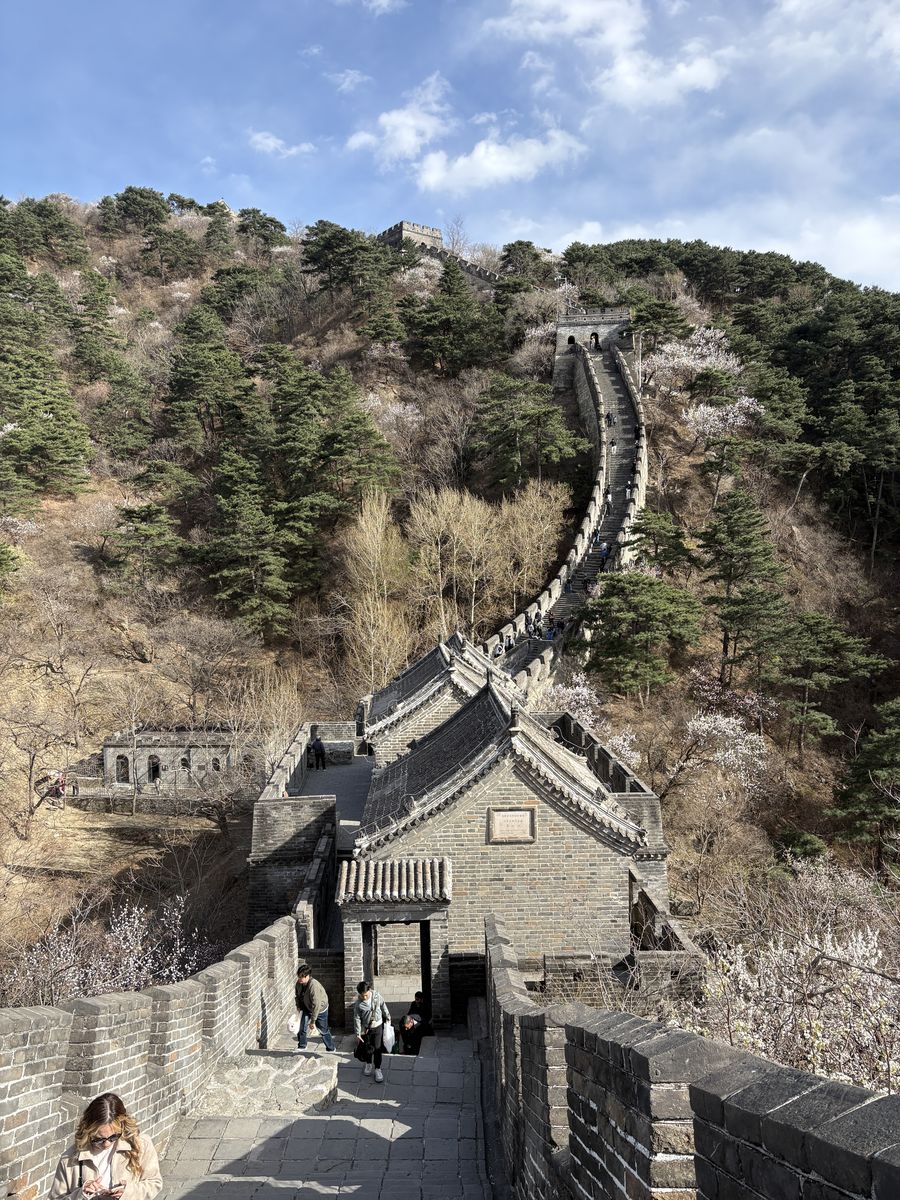
In the afternoon, we headed to the Great Wall, this place is my backet list in this trip. The Great Wall is huge ruins and there are some areas and gates and our group went to Mu Tian Yu area for this time. We initially go there in the morning but it was national holiday and the guide avoided crowd situation.
The Great Wall of China is one of the most iconic landmarks in the world and the largest man-made structure ever built. Stretching over 21,000 kilometers across northern China, it was constructed over many centuries, with the earliest sections dating back to the 7th century BC. Most of the wall we see today was built during the Ming Dynasty (1368–1644). Originally built to protect Chinese states from nomadic invasions from the north, the wall is made up of walls, watchtowers, fortresses, and beacon towers winding through mountains, deserts, and grasslands. Contrary to popular belief, it cannot actually be seen from space with the naked eye. The most popular sections to visit near Beijing are Badaling and Mutianyu. Badaling is the most accessible and most crowded, while Mutianyu offers a more peaceful experience with beautiful restored sections and even a toboggan ride down. The Great Wall was designated a UNESCO World Heritage Site in 1987 and remains a powerful symbol of China's history and engineering ingenuity.
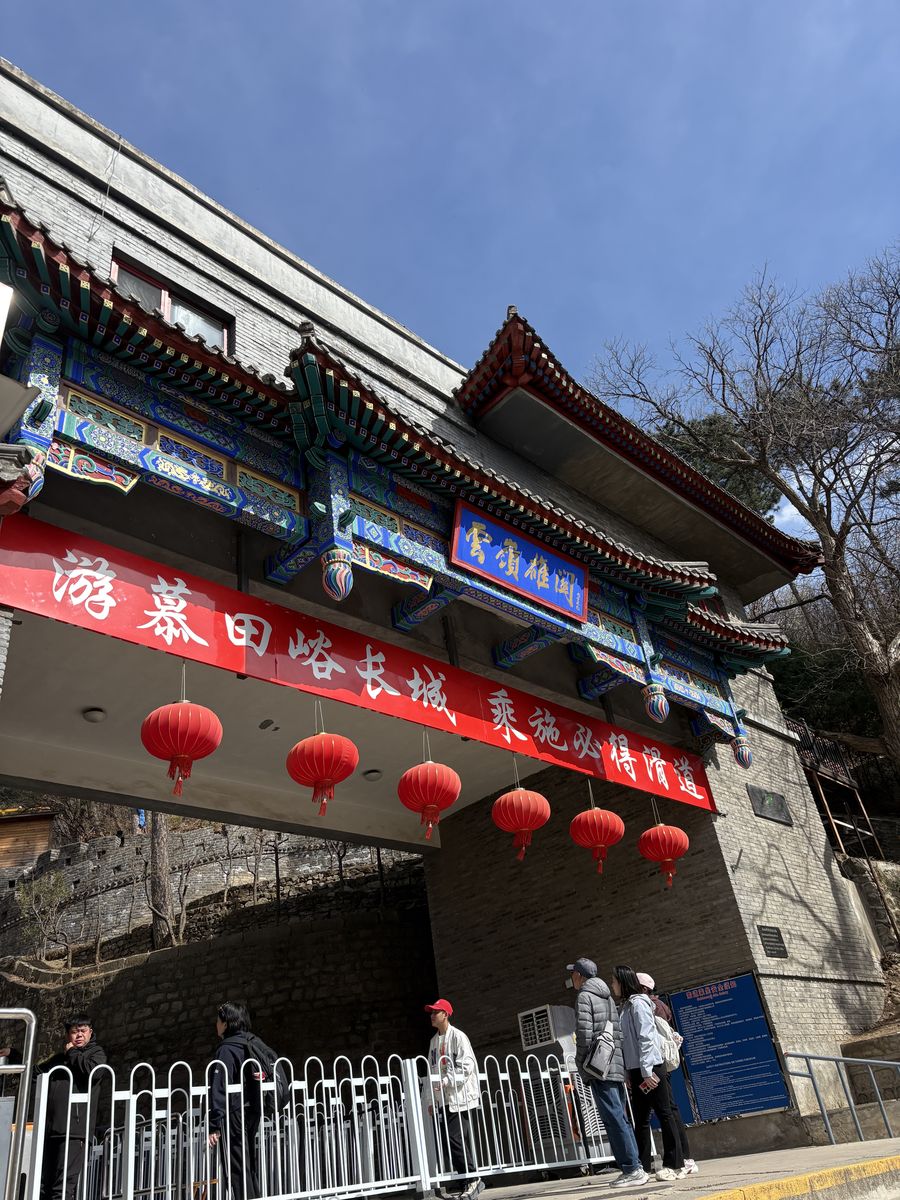
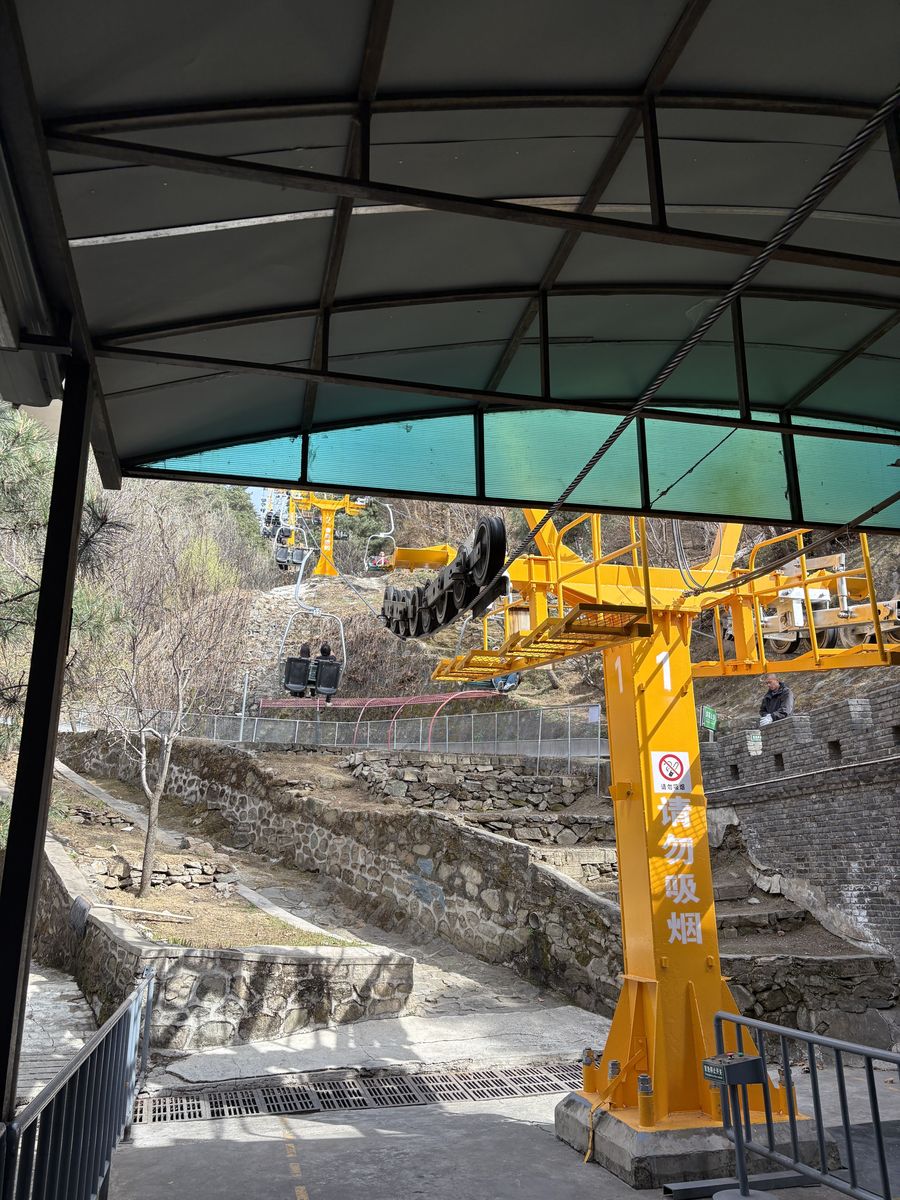
I only walked in just part of them but it was very enough to see the great spots. The stairs are very steep in some spots so I will not able to walk like this once getting older...The combination of the walls and blossoms were super memorable. I will never forget this view in my life!
The trip in China ends now, I'm in Turkey and will post shortly.
Comments
Loading...