Budapest
Budapest
Zagreb to Budapest
From Zagreb to Budapest, it takes about 3.5 hours by bus, and as usual I bought my ticket online. Unfortunately it was raining in both Zagreb and Budapest that day, but the rain eased off by the time I arrived in Budapest. Budapest is the capital of Hungary, and since Hungary is part of the EU, I could cross over from Croatia without a passport check. Croatia uses the Euro, but Hungary uses its own currency called the Hungarian Forint. The bus terminal was a long way from my hostel, so I took the metro — and I noticed there are no ticket gates at the stations. Instead you have to stamp your ticket in a validator every time, or you'll end up paying a hefty fine.
A Quick History
To make this trip more meaningful, I felt I couldn't skip learning a bit about Hungary's history.
First of all, the Hungarian people have a unique history and don't fit into any other European ethnic group — they are called Magyars. The Magyars arrived in Hungary around the 9th century and built their own distinct culture here, which is also why the Hungarian language is so isolated from other European languages. After that, Saint Stephen of Hungary, the country's first king, was crowned by the Pope around 1000–1001; he united the Magyar tribes and converted the country to Christianity — which is why Hungary wasn't influenced by the Orthodox tradition that dominates much of Eastern Europe.
However, Hungary was invaded by the Ottoman Empire in the 16th century and the country was divided into three parts. The Ottoman period brought new cultural elements that still shape Hungary today — that's also why Budapest has so many hot springs. After the Ottomans, the Habsburgs ruled Hungary for centuries and had a huge influence, helping the country flourish. Most of the major landmarks like the Hungarian Parliament and St. Stephen's Basilica were built during this era.
Landmarks in Budapest
Originally I'd planned to stay in Budapest for three days, but after just one day I decided to extend my stay because the vibe in this town felt so nice and welcoming. In the end I spent five nights in total and packed in as many sights as I could.
Heroes' Square (Hősök tere) is the largest and most iconic square in Budapest, laid out in 1896 to mark the millennium of the Magyar conquest of the Carpathian Basin. Its centerpiece is the Millennium Monument — a 36-meter column topped by the Archangel Gabriel and flanked at its base by mounted statues of the Seven Chieftains who led the Magyars into present-day Hungary. Behind the column, two curved colonnades display fourteen statues of the most important figures in Hungarian history, from kings and princes to revolutionary leaders. Flanked by the Museum of Fine Arts and the Hall of Art at the end of grand Andrássy Avenue, the square is part of a UNESCO World Heritage Site and remains the symbolic heart of Hungarian national identity.
Buda Castle (Budavári Palota) is the historic royal palace of the Hungarian kings, perched atop Castle Hill on the western bank of the Danube. First built in 1265 by King Béla IV in the aftermath of the Mongol invasion, it was later expanded under King Matthias Corvinus into one of the great Renaissance courts of Europe, only to be repeatedly devastated through Ottoman occupation, Habsburg sieges, and the Second World War. The current Baroque palace, painstakingly rebuilt in the postwar era, now houses the Hungarian National Gallery, the Budapest History Museum, and the National Széchényi Library. Together with the cobbled streets and Gothic churches of the surrounding Castle Quarter, it forms part of a UNESCO World Heritage Site and offers some of the finest views over Pest and the Danube.
The Citadella is a 19th-century fortress crowning Gellért Hill, 235 meters above the Danube, with what may be the finest panoramic view of all Budapest. Built by the Habsburgs in 1851 to keep watch over the city after the failed Hungarian Revolution of 1848, it was designed as an instrument of intimidation rather than defense, with thick walls and cannons trained squarely on the streets below. Just behind the fortress stands the towering Liberty Statue (Szabadság-szobor), erected in 1947 to commemorate the Soviet liberation of Hungary and later reinterpreted as a general monument to freedom. Together with Gellért Hill and its surrounding parks, the Citadella forms part of Budapest's UNESCO World Heritage Site and remains one of the most iconic vantage points in Central Europe.
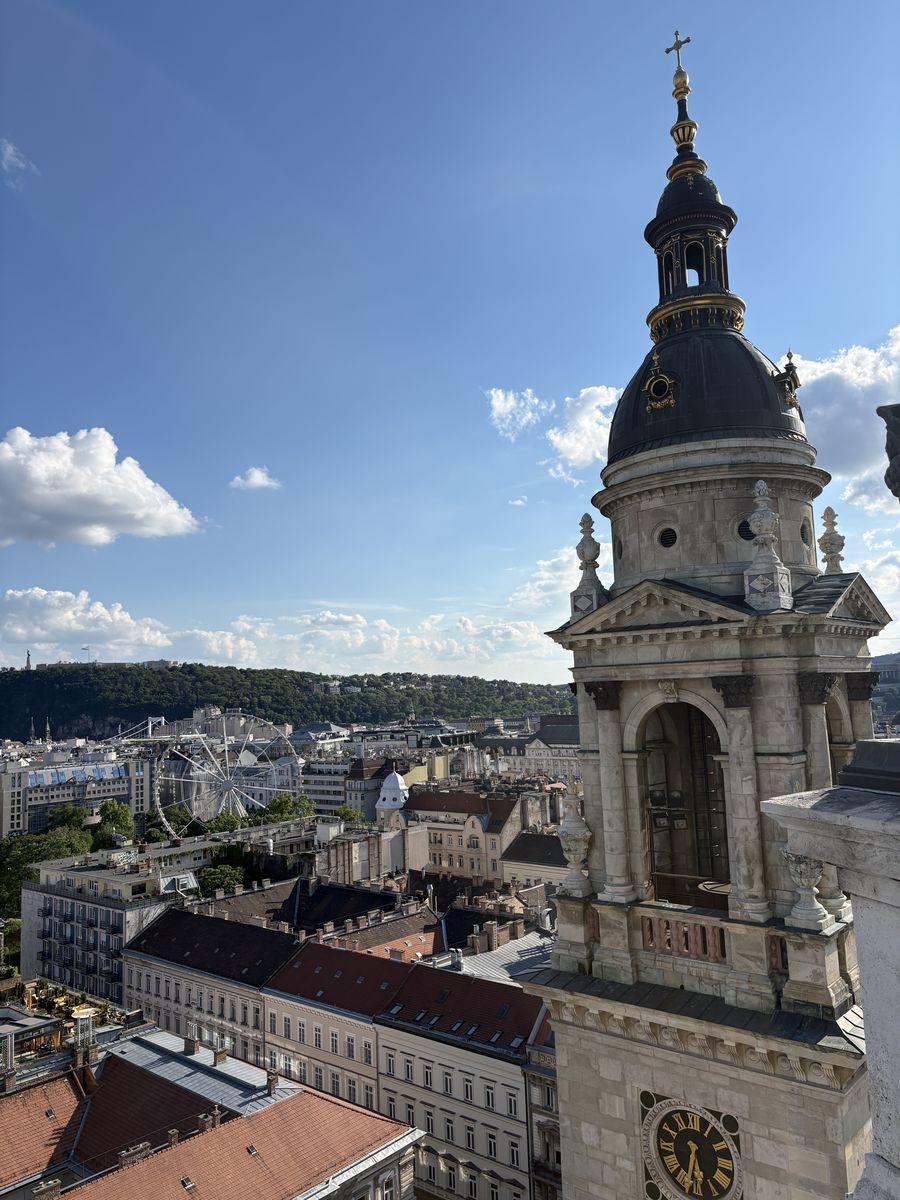
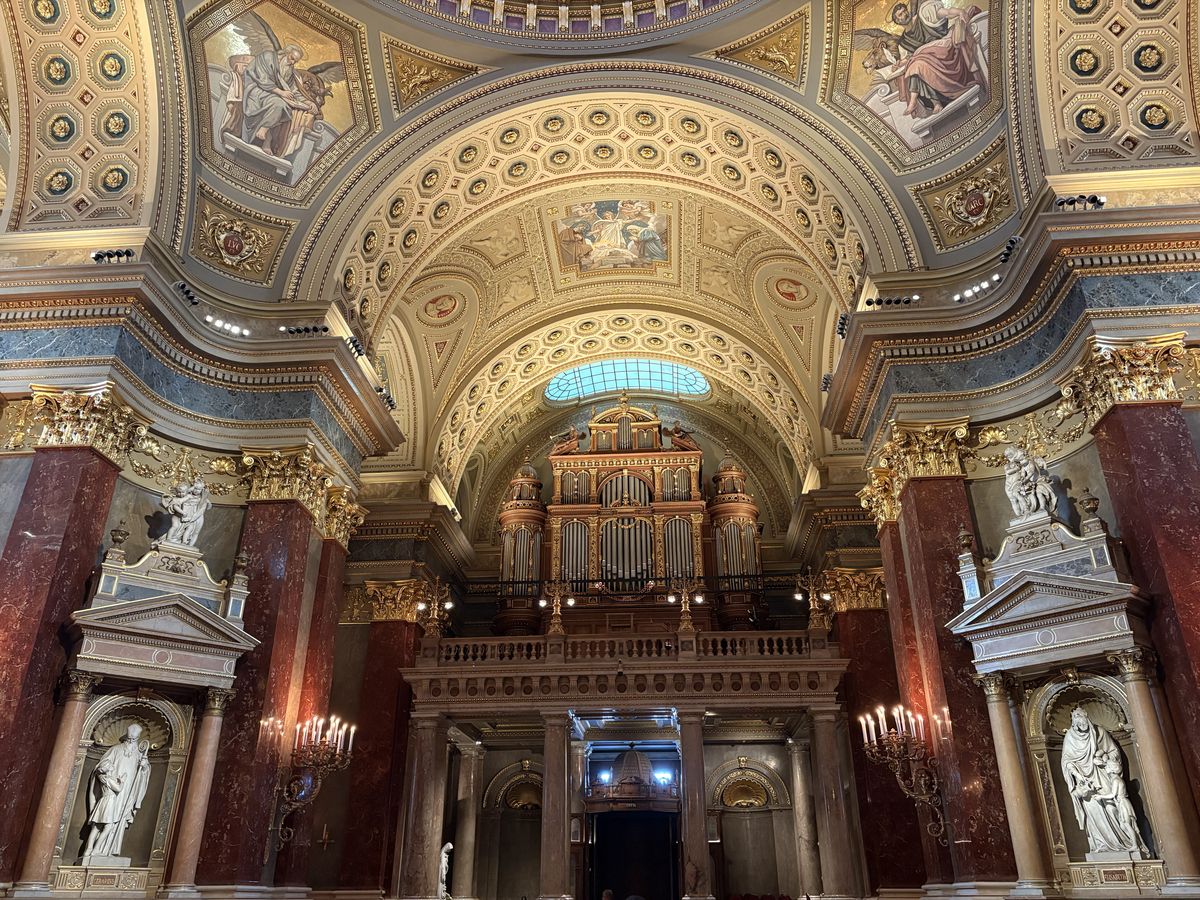
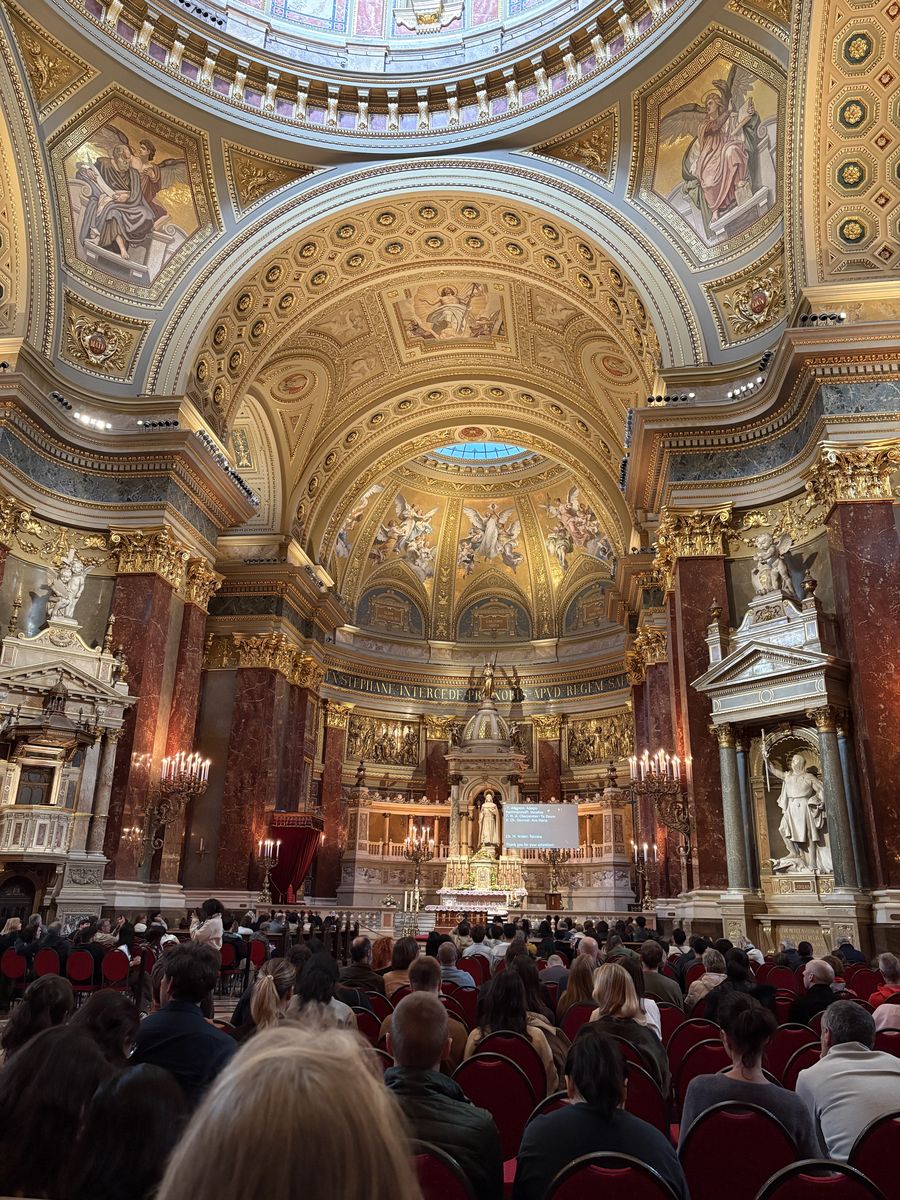
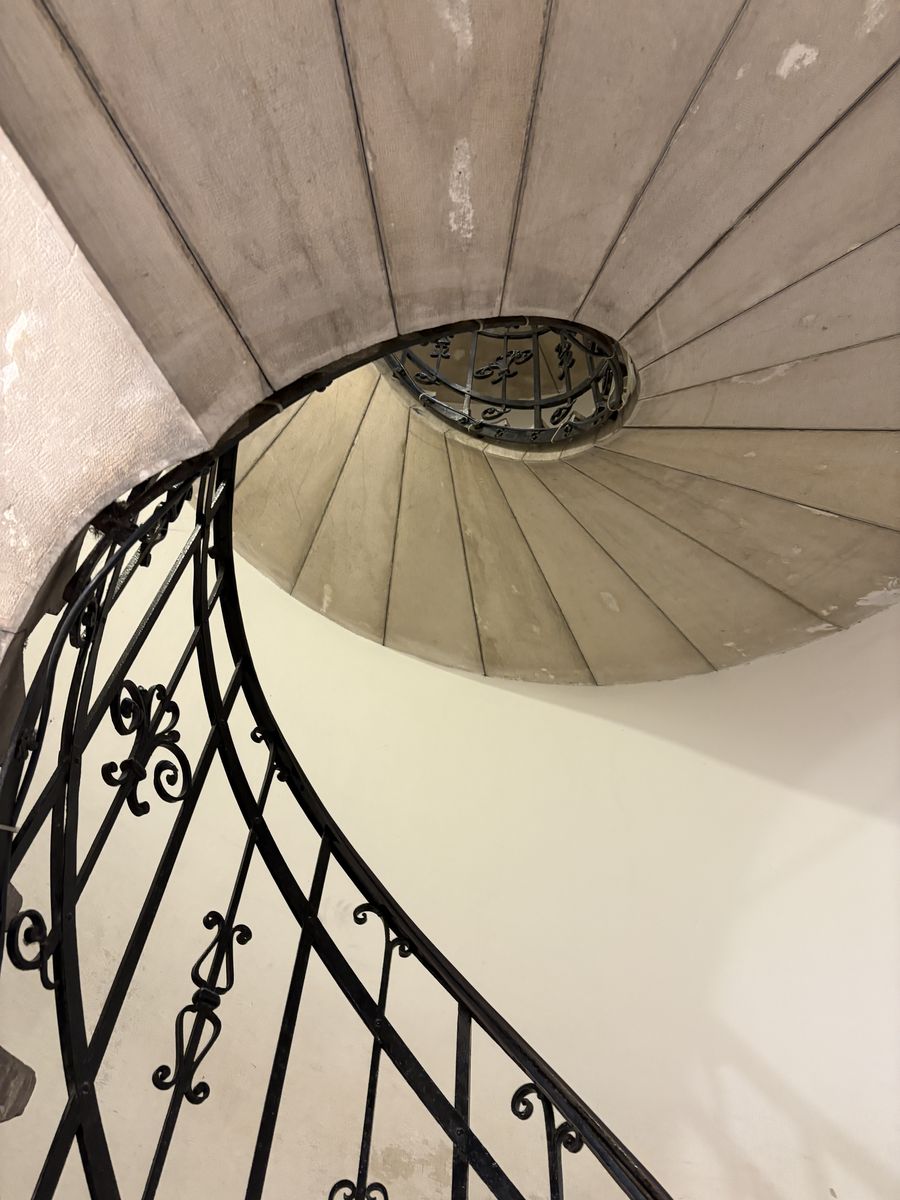
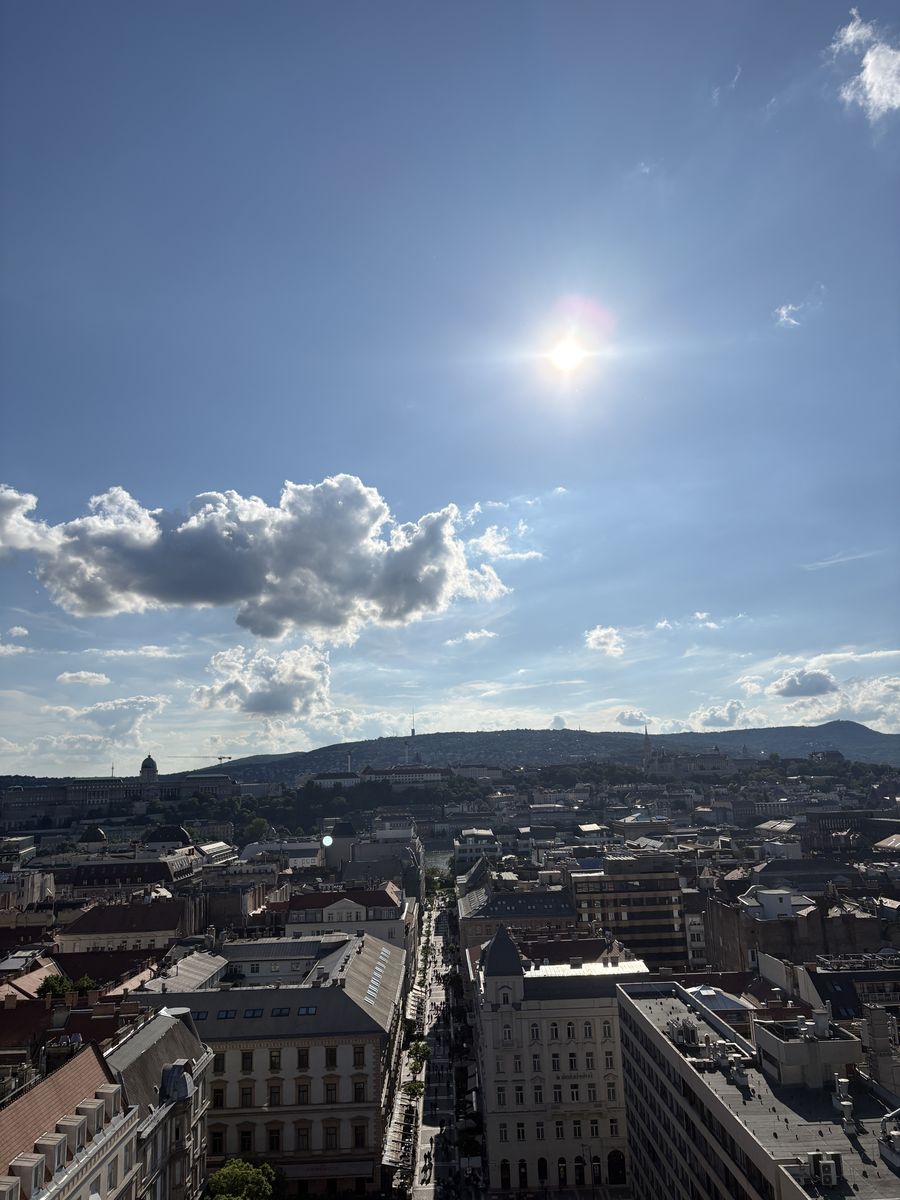
The best place I visited in Budapest was Szent István Bazilika, the largest church in the city, where I went to listen to an organ concert. This church was built in the 19th century, when Hungary was at its peak. A huge organ at the back filled the whole space with sound, and it was incredibly beautiful. Afterwards I also climbed up to the rooftop and took in the view of the whole city.
Vietnamese community in Budapest
Another thing that surprised me about this city was the Vietnamese community. I learned that many Vietnamese people came to Hungary during the 1980s and 90s, and around 5,000 of them now live in Budapest — I easily spotted more than ten Vietnamese restaurants around the city. I'd been missing rice so badly that I tried a few of them and enjoyed proper Asian meals for the first time in a while.
Budapest was exactly the kind of European city I had always pictured in my mind!
Comments
Loading...