Vienna
Vienna
Budapest to Vienna
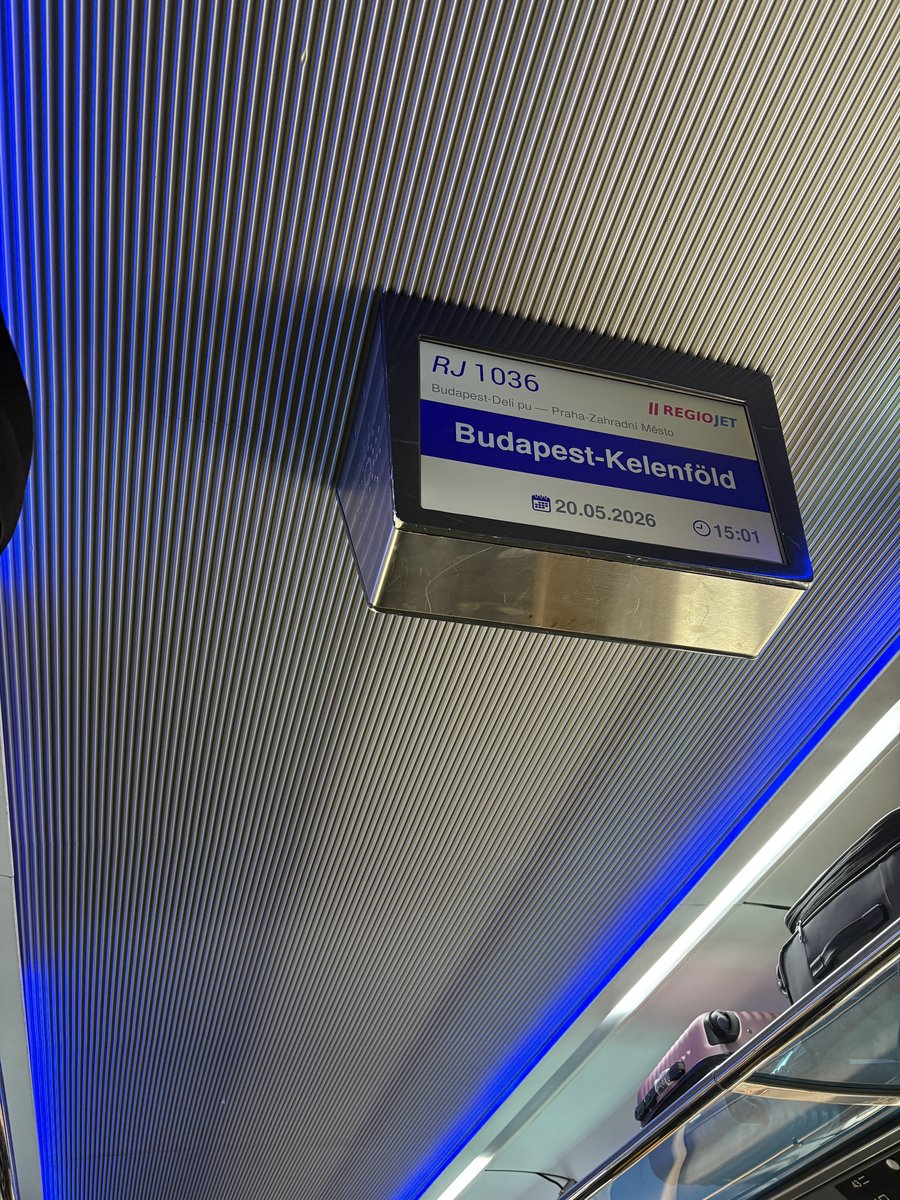
After a change of plans, I skipped Slovakia and headed directly to Vienna, the capital of Austria. I'd booked my original ticket from Budapest to Slovakia through "REGIOJET" — the biggest private train company in Central Europe — but luckily their tickets are cancellable up to 15 minutes before departure. Budapest to Vienna takes around 3 hours by train, and the seats were quite comfortable.
Vienna is elegant
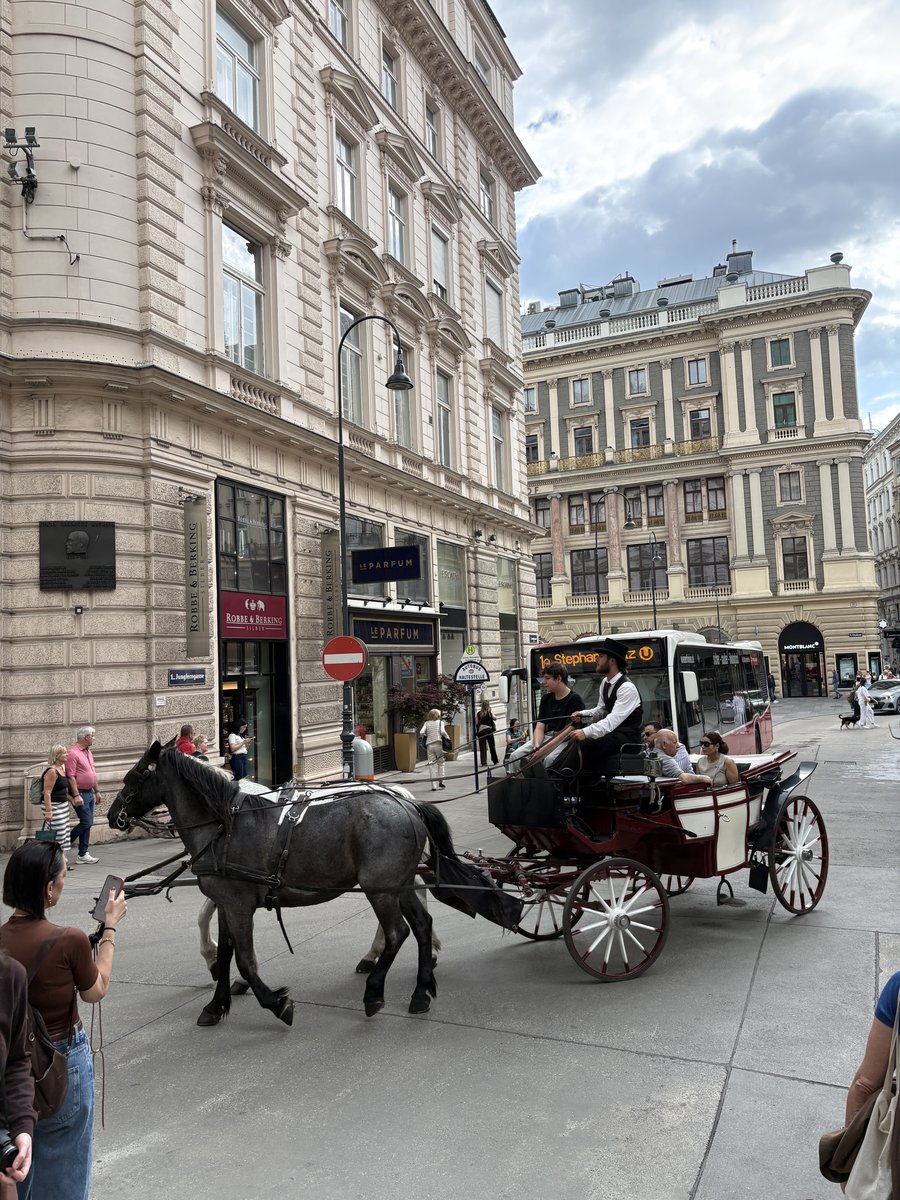
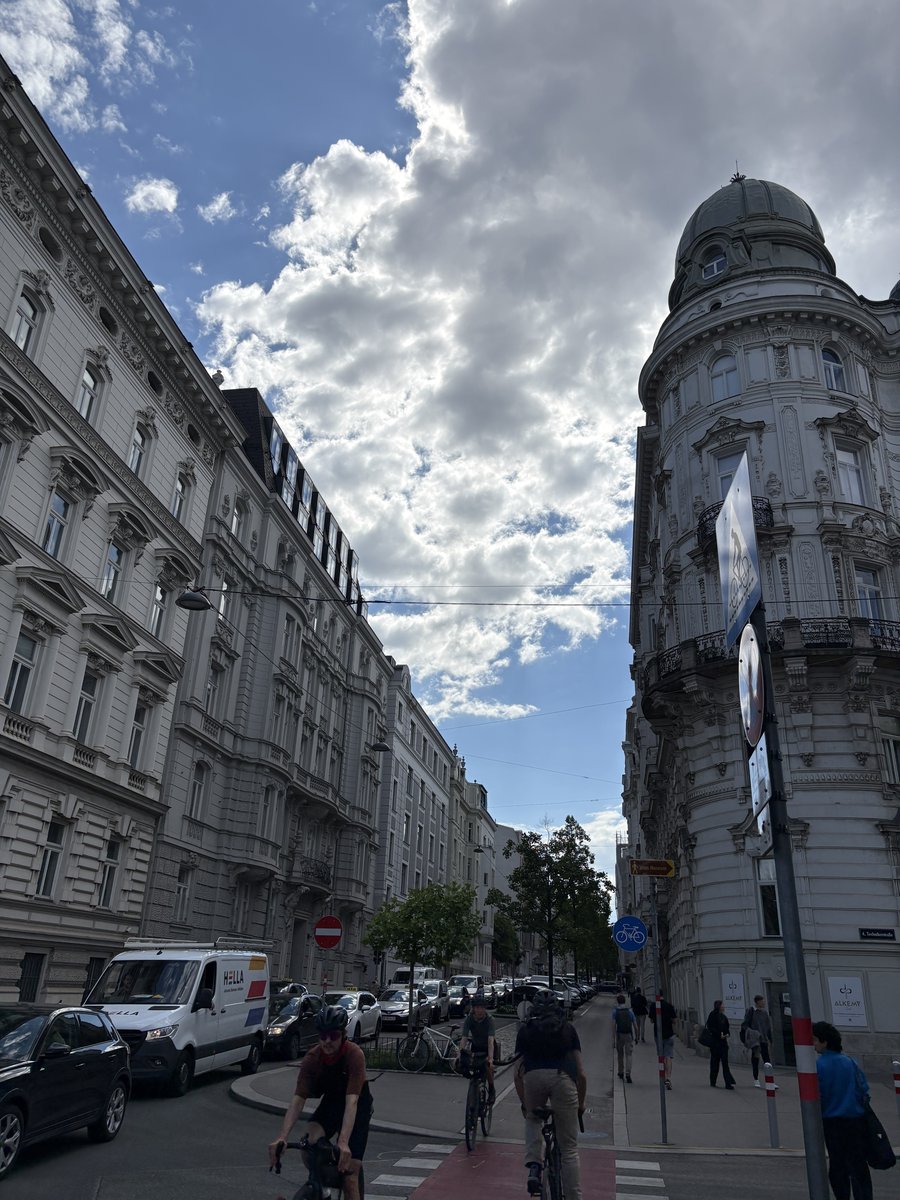
Most of the famous spots in Vienna were built during the Habsburg era — the dynasty ruled Austria for over 500 years, and the culture they shaped during that time still forms the core of the city today. Every building I saw in Vienna felt gorgeous and elegant. Vienna is also closely associated with Mozart, and I came across his portraits all over the city.
I stayed in Vienna for three days and visited some of the must-see places:
1. The Hofburg
The Hofburg is the vast imperial palace at the heart of Vienna and was the principal winter residence of the Habsburg dynasty for over six centuries. Expanded continually from the 13th century onward, its 18 wings and 2,600 rooms trace the architectural history of Central Europe from Gothic to Baroque to Neoclassical. Today it houses the Imperial Apartments, the Imperial Treasury — home to the Crown of the Holy Roman Empire — the Spanish Riding School, and the Austrian National Library, and still serves as the official residence of the Austrian President.
2. Schönbrunn Palace
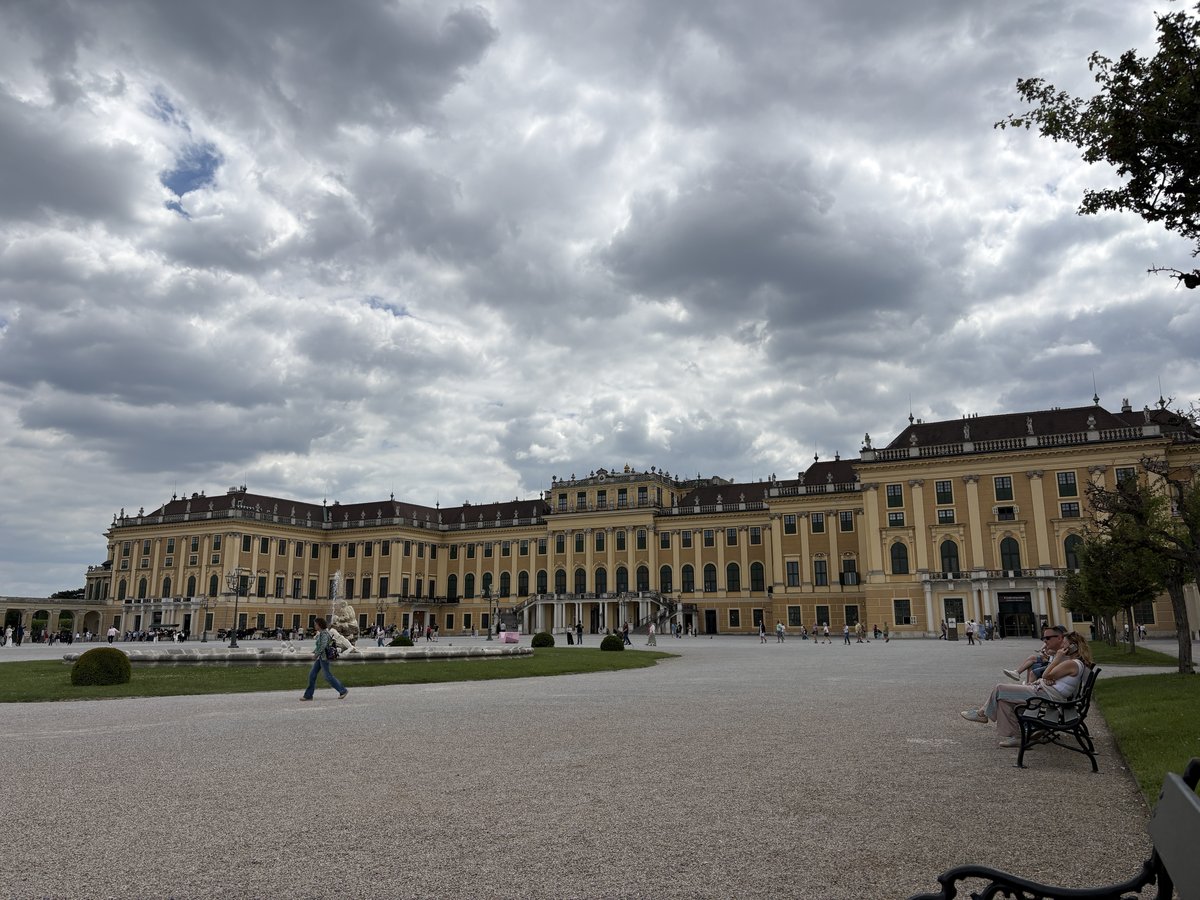
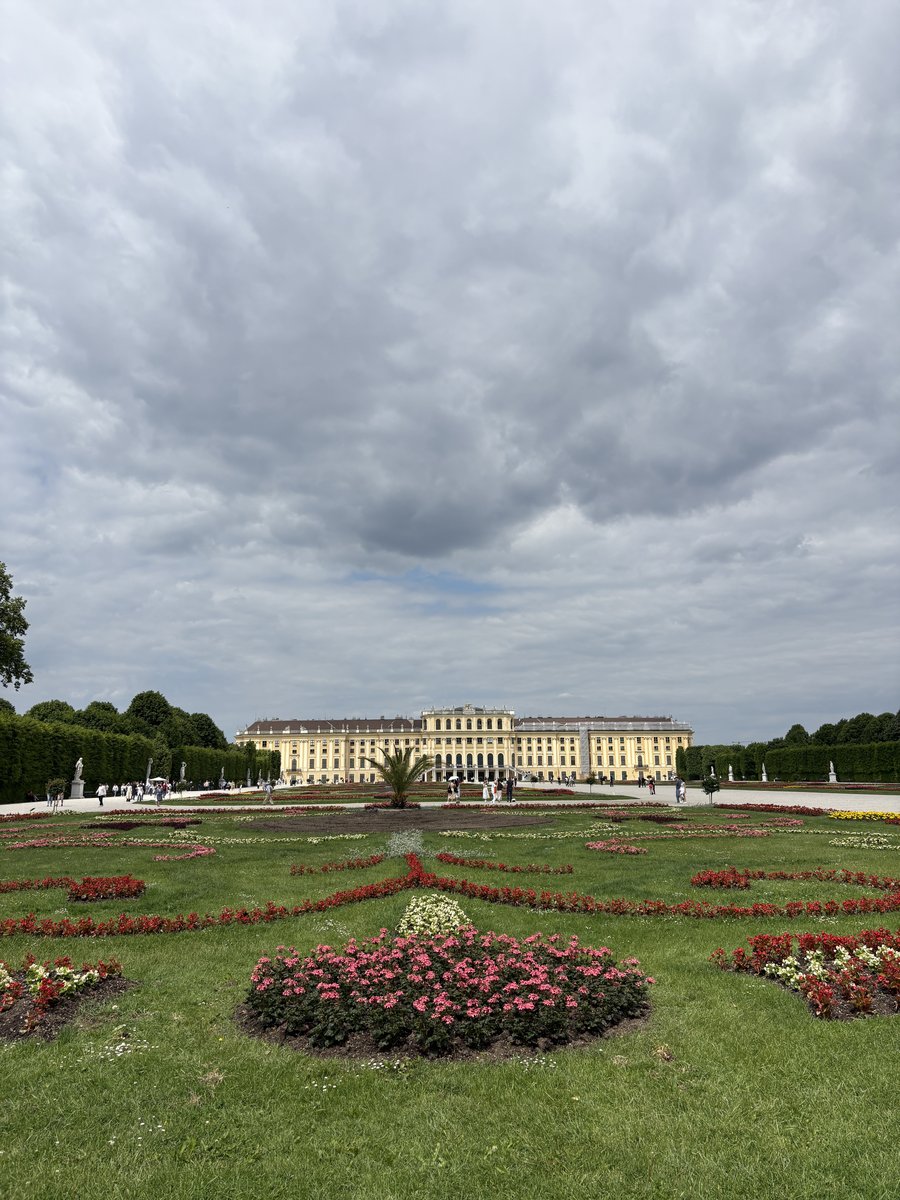
Schönbrunn Palace is the vast Baroque summer residence of the Habsburg dynasty, set in extensive landscaped gardens on the western edge of Vienna. Completed in its current form under Empress Maria Theresa in the mid-18th century, its 1,441 rooms have witnessed centuries of imperial history — from a six-year-old Mozart performing for the empress, to Napoleon's brief occupation, to the birth and death of Emperor Franz Joseph I. Together with its formal gardens, the Gloriette hilltop monument, and the world's oldest zoo (founded in 1752), Schönbrunn is a UNESCO World Heritage Site and remains one of Europe's most visited palaces.
This was the biggest palace I'd ever seen — enough on its own to make you feel just how wealthy the Habsburgs were. And not only the palace itself, but the gardens behind it were also on a massive scale.
3. The Belvedere
The Belvedere is a Baroque palace complex in Vienna, built in the early 18th century as the summer residence of Prince Eugene of Savoy, the celebrated general who defended the city against the Ottomans. Designed by Johann Lukas von Hildebrandt, its twin palaces — the Upper and Lower Belvedere — are linked by an elaborate formal garden that descends toward the Vienna skyline. Today it houses the Austrian Gallery, best known as the home of Gustav Klimt's "The Kiss" and the world's largest collection of his works, alongside masterpieces by Schiele, Kokoschka, and the French Impressionists.
This was the best place I visited in Vienna. I bought a ticket and walked around inside, and the interior was exactly the kind of fairy-tale European palace I had always imagined.
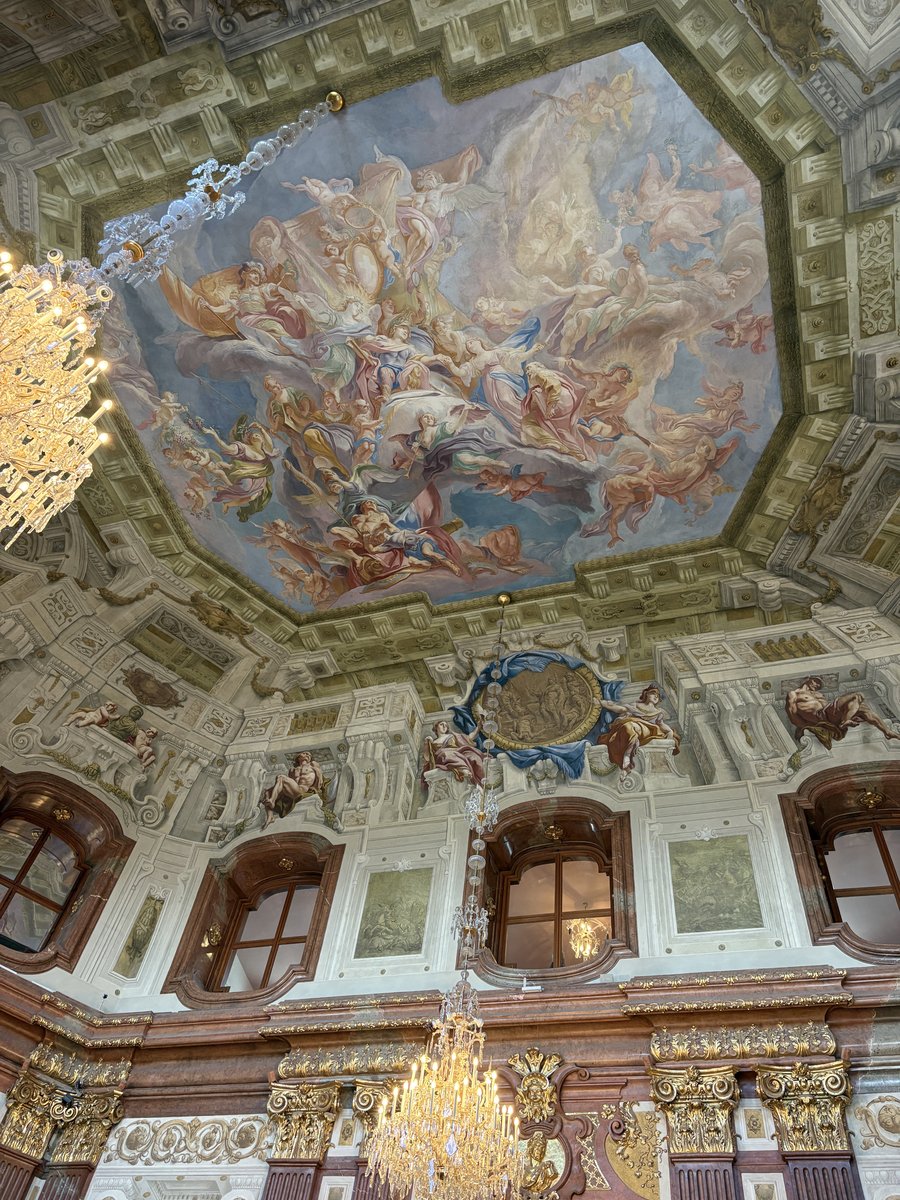
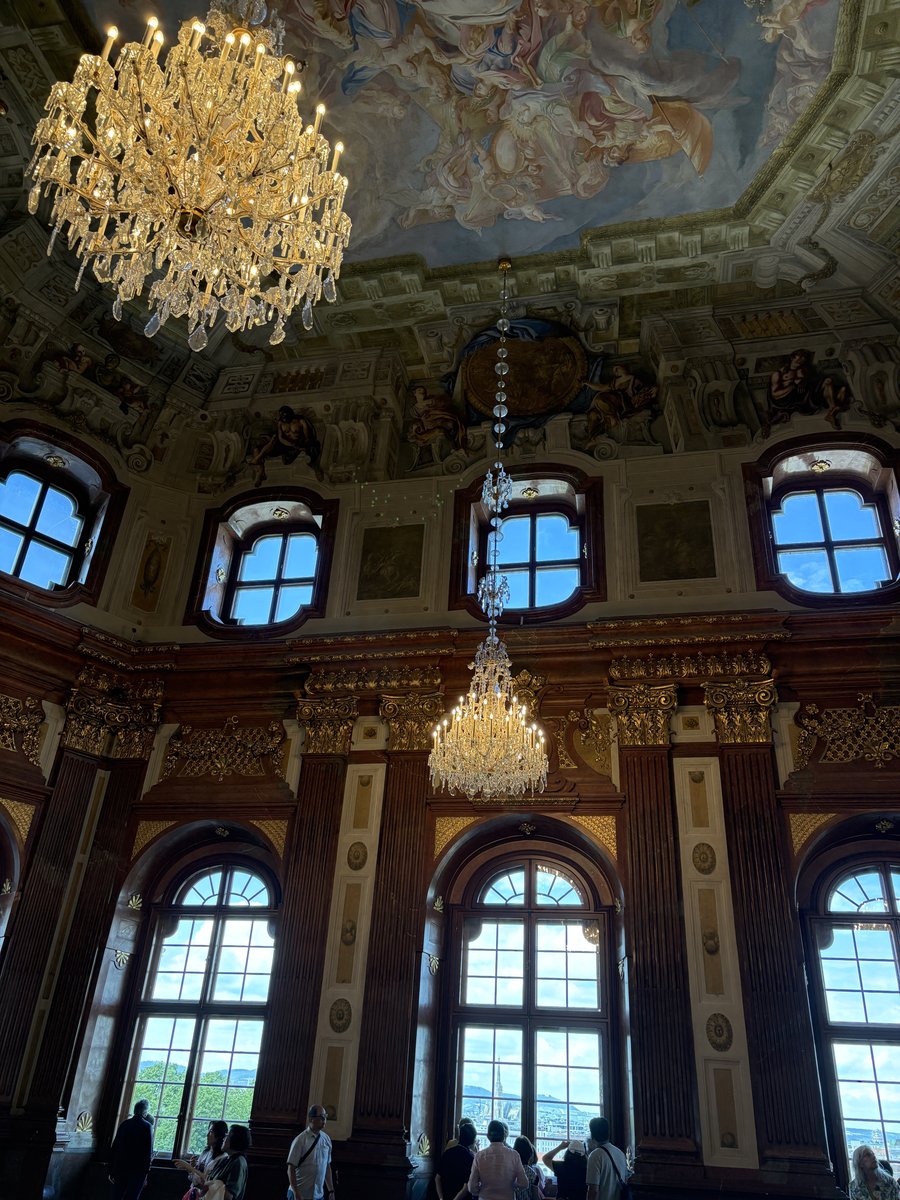
Many paintings are housed in this palace, and I also came across some works by artists I recognized.
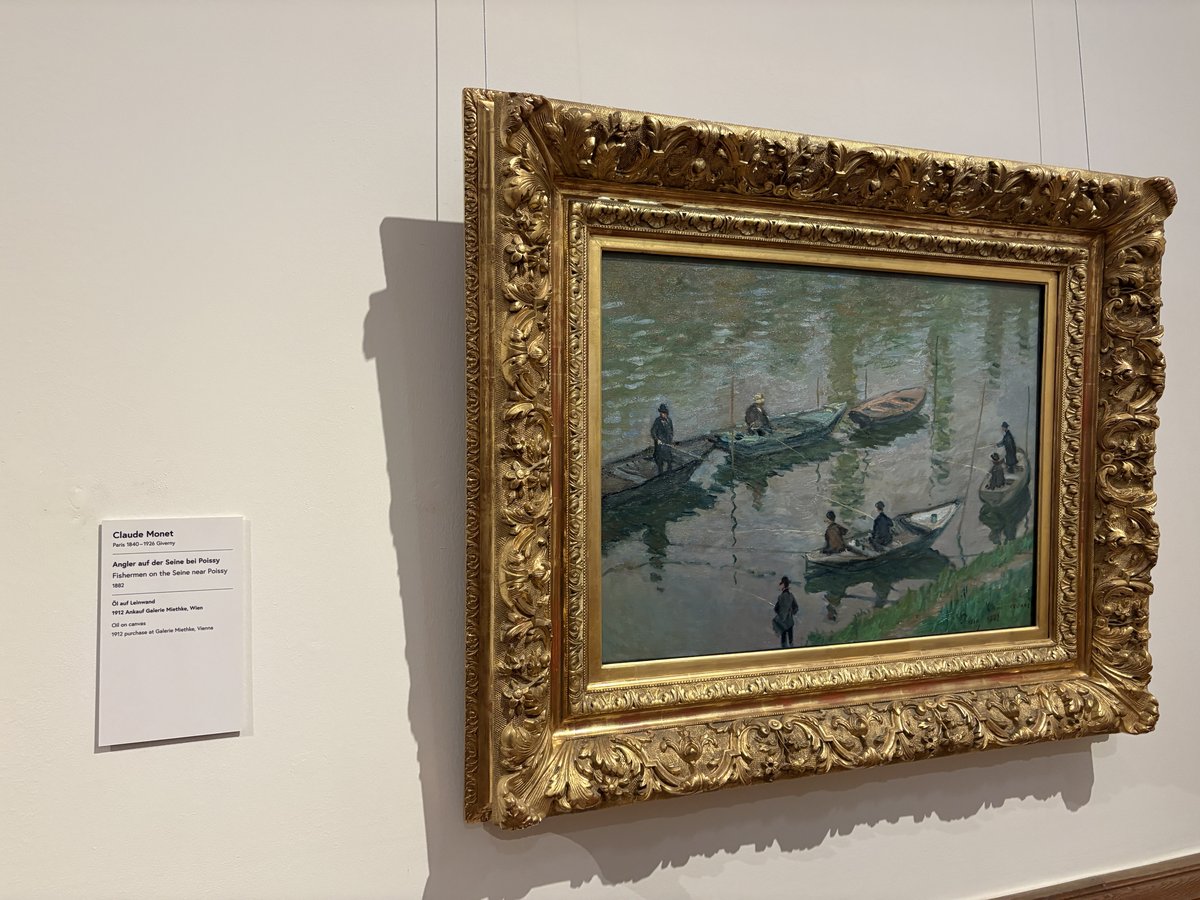
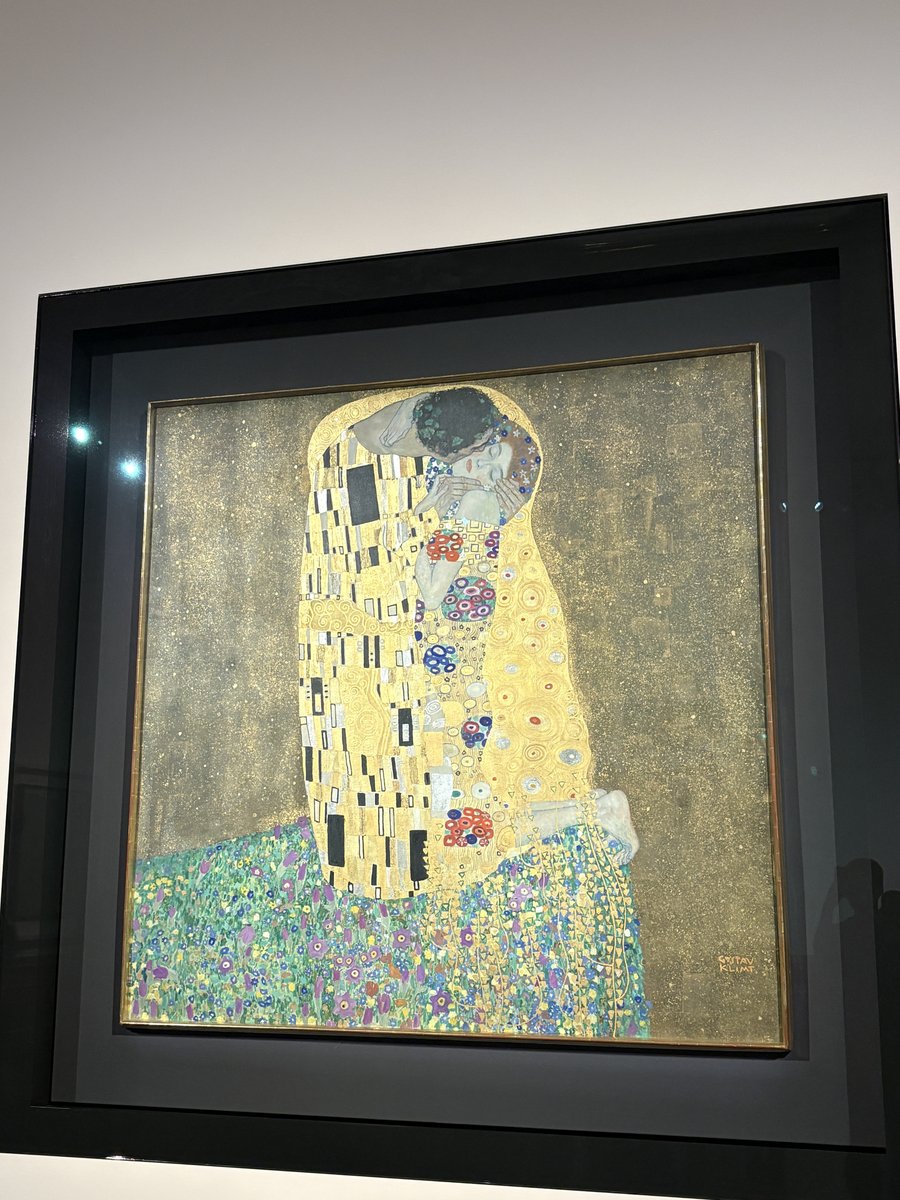
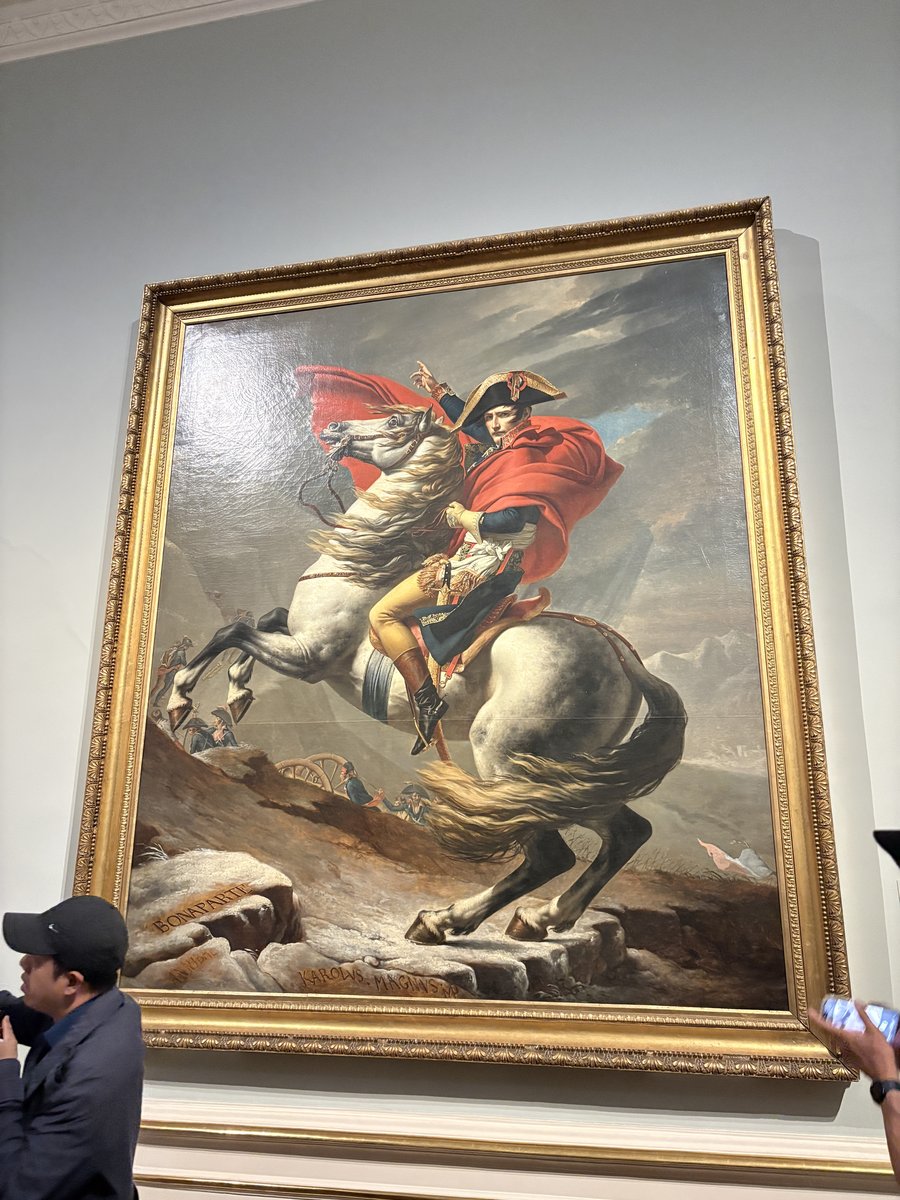
Below are some other places I walked through.
A few other things I noticed in Vienna
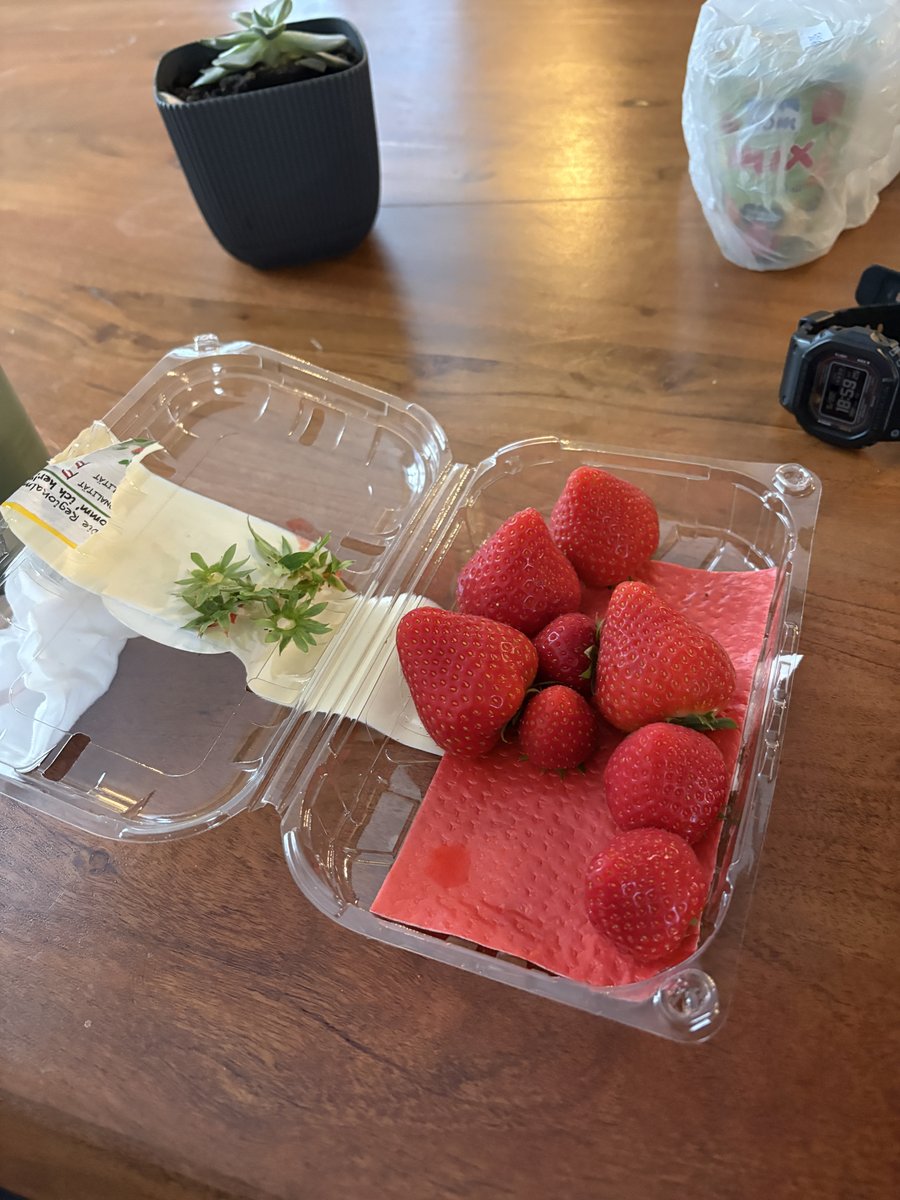
Vienna has a high cost of living for Central Europe, so I mostly cooked for myself at the hostel. That gave me a chance to drop by the local supermarket, where I discovered that Austrian strawberries are amazing — really sweet and juicy.
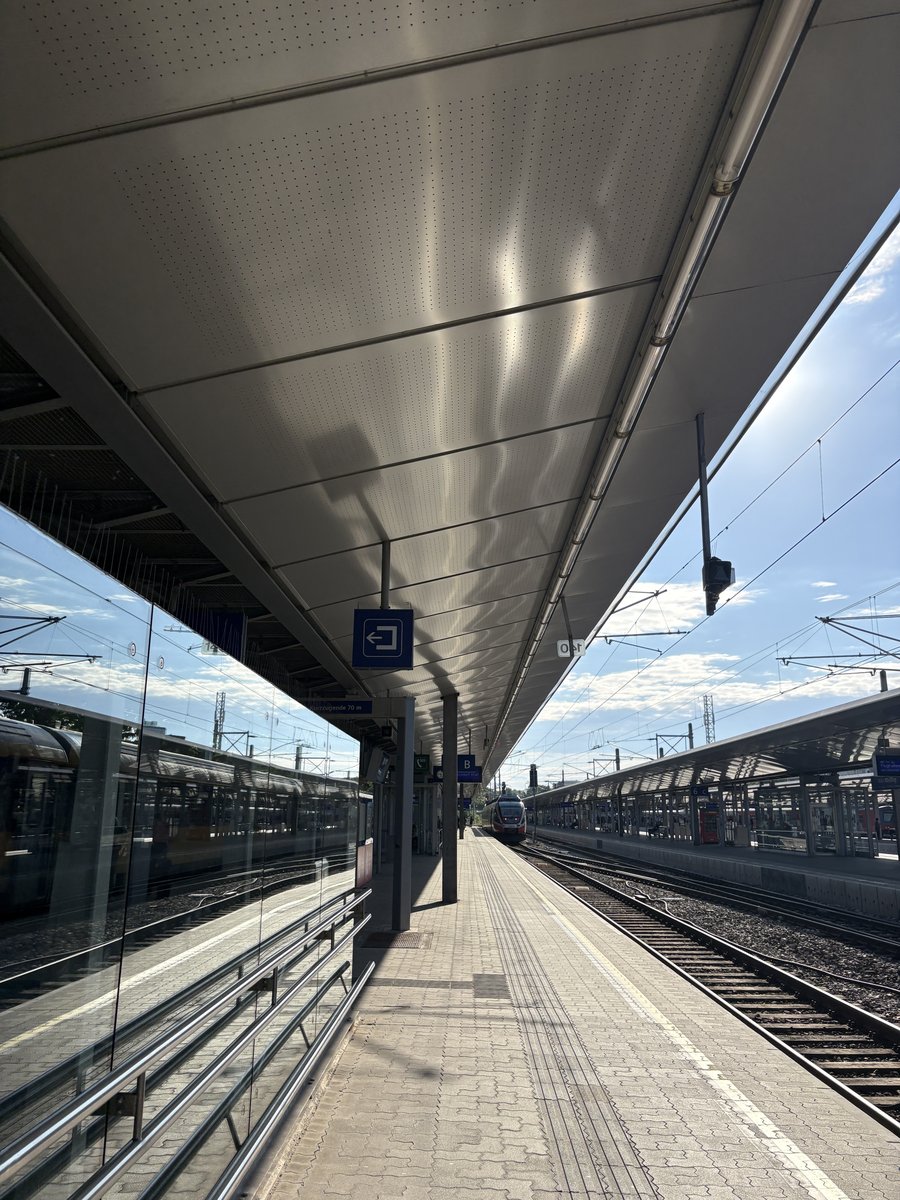
The train stations also confused me a bit at first, since there are neither ticket gates nor staff. Budapest didn't have gates either, but at least I saw staff members occasionally checking tickets to deter fare evasion — here I wasn't checked once during my entire stay. I wondered if a lot of people might be riding for free, but it turns out the fines are very steep (around €100) while the annual pass is fairly cheap (around €350), so the honor system seems to work here.
Honestly, three days weren't enough for this city — I'll definitely be coming back to Vienna!
Comments
Loading...