Tallinn
Tallinn
The Last Country of My Eastern Europe Trip
Estonia is my last country in the Baltics and in the first half of my trip in Europe. I have been traveling in Europe for nearly 40 days since the end of April, and it started in Greece. Except for the flight from Greece to Albania, I used only buses and trains to reach this country. My bus to Tallinn was a little late, but I basically didn't have any big issues — although I did miss my train in Vienna — and the total travel distance must be more than 2,000 km.
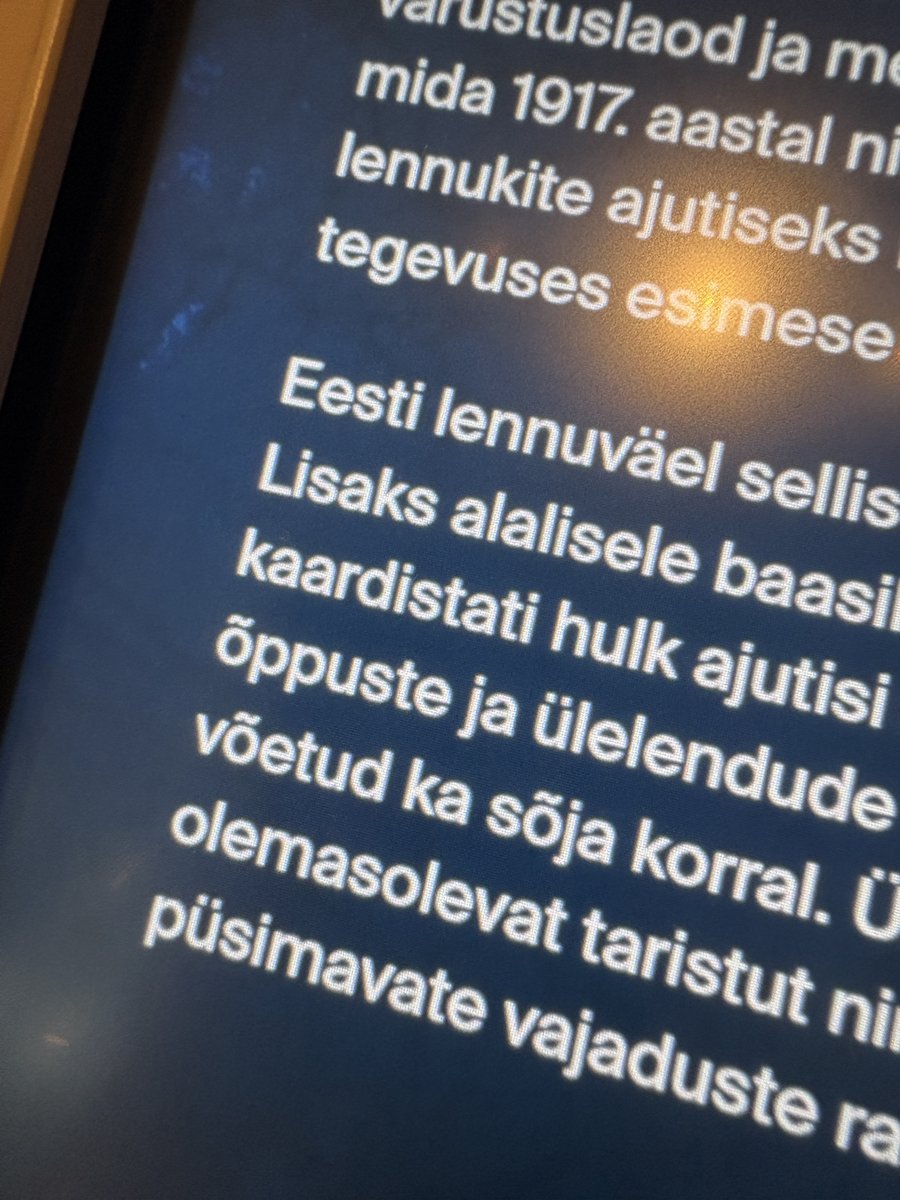
Tallinn is the capital of Estonia and is located very close to Finland — you can get to Helsinki by a 2-hour ferry trip. I was on the fence about going but skipped it this time. Estonia and Finland are culturally close and share enough of the same language to understand each other, while Latvia and Lithuania belong to a different language group. One more fun point about the Estonian language — it has the same accent mark that Vietnamese also uses: Õ.
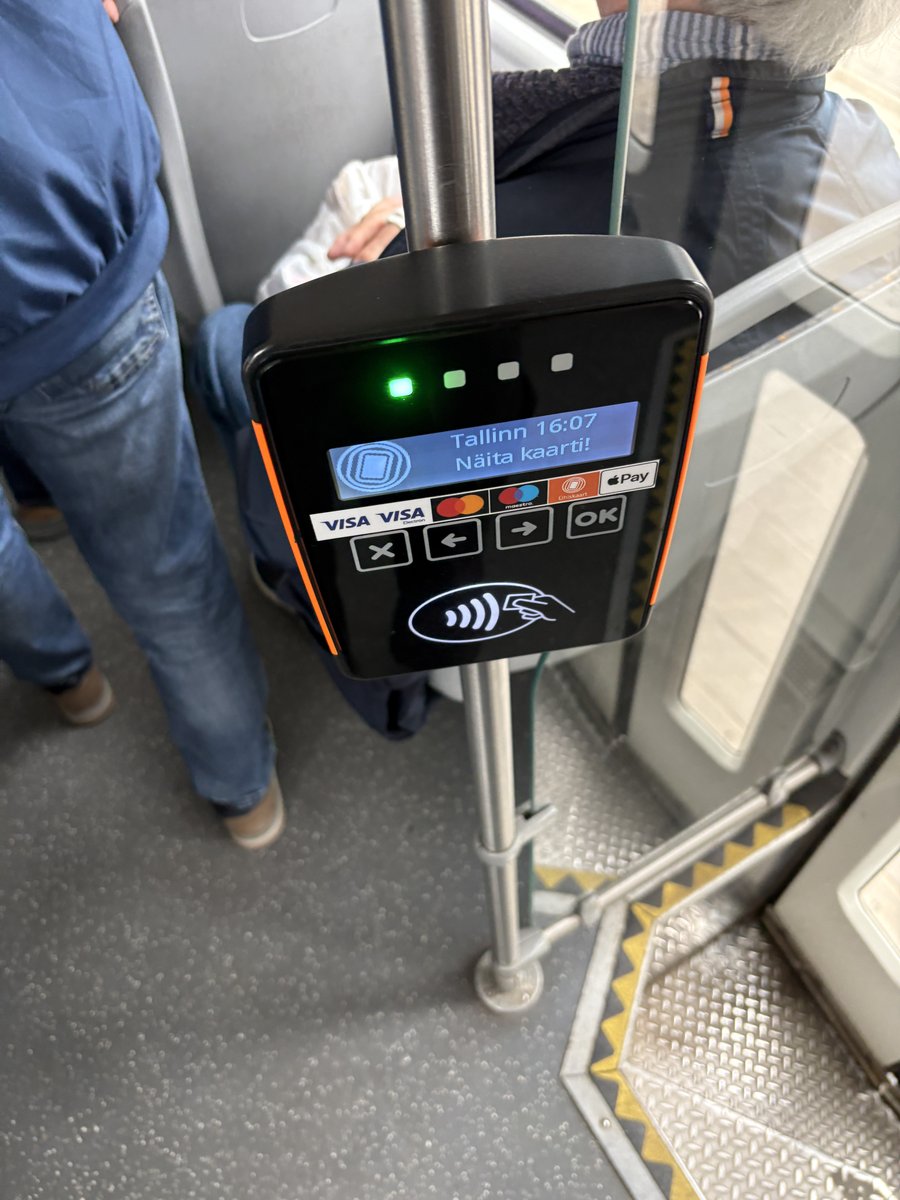
Also, Tallinn is known as a "digital country" — Skype, Wise, and Bolt (the biggest ride-sharing player in Europe) were all founded in Estonia. Its population is only around 1.3 million, yet a lot of unicorn companies have been launched from Estonia, and I was curious about the reason. Many things are digitalized, such as payment for public transportation and public restrooms, so you really don't need cash in this country (I actually didn't use any cash in Estonia).
Tallinn Old Town & History
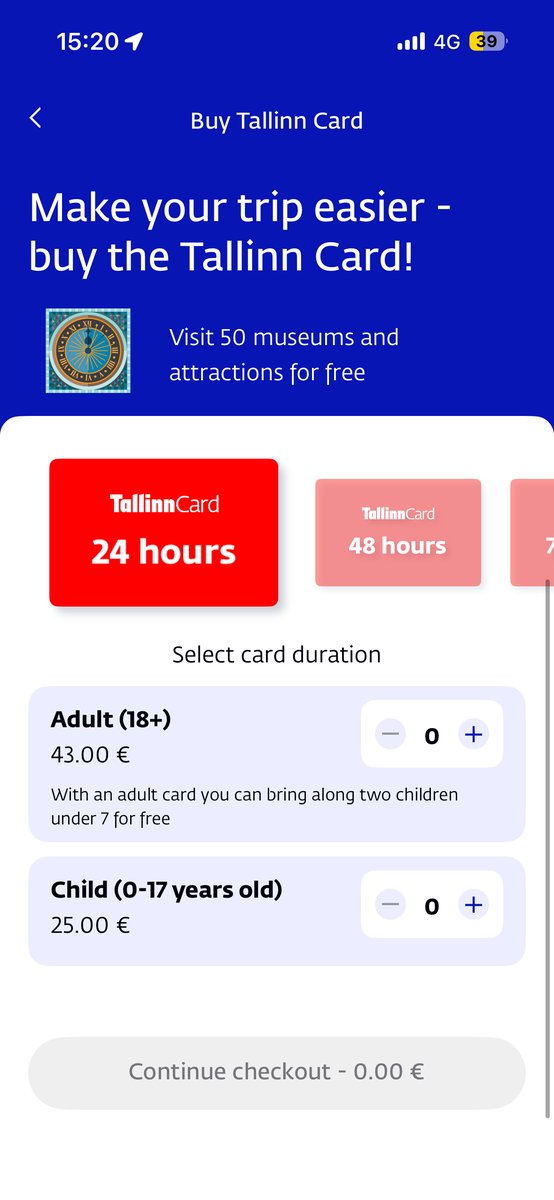
Tallinn has an old town area in the center, and you can enjoy walking around and exploring local spots. Before starting to walk, I bought a "Tallinn Card," which covers almost all the sites in Tallinn — you can enter registered spots freely, and it includes a free public transport pass (€43 for 24 hours). This must be much cheaper than visiting each place one by one.
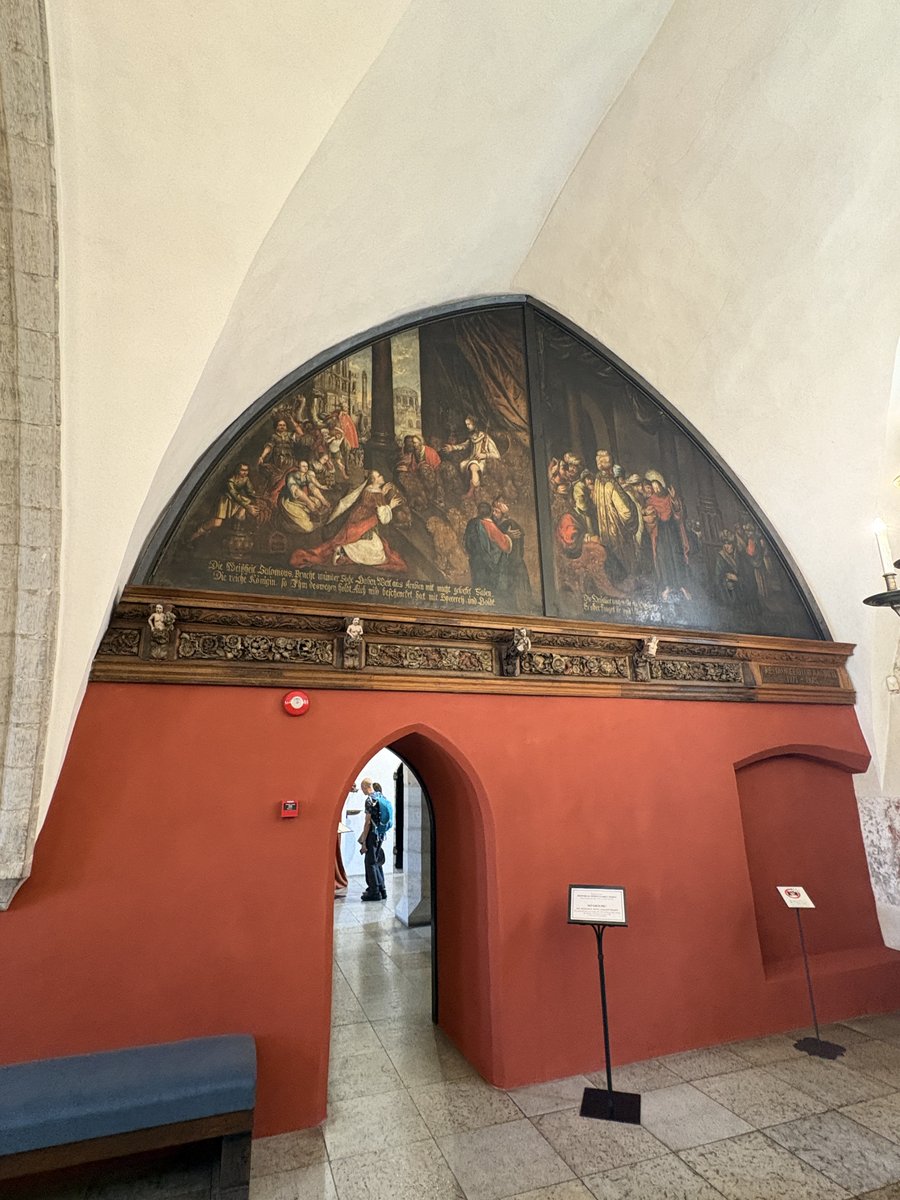
Tallinn Town Hall is located in the center of the old town and has a long history. Inside, there is a museum where you can learn about the long history of this town hall, which was built in the 1300s.
Tallinn Town Hall is the oldest town hall in the Baltic region and Scandinavia, standing on the historic Town Hall Square (Raekoja plats) in the heart of the Old Town. Built in its current Gothic form by 1404, it served as the seat of the city's government for centuries. Its tall spire is crowned by Old Thomas (Vana Toomas), a weathervane figure who has become a beloved symbol of the city. Today it houses a museum and offers tower views over the medieval rooftops.
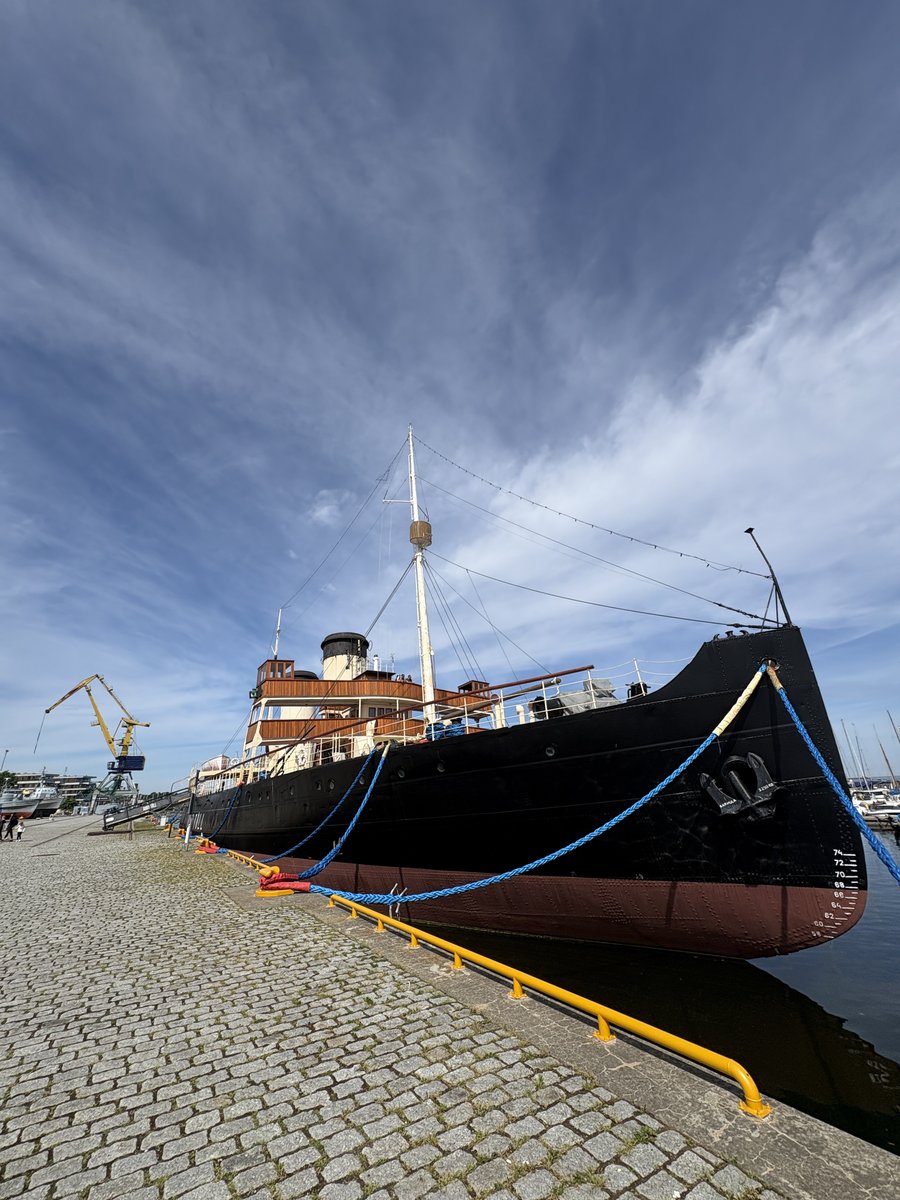
Another remarkable place is the Estonian Maritime Museum. Estonia fought a war against Soviet Russia from 1918 to 1920 to protect its independence, and the naval battles were a major key to this war, since Tallinn sits right next to the sea and the Gulf of Finland served as an important supply line (the British navy also joined this war, and Estonia won its independence in 1920). Here you can see this history along with numerous naval vessels and submarines used in the war — Estonia has had famous sailors for a long time, and you can learn about them in this museum too.
The Estonian War of Independence (1918–1920) was the conflict in which the newly declared Republic of Estonia fought to secure its freedom against Soviet Russia, and later against Baltic German forces. After declaring independence on February 24, 1918, Estonia had to defend itself when the Red Army invaded. With crucial support from the British Royal Navy, Finnish volunteers, and a determined national army, Estonia pushed back the offensives. The war ended with the Treaty of Tartu in February 1920, in which Soviet Russia recognized Estonia's independence.
Other Museums and Churches I Visited
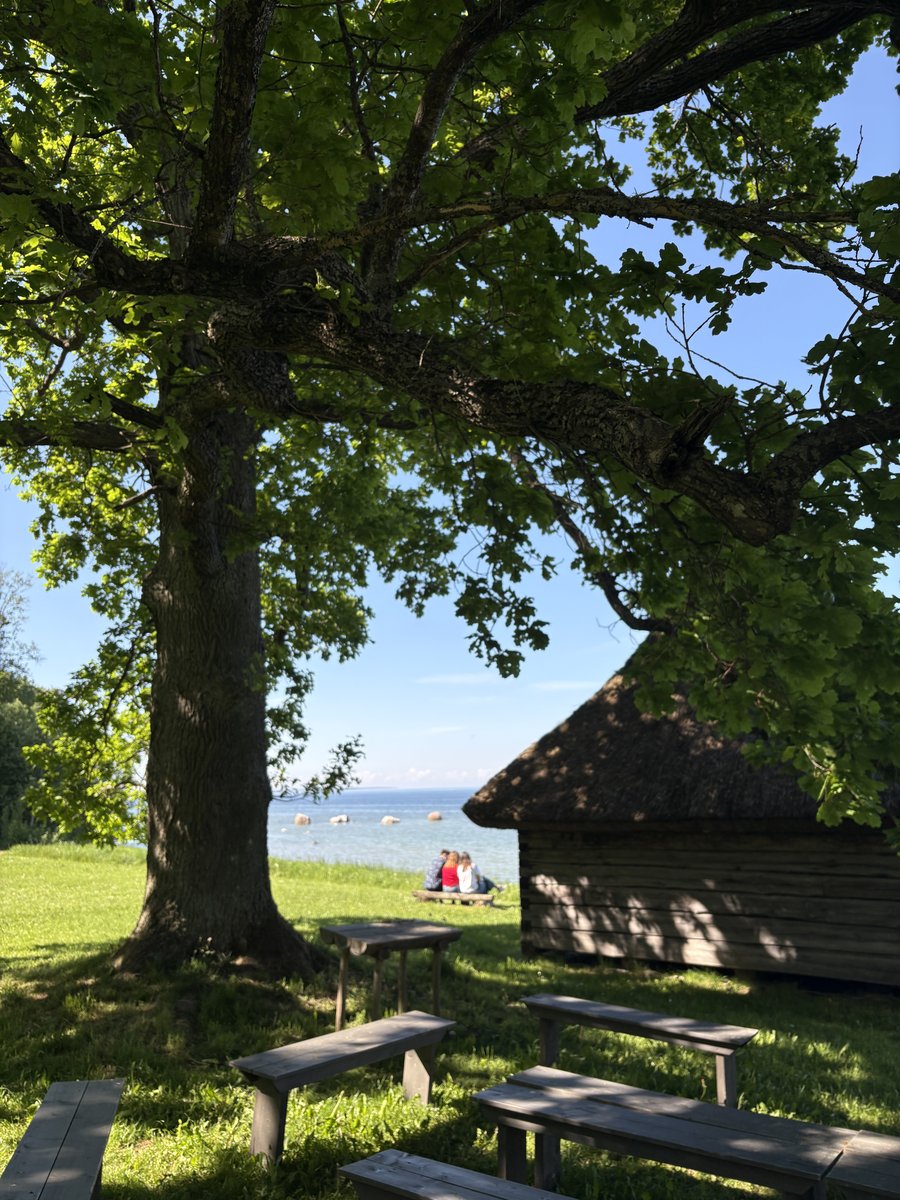
The Estonian Open Air Museum was my favorite place in Tallinn. There are old preserved houses that were moved here from their original locations, in many different styles depending on which region they came from. A friend I met at a previous hostel told me you can see local folk dances in traditional costumes, but it seems I wasn't there at the right time. Still, the houses and the views in the forest were amazing, and I spent some peaceful moments there.
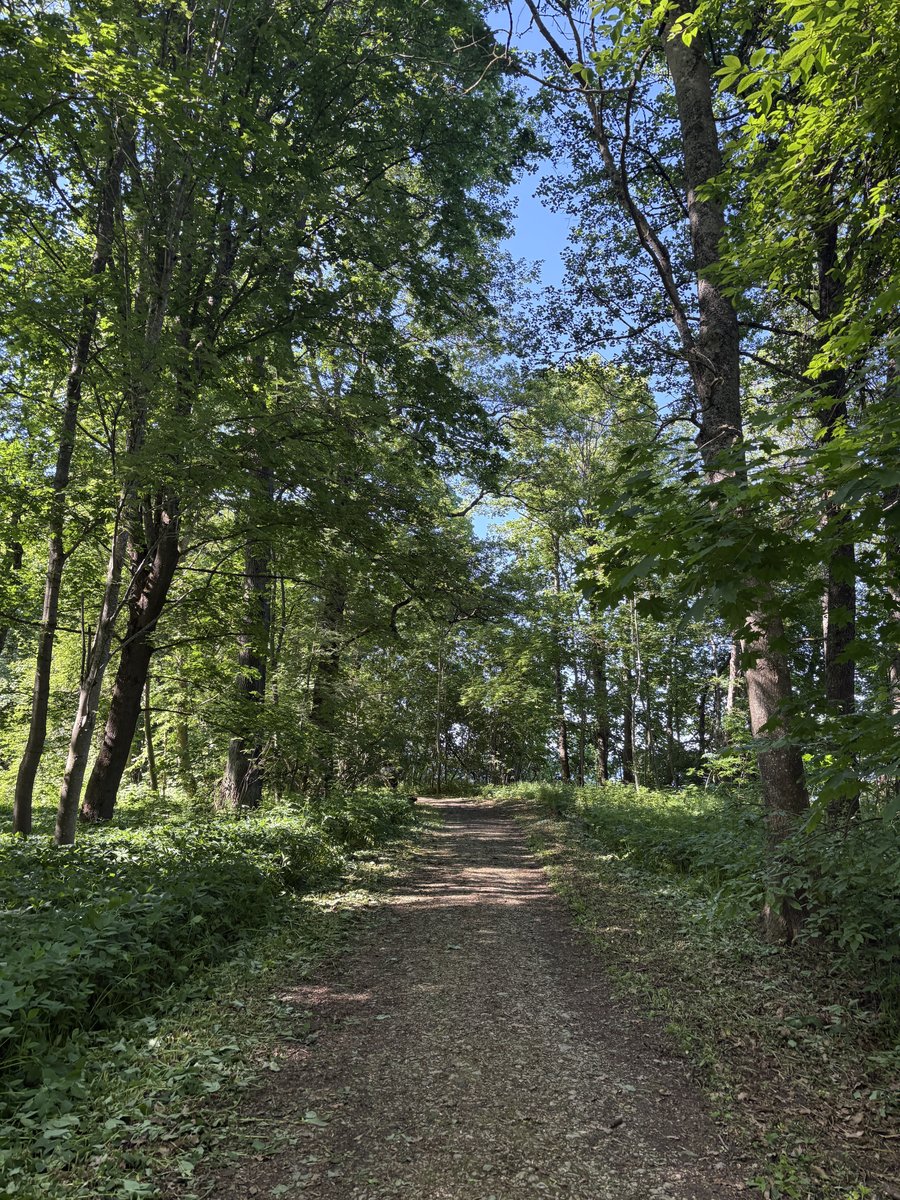
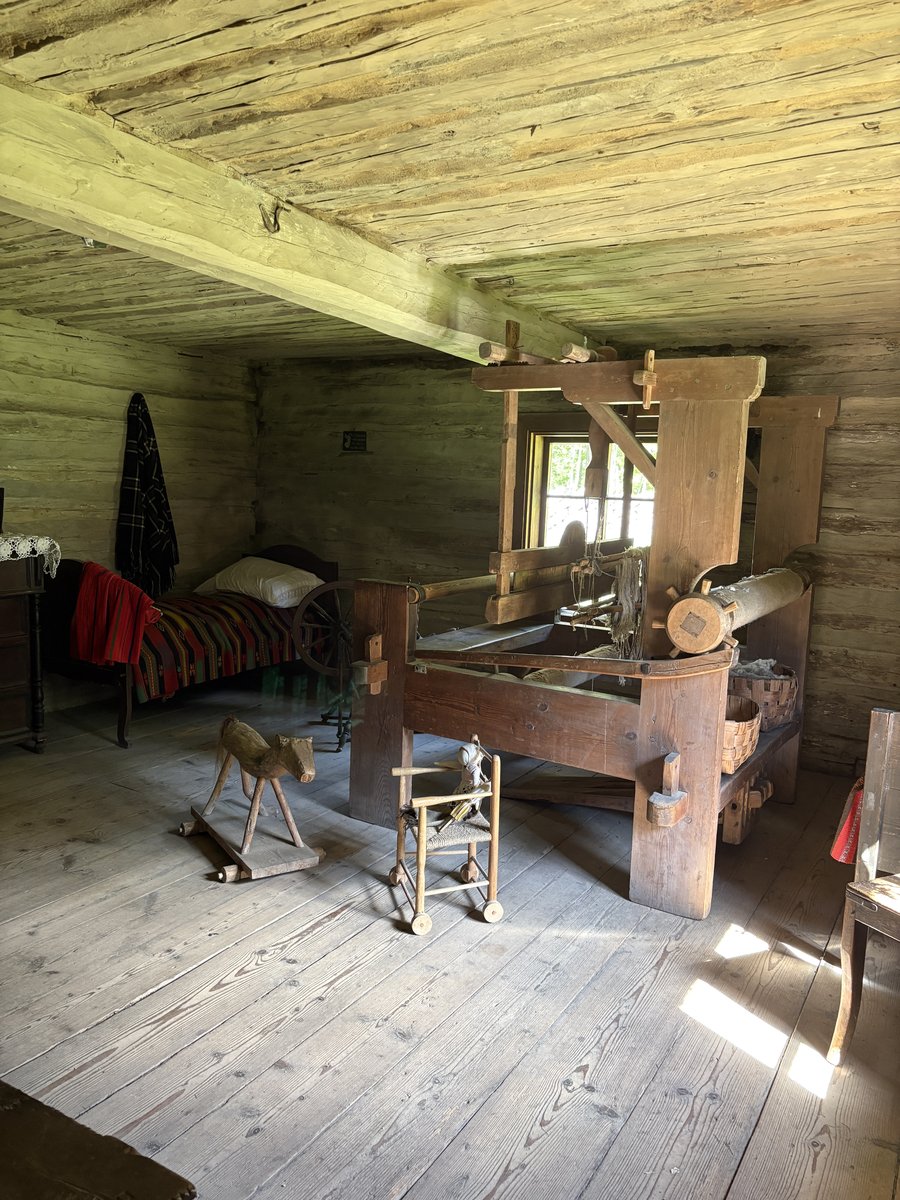
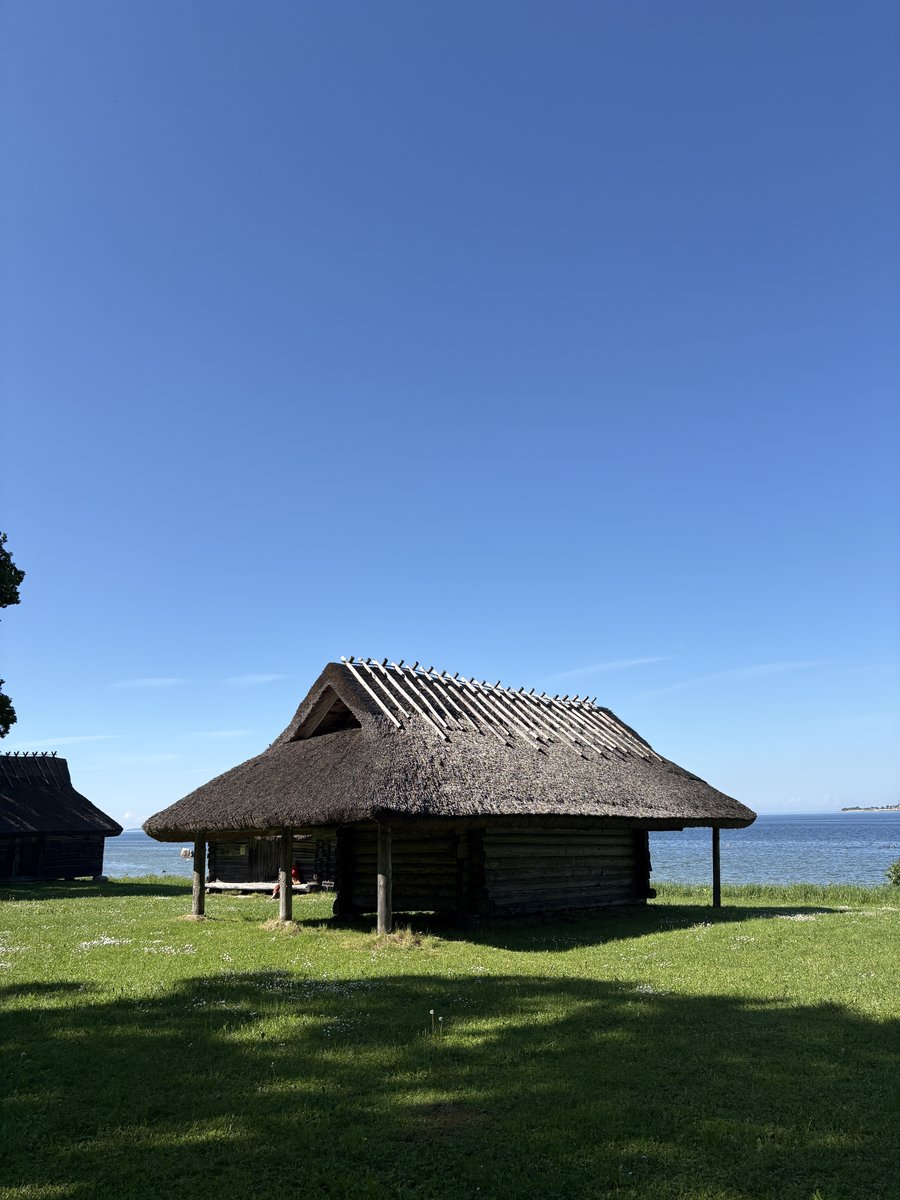
Let me share other places with short explanations.
St. Olaf's Church (Oleviste kirik) is a striking Gothic church in Tallinn's Old Town, named after King Olaf II of Norway. According to legend, it may once have been the tallest building in the world — its towering spire reached around 159 meters in the 16th century, though lightning strikes and fires repeatedly destroyed it over the centuries. Today the spire stands about 124 meters tall, and climbing its tower rewards visitors with breathtaking panoramic views over the medieval Old Town and the harbor.
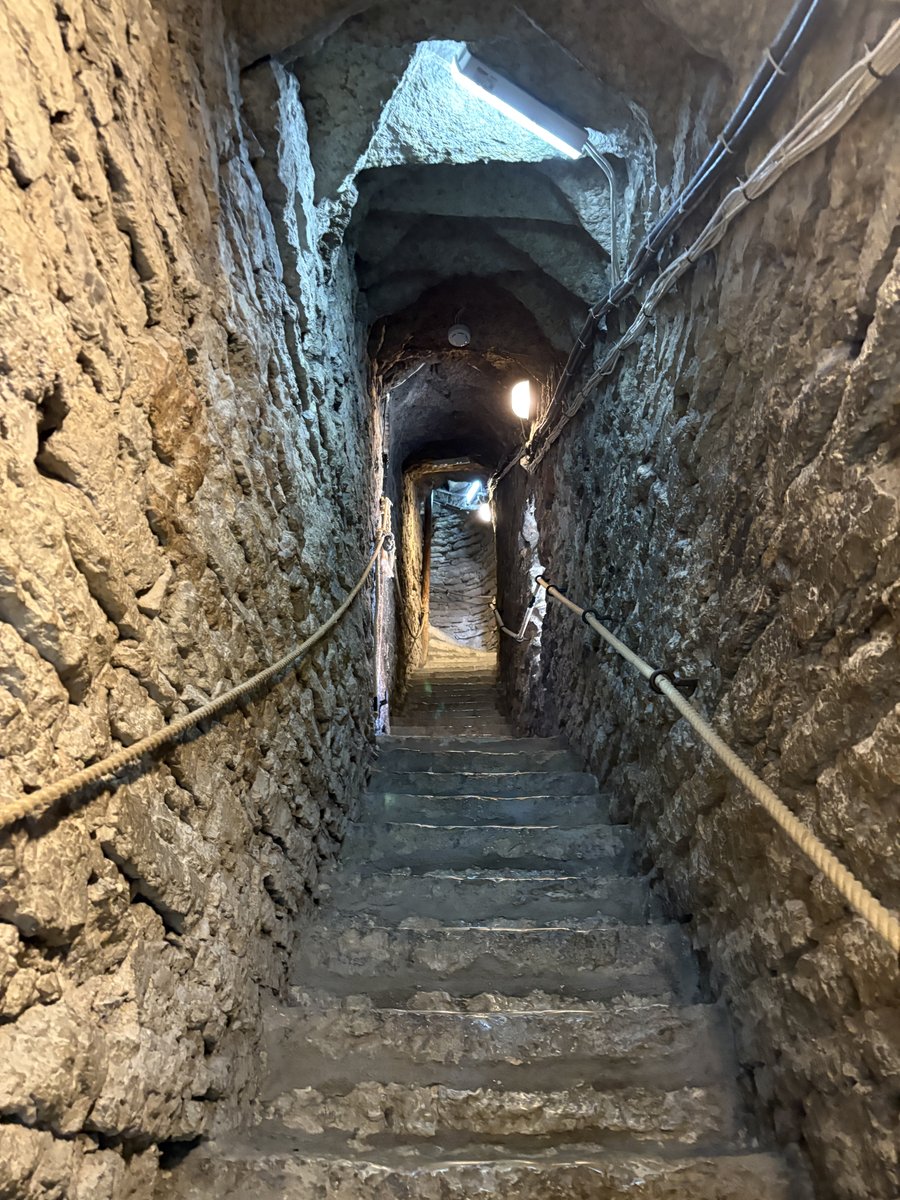
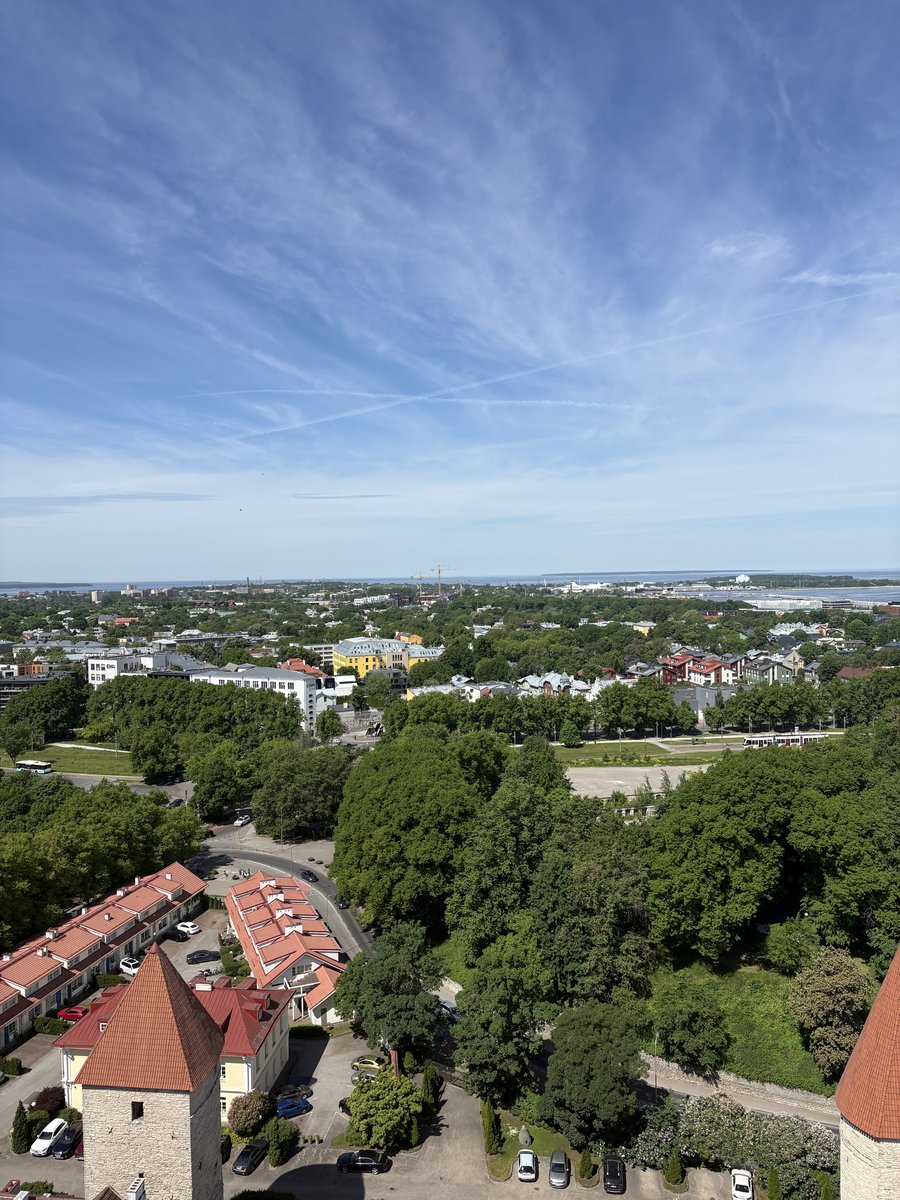
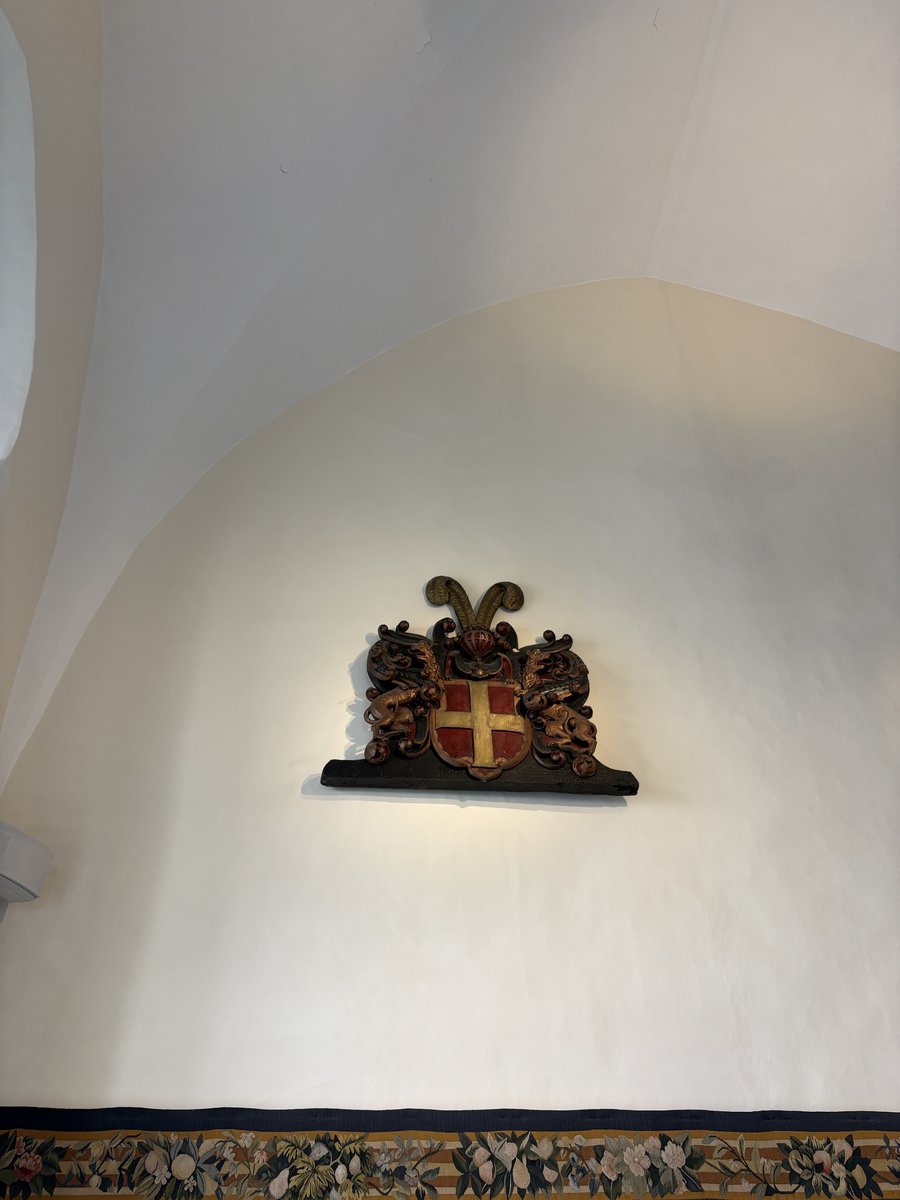
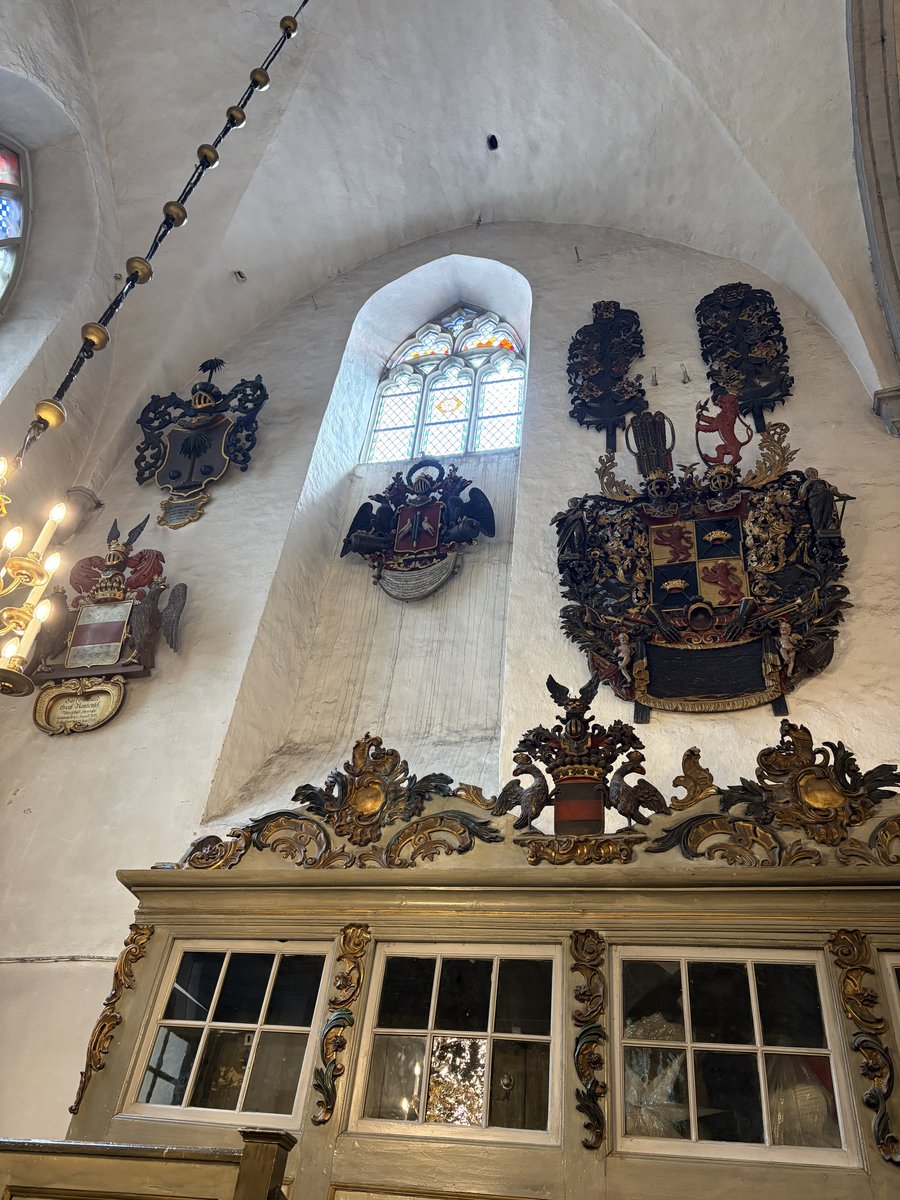
St. Mary's Cathedral (Toomkirik), also known as the Dome Church, is the oldest church in mainland Estonia, standing atop Toompea Hill in Tallinn's Old Town. Founded in the 13th century, it blends Gothic and Baroque styles after centuries of rebuilding and now serves as a Lutheran cathedral. Its whitewashed interior is lined with ornate coats of arms and the tombs of nobles and notable figures, and climbing its Baroque tower offers sweeping views over the Old Town.
The KGB Prison Cells (KGB vangikongid) are a sobering museum in the basement of a building on Pagari Street in Tallinn's Old Town, where the Soviet secret police interrogated, held, and tortured prisoners during the occupation. Once a place of fear — its windows bricked up to hide what happened inside — the preserved cells and exhibits now tell the stories of those who suffered under the Soviet regime. It's a small but powerful reminder of Estonia's difficult 20th-century history.
The Three Sisters (Kolm Õde) are a beautifully preserved trio of medieval merchant houses standing side by side on Pikk Street in Tallinn's Old Town. Dating back to 1362, these Gothic buildings once served as homes, warehouses, and offices for wealthy merchants, with features like loading hatches and hoist beams still visible today. They are the Tallinn counterpart to Riga's "Three Brothers," and one of the houses now operates as a boutique hotel. 🇪🇪
I'm flying to Germany tomorrow evening, and a new chapter will start soon.
Comments
Loading...