Berlin & Cologne
Berlin & Cologne
Berlin
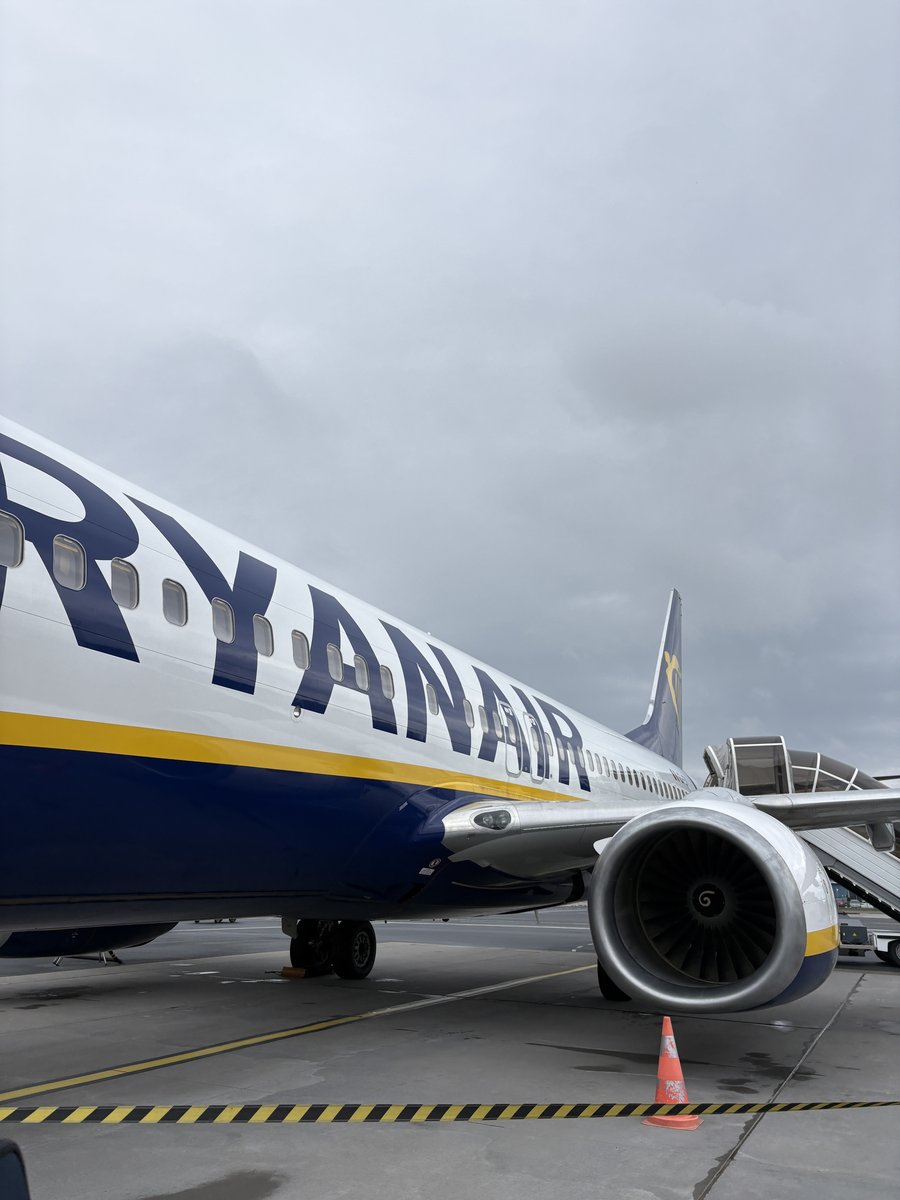
After leaving Estonia, I moved to Berlin, Germany. It had been a while since I last used a plane on this trip, and I used Ryanair for the first time — a popular LCC in Europe. I had seen some negative opinions on YouTube beforehand, but my flight was quite comfortable and arrived in Berlin before the scheduled time.
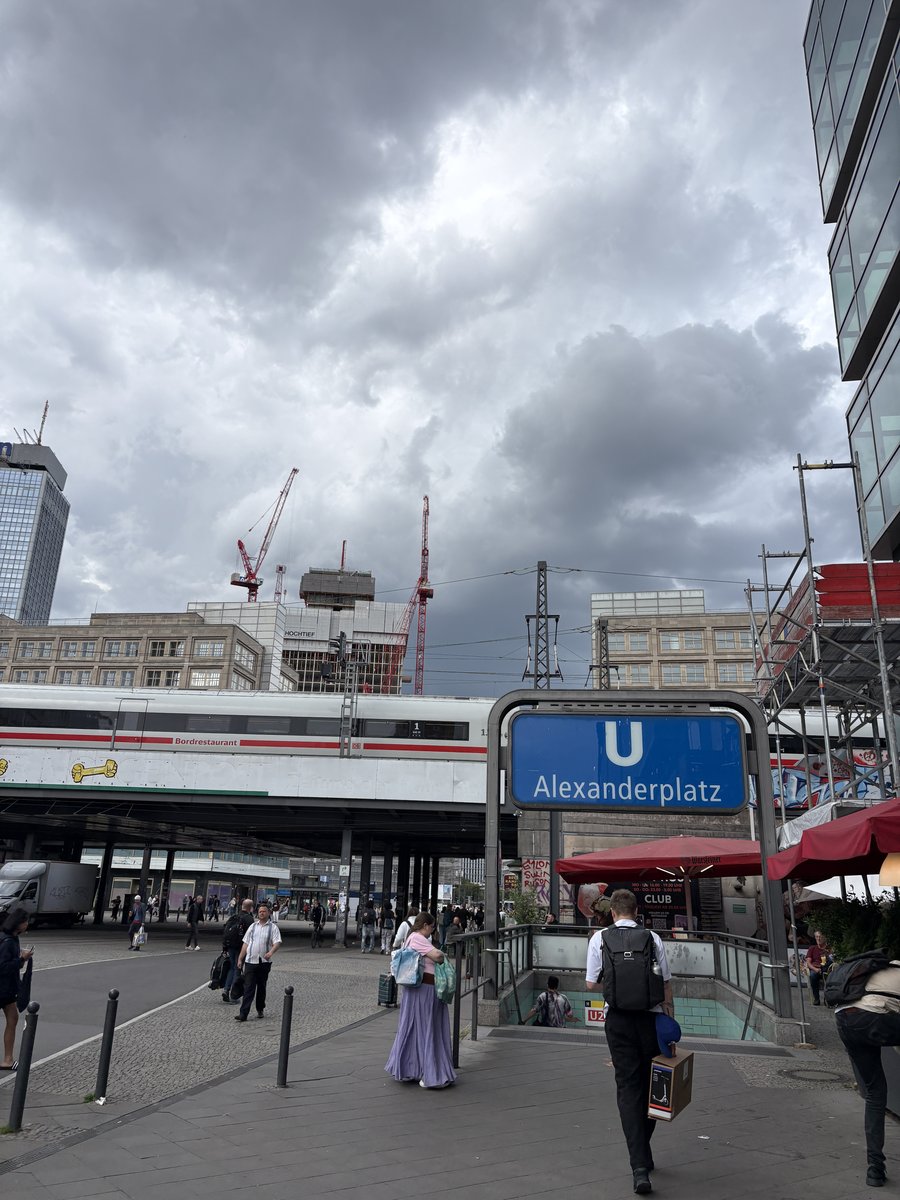
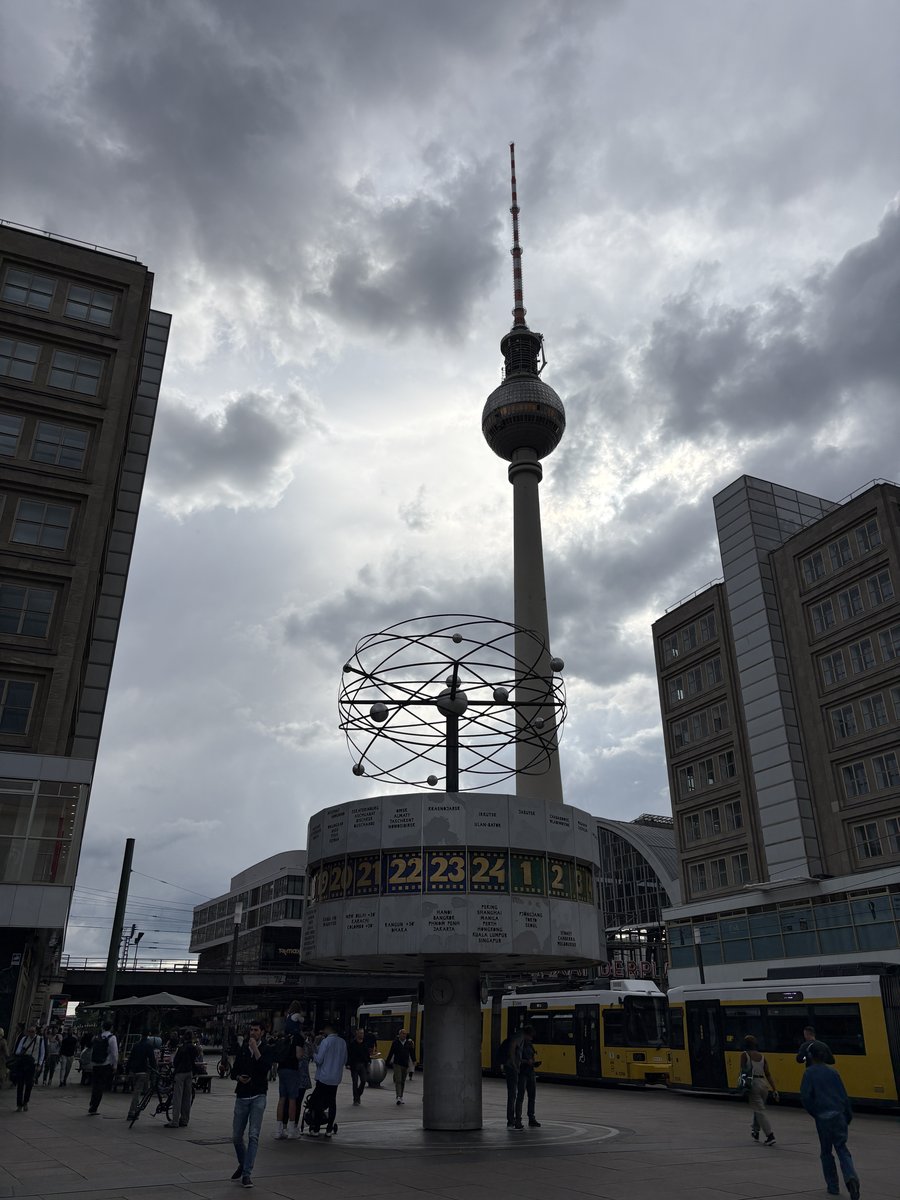
Berlin is the capital and is located in eastern Germany. The first thing that comes to mind about Berlin is "the Berlin Wall," the long wall that divided Berlin into east and west during the Cold War era. So my main focus in Berlin was learning about the history of Germany and Berlin. I arrived in the evening, so first I went to a local barber shop (it was a really quick haircut — probably only 10 minutes) and had dinner near my hostel.
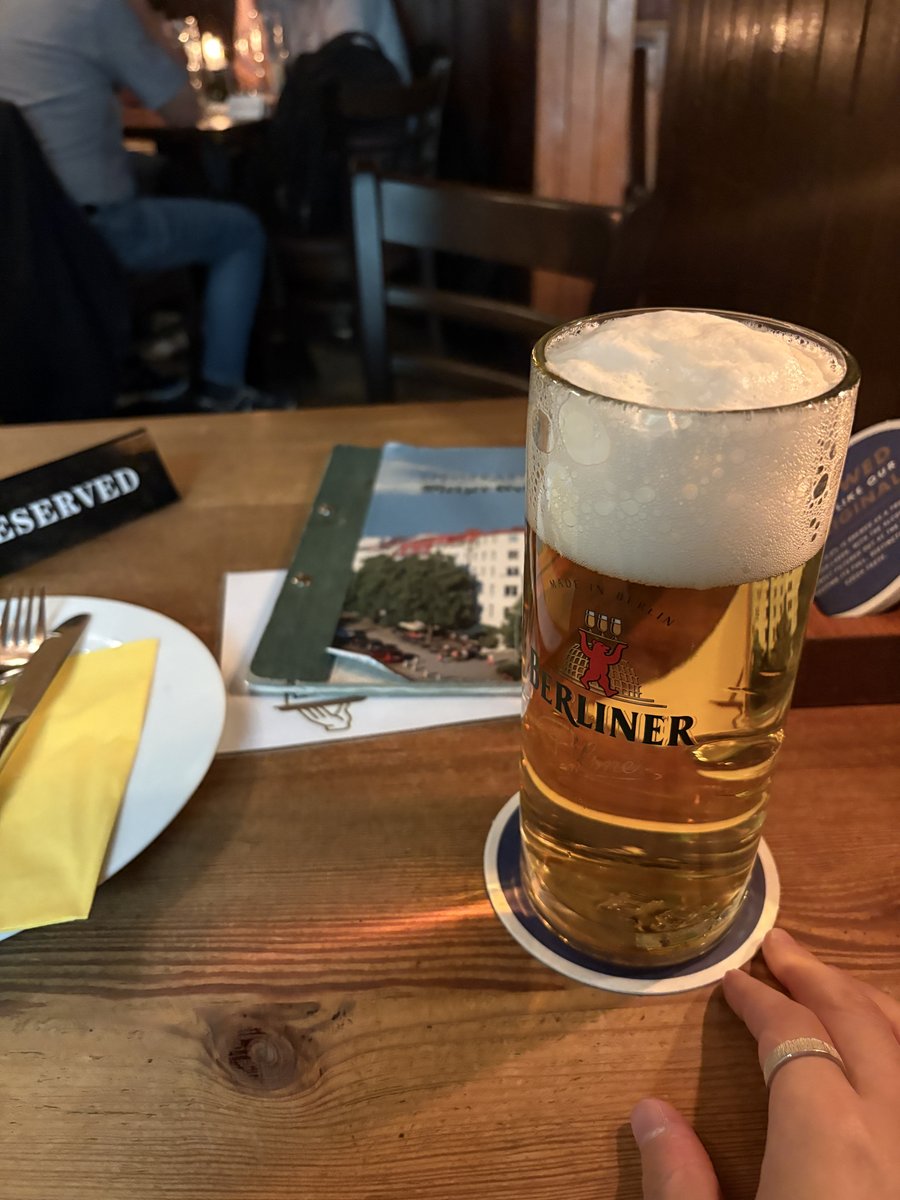
When we think of German food, the first things that come to mind are beer and sausage. I found a highly rated local restaurant and gave it a try — this restaurant opened in 1913, has more than 100 years of history, and is the oldest pub in this area. The cashier counter and bar counter in particular looked like they had been used for a very long time, and they have preserved their traditional style for many decades. I had curry sausage with potato salad and a couple of glasses of beer. Potatoes are a German staple food, and you can usually choose from several kinds of potato dishes. Personally, I don't eat sausage much, but the one I had there was great, and I was surprised at how light and smooth the beer's foam was.
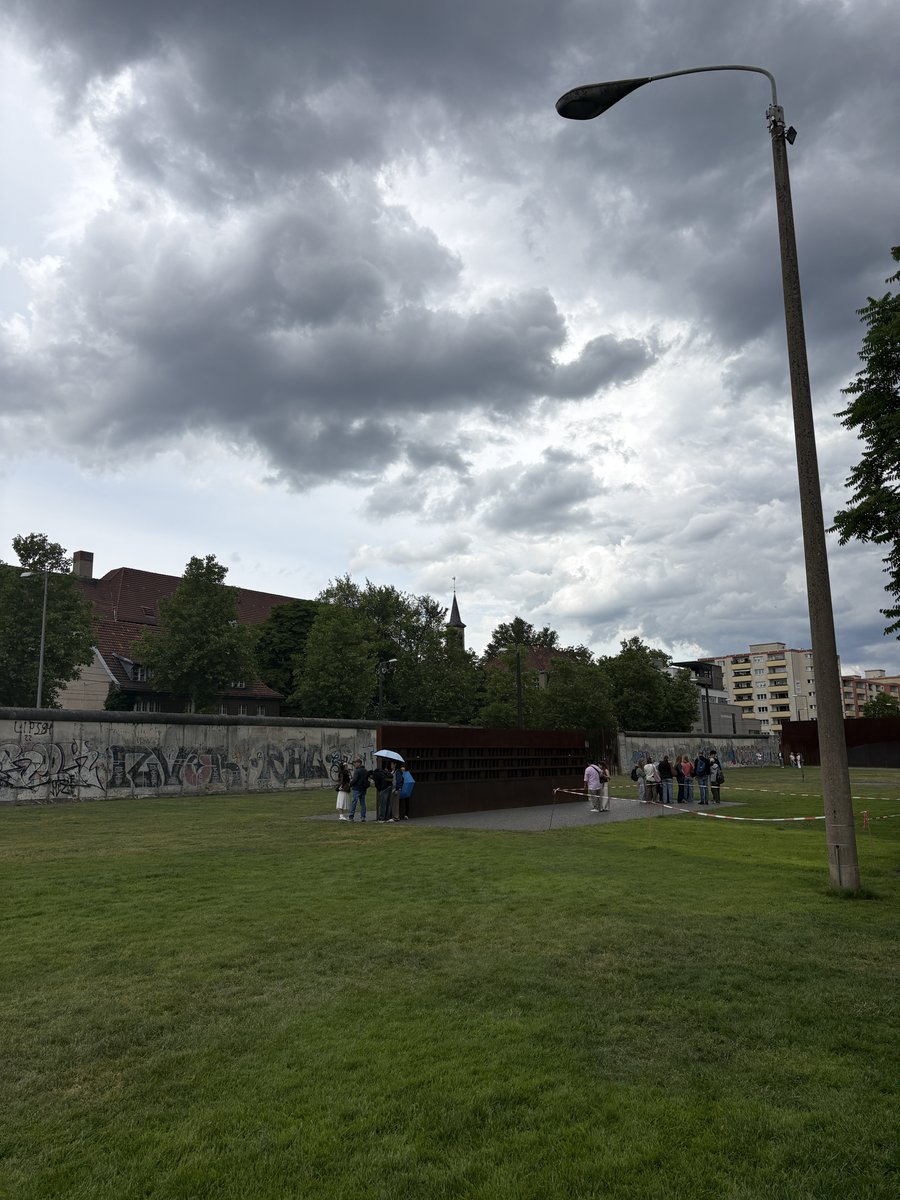
The next day, I visited some historical landmarks over the whole day. First, I went to the Berlin Wall Memorial, where we can see remains of the wall and some other stone column ruins. Many civilians were killed in 1961, the year the wall was built, and there is a memorial commemorating them.
The Berlin Wall (German: Berliner Mauer) was a heavily guarded concrete barrier that divided the city of Berlin from 1961 to 1989. Built by communist East Germany, it physically and ideologically separated East Berlin from West Berlin during the Cold War, preventing East Germans from fleeing to the West. For 28 years it stood as the starkest symbol of the "Iron Curtain" dividing Europe. The wall finally fell on November 9, 1989, paving the way for German reunification in 1990. Today, preserved sections — such as the East Side Gallery — stand as memorials to the city's divided past.
Not only the Berlin Wall — Germany also has a dark history related to the Holocaust. Germany is the perpetrator, but they have come to terms with the past, and we can learn what happened at that time through much preserved raw information.
The Topography of Terror is one of the places where you can learn the history between the 1930s and the Cold War. The Nazi Party became the largest party in Germany in 1932 and came to power in 1933, and a lot of brutal things happened, especially to Jews. I'll skip explaining in detail, but I had never seen such raw photographs and firsthand records from that era. It was a truly valuable and moving museum.
Also, I visited the Brandenburg Gate, which is an icon of Berlin.
The Brandenburg Gate (Brandenburger Tor) is Berlin's most famous landmark, a grand 18th-century neoclassical monument crowned by the Quadriga — a statue of a chariot drawn by four horses. Built in the 1790s, it once stood right beside the Berlin Wall in the divided city's no-man's-land, becoming a powerful symbol of Germany's division during the Cold War. When the wall fell in 1989, it was transformed into a symbol of reunification and peace. Today it stands proudly at the heart of Berlin as an emblem of the city's turbulent history and rebirth.
Cologne
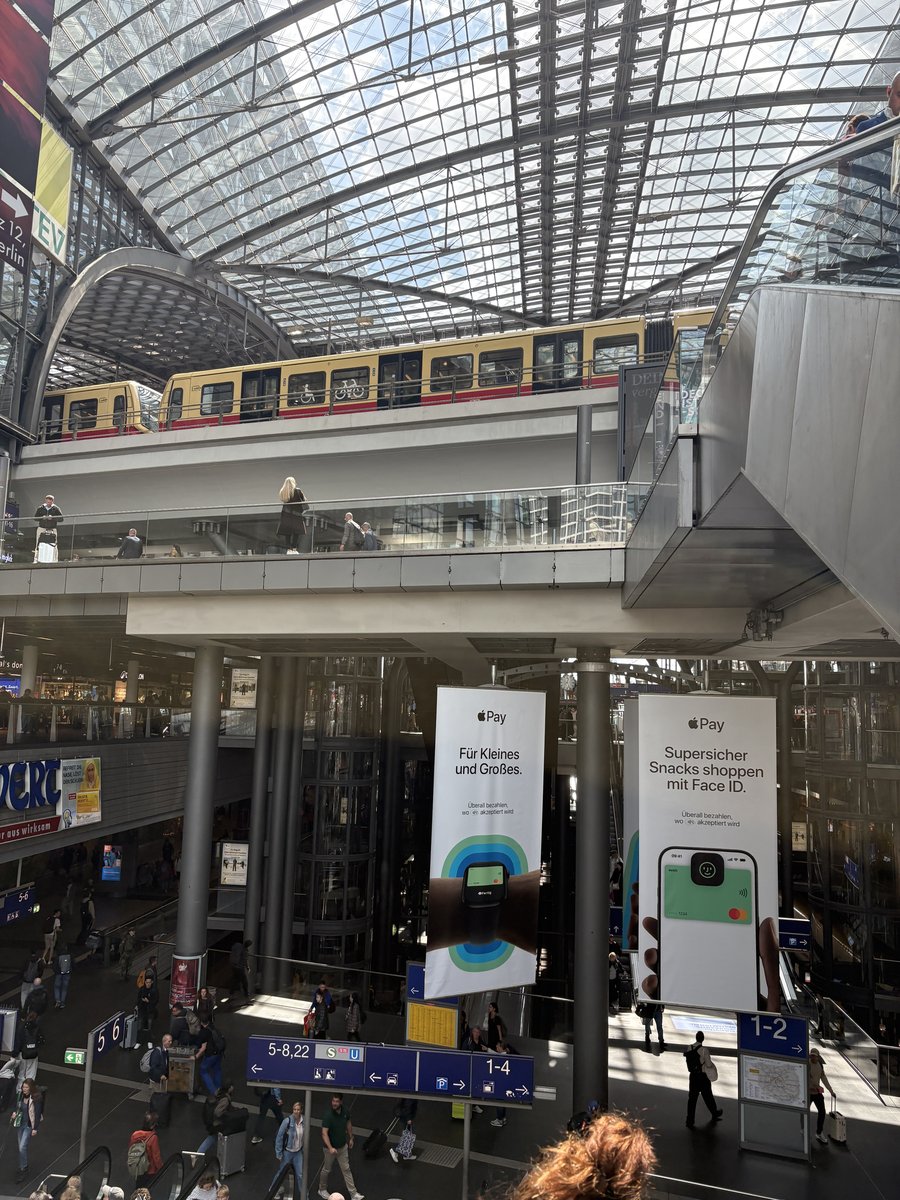
After staying in Berlin for 2 nights, I moved to Cologne, which is in western Germany. I used a train to go there from Berlin, and it took around 5 hours. Cologne is the 4th largest city in Germany and is located along the Rhine river.
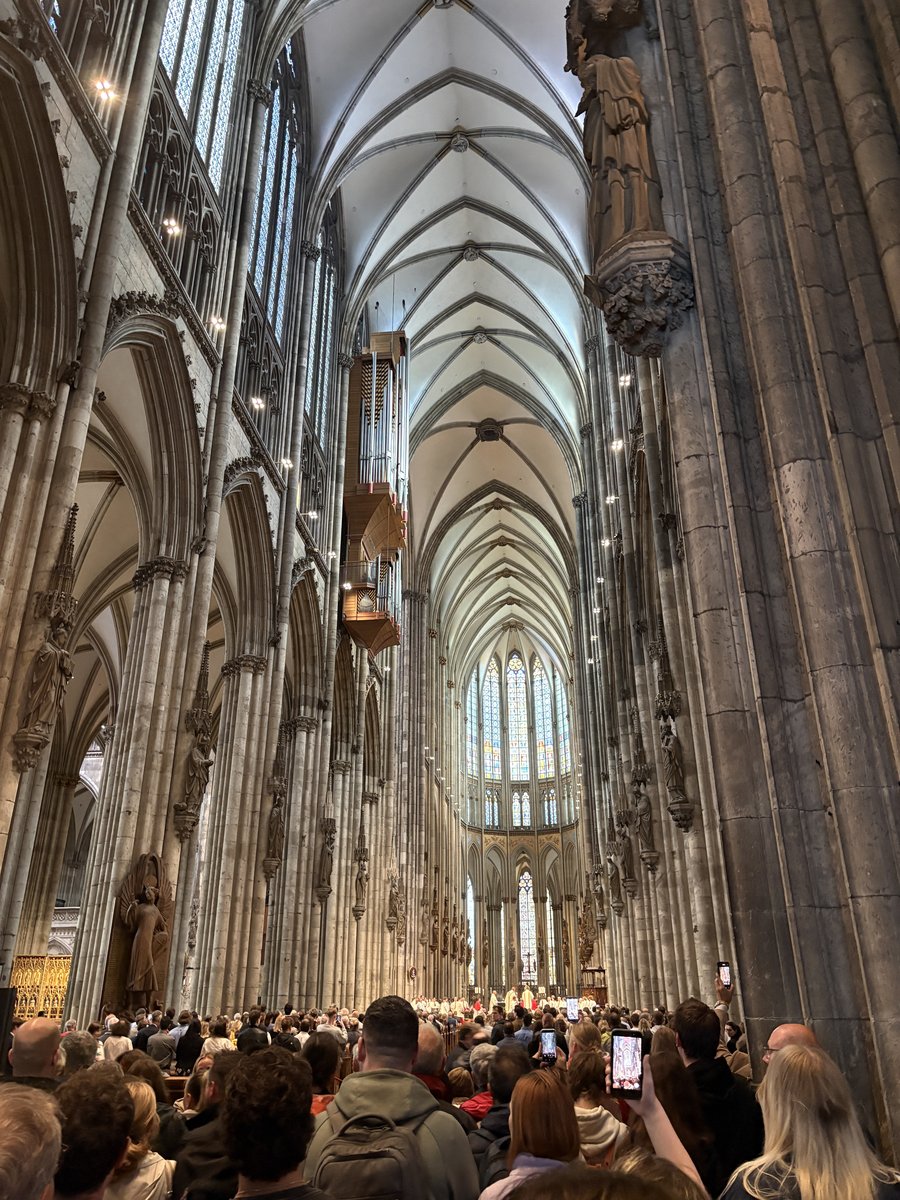
The most popular site in Cologne must be Cologne Cathedral, and I went there twice during my stay.
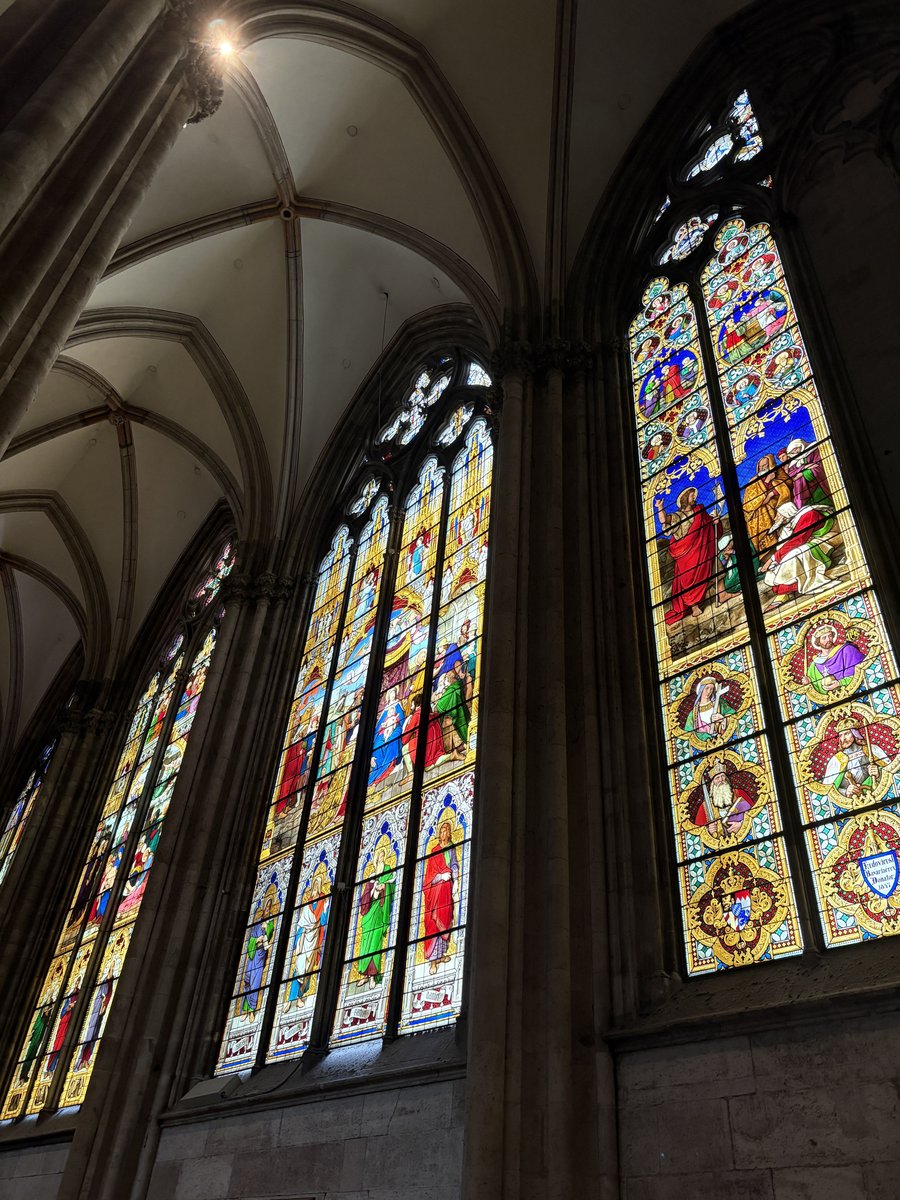
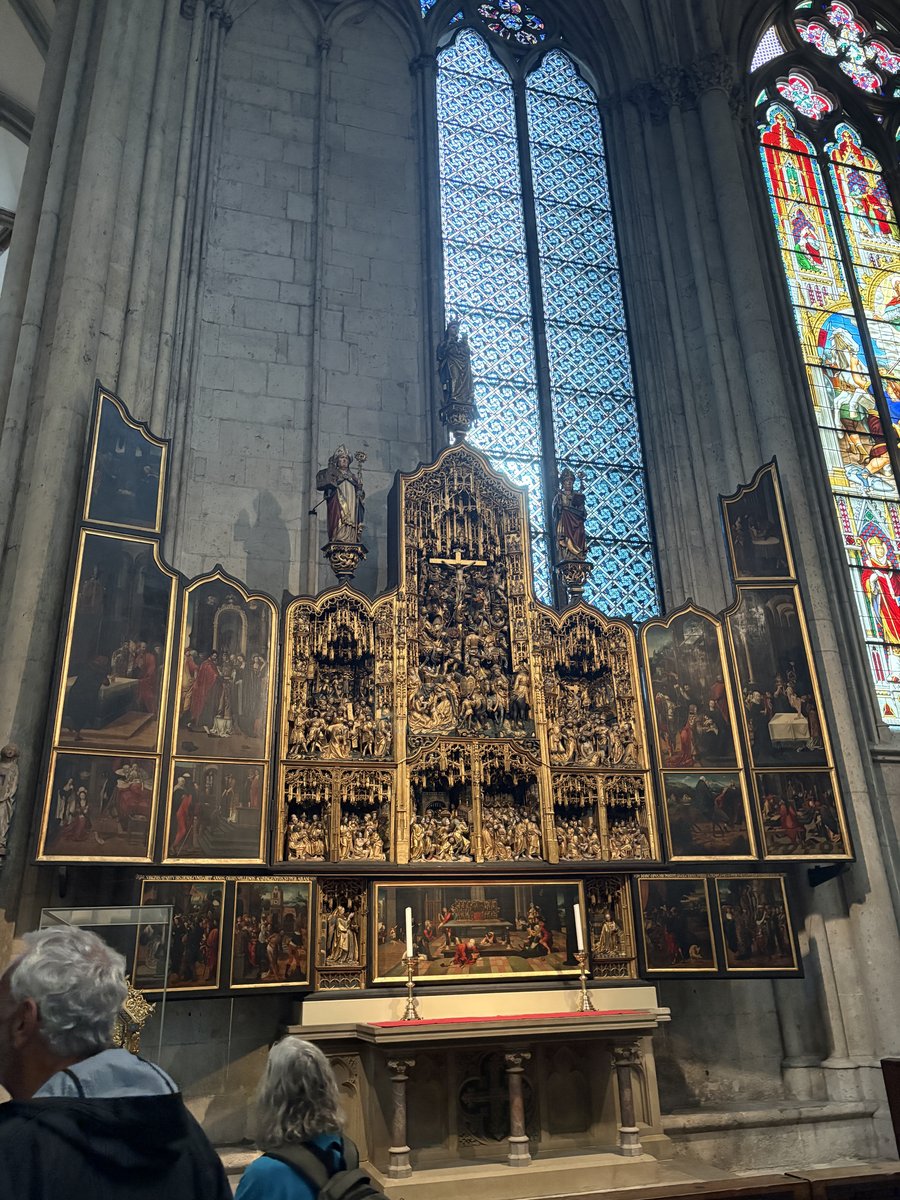
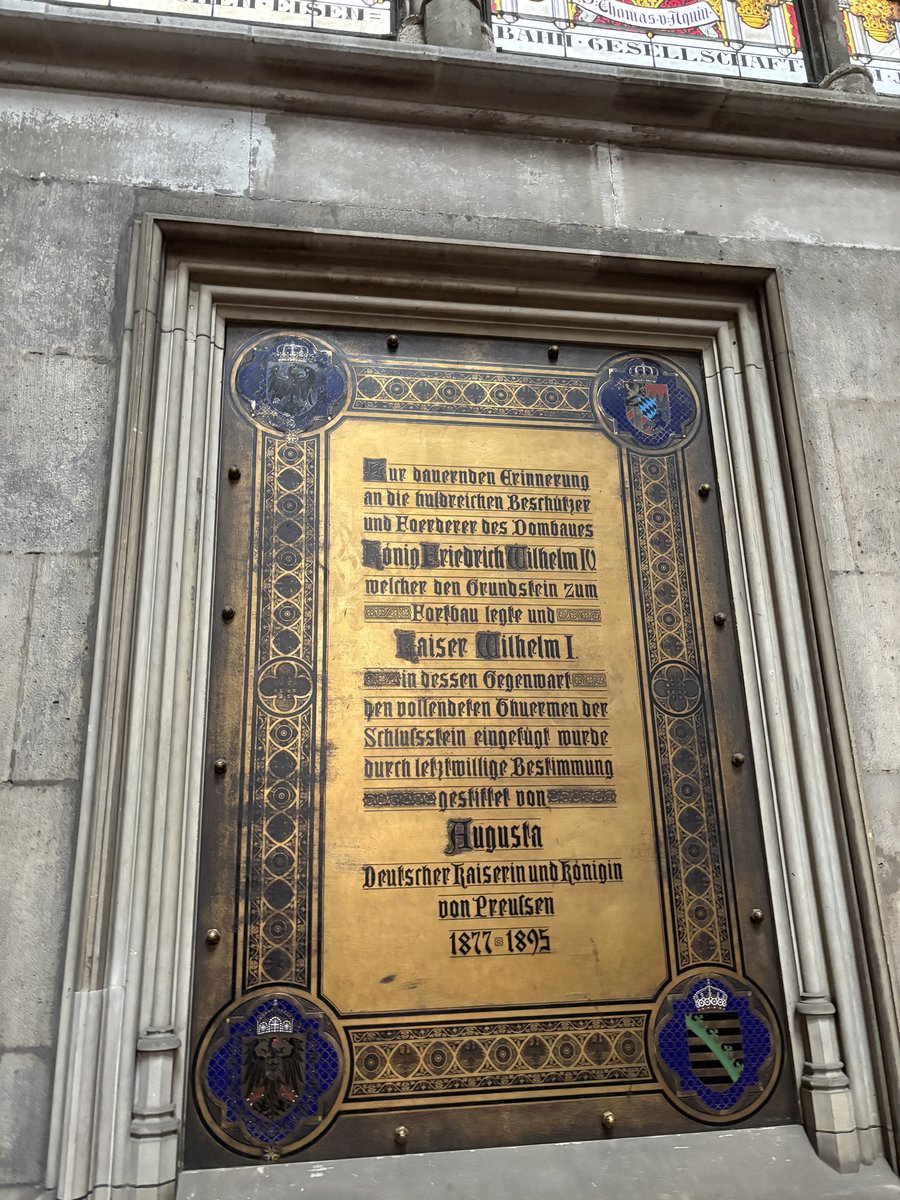
Cologne Cathedral (Kölner Dom) is Germany's most visited landmark and a masterpiece of Gothic architecture, towering over the city beside the Rhine. Construction began in 1248 but wasn't completed until 1880 — over 600 years later — and its twin spires made it the world's tallest building at the time. A UNESCO World Heritage Site, it famously survived World War II bombings that flattened much of the surrounding city. Climbing its tower or admiring its soaring interior and medieval stained glass is a must when visiting Cologne.
The first time was on Friday evening, and they were having Mass. I couldn't come into the main space, but I listened to the choir. I went there on Saturday morning too, walked around inside, and could see beautiful stained glass and some historical things.
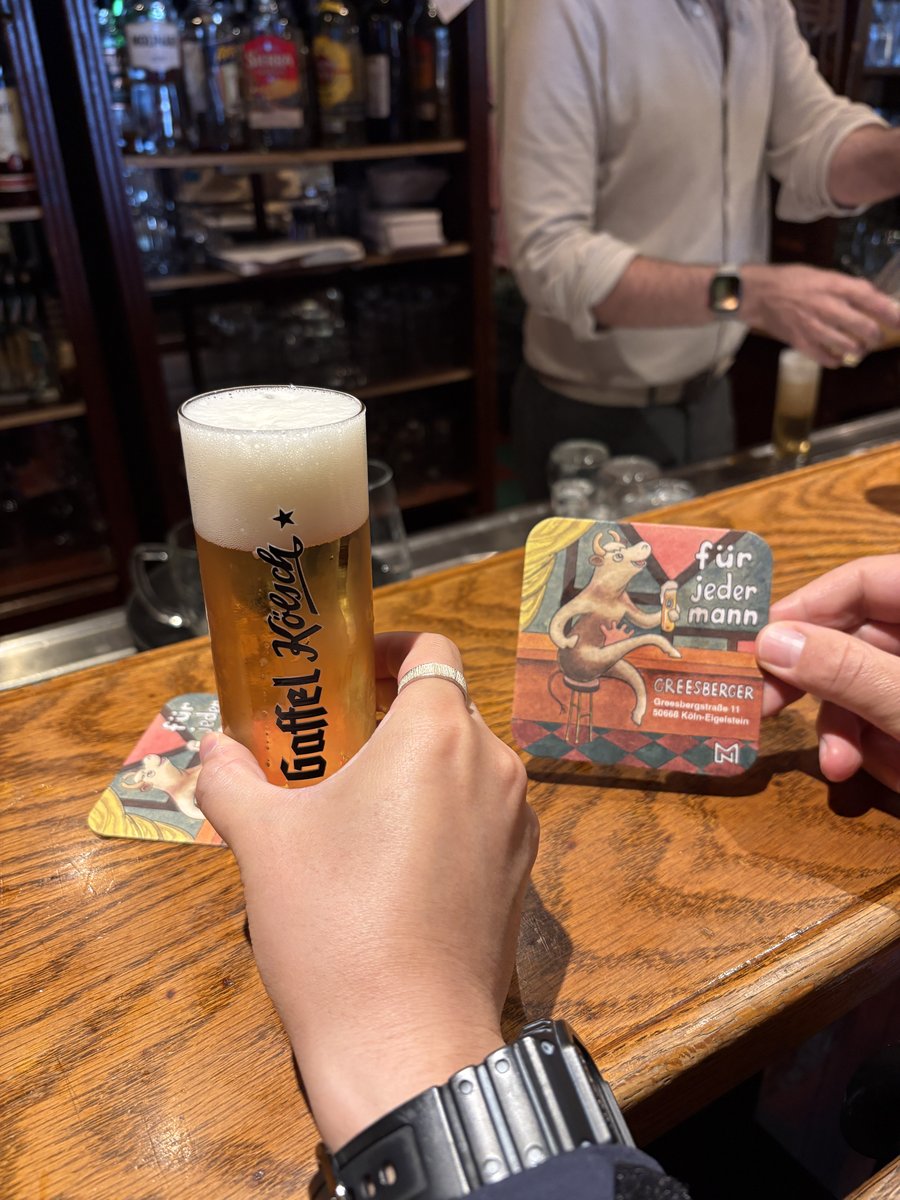
Also, Cologne is famous for Kölsch, a light, crisp local beer served in small 0.2L glasses called Stange. Waiters known as Köbes keep bringing fresh ones until we place our coaster on top of the glass. And they draw a line on our coaster once they serve a new glass. I ordered a big sausage with fries and talked to a guy who was sitting in front of me, and we became friends — he is a high school math teacher, and he showed me some spots around the restaurant.
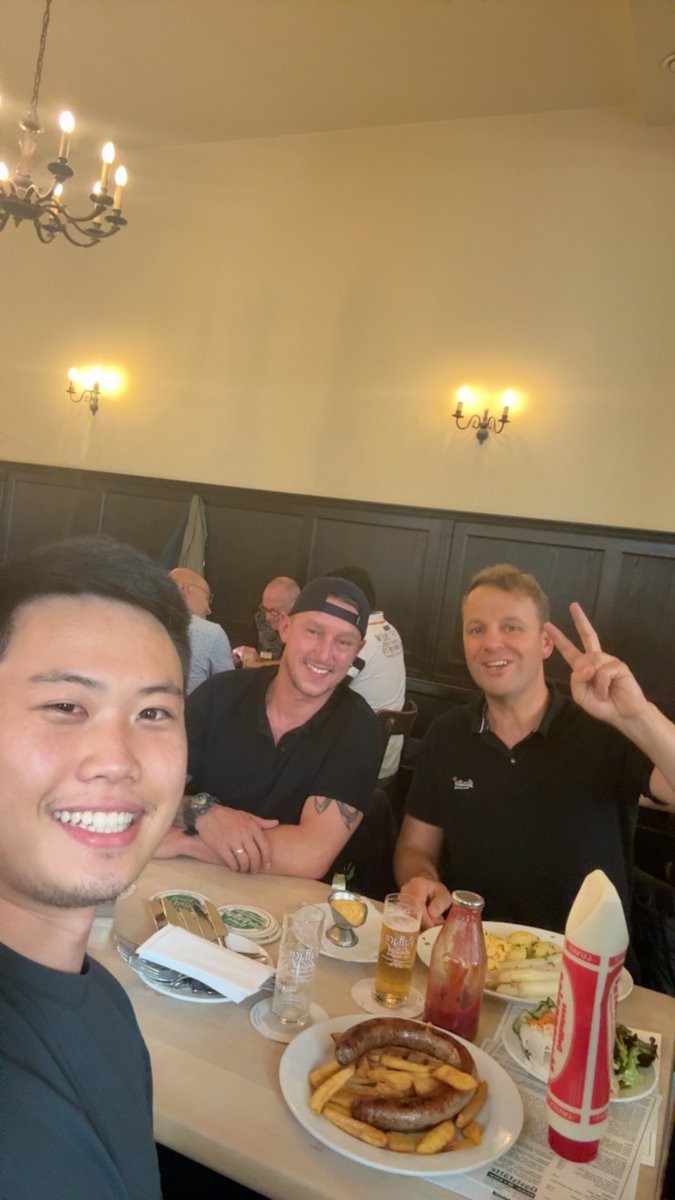
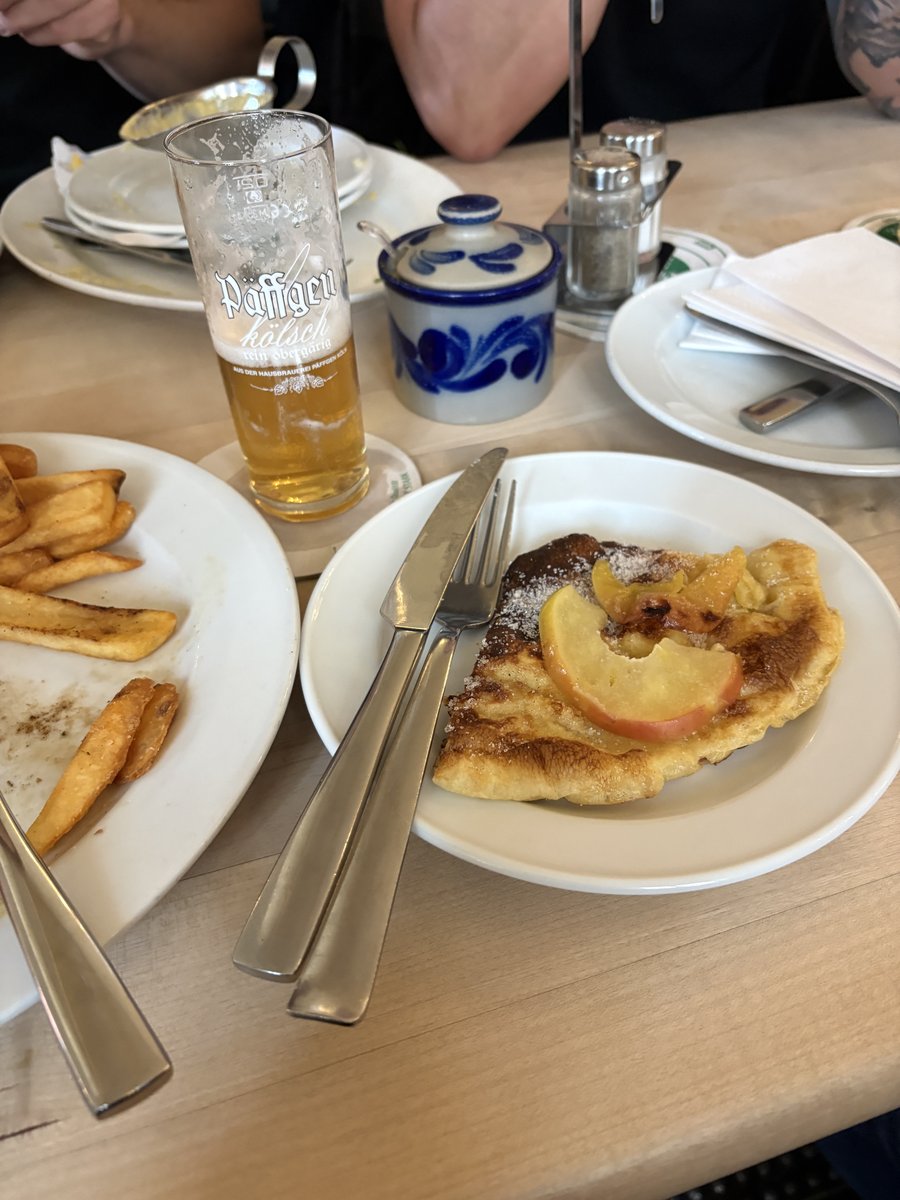
Then we went to a bar and enjoyed some more glasses, which were from all over Germany, such as Munich. Food in Germany feels a bit expensive to me, but local beers and beer snacks were quite reasonable — what a good culture.
History and beer — they may seem unrelated, but I discovered that both are deeply rooted in German life and mind.
Comments
Loading...