Luxembourg
Luxembourg
Brussels to Luxembourg
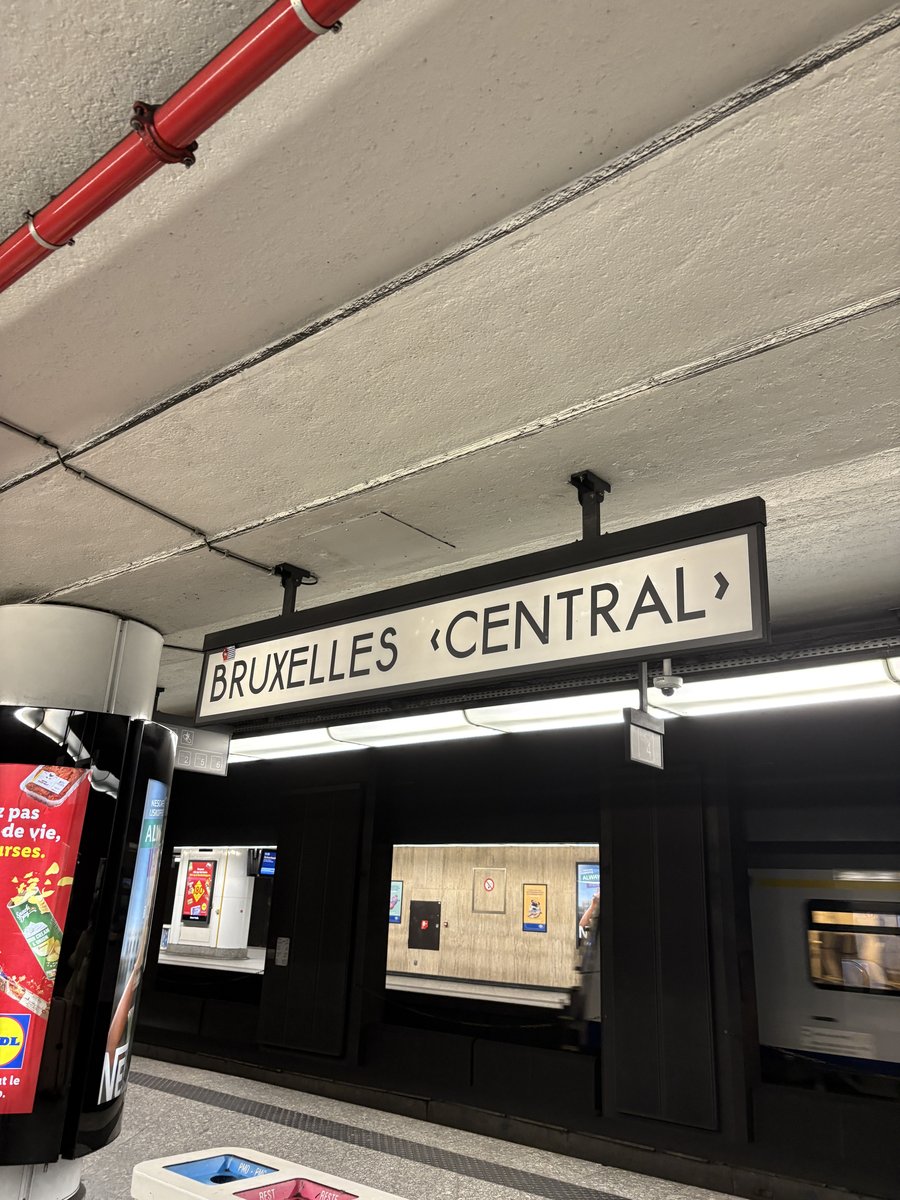
The next country is Luxembourg - a small country surrounded by Belgium, Germany and France. I chose a train to go there and it was around a 3 hour trip. The station in Brussels (the main station) was quite busy as trains come every few minutes on each platform. However, the station in Luxembourg had fewer people and trains and was more quiet.
Actually I struggled to find a good hostel in Luxembourg so I chose this hotel where I have my own room and bathroom. The price was around 100€ per night and this was the most expensive stay in my whole trip so far, but the room was cozy and I could relax well (sometimes it's hard to sleep comfortably when staying in a hostel because of the noise).
About Luxembourg
Luxembourg is a very unique country because it is the only Grand Duchy in the world (most other Grand Duchies were merged into other European countries). The position of Grand Duke sits between King and Duke, and Luxembourg's new Grand Duke is Guillaume, who acceded to the throne in October 2025 after his father Henri abdicated.
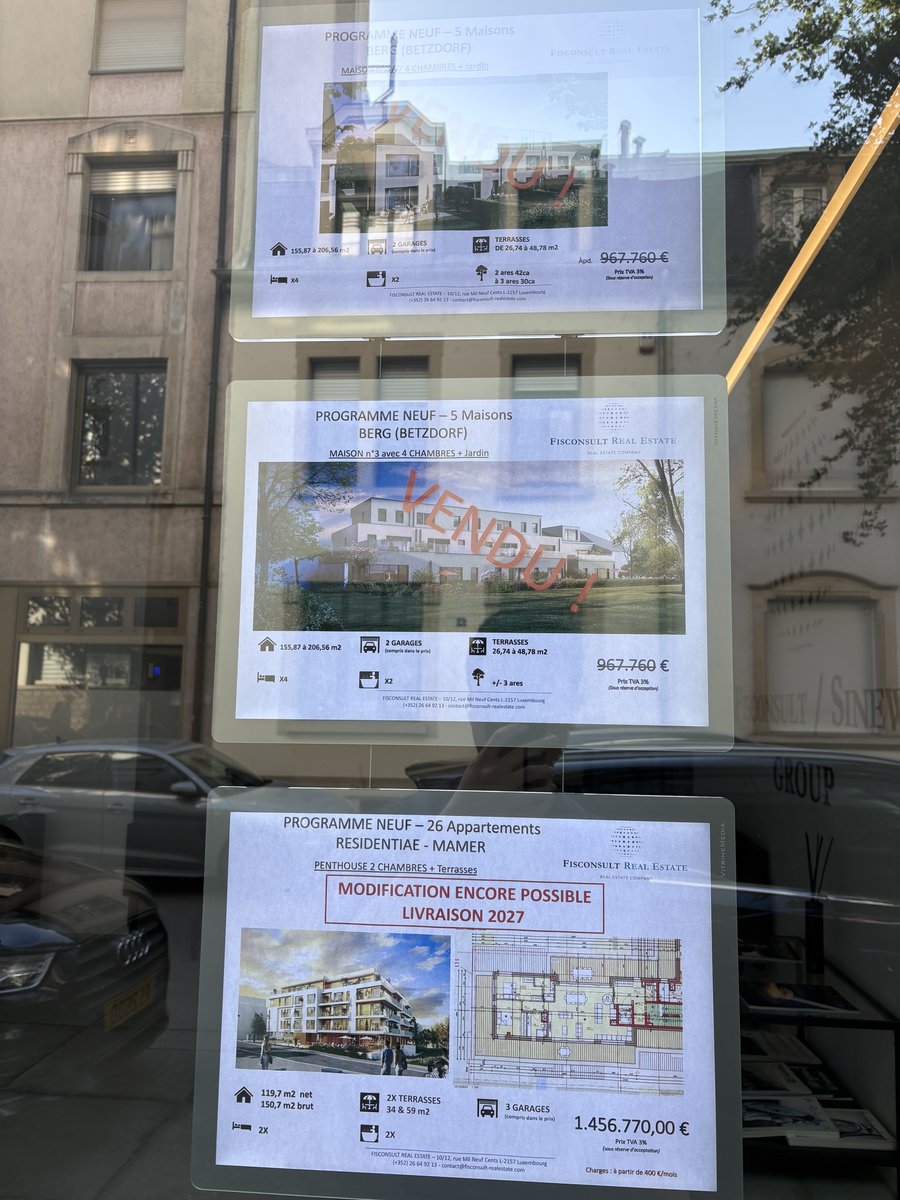
Also, Luxembourg is known as "the richest country in the world" since its GDP per capita is the highest in the world. What made them so rich? The reason is that it is a financial hub in Europe and tons of financial funds and advisors have offices in Luxembourg. The city itself is quite small but I saw many investment fund offices while I was walking around. Their land is small but they succeeded in becoming a wealthy country by gathering financial companies. I just remembered I met a person from Luxembourg in Estonia, and he had high financial literacy and knew a lot of Japanese stocks and bonds even though he was a farmer. However, I also saw many immigrants in Luxembourg, which made me think there is a big economic gap between the wealthy and ordinary people.
Luxembourg City
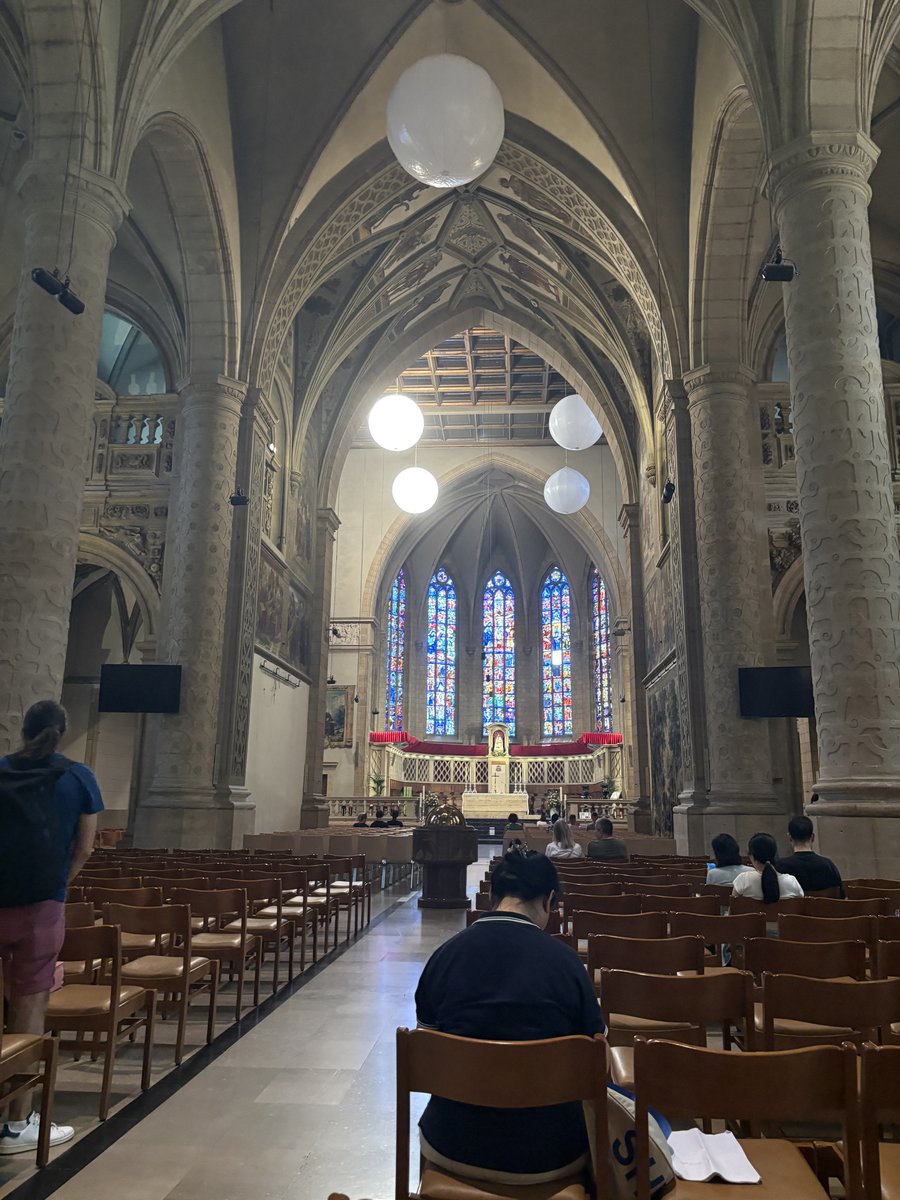
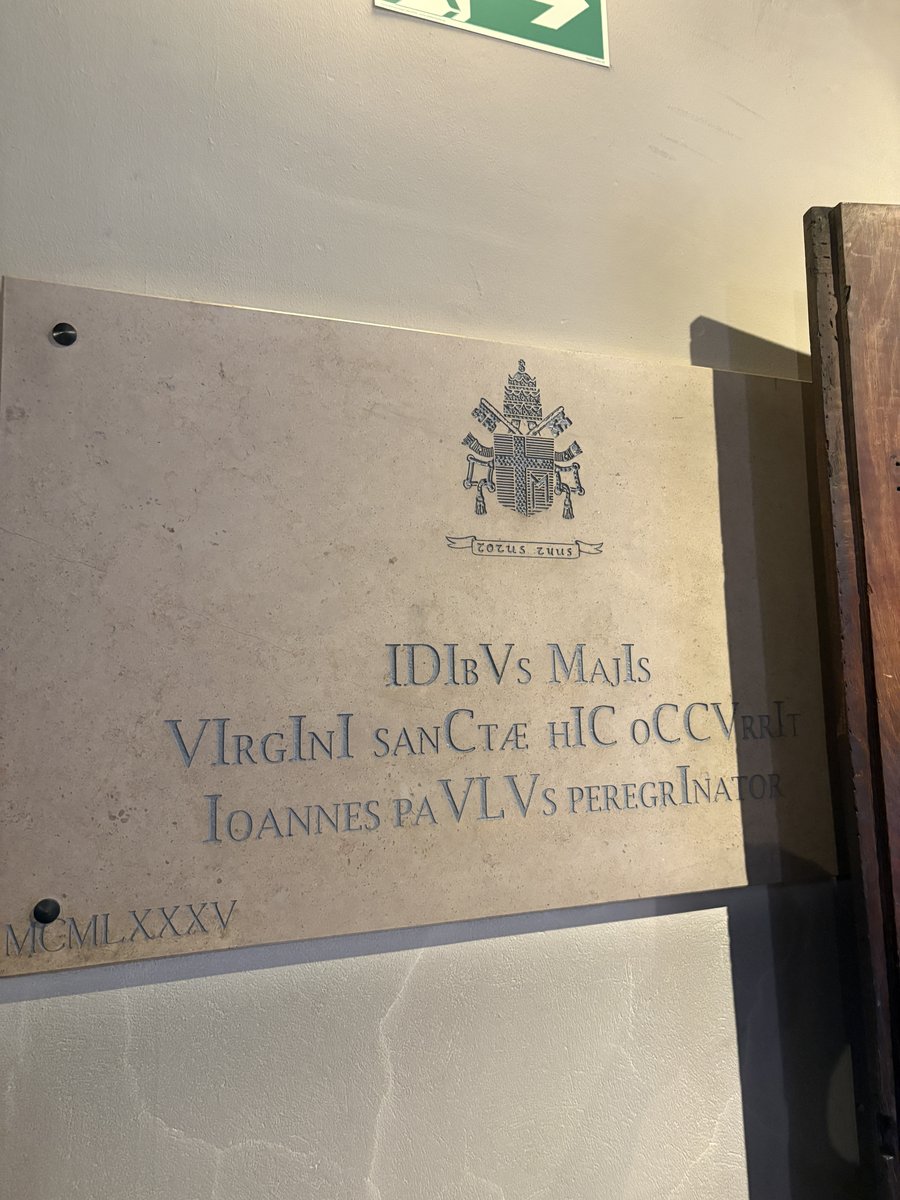
Luxembourg is a compact city and 2 days is enough to visit most of the landmarks. Personally, Notre-Dame Cathedral was the most memorable place.
Notre-Dame Cathedral of Luxembourg (Cathédrale Notre-Dame) is the country's only Roman Catholic cathedral, originally built between 1613 and 1621 as a Jesuit church and elevated to full cathedral status in 1870. Its blend of late Gothic and Renaissance architecture houses the tombs of several Luxembourgish grand dukes and the revered medieval king John the Blind (Jean l'Aveugle), who fell at the Battle of Crécy in 1346. The cathedral is also home to the small but deeply venerated statue of Maria Consolatrix Afflictorum (Comforter of the Afflicted) — patron saint of both Luxembourg City and the nation — which draws tens of thousands of pilgrims each spring during the five-week Octave festival.
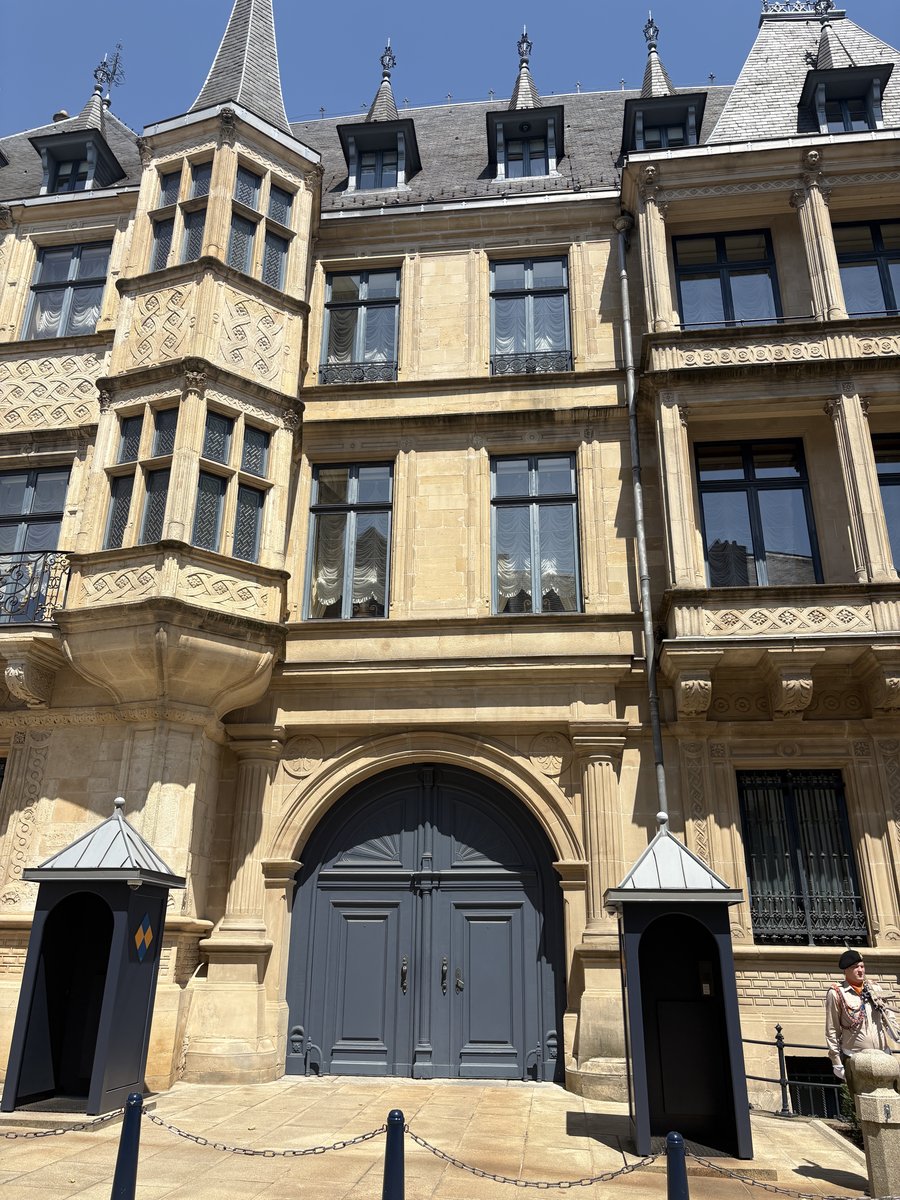
Also, there is the Grand Ducal Palace near the cathedral and I got to see the changing of the guard, which was quiet but solemn.
The Grand Ducal Palace (Palais Grand-Ducal) is the official residence and workplace of the Grand Duke of Luxembourg, set in the heart of Luxembourg City's old town. Originally built in 1572–1573 as the city's town hall, its richly ornamented Renaissance Flemish façade has been expanded and embellished over the centuries to become the official seat of Luxembourg's monarchy. While the Grand Duke and his family actually reside at the Château de Berg in the countryside, this palace is used for state functions, audiences with foreign dignitaries, and royal receptions — and opens to the public for guided tours during summer (mid-July through early September), when visitors can also catch the ceremonial changing of the guard outside.
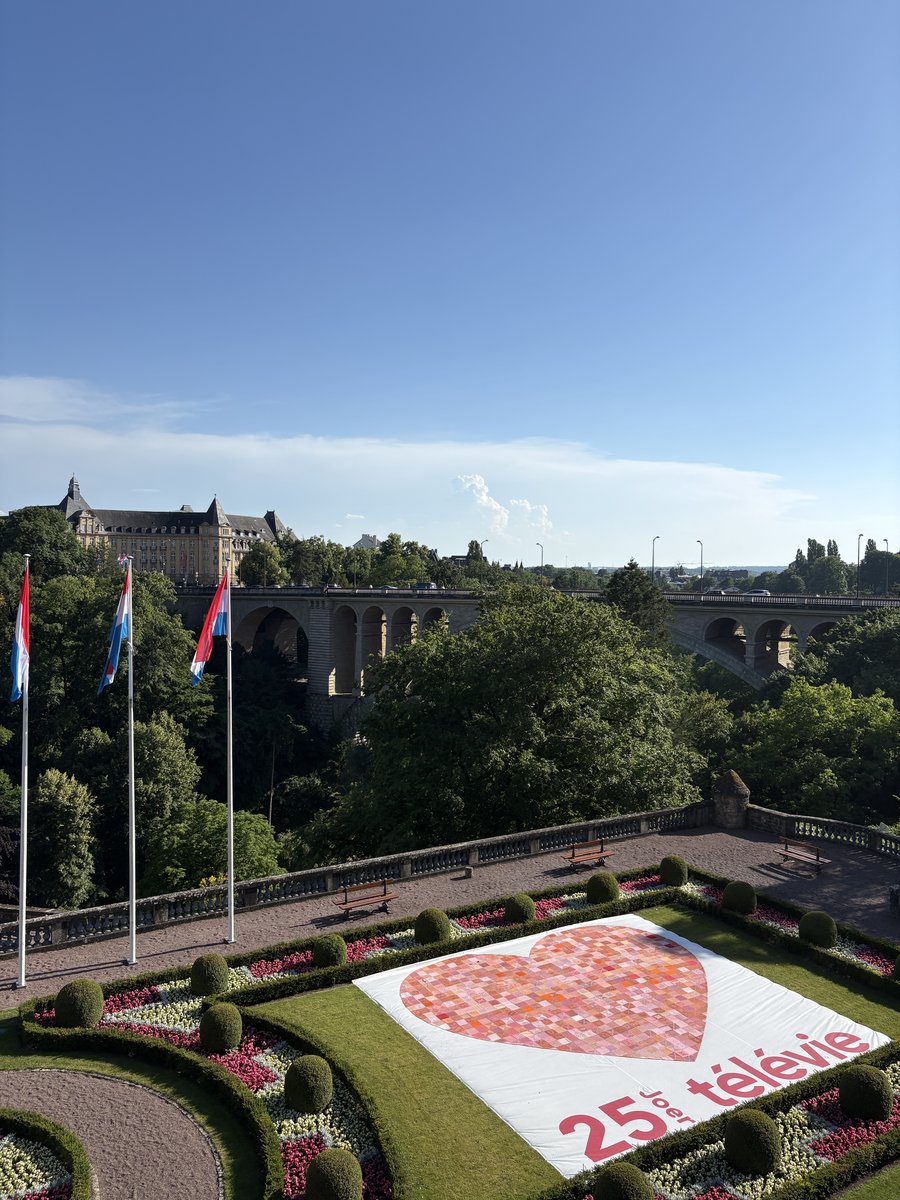
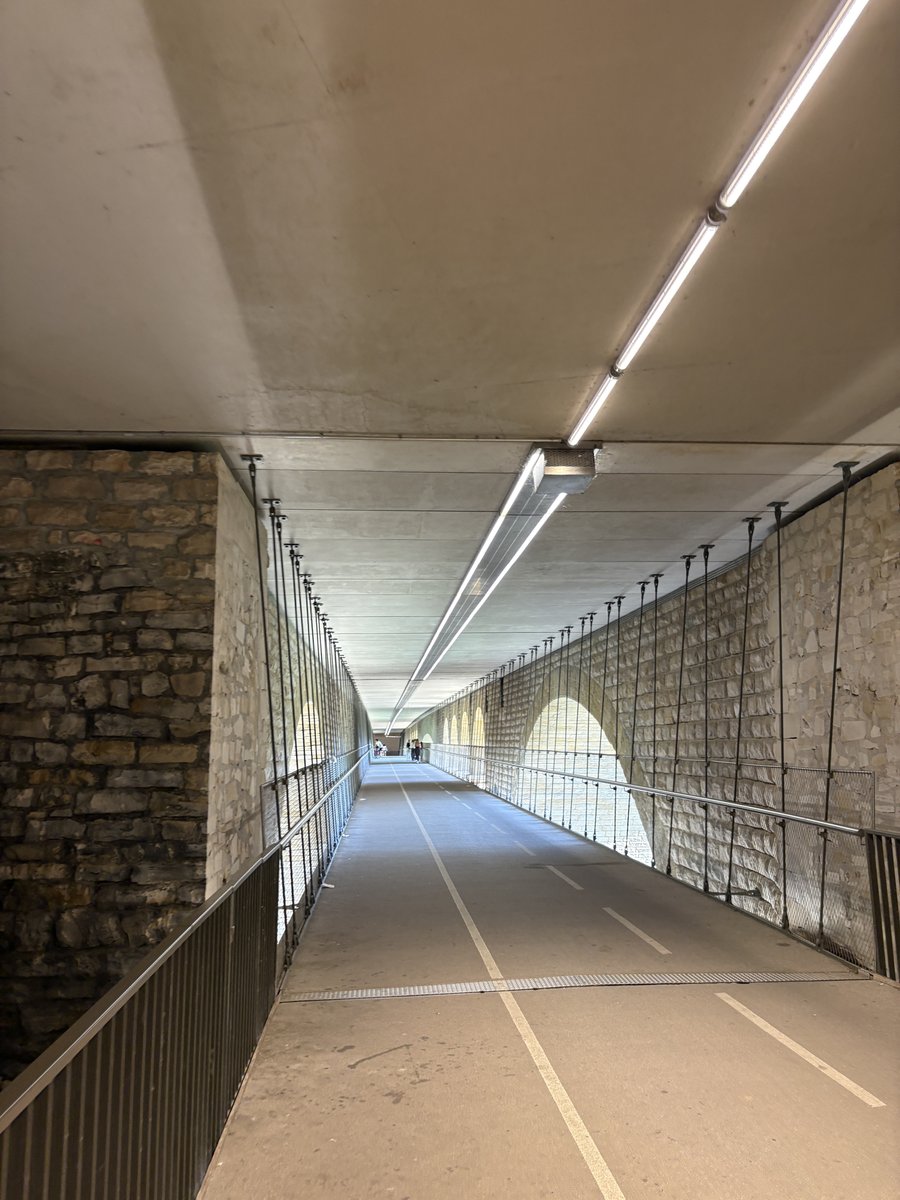
It was really hot while I was in Luxembourg, but they saved my energy — public transportation in Luxembourg is completely free including for tourists, so I used this benefit and enjoyed traveling comfortably. That said, the Adolphe Bridge is worth walking across since the road is covered underneath the bridge and has shade.
The Adolphe Bridge (Pont Adolphe) is the iconic 153-meter stone arch bridge spanning the Pétrusse valley in Luxembourg City, linking the historic Upper Town with the modern Gare district to the south. Opened in 1903 and named after Grand Duke Adolphe, it featured one of the largest stone arches of its era — an 84-meter main span that was a world record at the time of construction. Affectionately nicknamed Nei Bréck ("the New Bridge") by locals, it remains one of Luxembourg's most photographed landmarks; a major 2012–2017 renovation also added a suspended pedestrian and cycle deck beneath the road, opening up dramatic new views across the gorge.
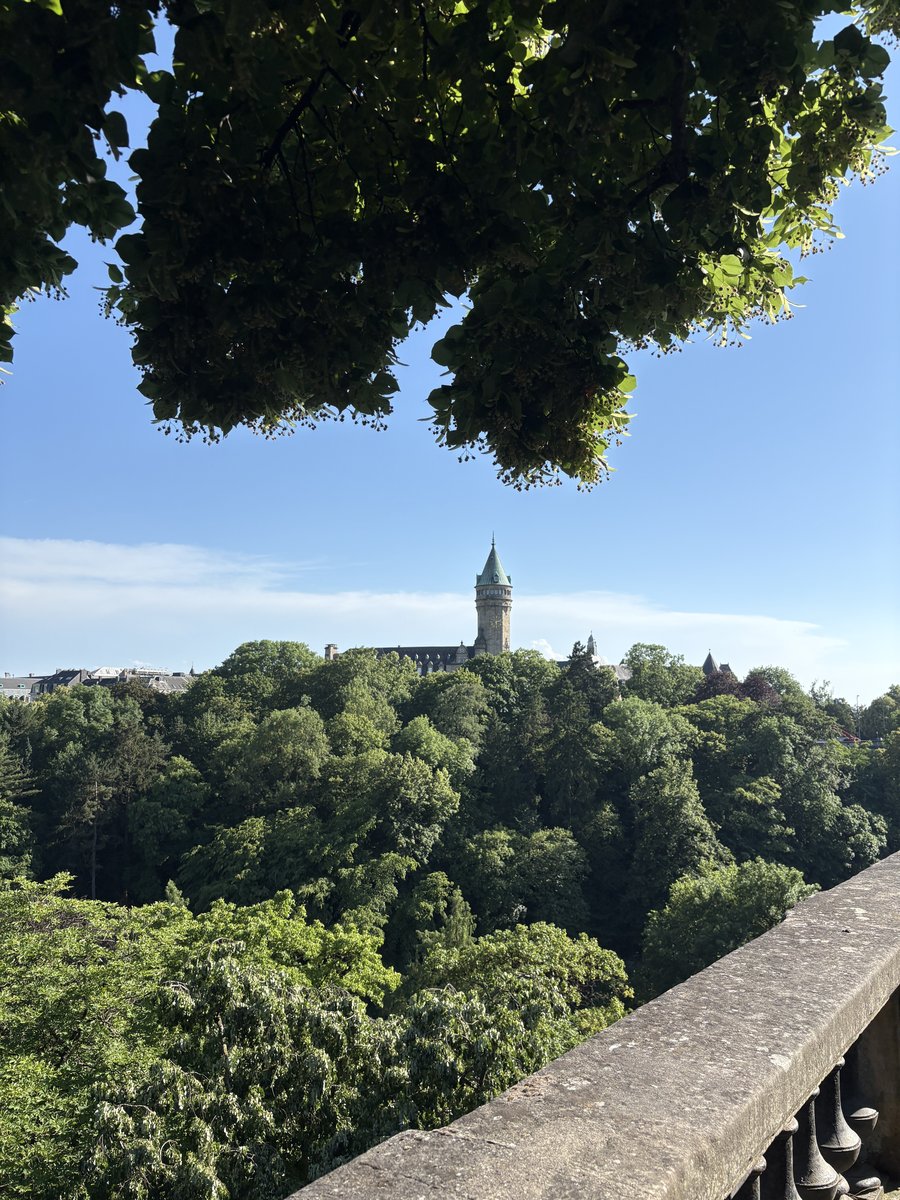
I only stayed 2 days, but Luxembourg gave me a different kind of city experience.
Comments
Loading...