Morocco
Morocco
Tangier
After staying in Sevilla, my next destination was Morocco — my first time on the African continent. I was supposed to go to Egypt in April, but it was canceled due to the Middle East situation. So Morocco wasn't in my travel plan at first, but I didn't want to miss visiting African countries during this trip, so I decided to go to Morocco by ferry from Spain.
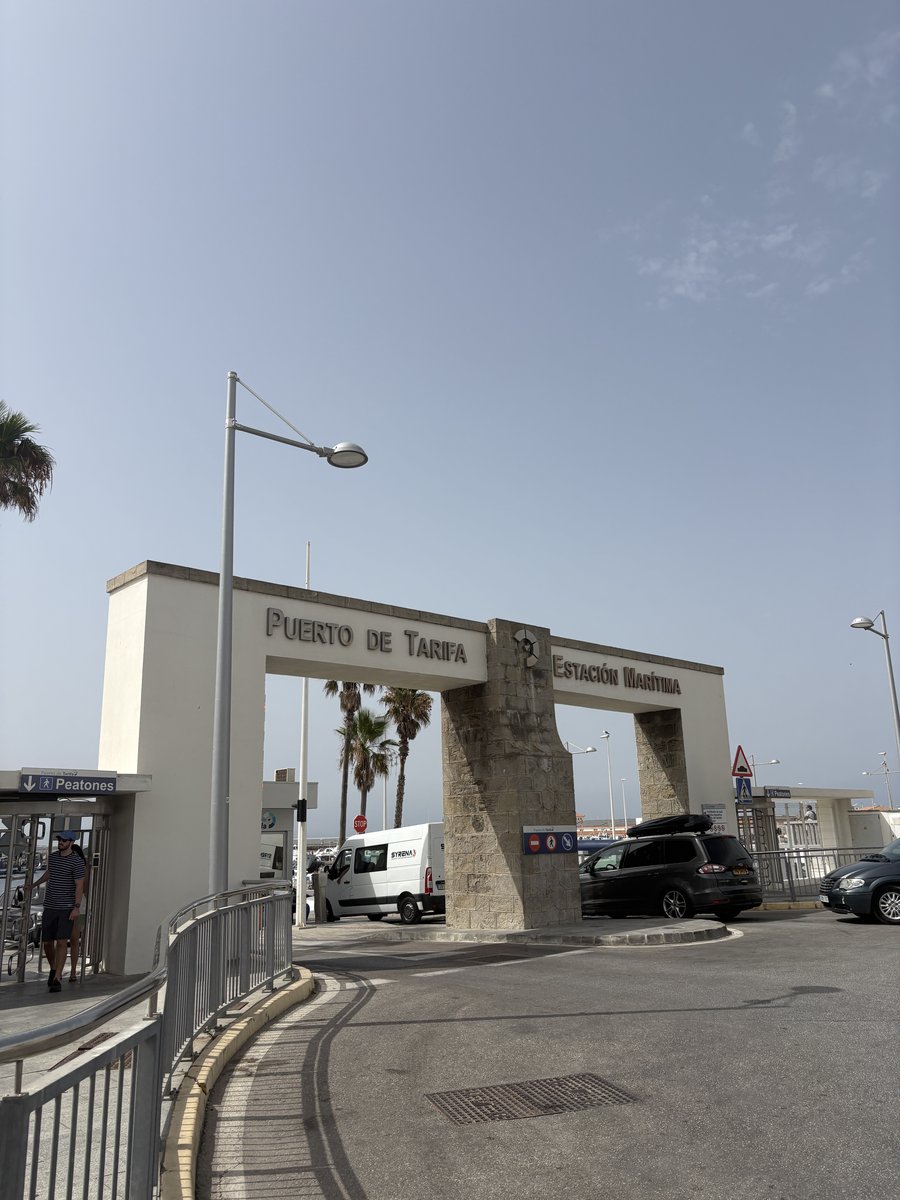
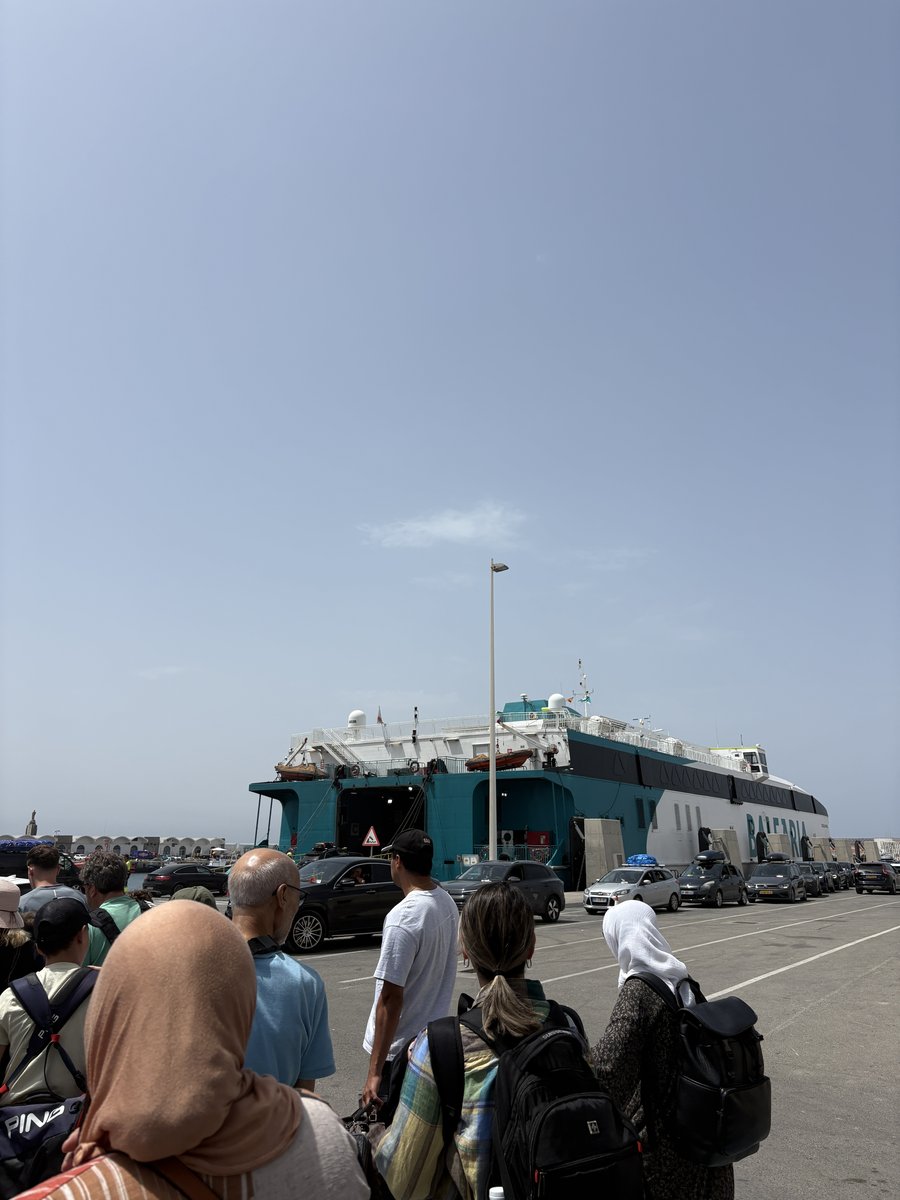
First, I took a bus to a small port town called "Tarifa". The distance between Tarifa and Tangier is just 30-40 km across the "Strait of Gibraltar", the western entrance to the Mediterranean Sea. I had booked the ticket online in advance, but it seems that ferries depart every 30-60 minutes, so you can buy tickets at the counter without worrying about it being fully booked. There was passport control just like at a normal airport, and I boarded the ship. Inside was quite spacious, with a café, restaurant, and souvenir shop — but what I didn't expect was that we needed to get an immigration stamp on the ferry, and I ended up spending almost all my time waiting in line at passport control (the trip was only 1 hour — very close call!).
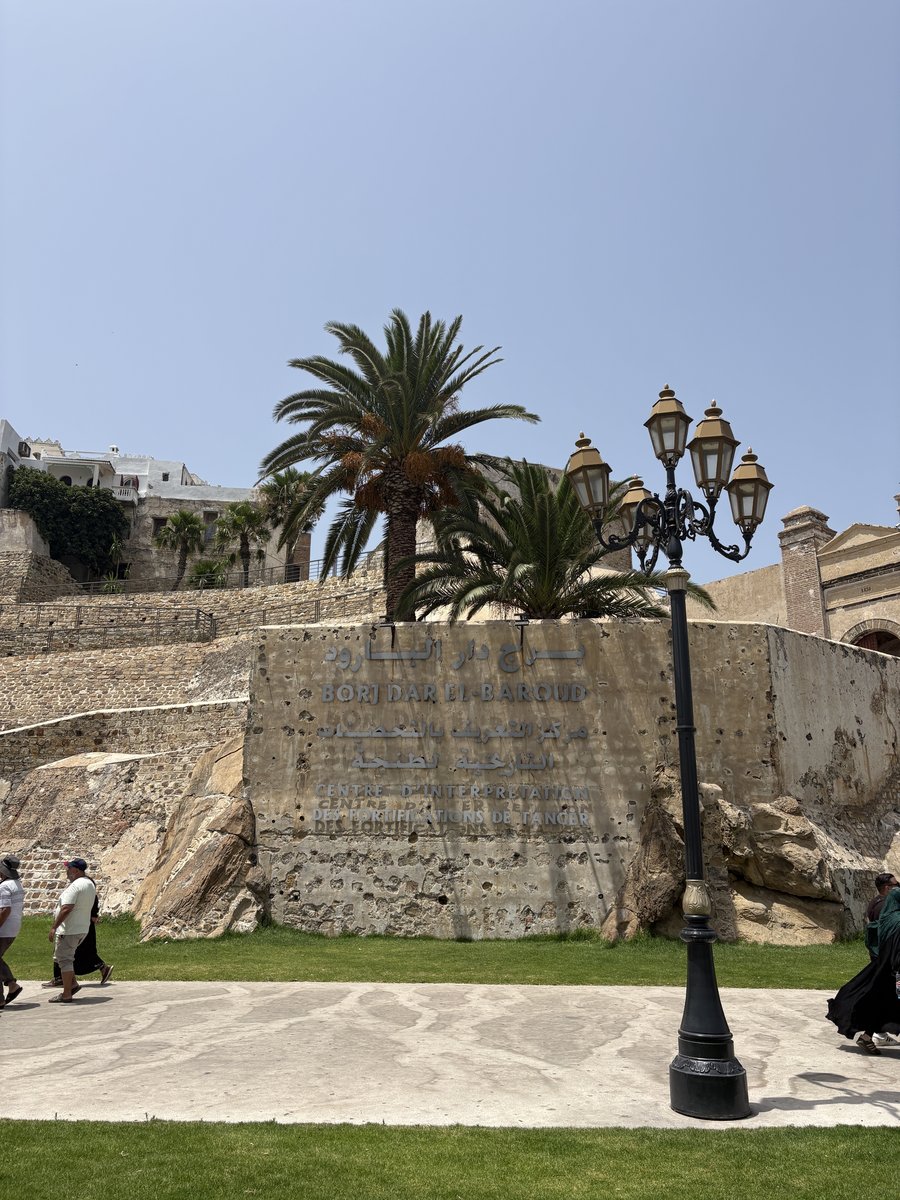
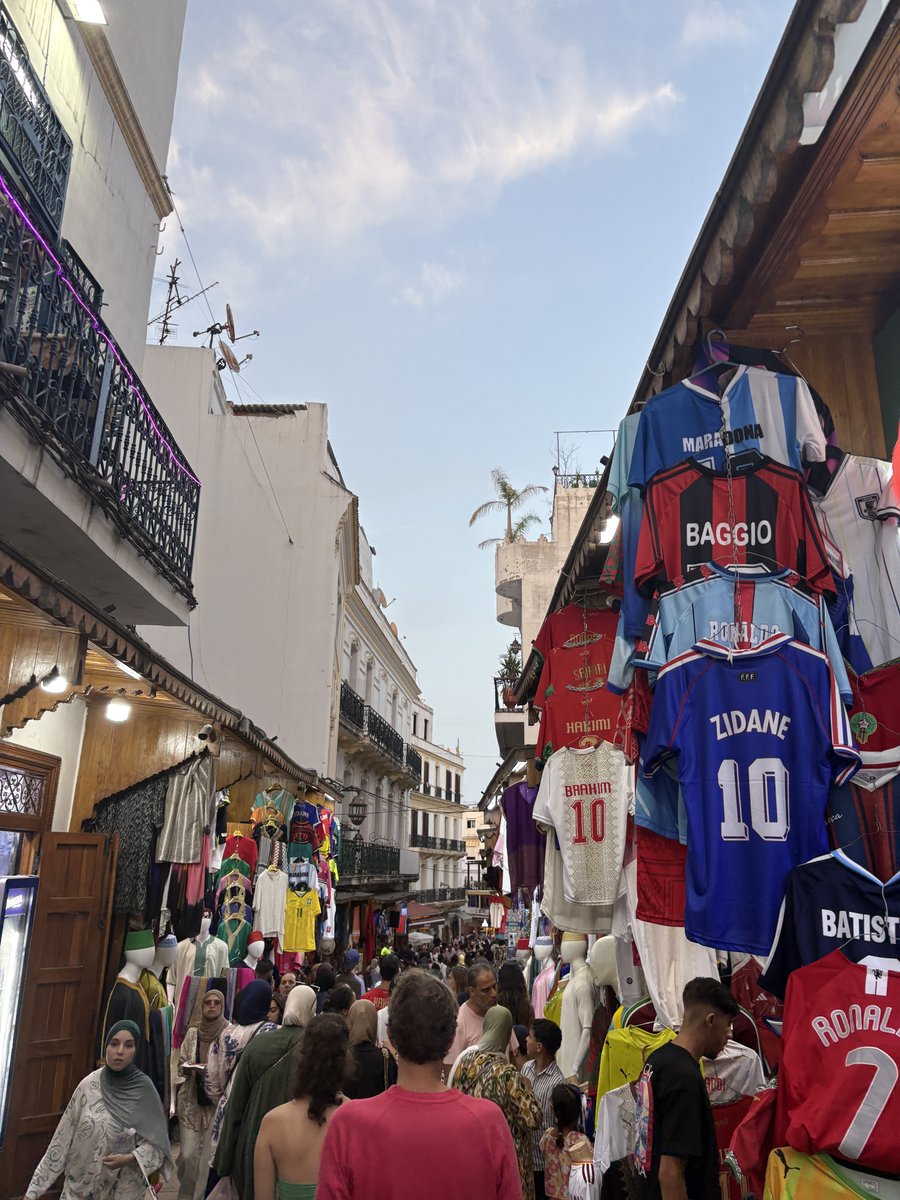
Tangier is the entry city from Europe, and there were a lot of tourists. The official languages in Morocco are Arabic and Berber (Tamazight), but I heard that French is also commonly spoken because of the colonial background — and I met some locals who spoke French but not English (in Tangier, some people speak Spanish too). Also, Morocco is a Muslim country, and the atmosphere was totally different from Europe (I also met tons of cats — they're beloved in Islamic culture). And it was only after getting to Rabat, the capital, that I realized most of the buildings in Tangier were painted white.
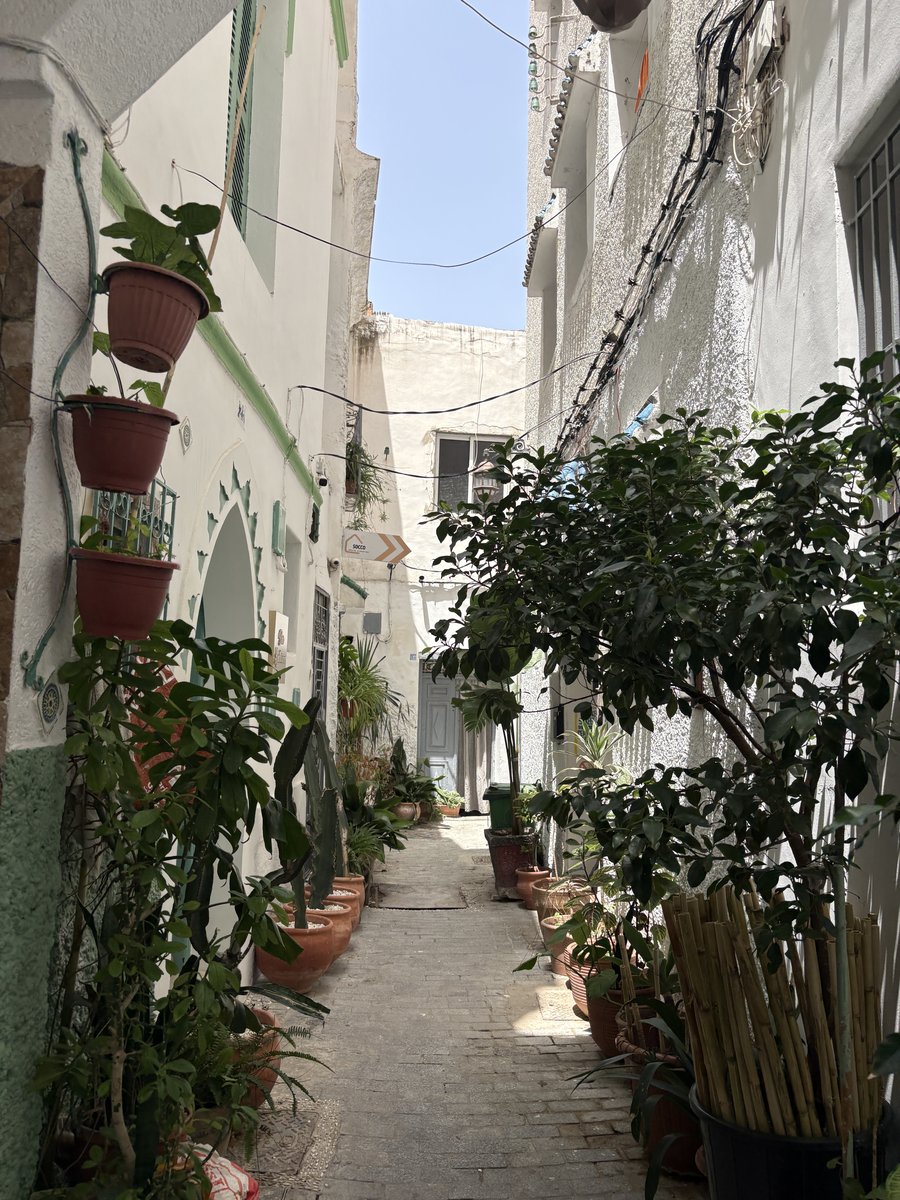
The hostel in Tangier was pretty good — tidy, and they had a good breakfast. They served mint tea and couscous porridge, which are popular local dishes, and both were so delicious.
I tried other Moroccan dishes as well, and "Tajin" became my favorite. Tajin is the name of the clay pot, and you put main ingredients like meat or fish in it and slow-cook them with olives and a turmeric-based sauce. It's much healthier than I thought, and eating it with fries is the Moroccan style. I loved all the food in Morocco — you can enjoy meals for less than half of what you'd pay in Europe, and it was definitely a hidden gem.
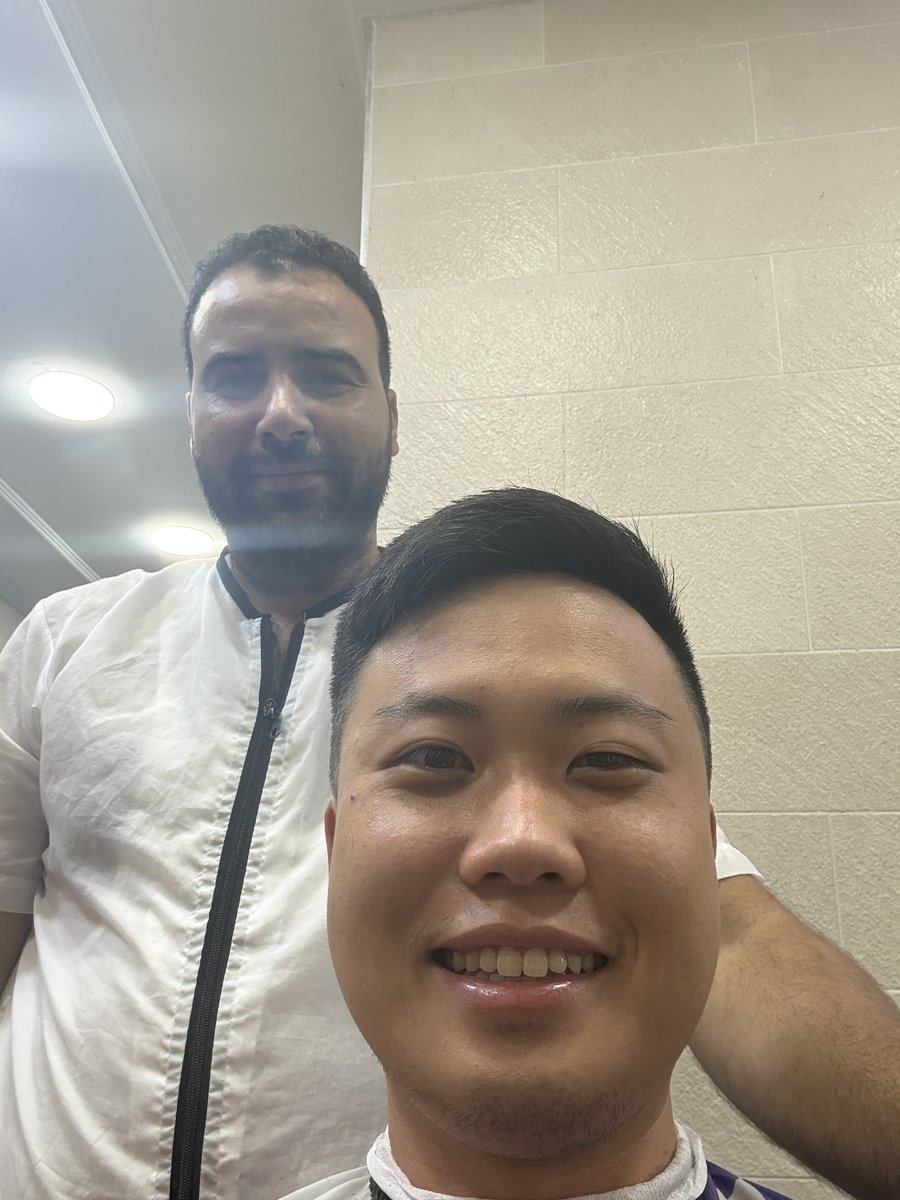
So I decided to get a haircut here. I went to a local barbershop that two brothers have been running for 15 years, and we exchanged a lot even though we didn't speak each other's language.
Rabat
I stayed in Tangier for two nights, then moved to Rabat by train. Morocco has a bullet train — the first bullet train in Africa. The station was clean, and my train departed right on time. Rabat is about 300 km south of Tangier, but it only took 1.5 hours — it would have taken 6-7 hours by bus.
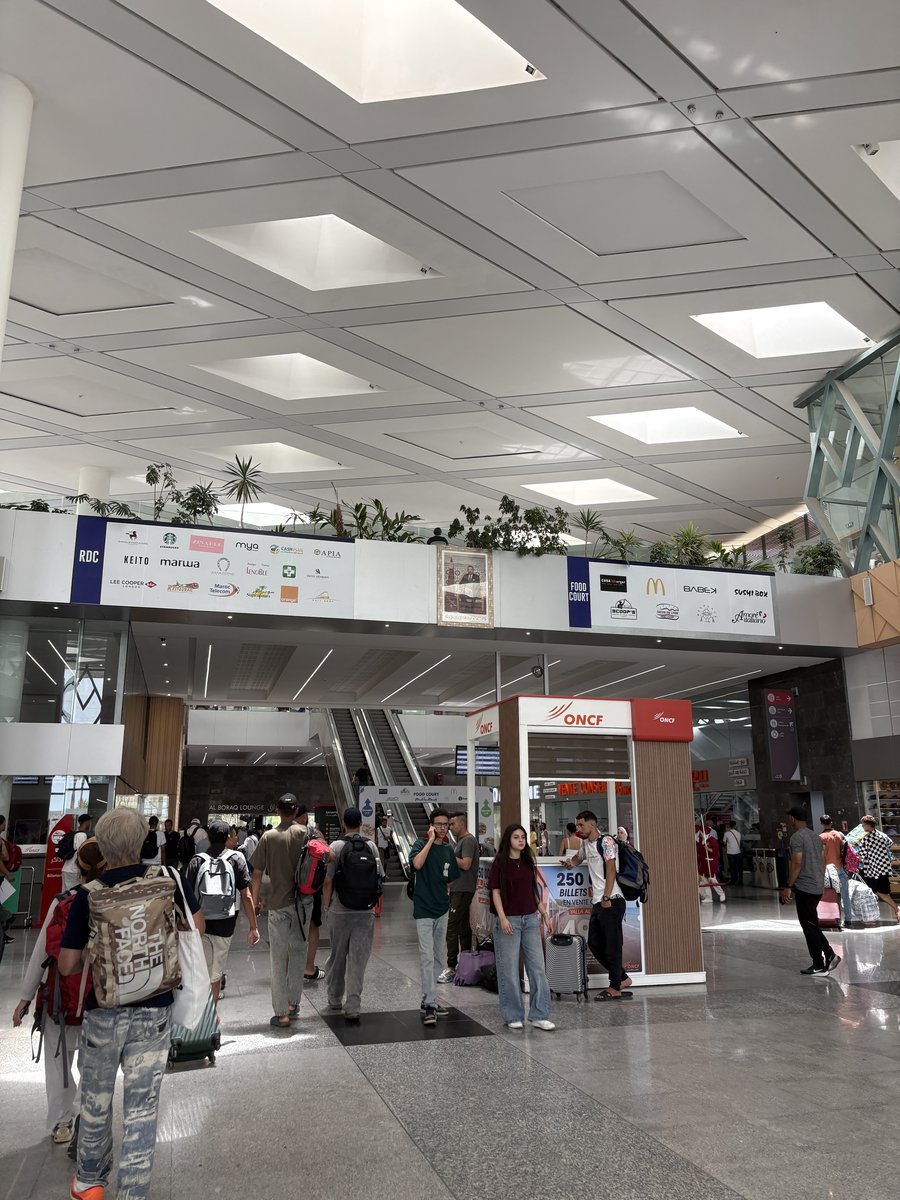
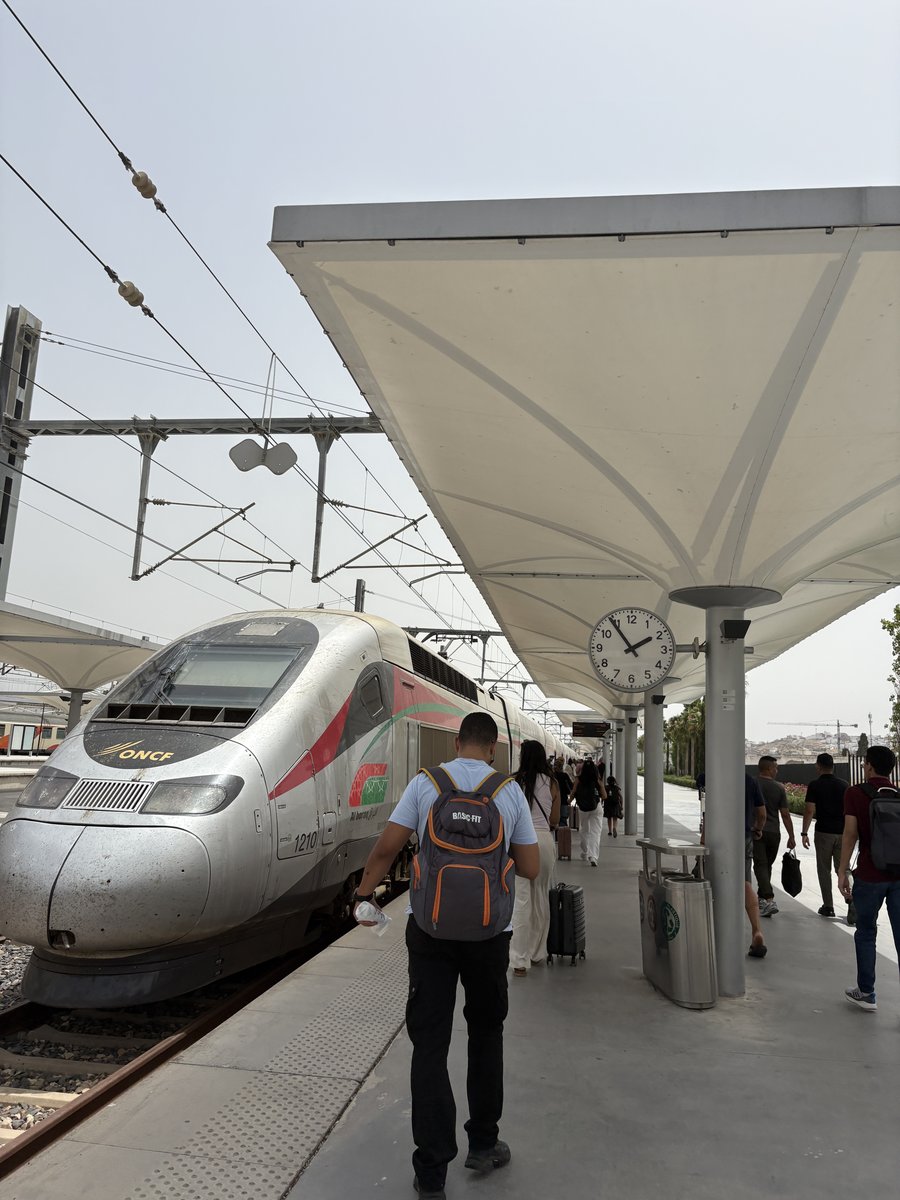
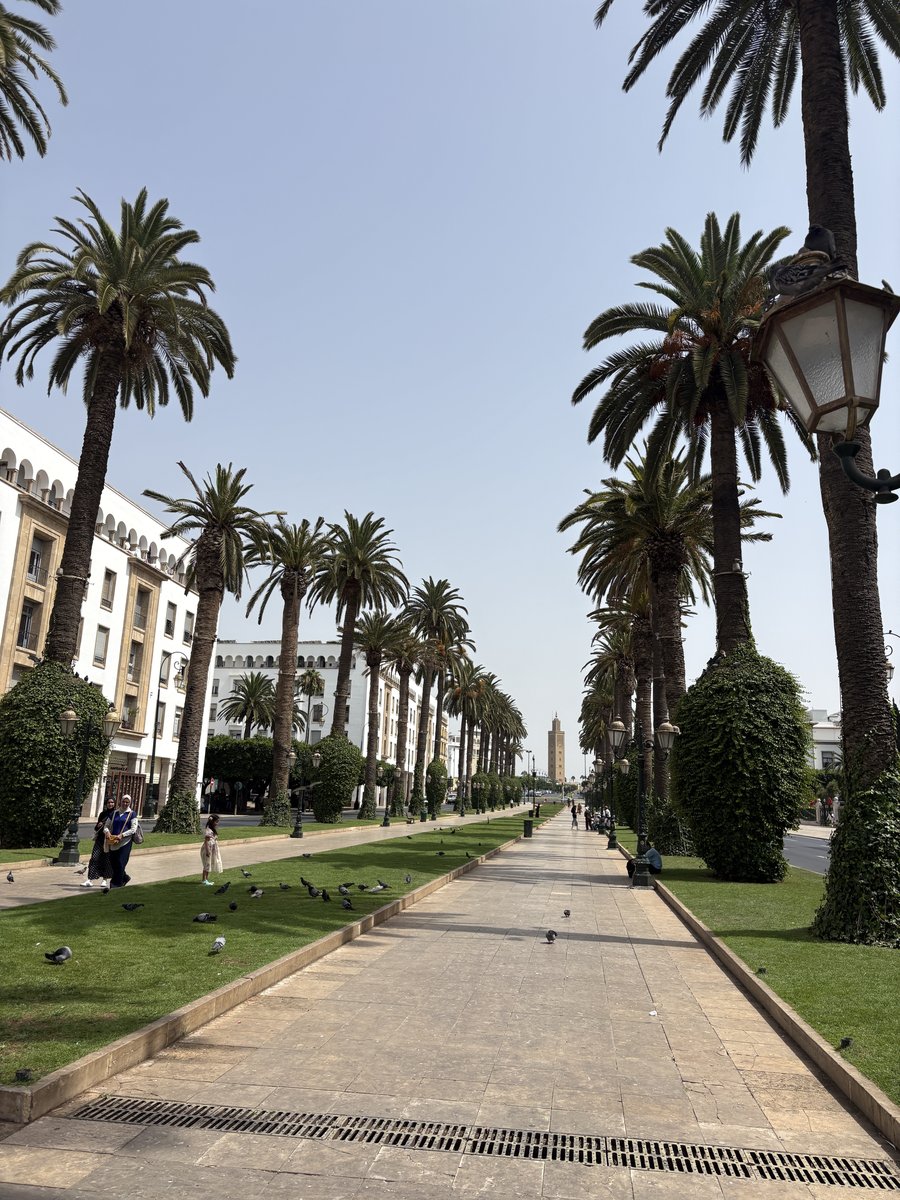
Rabat is the capital and political center of Morocco. In Morocco, Casablanca and Marrakech are popular travel destinations, but personally I love this city because it's calm and you can see people's normal, everyday life.
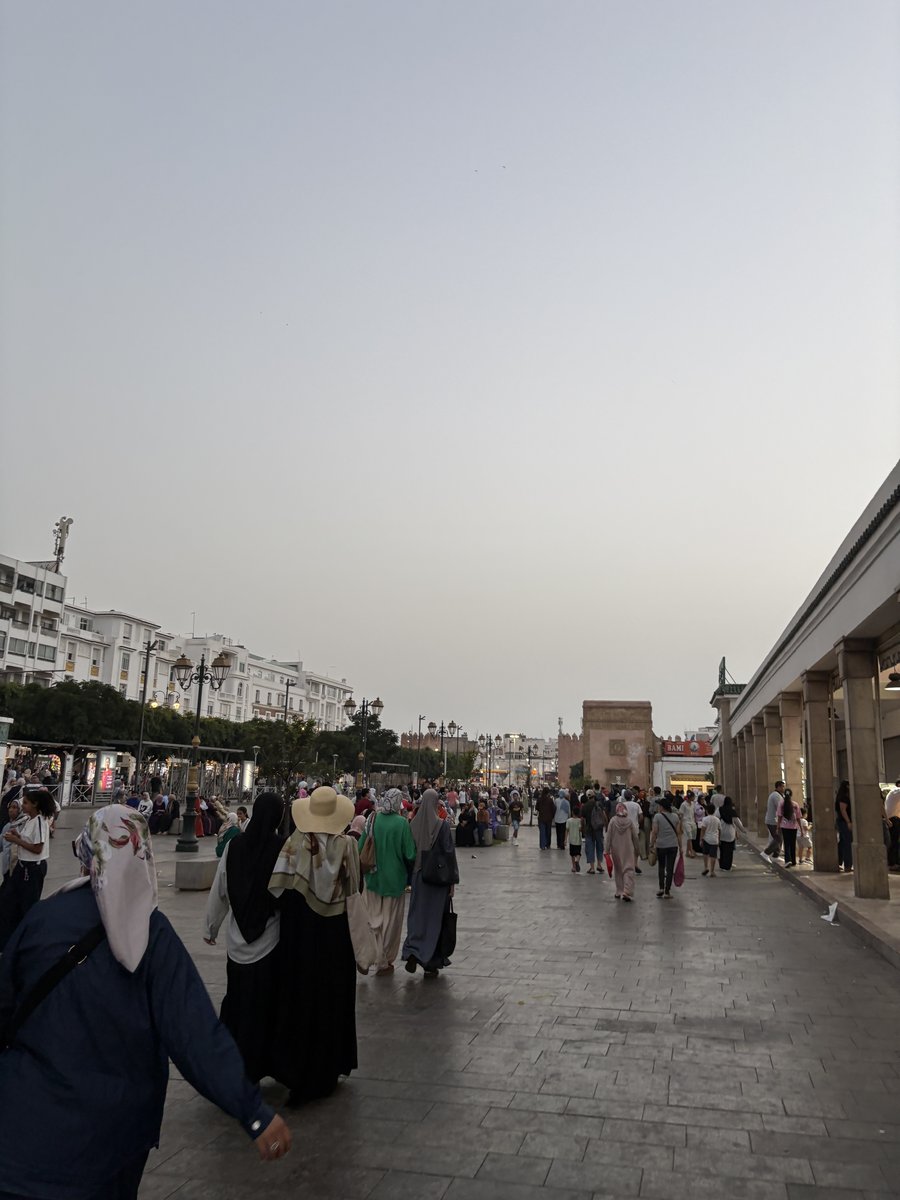
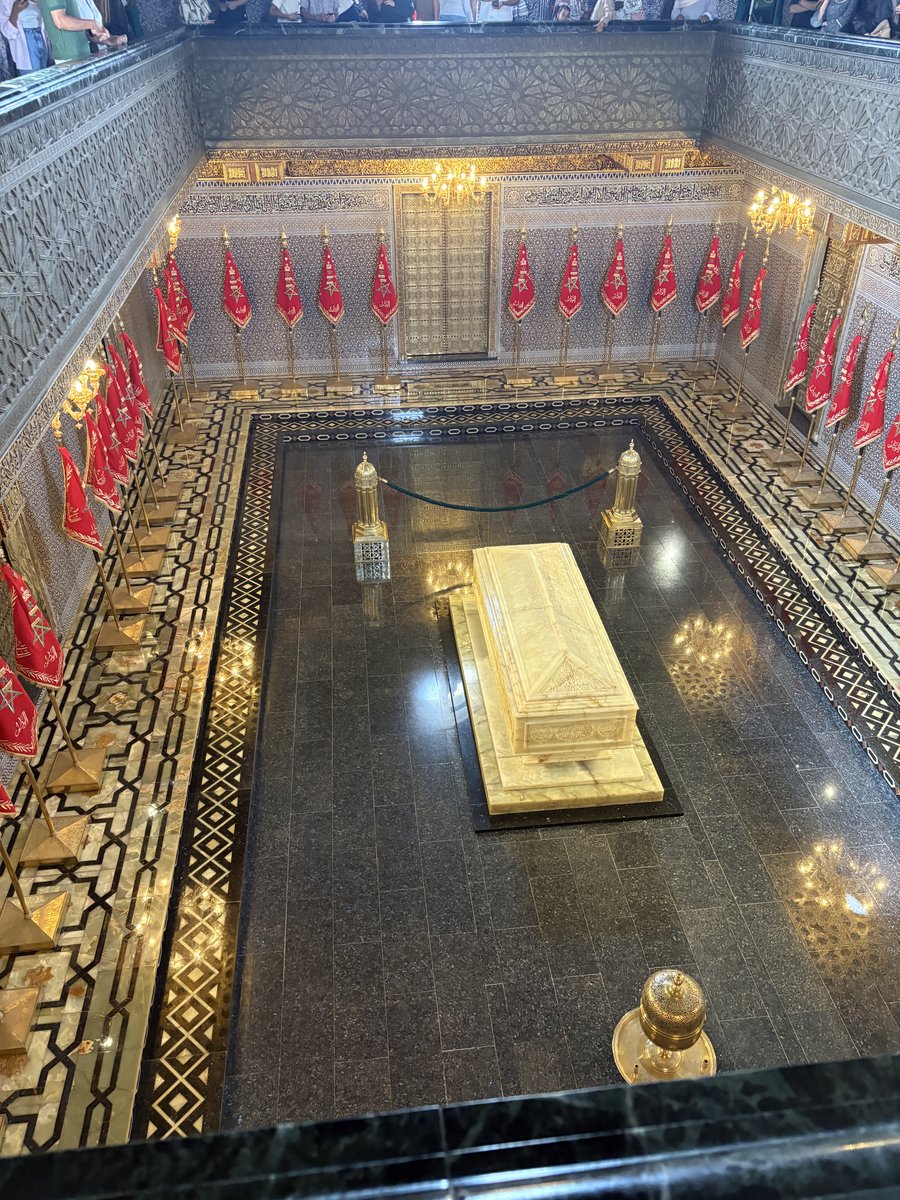
The Mausoleum of Mohammed V and Hassan Tower are the main landmarks in Rabat. Actually, I hadn't researched them in advance, but I was surprised to learn that the architect of the mausoleum was Vietnamese — Cong Vo Toan. Both Vietnam and Morocco have historical ties with France, and this architect was sent to Morocco to design the mausoleum. It's an Islamic-style mausoleum, but anyone can enter inside, and it reminded me of the Ho Chi Minh Mausoleum in Hanoi.
The Mausoleum of Mohammed V is a royal tomb in Rabat housing the graves of King Mohammed V (father of modern Morocco), his sons King Hassan II, and Prince Abdallah. Commissioned by Hassan II after his father's death in 1961 and completed in 1971, it was designed by Vietnamese architect Cong Vo Toan in traditional Moroccan style — featuring a white marble exterior, a green pyramidal roof, intricate zellige tilework, carved cedar ceilings, and a stained-glass dome above the central chamber. Located directly across from Hassan Tower on the site of the never-finished 12th-century mosque, it is guarded by royal soldiers on horseback and is one of the few Islamic religious sites in Morocco open to non-Muslim visitors.
Hassan Tower (Tour Hassan) is the unfinished minaret of a grand mosque commissioned in 1195 by Almohad Sultan Yaqub al-Mansur in Rabat, intended to be the largest mosque in the world at the time. Construction was abandoned when the sultan died in 1199, leaving the minaret at 44 meters — about half its planned height of 86 meters — and the mosque itself never completed. A 1755 earthquake destroyed most of the remaining structure, leaving only the tower and rows of stone columns where the prayer hall would have stood. Today it stands beside the Mohammed V Mausoleum as a UNESCO World Heritage Site and one of Morocco's most iconic landmarks.
I stayed in Rabat for 2 nights, then moved to Casablanca — the biggest city and economic center of Morocco — where I sightsaw and rested for 1 day. After that, I headed to the airport and flew to Lisbon, Portugal — the last country in Europe on this trip.
Comments
Loading...