Lisbon
Lisbon
Lisbon City
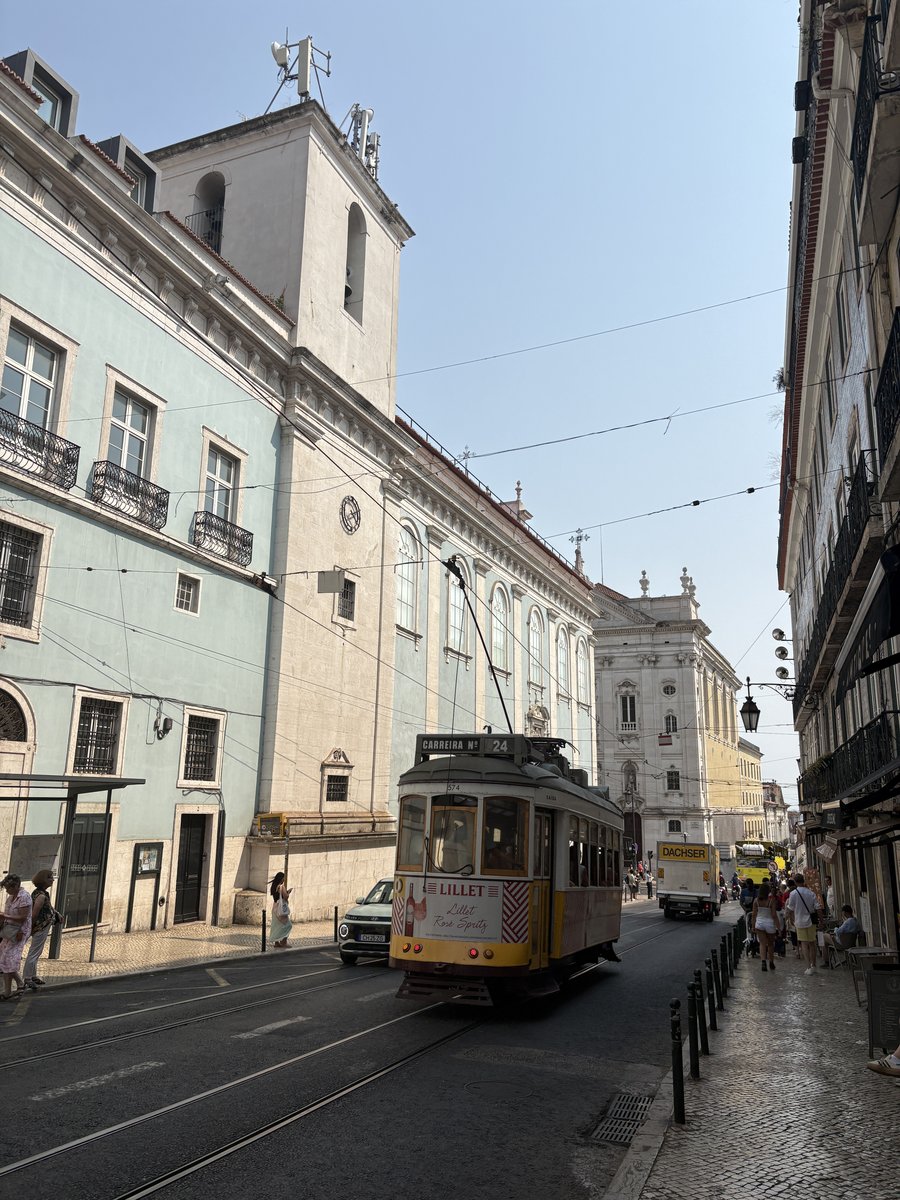
The last country I traveled to in Europe was Portugal (technically I had a layover in Ireland when flying to the US). I stayed in Lisbon (the capital) for three days and walked around the city. Lisbon isn't as big a city as I expected, and my first impression was that it felt calmer than expected compared to other European cities I've visited. Also, Lisbon has many steep roads and stairs, so I recommend using the tram or bus when you go.
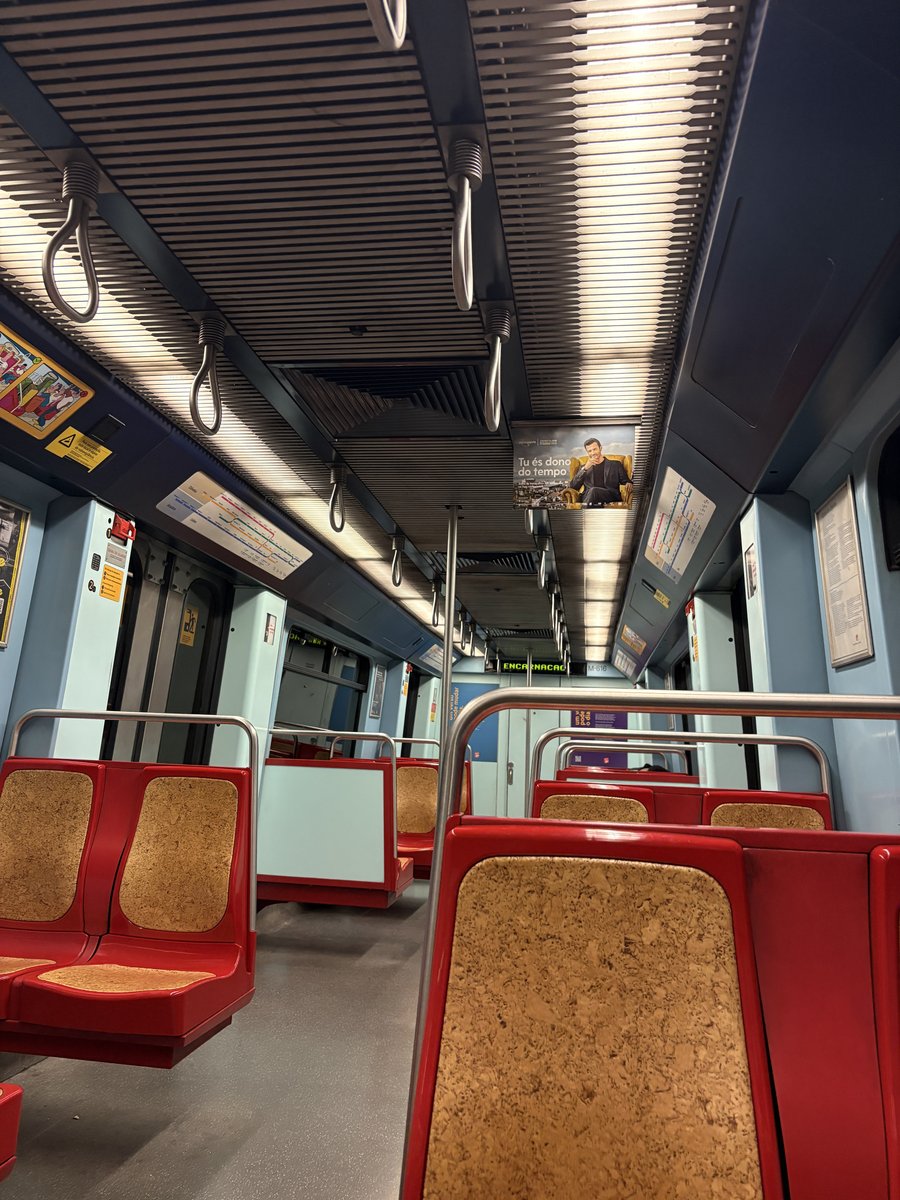
Access from the airport to the city center was quite convenient — there's a metro from the airport and it takes less than 30 minutes (however, the metro was stopped due to a technical issue when I was leaving).
I was focusing on studying during these three days, so I didn't visit many places (and some museums were closed), but I did see the big cathedral and squares.
Lisbon Cathedral (Sé de Lisboa) is the oldest church in Lisbon, built in 1147 by Portugal's first king Afonso Henriques on the site of a former mosque, right after he reconquered the city from the Moors. Its fortress-like Romanesque facade with two flanking bell towers reflects its dual role as both a place of worship and a defensive stronghold. Damaged by several earthquakes — most notably the catastrophic 1755 quake — it was rebuilt over the centuries with Gothic and Baroque additions, giving it its distinctive layered style. Located in the historic Alfama district, it remains the seat of the Patriarch of Lisbon and one of the city's most enduring landmarks.
Praça do Comércio is Lisbon's grand riverside square facing the Tagus, built after the devastating 1755 earthquake on the site of the destroyed Ribeira Royal Palace — hence its old name "Terreiro do Paço" (Palace Yard). Framed on three sides by symmetrical yellow arcaded buildings and opening to the river through the triumphal Arco da Rua Augusta, it served for centuries as the main ceremonial gateway to the city for arrivals by sea. At its center stands an equestrian statue of King José I, under whose reign the square was rebuilt as a symbol of Lisbon's post-earthquake renaissance.
Praça Dom Pedro IV, universally known as Rossio, has been Lisbon's main civic square since the Middle Ages, hosting everything from public celebrations to bullfights and Inquisition executions. It's named after King Pedro IV of Portugal (also the first Emperor of Brazil as Pedro I), whose statue stands atop a tall column at the center. The square is famous for its dramatic wave-pattern cobblestone paving (calçada portuguesa), two Baroque bronze fountains, and the neoclassical National Theatre on its north side. Located in the Baixa district, it remains one of the busiest and most beloved squares in the city.
Portugal is located at the westernmost point of the Eurasian continent, and it has a variety of seafood. It seemed that octopus is a popular food here, so I tried it and it was good. I had heard Lisbon was still a reasonably priced city, but it actually wasn't — the normal range is around 15-20€ per dish, which is about the same as Barcelona and Paris (is it because I only saw the central area?).
This marks the end of my European trip — over 3 months and 20+ countries visited. I'm flying to the US!
Comments
Loading...