Cusco
Cusco
Get used to high altitude
The next country I'm traveling to is Peru! Peru has many archaeological heritage sites, such as Machu Picchu. Machu Picchu is the main reason for visiting this country, so I flew to Cusco, the closest city to Machu Picchu you can fly to. Actually, Cusco is still 70-80 km away, and you need to take a train — so it's a long journey.
Cusco is located at an altitude of over 3,600 m above sea level, where you have to watch out for altitude sickness — I actually got a slight headache and fatigue in the first few days (couldn't walk uphill for long, that's for sure). Also, I thought Machu Picchu was at a much higher altitude than Cusco, but the elevation of Machu Picchu is less than 2,500 m, so I felt more comfortable when I was there.
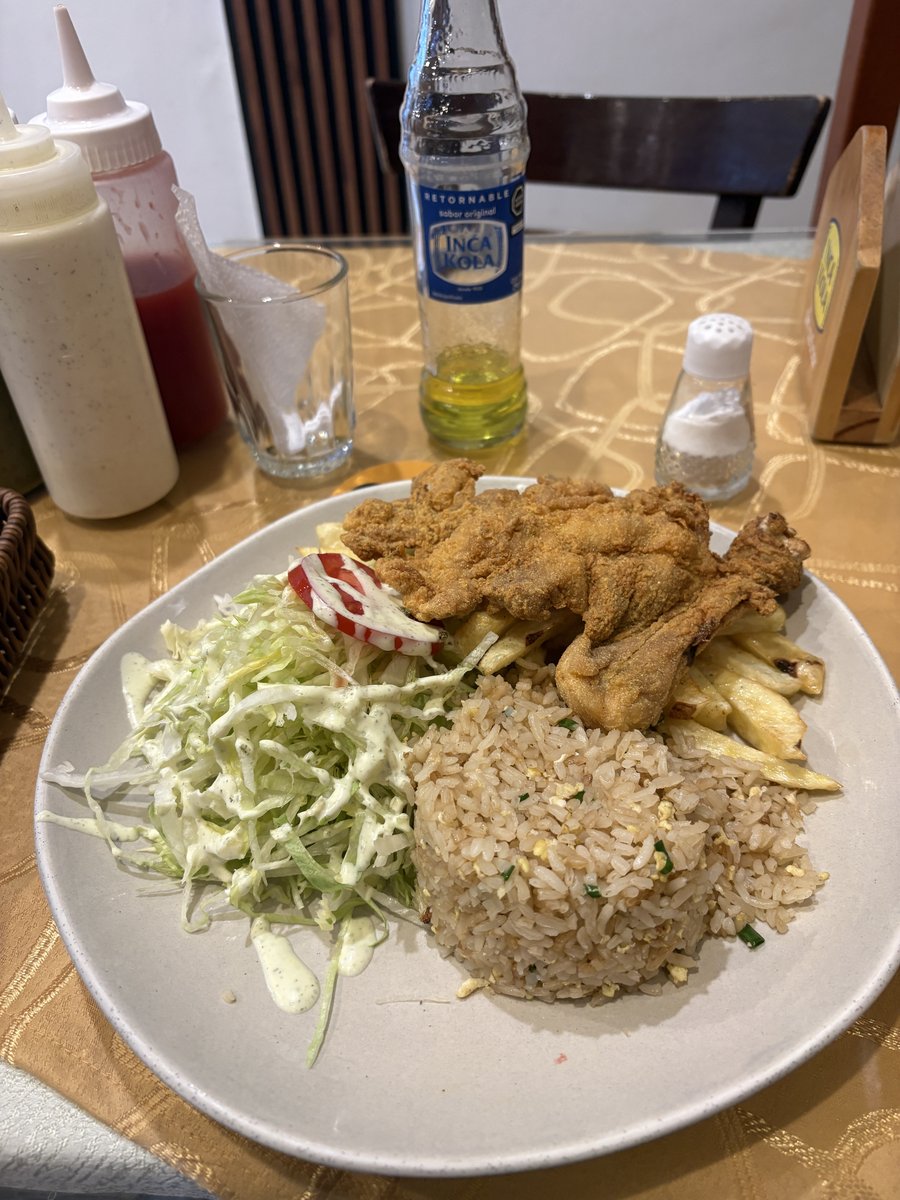
I set aside two days before going to Machu Picchu, so I walked around the city and enjoyed local food. Actually, Peruvian food suited me so well — mainly because rice (and potato) are staples here, and every dish was well-seasoned (honestly, Colombian food was not salty enough for me). I went to this local restaurant 3 times in 5 days — tasty, cheap, and great service.
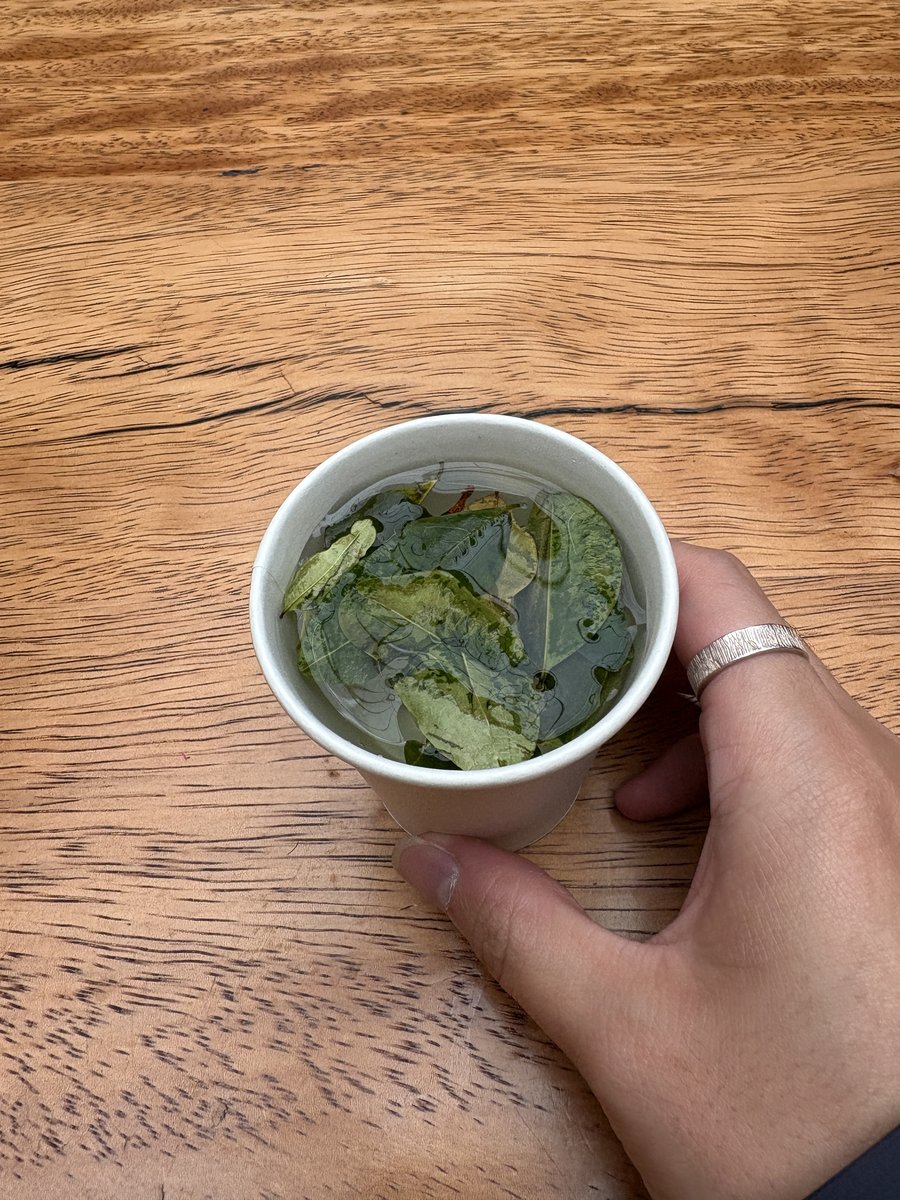
Also, coca tea is a must-try when you travel to Peru. Coca tea is made from the same leaves used to make cocaine, but the tea isn't addictive and is milder than caffeine. It's easy — just grab some leaves and pour hot water over them. The taste is very light but smells a bit grassy. I saw coca leaves out at many places, and locals seem to drink it daily.
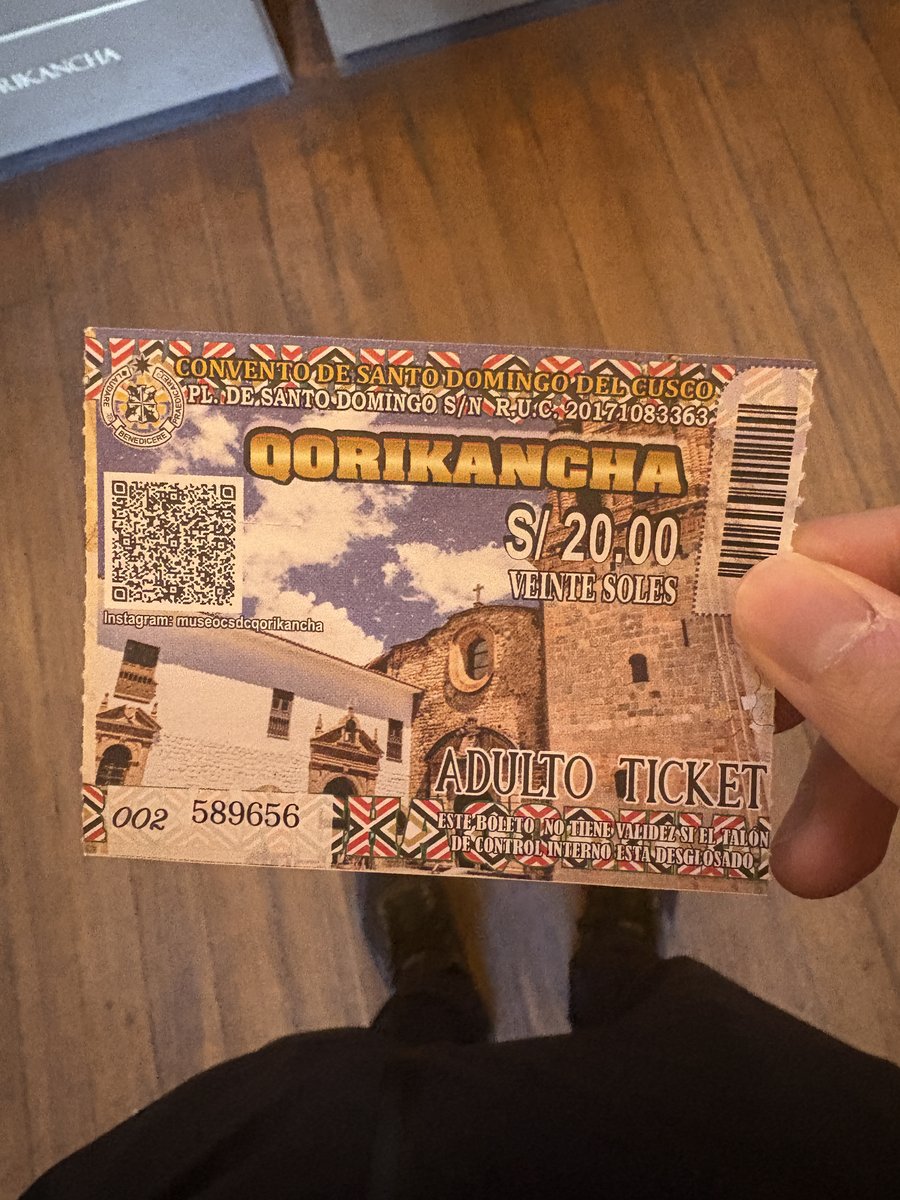
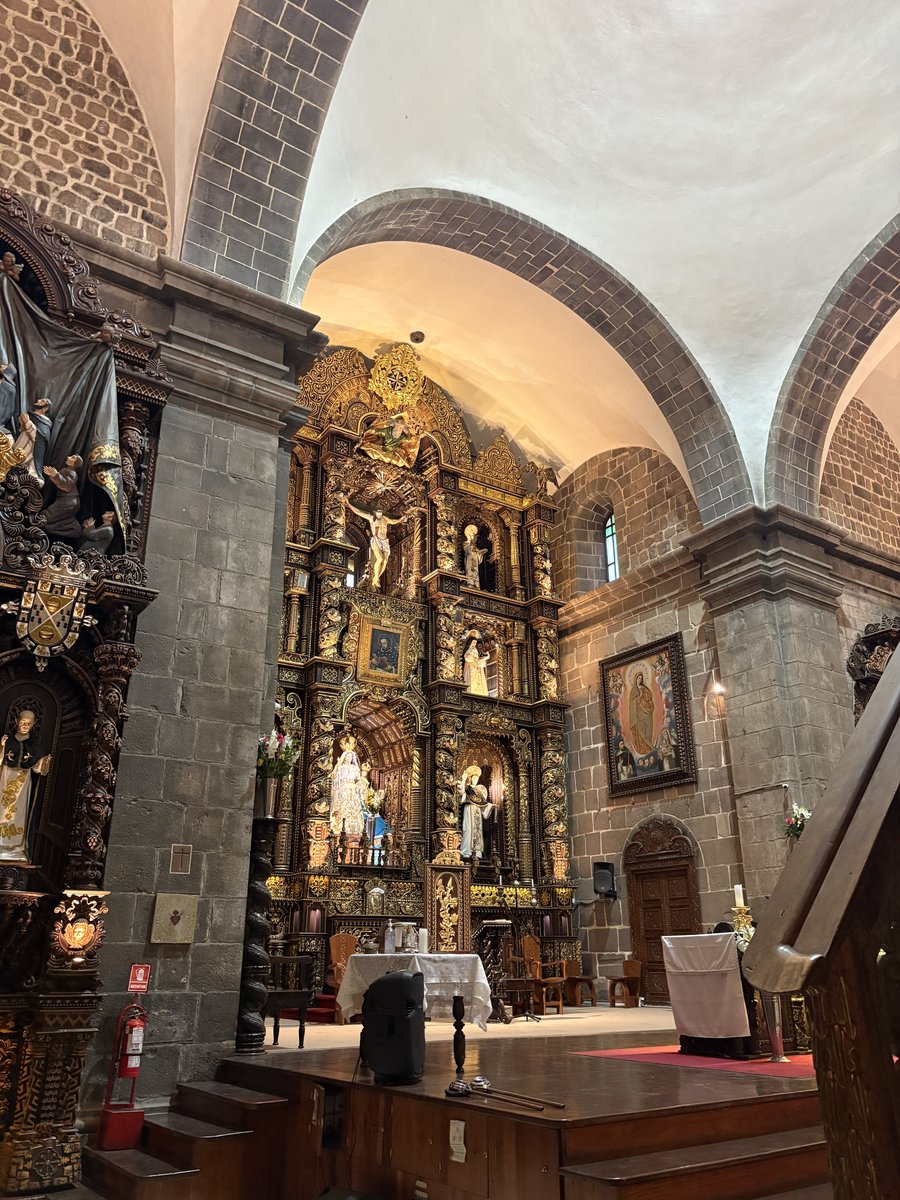
You can't skip learning about the history and culture of Cusco before visiting Machu Picchu. Cusco was the capital of the Inca Empire and flourished from the 13th to the 15th century until the Spanish invasion. There are several spots where you can see their culture from that time — Coricancha is easily accessible from the city center, and you can learn its history and see the stone walls and church.
The Coricancha (Qorikancha, "Golden Enclosure") was the most sacred temple of the Inca Empire, located in the heart of Cusco. Dedicated to Inti, the Inca sun god, its walls were once covered in over 700 sheets of solid gold, and it housed golden statues, altars, and a garden of life-sized gold and silver plants. After the Spanish conquest in 1533, the temple was stripped of its gold, and the Dominican Convent of Santo Domingo was built directly on top of its foundations. Today, the massive precisely-fitted Inca stone walls still stand beneath the colonial church — an iconic symbol of the collision and fusion of Inca and Spanish cultures.
Journey to Machu Picchu
On the third day, I moved to the town called "Aguas Calientes", the nearest town to Machu Picchu accessible by train. You can also take a bus, but the bus trip is really tough since you have to walk about 10 km from the bus terminal — so basically the train is the only realistic option. Train tickets were quite pricey, as only two companies run services on this route. However, the trains were much nicer than I expected, and overall it was a comfortable trip.
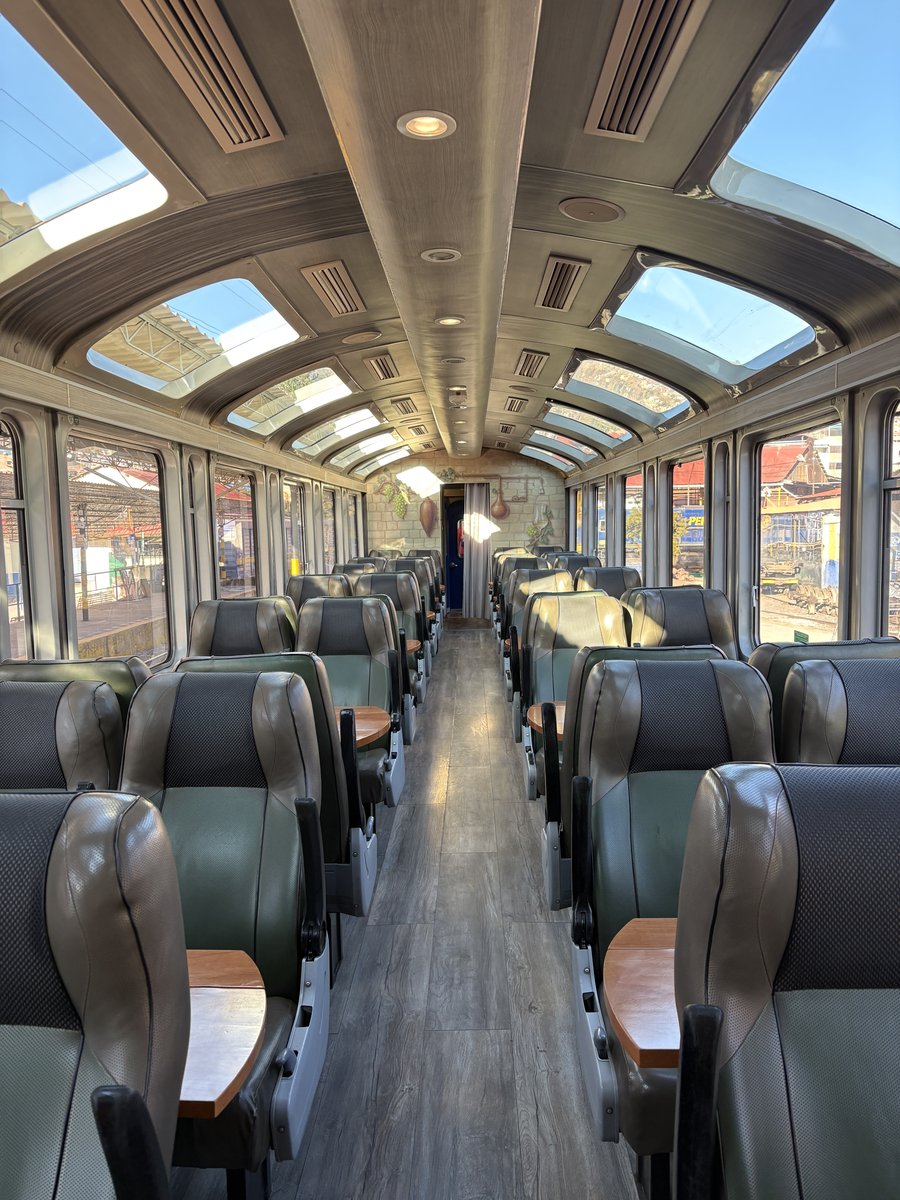
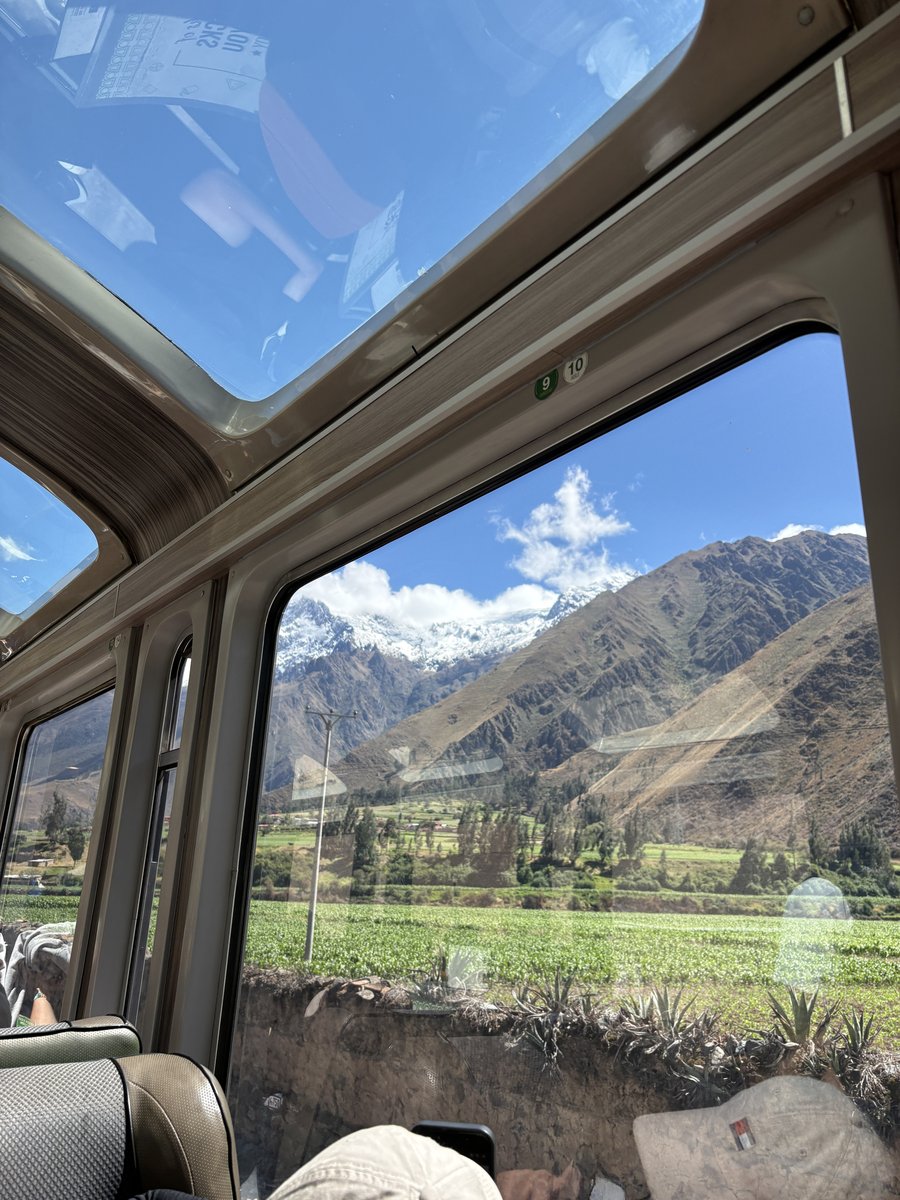
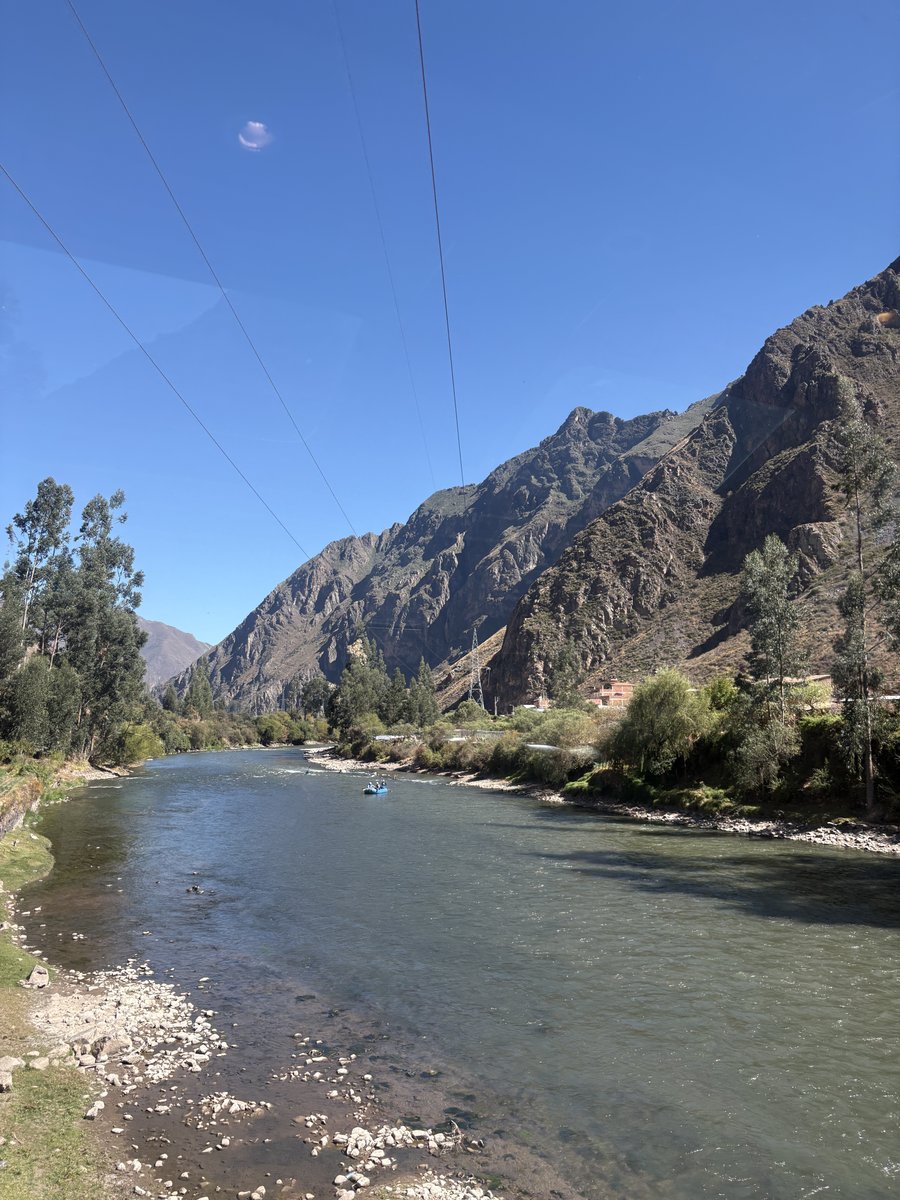
The Machu Picchu station is well maintained, and there were a bunch of souvenir shops around it. Aguas Calientes itself is a small town, and I could see how big an economy Machu Picchu generates (Cusco, trains, Aguas Calientes, buses, etc.). I was glad that we can still see a lot of Japanese text here (I actually saw some Japanese tour groups).
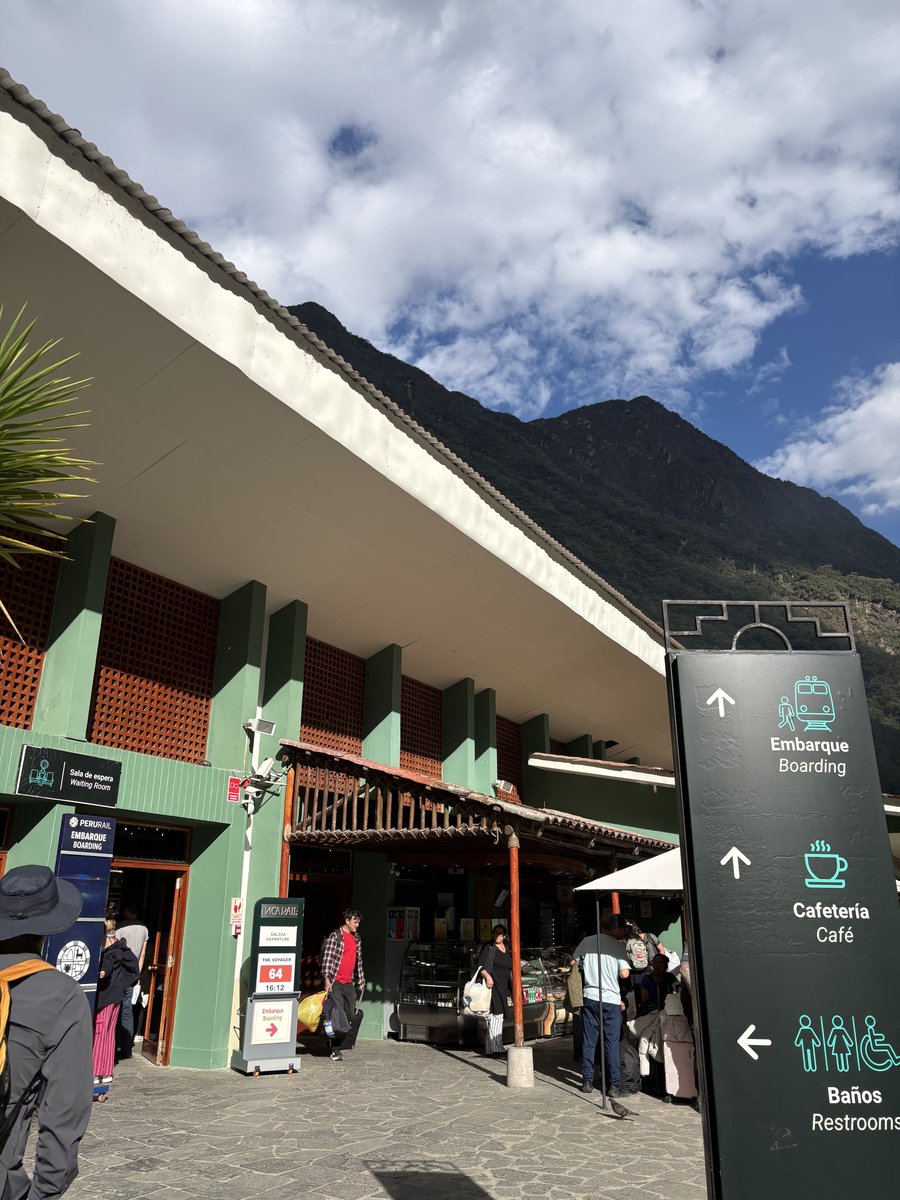
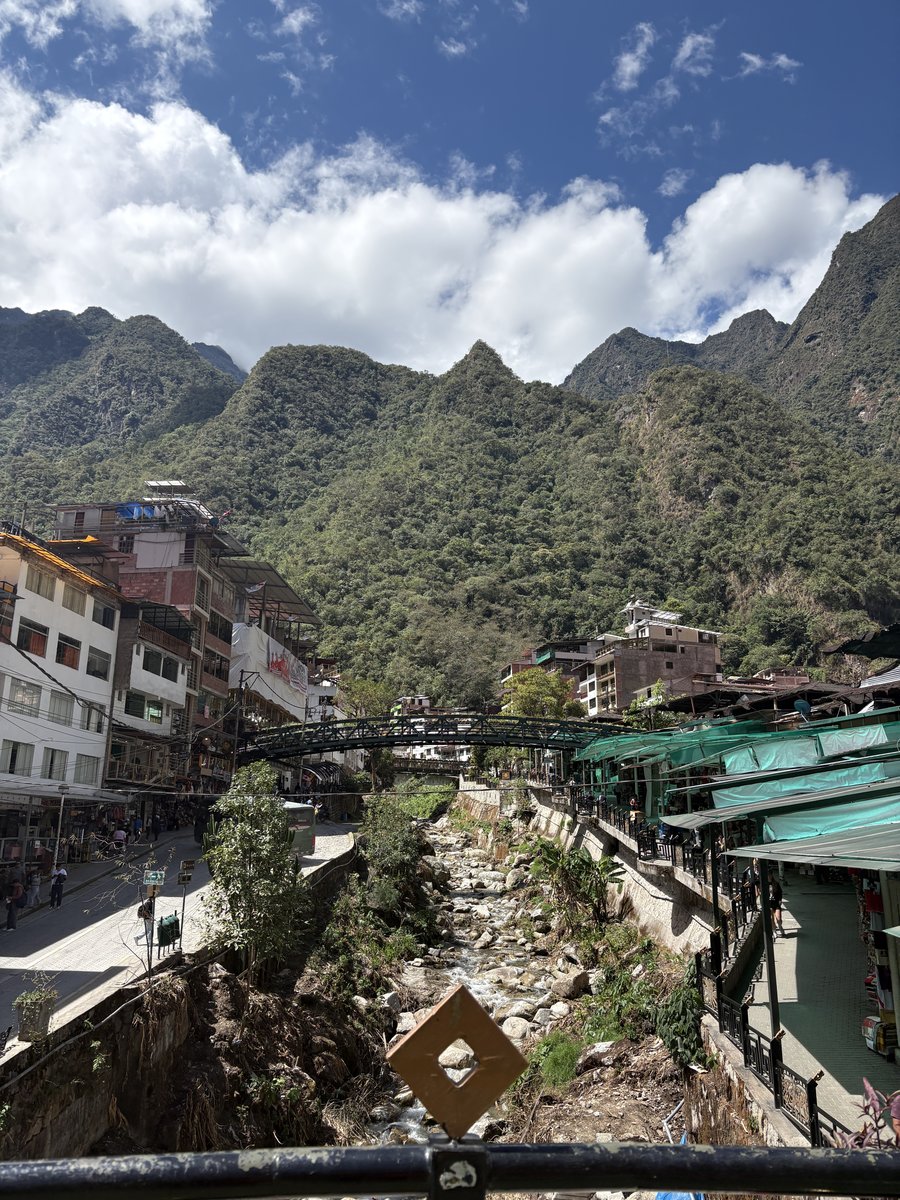
Since the entry time is early morning, I booked a hotel near the bus stop to Machu Picchu. And their welcome surprised me a lot — they had prepared a Japanese flag with warm messages and a snack bag. I've been traveling for more than half a year, but this was the first time receiving such warm hospitality (and they're actually cheaper than others).
Machu Picchu
It takes around 30 minutes to get to Machu Picchu by bus from the town. Machu Picchu strictly restricts the number of entries to avoid over-tourism, and you have to buy a ticket by choosing an entry time (tickets are very competitive, especially for popular circuits). My entry time was 8 am, so I went to the bus station before 6 am and waited for the bus for a while. Only one company has a license for this route (a monopoly?), and everyone stands in the same line. There were cards indicating entry times, so we could board the bus without any confusion.
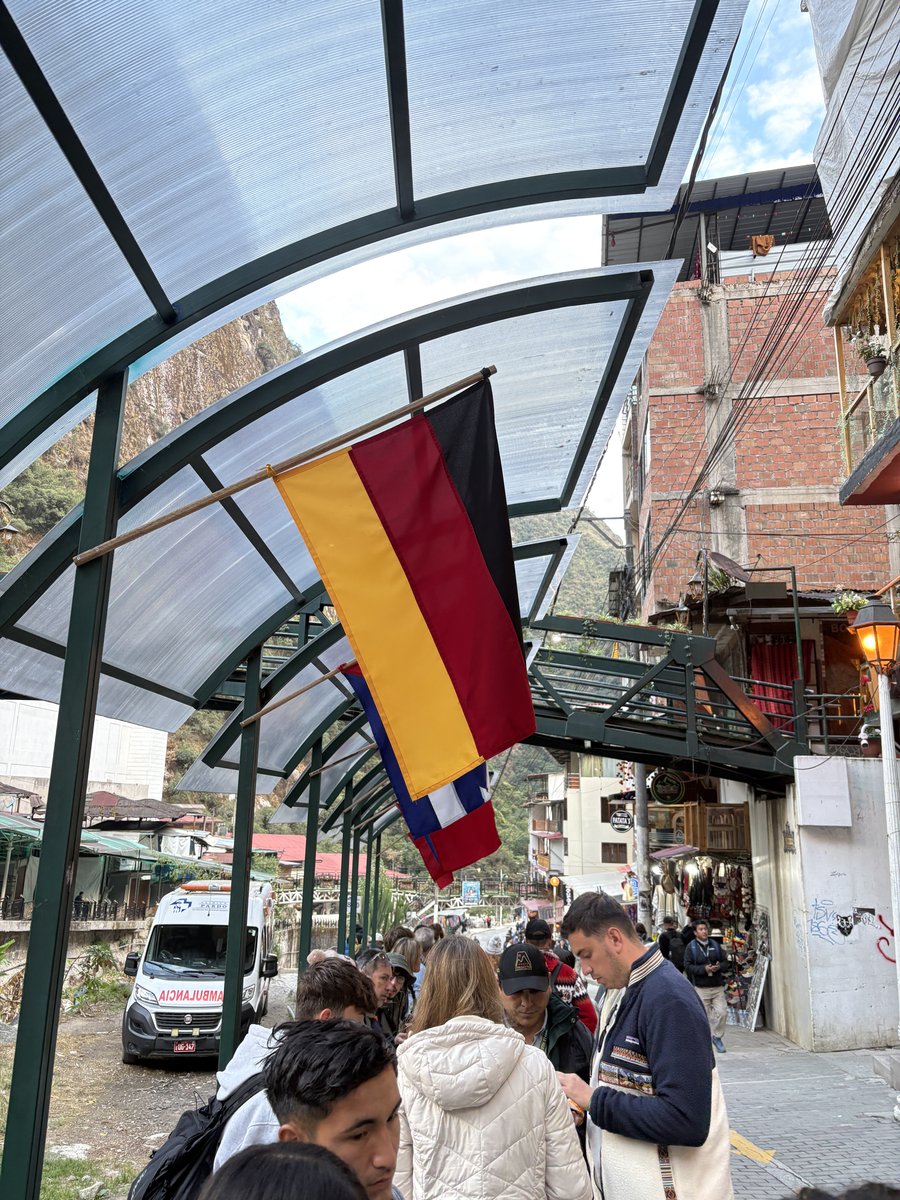
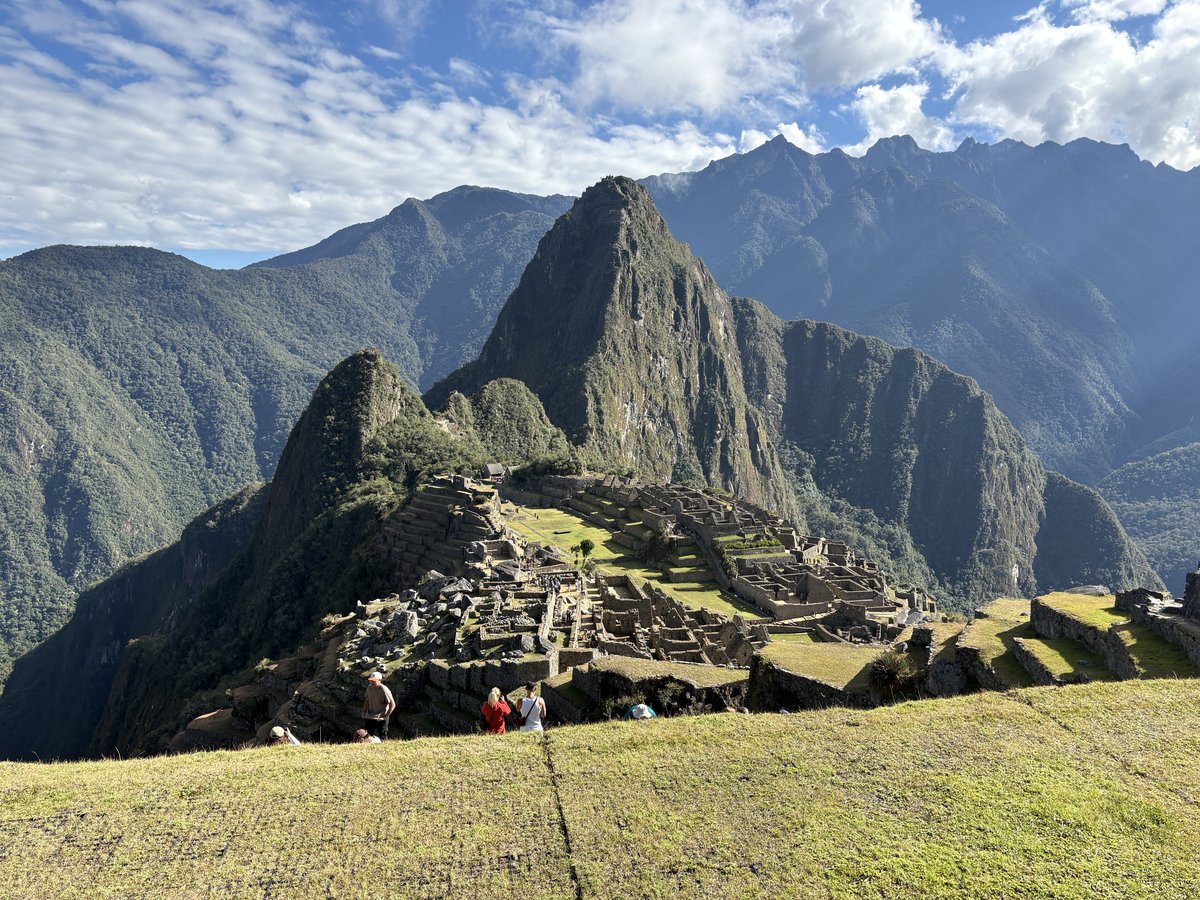
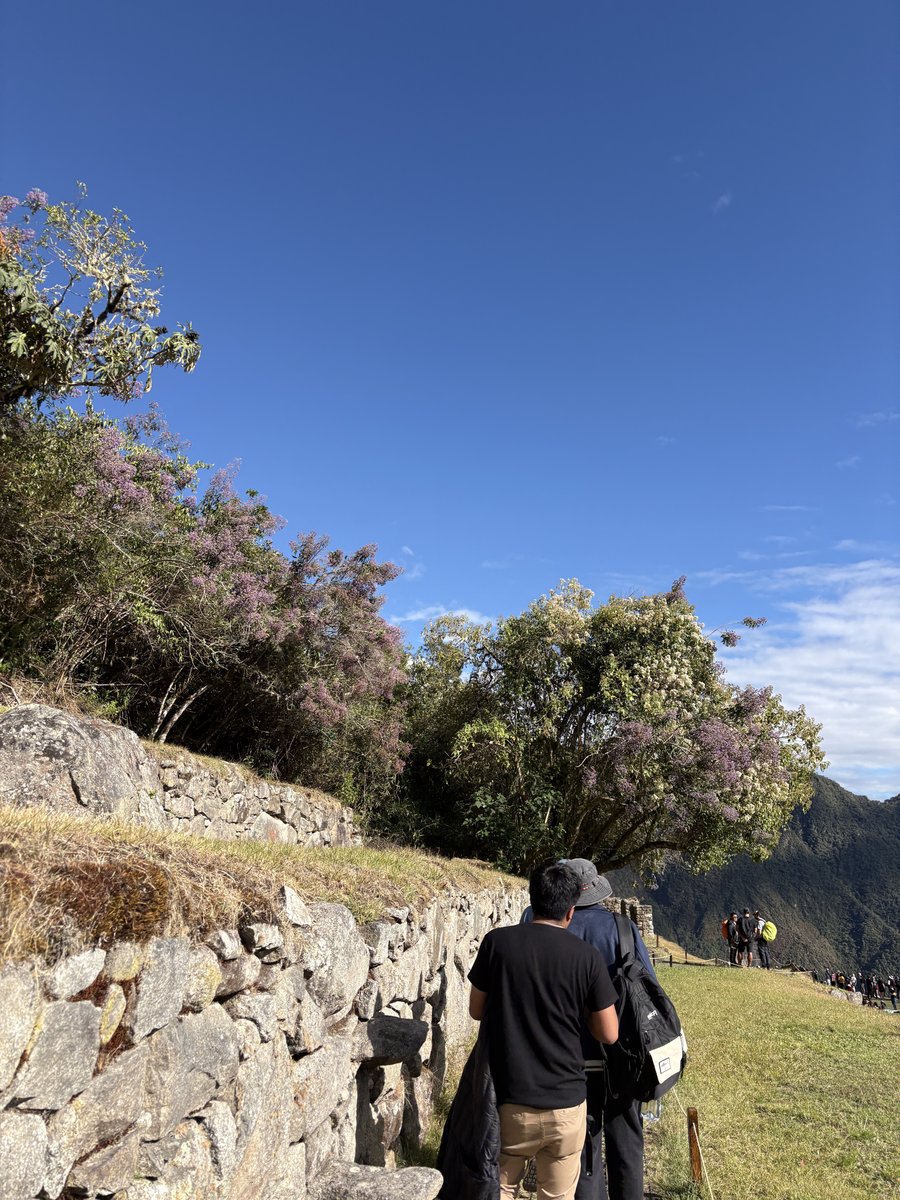
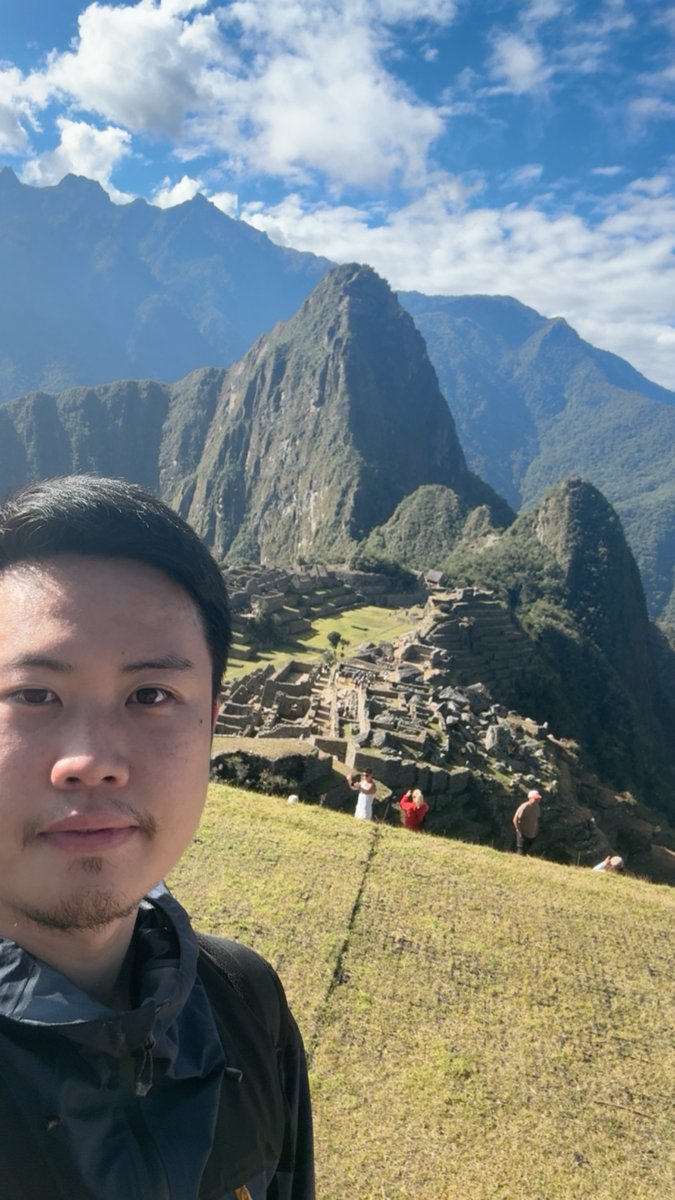
For this visit, I chose circuit 1, where you can see Machu Picchu from an upper terrace (great for taking nice photos). But I should have bought another ticket as well to see it more closely — I regret this a bit!
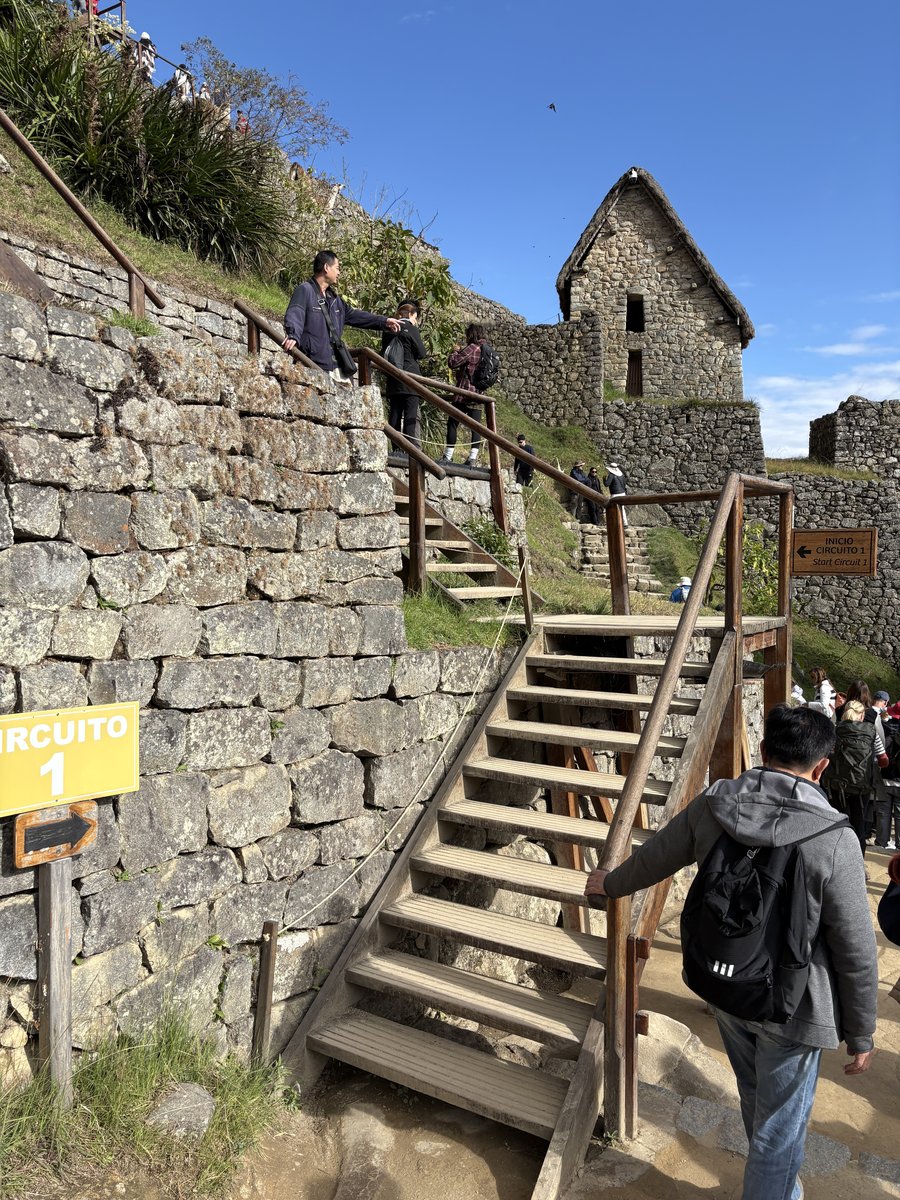
I met a Japanese-speaking guide at the gate, and he told me that the number of Japanese tourists has been dropping since Covid-19, which made me a bit sad. Luckily, the weather was perfectly sunny and not too cold (I even sweated after walking 30 minutes to the top). Here are some things I learned at Machu Picchu:
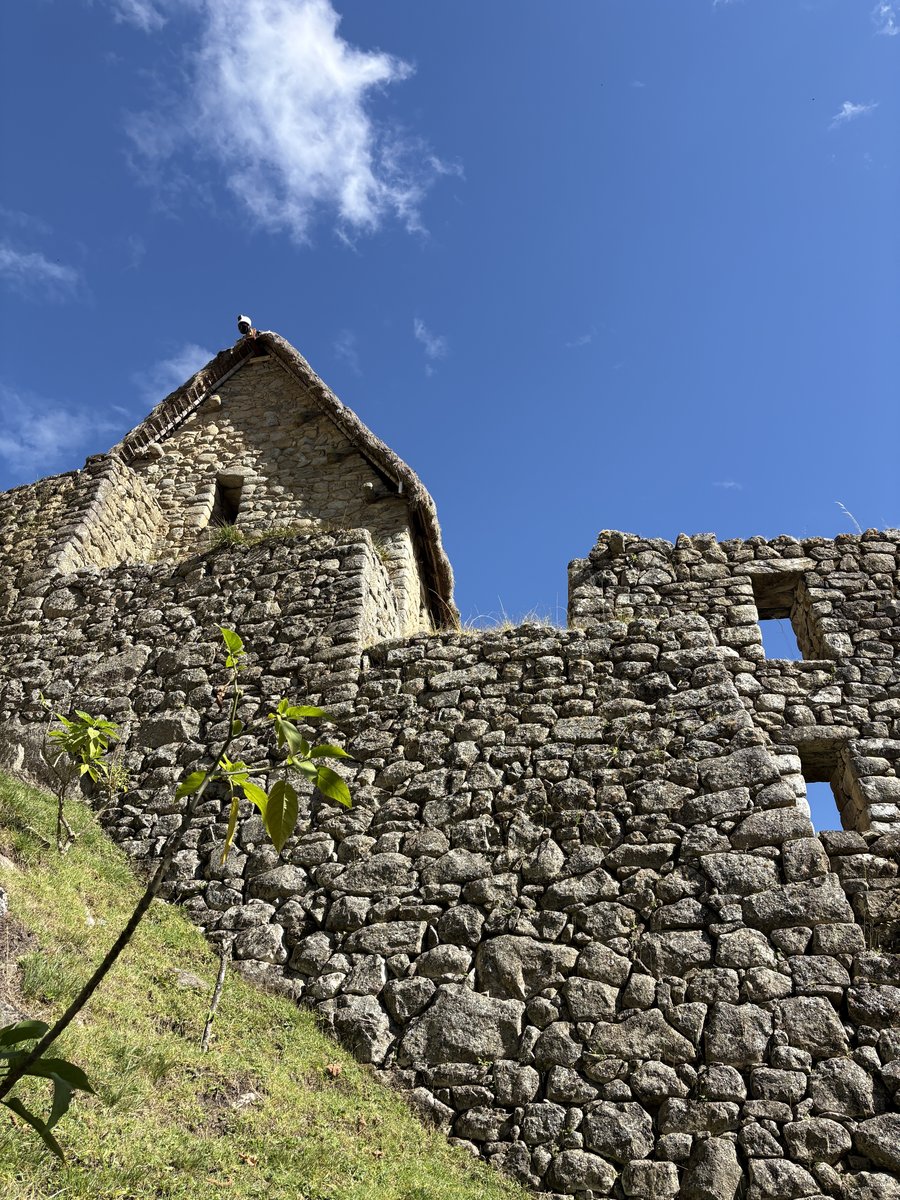
1. Machu Picchu is preserved in its original condition. I visited other heritage sites on other days, but only 20-30% of them remain in original form. Machu Picchu is absolutely exceptional.
2. I thought Machu Picchu was used as a sacred place for a long time, but it's believed to have been used for only about 100 years. Far shorter than expected.
3. The Inca Empire didn't have a written language, so much of its history remains a mystery. I recommend studying up before you visit — how you feel about it is entirely up to you.
After this, I moved on to Bolivia by bus, passing through other cities in Peru.
Comments
Loading...