Tashkent・Samarkand・Bukhara
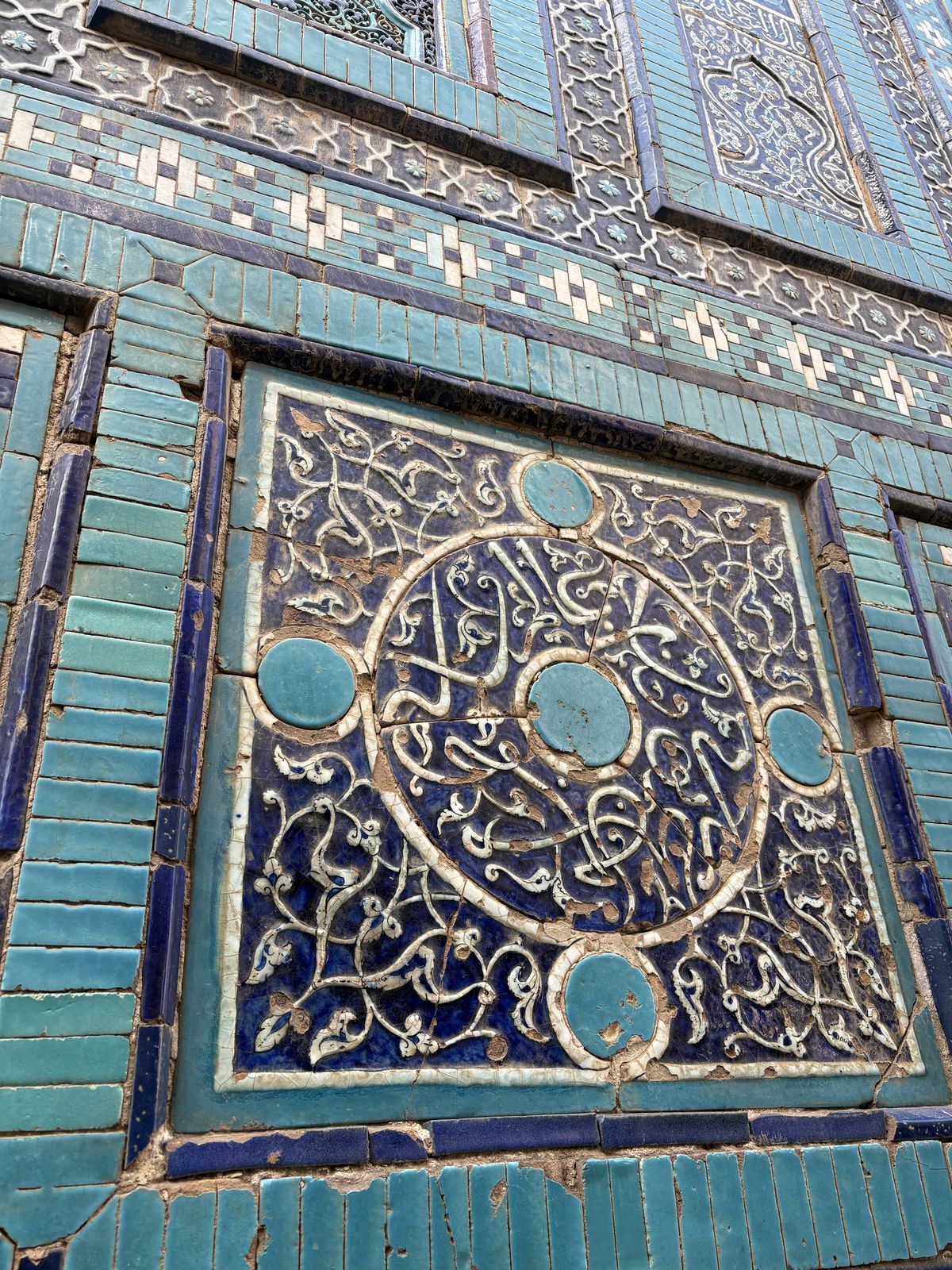
Tashkent - Samarkand - Bukhara
Istanbul to Tashkent
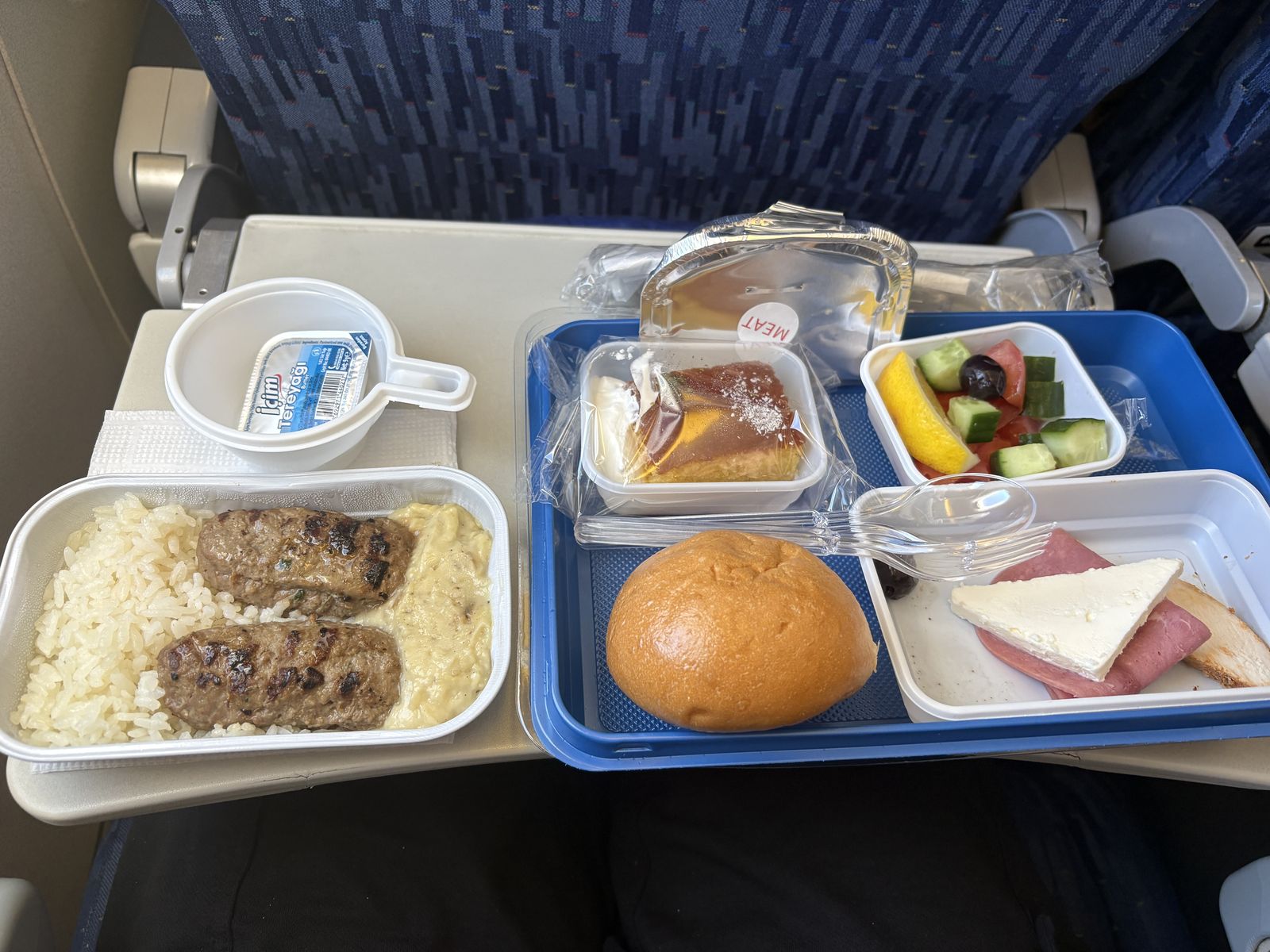
The next destination is Uzbekistan — my first time visiting this country. I headed to Tashkent, the capital. The flight was about 4 hours and the in-flight meal was really nice.
I landed around 7pm and had to wait more than 30 minutes at passport control. The process wasn't automated and the queue was long — it reminded me of immigration in Vietnam.
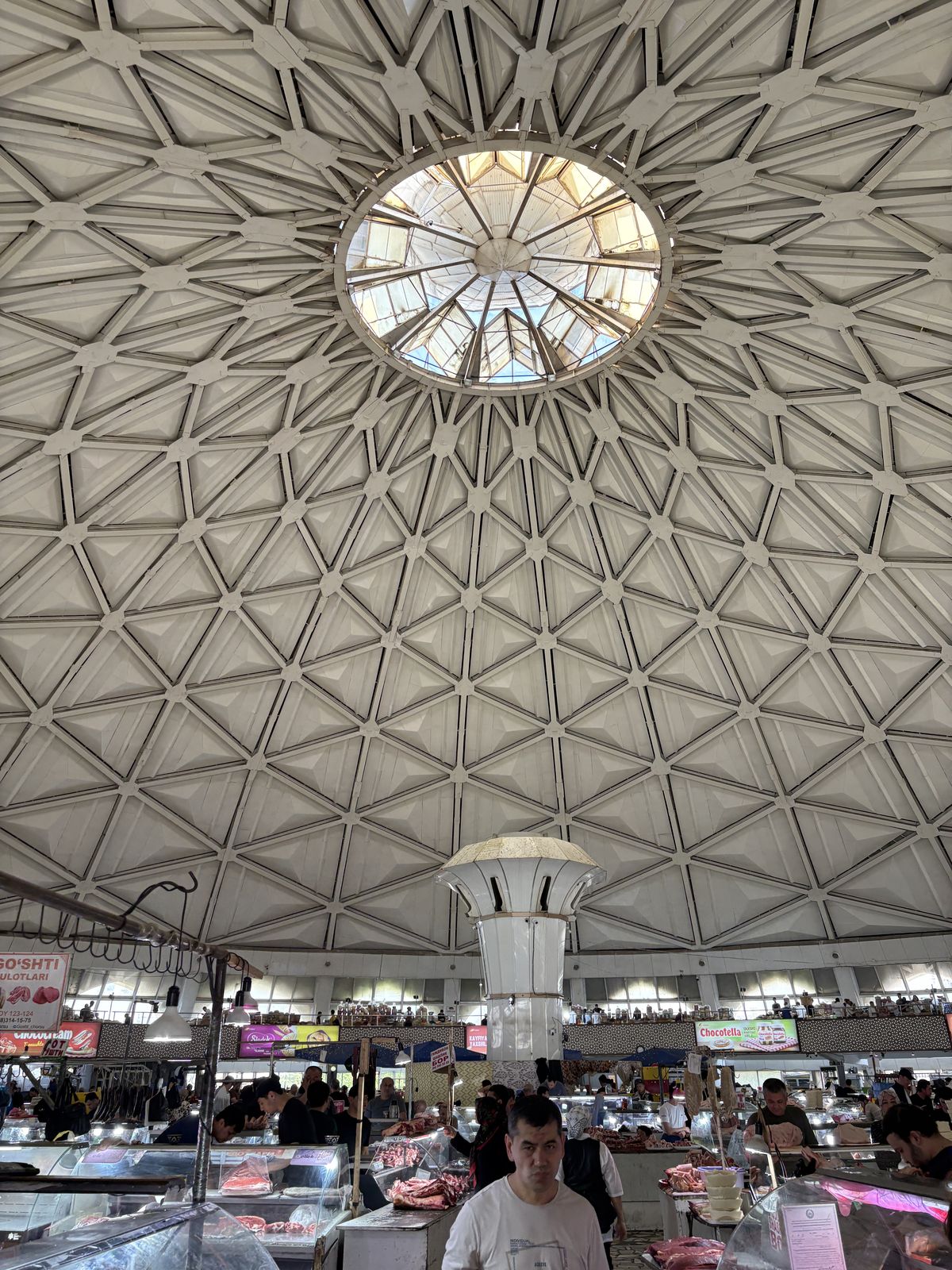
Tashkent
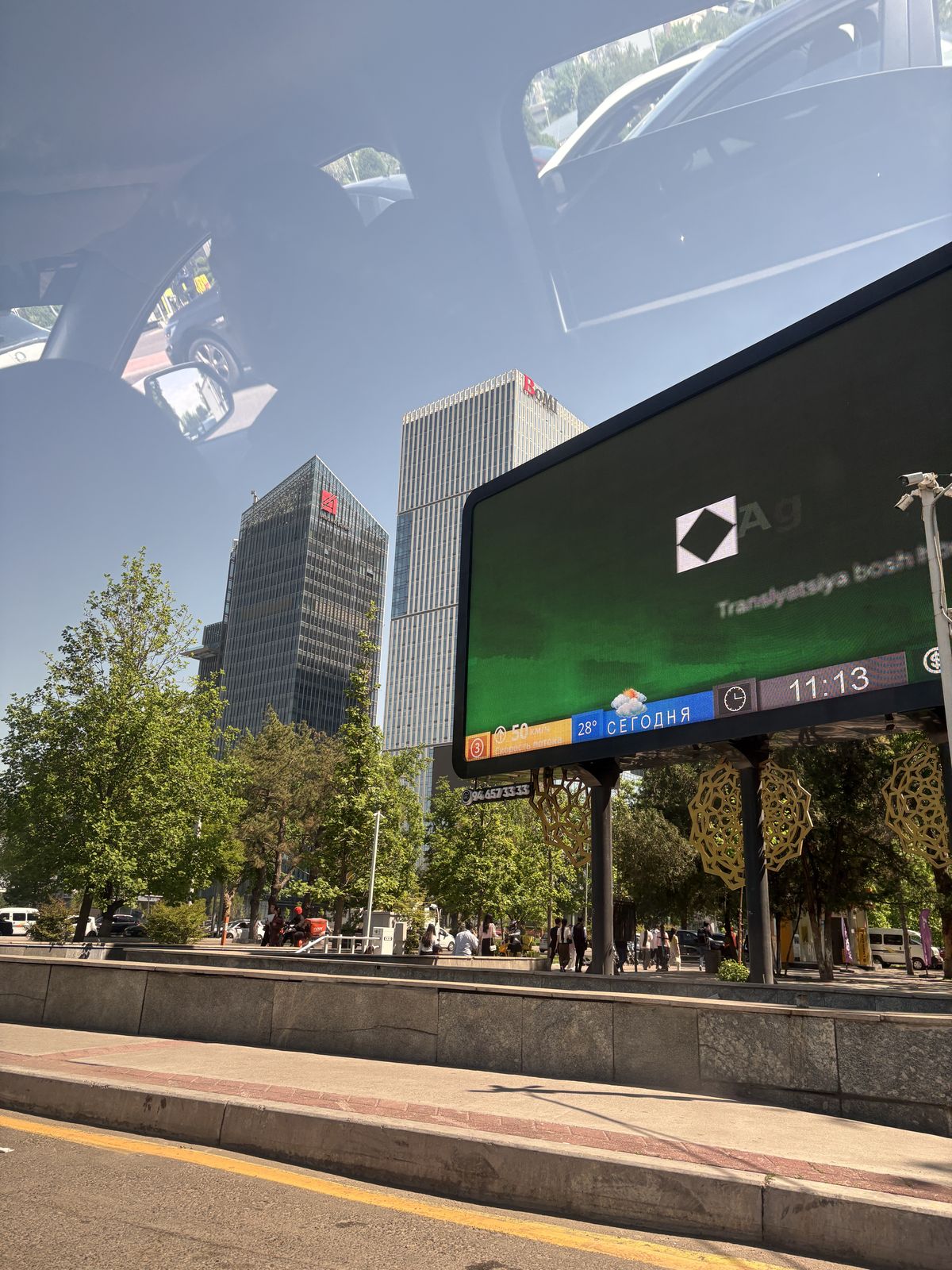
I stayed in Uzbekistan for about a week, and spent 2 days in Tashkent. Tashkent is a much bigger city than I expected, with many modern buildings around the center. At the same time, you can see plenty of traditional houses, and I learned that Uzbekistan was part of the Soviet Union until 1991 — you can still feel that nostalgic atmosphere.
What also surprised me was the climate. Uzbekistan is at the same latitude as Istanbul, but it was really hot for my first 2 days in Tashkent, and I felt a big temperature gap. I learned this is because Uzbekistan is surrounded by desert, which makes the temperature swing between very high and very low, like other desert areas. On the other hand, Samarkand — where I went next — was really cold.
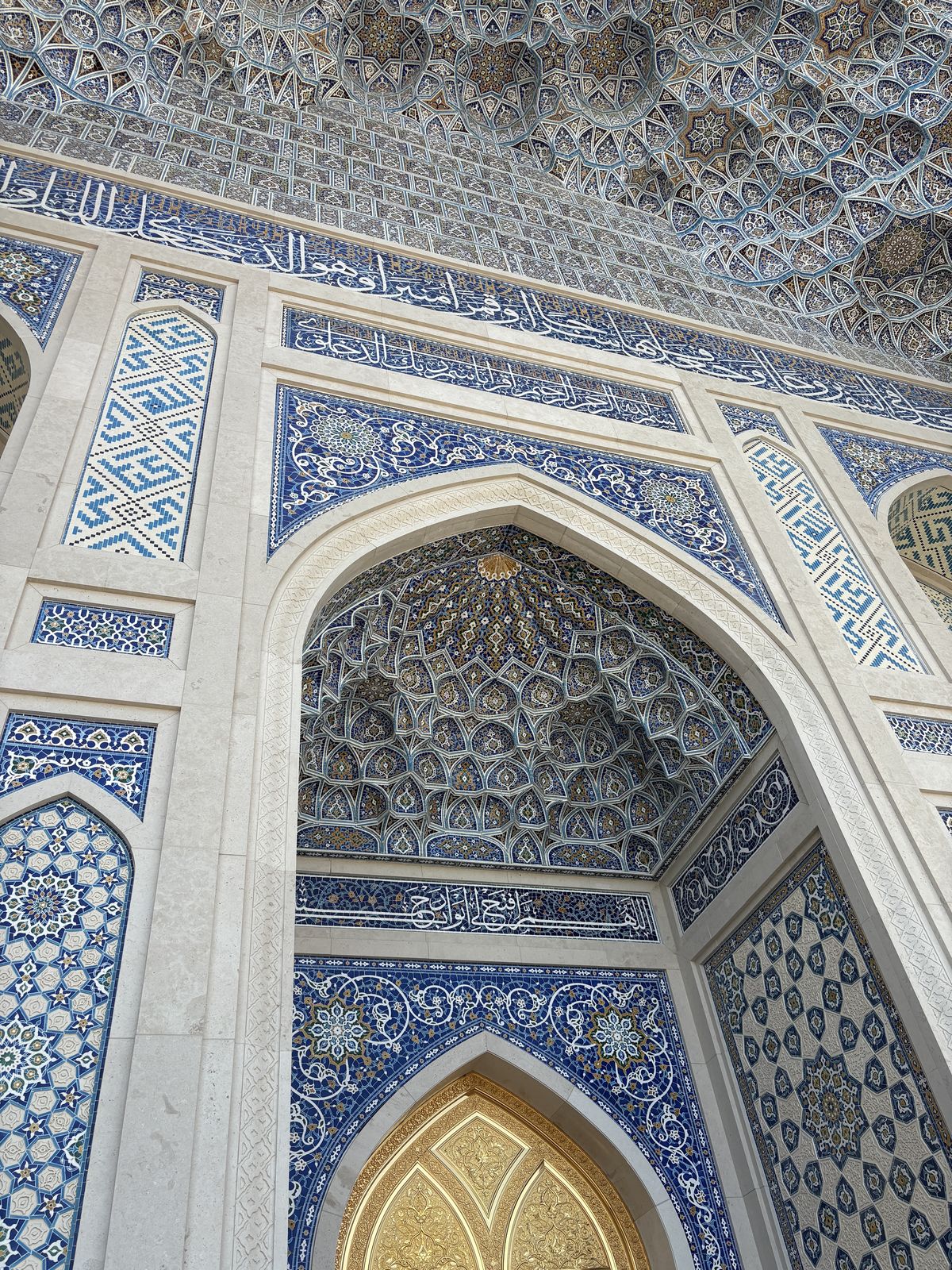
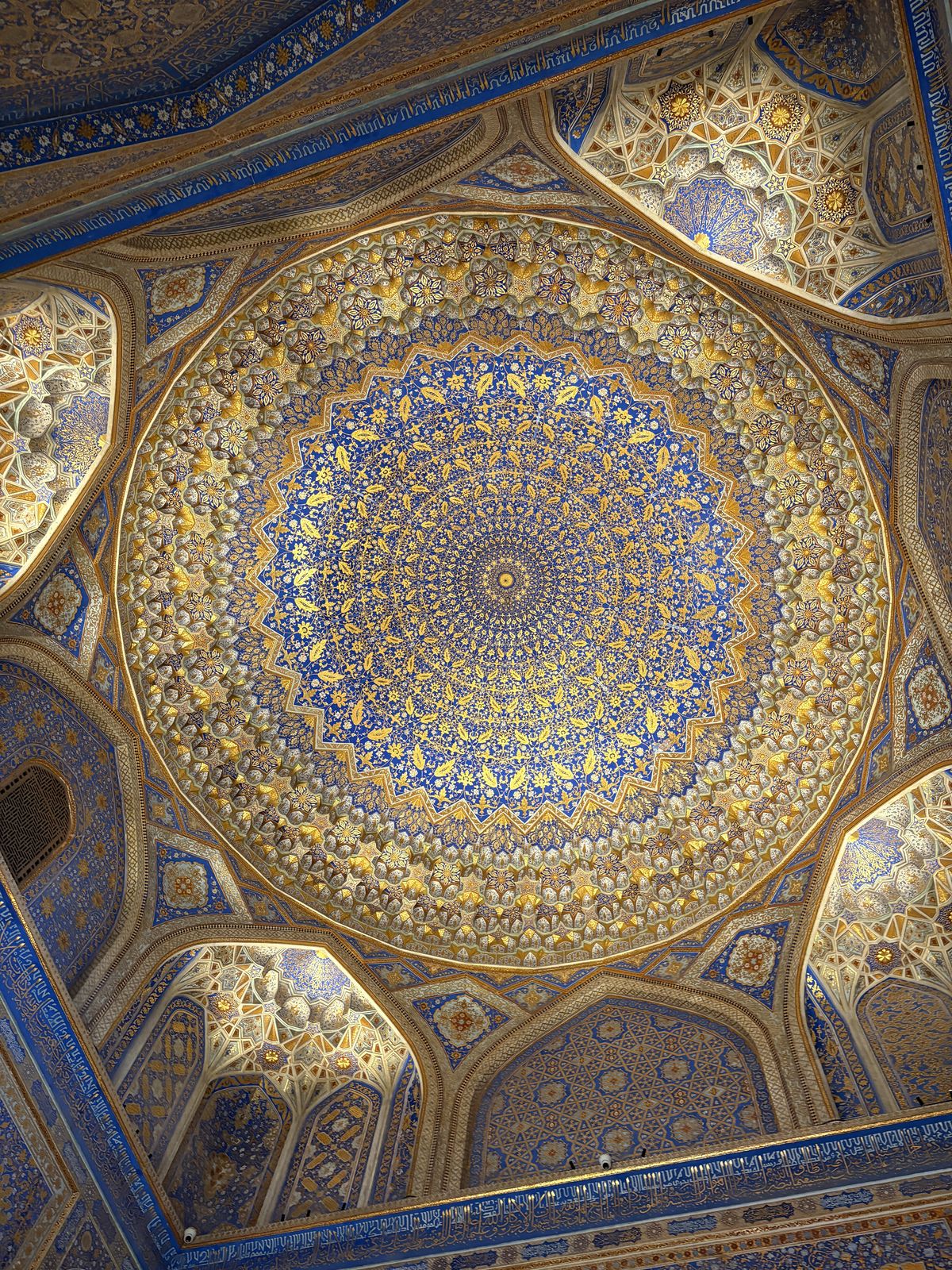
Uzbekistan is located in Central Asia and flourished historically as a key stop along the Silk Road. I also felt the complexity of its culture and ethnic mix, as many people seemed to have different roots and spoke different languages. The mother tongue is Uzbek, but I often heard Russian too. Uzbekistan is also an Islamic country, and I saw many beautiful mosques on this trip — most of them decorated in turquoise blue and looking majestic.
Samarkand
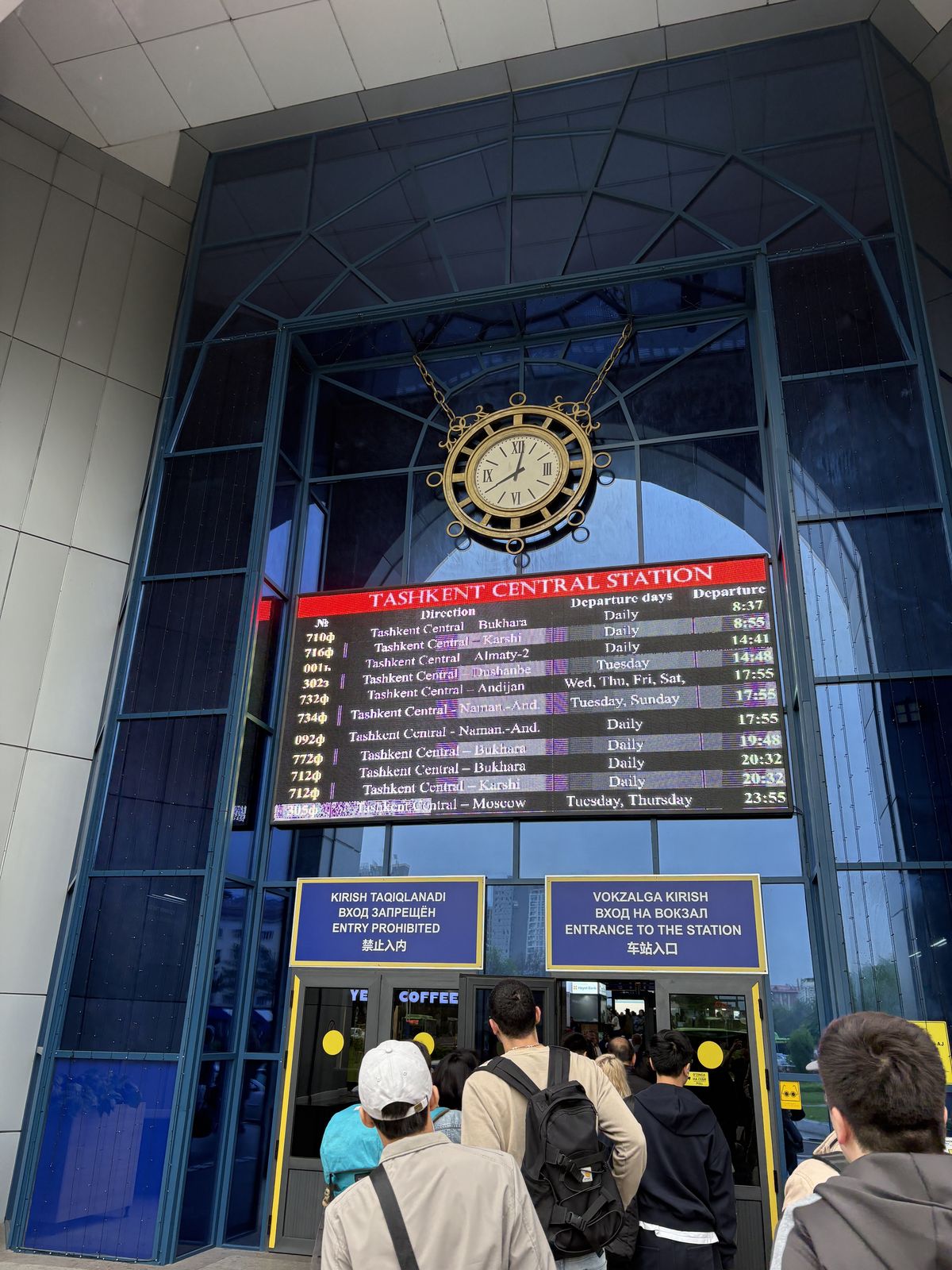
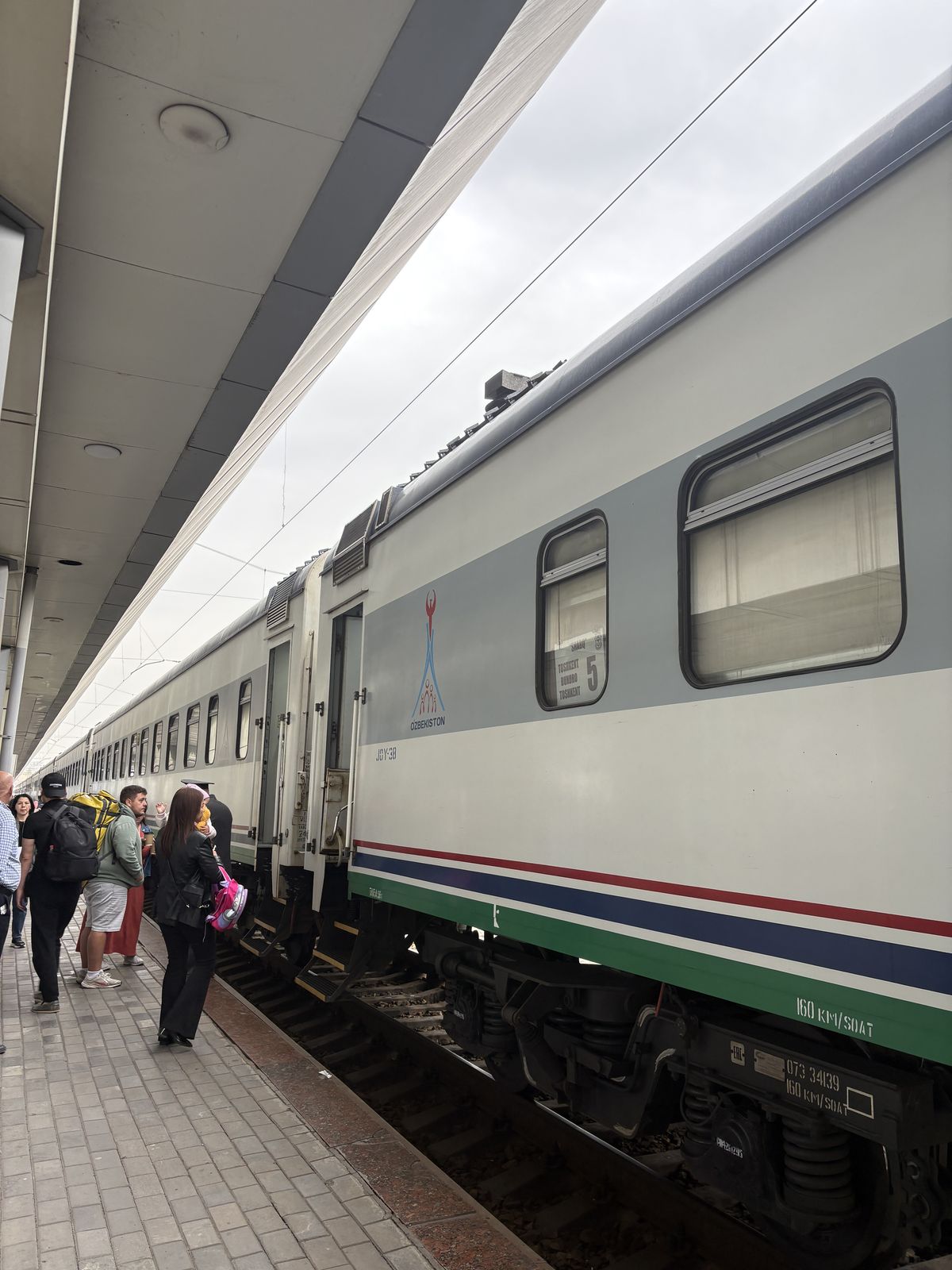
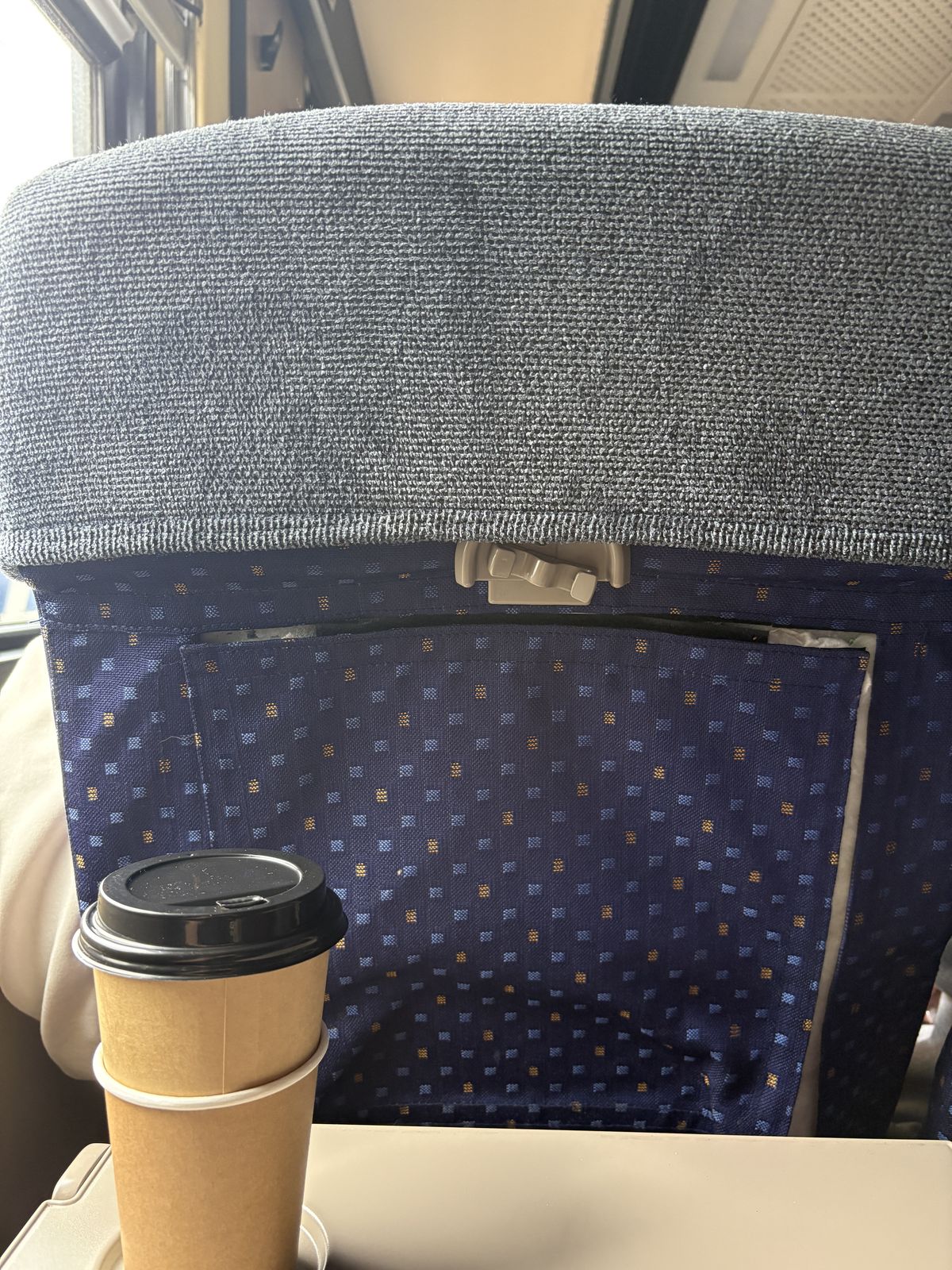
After 2 days in Tashkent, I moved to Samarkand by train. Buying the tickets was really challenging — their mobile app has so many bugs and rejected my payment many times — but the train itself was punctual and the seat was quite comfortable.
Samarkand sits in central Uzbekistan and was a key city in Central Asia for over 2,000 years. It especially flourished in the 14th century under the Timurid Empire.
The Timurid Empire was a Persianate Turco-Mongol dynasty founded by Timur (Tamerlane) in 1370. From his capital at Samarkand, he built an empire stretching from Anatolia to the borders of China, conquering the Golden Horde, sacking Delhi, and capturing the Ottoman sultan at Ankara in 1402. His campaigns were as brutal as they were brilliant, though he spared artisans and scholars to adorn his capital. This wealth fueled the Timurid Renaissance, a fusion of Persian, Turkic, and Islamic traditions that produced Samarkand's iconic turquoise domes and a flowering of poetry, painting, and science. Under his grandson Ulugh Beg, an astronomer-king, Samarkand became a leading center of learning. The empire fragmented after Timur's death and fell to the Uzbek Shaybanids in the early sixteenth century. But a last descendant, Babur, fled south and founded the Mughal Empire in India, carrying Timurid culture onward for three more centuries. Today, the turquoise-tiled monuments of Samarkand and Bukhara remain its most enduring legacy.
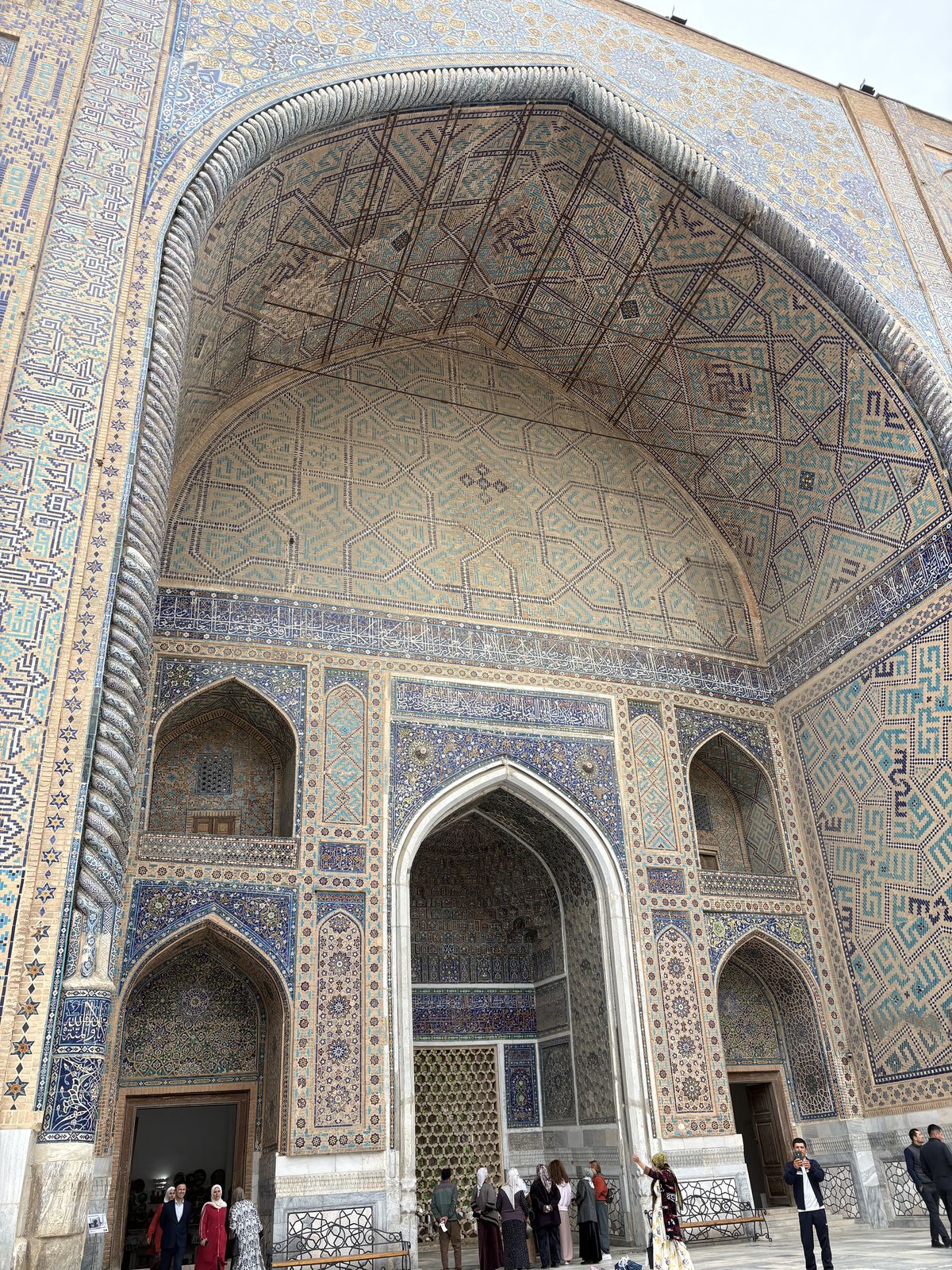
Registan Square is one of the icons of Samarkand. It consists of three madrasas, which served as schools at the time and are known for producing many scholars and scientists during the Timurid era. I'd heard that much of the original decoration had been lost, but the buildings have been well preserved — I could really feel how much the city thrived at the heart of the Silk Road.
The Registan is the historic heart of Samarkand and one of the most celebrated public squares in the Islamic world. Its name means "sandy place" in Persian, and from Timurid times onward it served as the city's main ceremonial and commercial gathering place along the Silk Road. The square is framed by three grand madrasas. The Ulugh Beg Madrasa (1420), commissioned by Timur's astronomer-grandson, became a leading center of mathematics and astronomy. The Sher-Dor Madrasa (1636) is famous for its striking depictions of tigers chasing deer, a bold break from the Islamic taboo on living imagery. The Tilya-Kori Madrasa (1660) takes its name, meaning "covered with gold," from its lavishly gilded interior. Together, the three buildings form a harmonious ensemble of towering portals, minarets, and turquoise tilework that epitomizes Timurid architecture. Restored in the Soviet era, the Registan is now a UNESCO World Heritage Site and the symbol of Samarkand itself.
I also enjoyed many kinds of Uzbek dishes on this trip. My favorites were Plov and Lagman. Plov is similar to the pilav I had in Turkey, but cooked with more meat and vegetables — the one I had was a bit oily, but I loved that taste. Lagman was my favorite dish in Uzbekistan: the noodles are like Japanese udon and go perfectly with a tomato-based sauce. I went back to the same restaurant three days in a row.
Bukhara
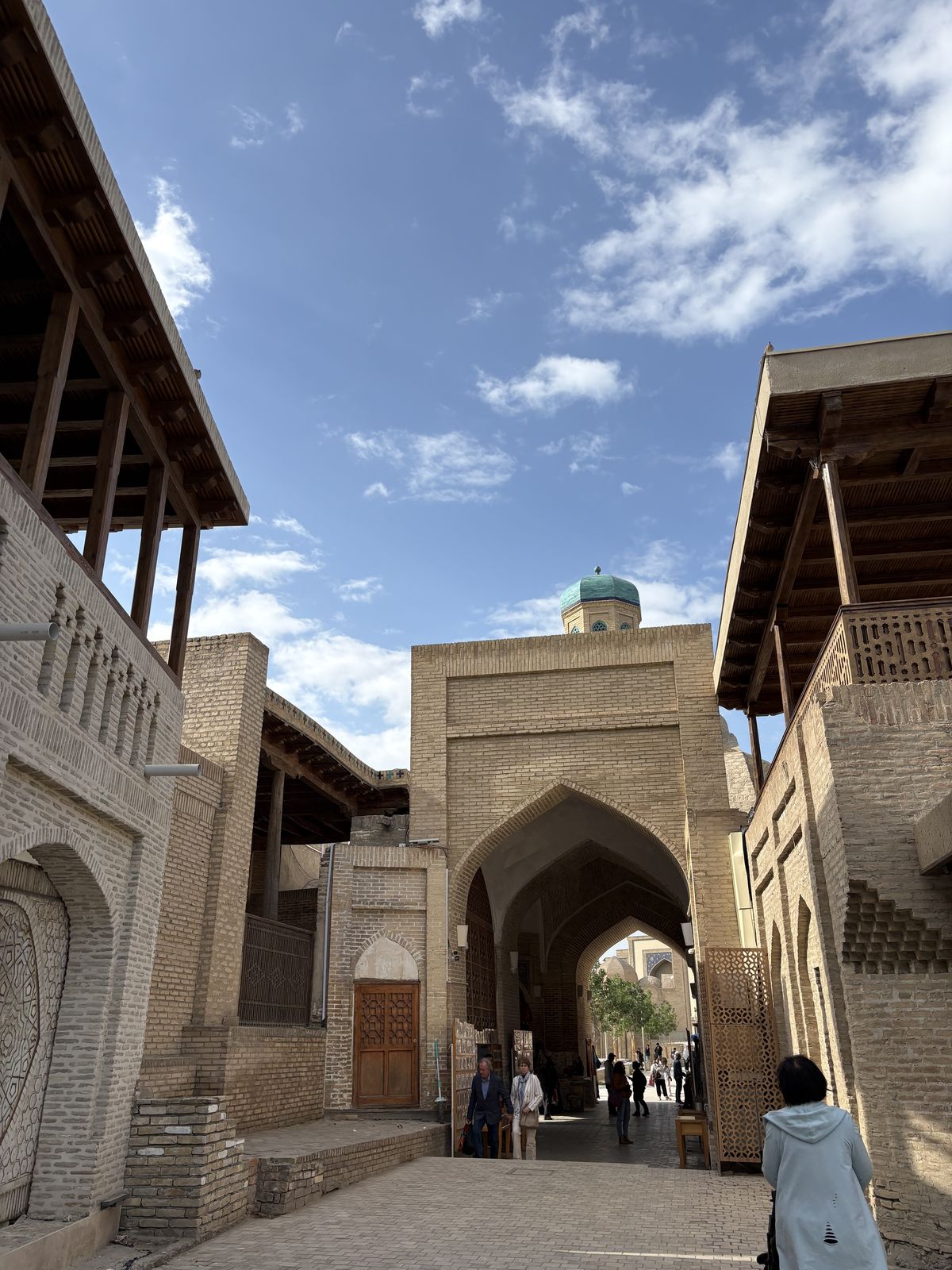
For my last stop, I chose Bukhara, a small, old city about 2 more hours from Samarkand. On the way there, a little miracle happened: my roommate from the Samarkand hostel, who is from London, was also going to Bukhara, and our train seats turned out to be right next to each other — total coincidence. Our accommodations were different, but we moved around together for 2 days.
Bukhara is one of the oldest and holiest cities of Central Asia, with over 2,500 years of history. As a major Silk Road hub, it grew rich on trade and became a renowned center of Islamic scholarship, once home to more than 300 mosques and 100 madrasas. The great physician Avicenna was born nearby in the tenth century, when the city served as the capital of the Persian Samanid dynasty. Razed by Genghis Khan in 1220, Bukhara revived under the Timurids and reached a second golden age as the capital of the Shaybanid khans. It later became the seat of the Emirate of Bukhara until the Russian conquest of 1868. Unlike Samarkand's monumental squares, Bukhara retains the dense, low-rise character of a medieval Islamic city. Landmarks include the towering Kalyan Minaret (1127), which Genghis Khan spared for its beauty, the Ark Fortress, and the serene Lyab-i Hauz pond. The old town is a UNESCO World Heritage Site and one of the best-preserved Silk Road cities in the world.
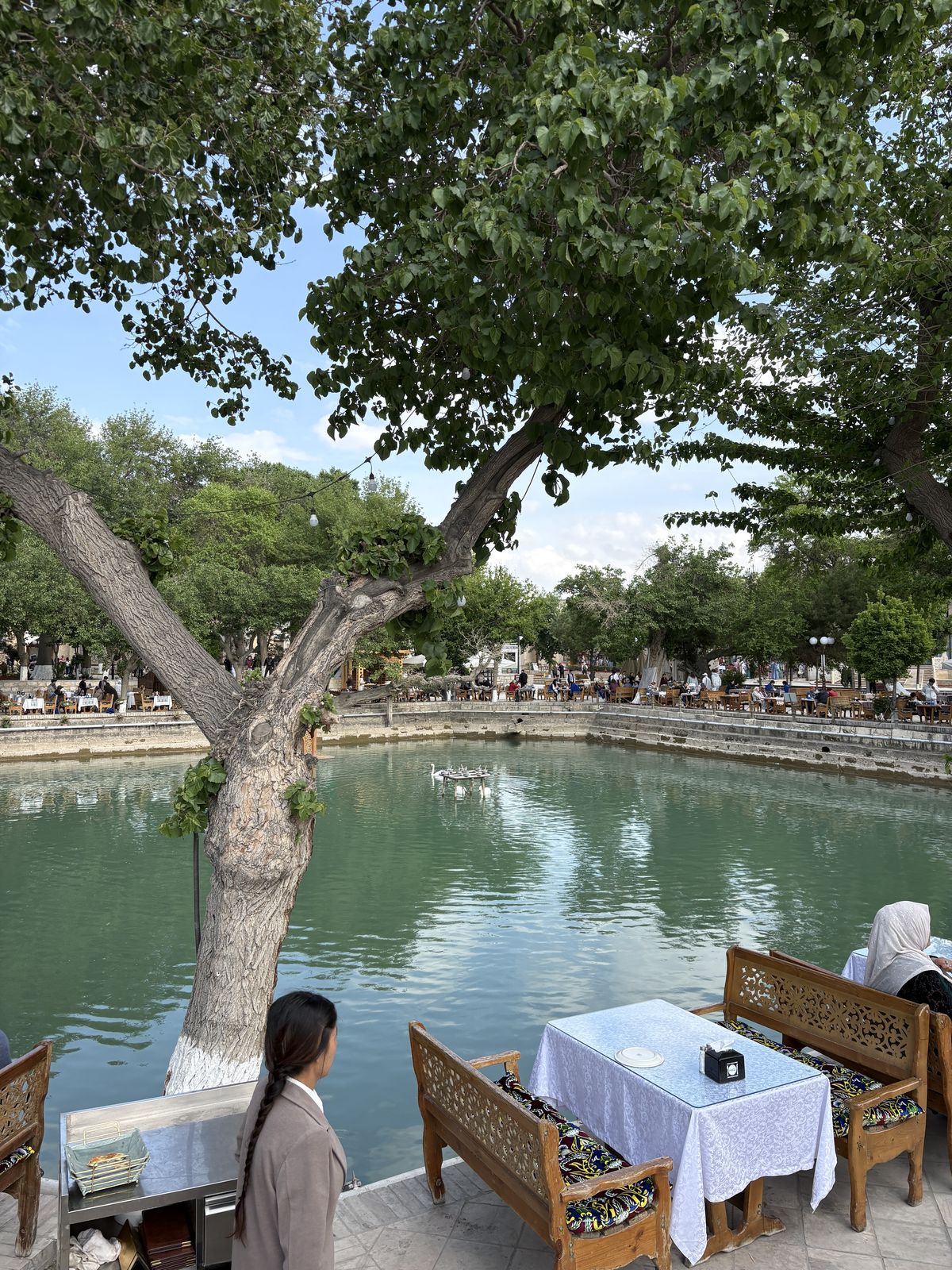
And another miracle happened — we met a local guy at the fortress who invited us to join a marathon that night. We were a bit confused, but we jumped in, and it became my first real marathon ever. It turned out this event (Bukhara Night Race) was quite large, with around 1,000 runners spread across several courses; we chose the 5km, the shortest option. The guy who invited us actually works for the sponsor company, and we ran together and had a great time. Of course, I'm sore today — it was a totally unexpected event, but an awesome experience.
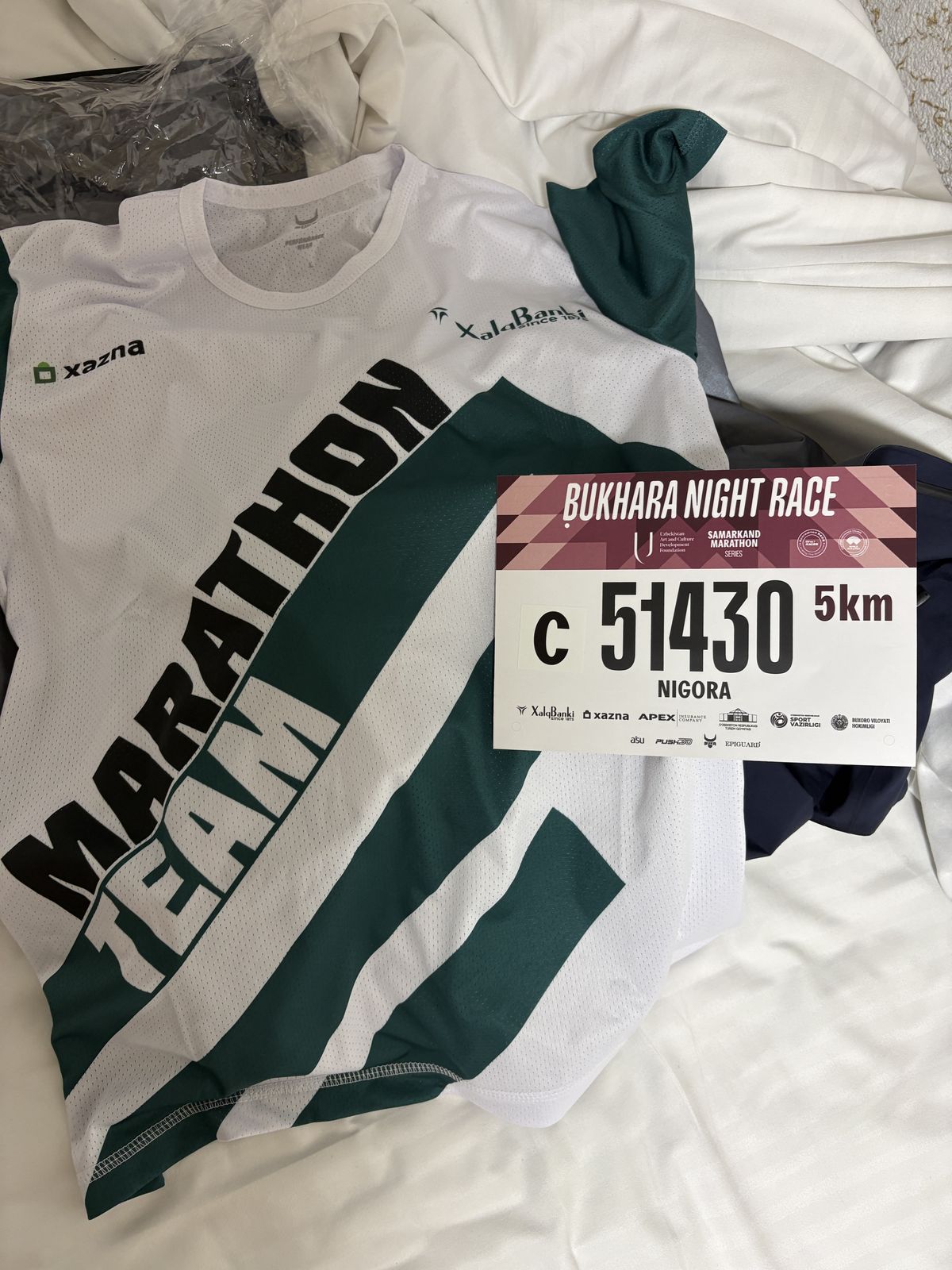
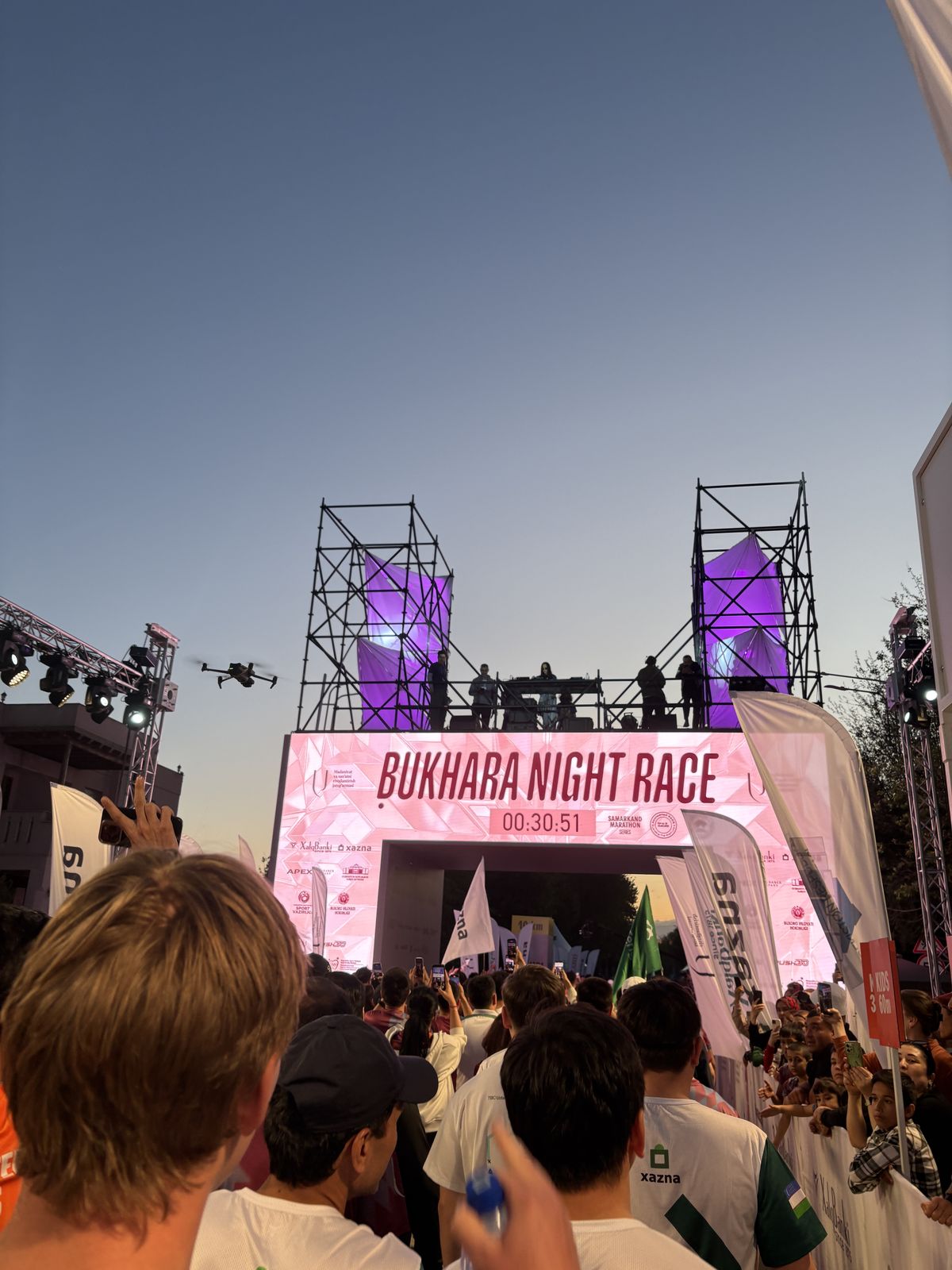
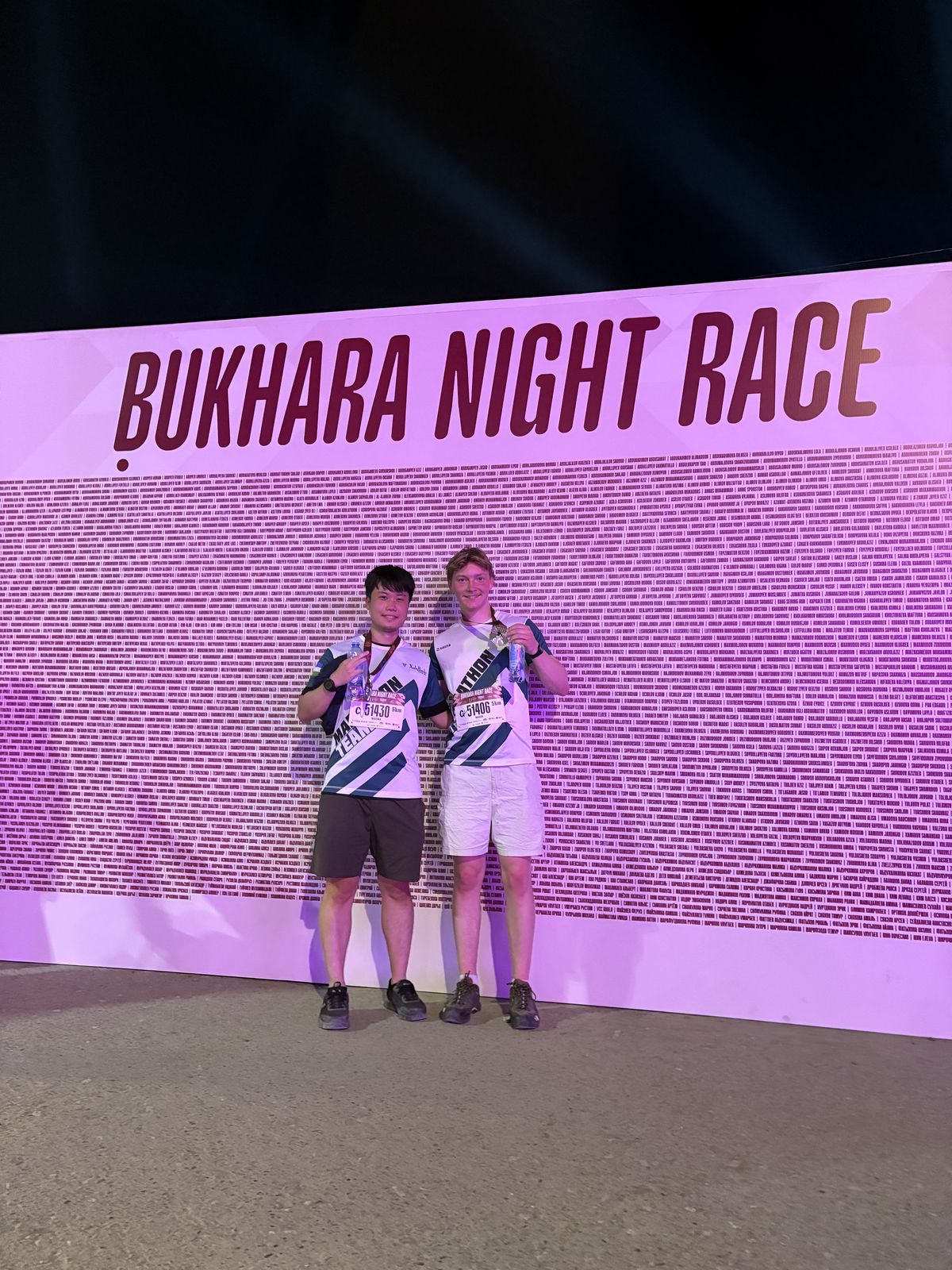
I'm writing this entry before heading back to Tashkent and moving on to Kazakhstan tomorrow.
Comments
Loading...