Almaty
Almaty
Journey to Almaty
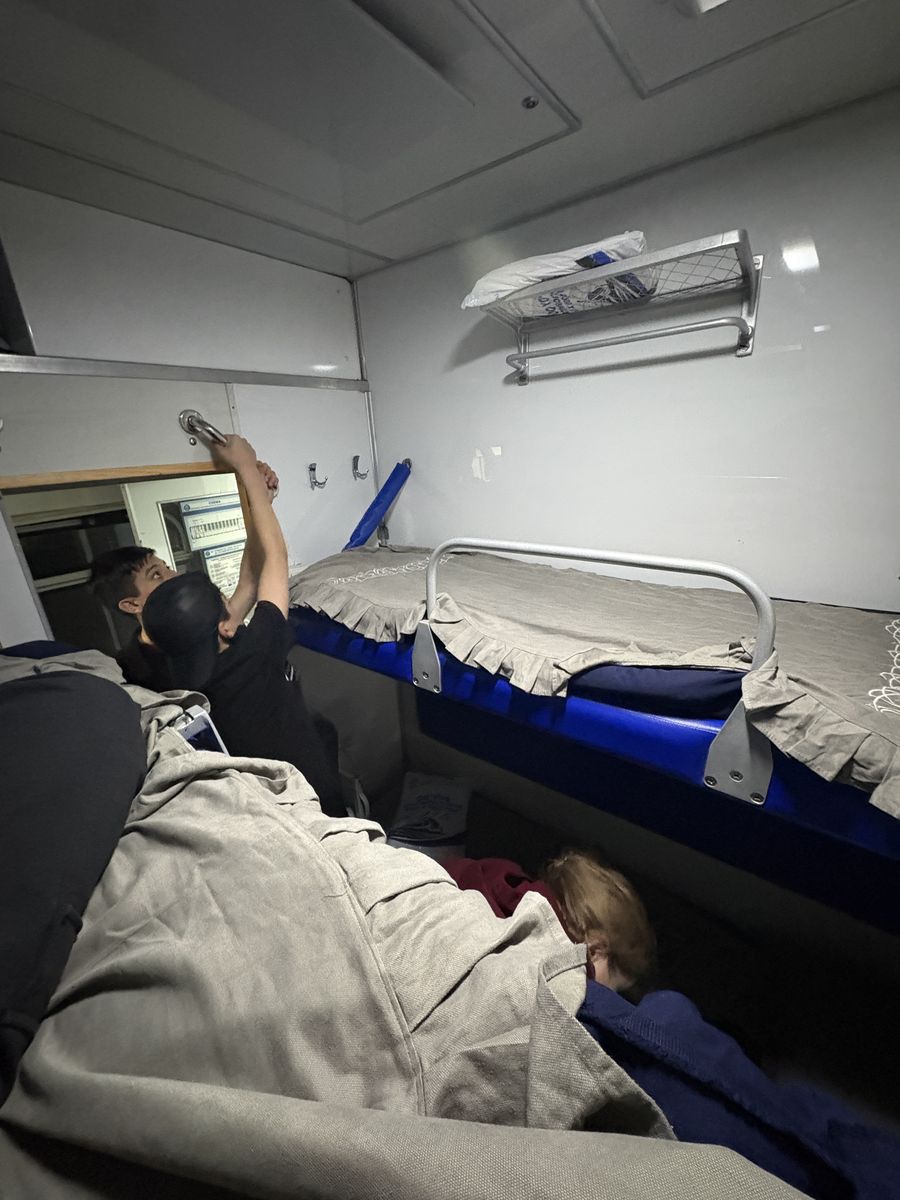
Almaty is the largest city in Kazakhstan, and I went back to Tashkent from Bukhara to catch my flight. I took the sleeper train to Tashkent, which takes around seven hours. The train had flat berths that let me lie down, so I could sleep very well.
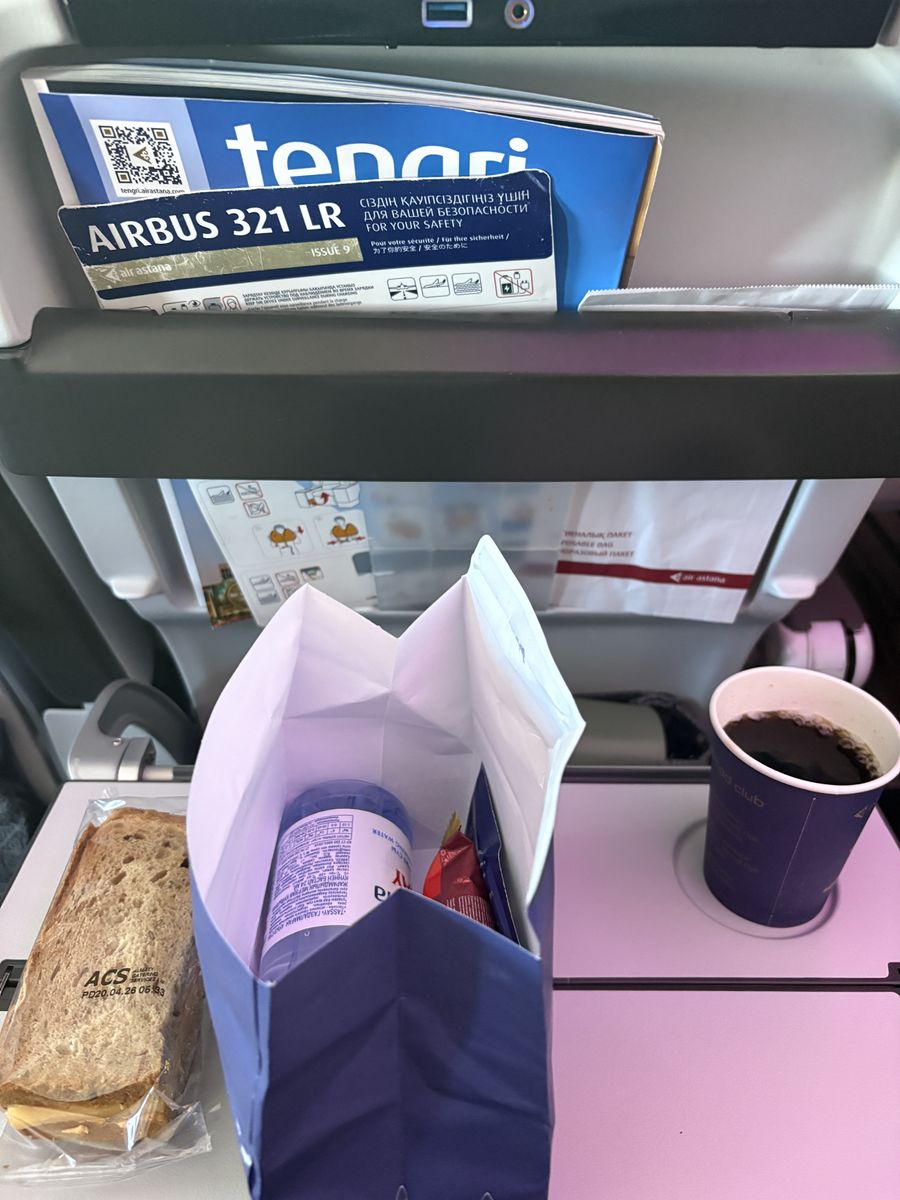
I flew to Almaty on Air Astana, Kazakhstan's flag carrier, and the flight was just 1.5 hours. The cabin was new, but there were plenty of empty seats.
Almaty City
Almaty is not the capital of Kazakhstan, but it used to be before the capital was moved to Astana, and it still has the largest population in the country. Almaty sits in the south of Kazakhstan, close to Uzbekistan and Kyrgyzstan. I also didn't know until this trip that Kazakhstan is the 9th largest country in the world.
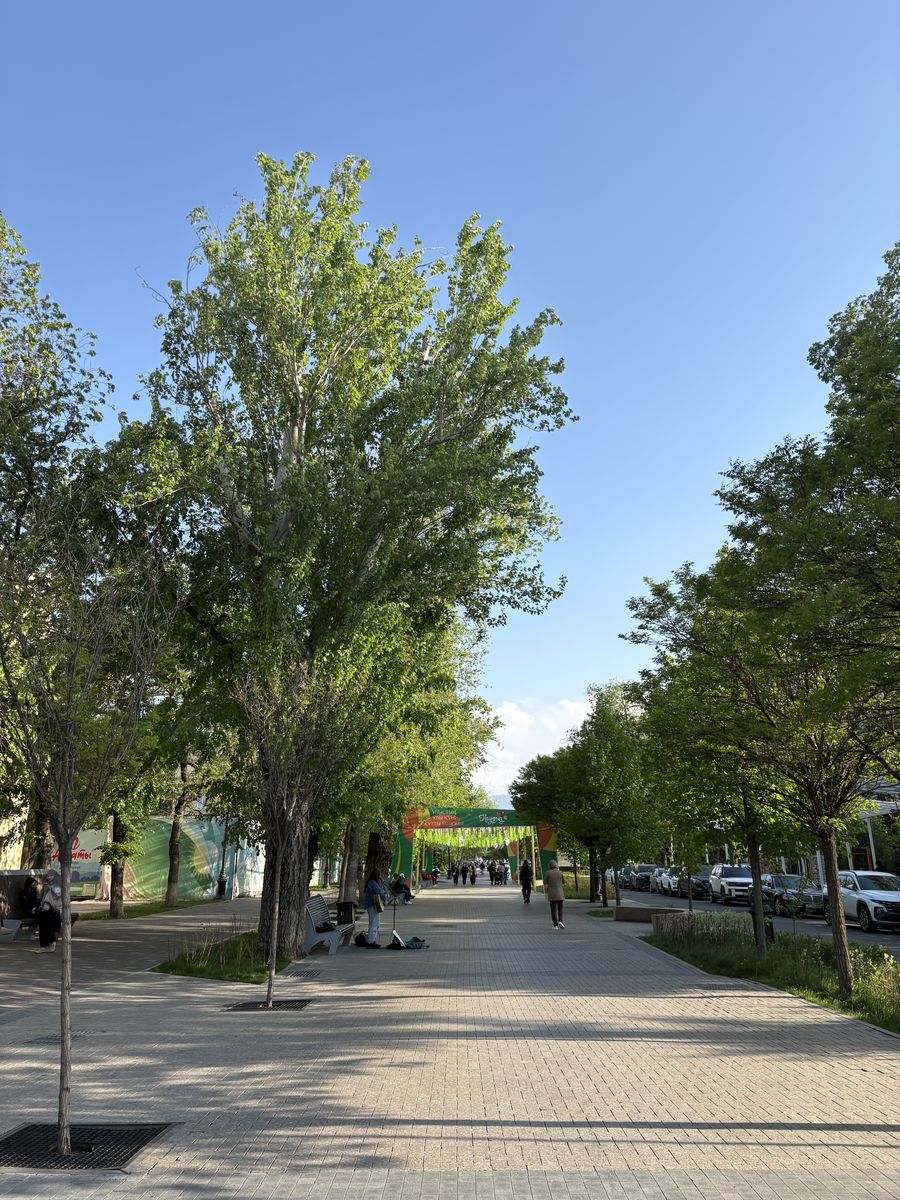
My first impression of Almaty was that the city is very modern and surrounded by a high mountain range. I later learned that Kazakhstan has the highest GDP in Central Asia, probably thanks to its rich energy resources. The buildings and cars here looked noticeably more upscale compared to Uzbekistan.
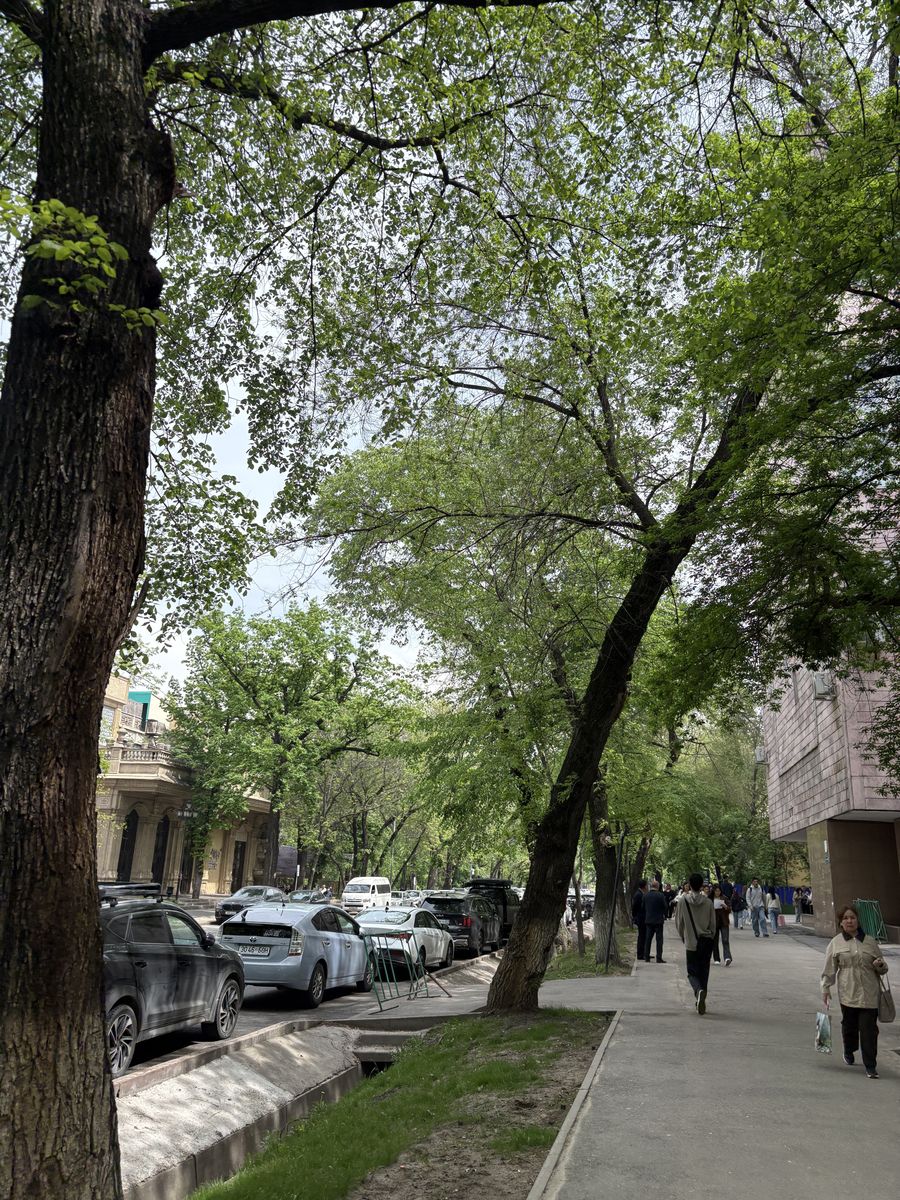
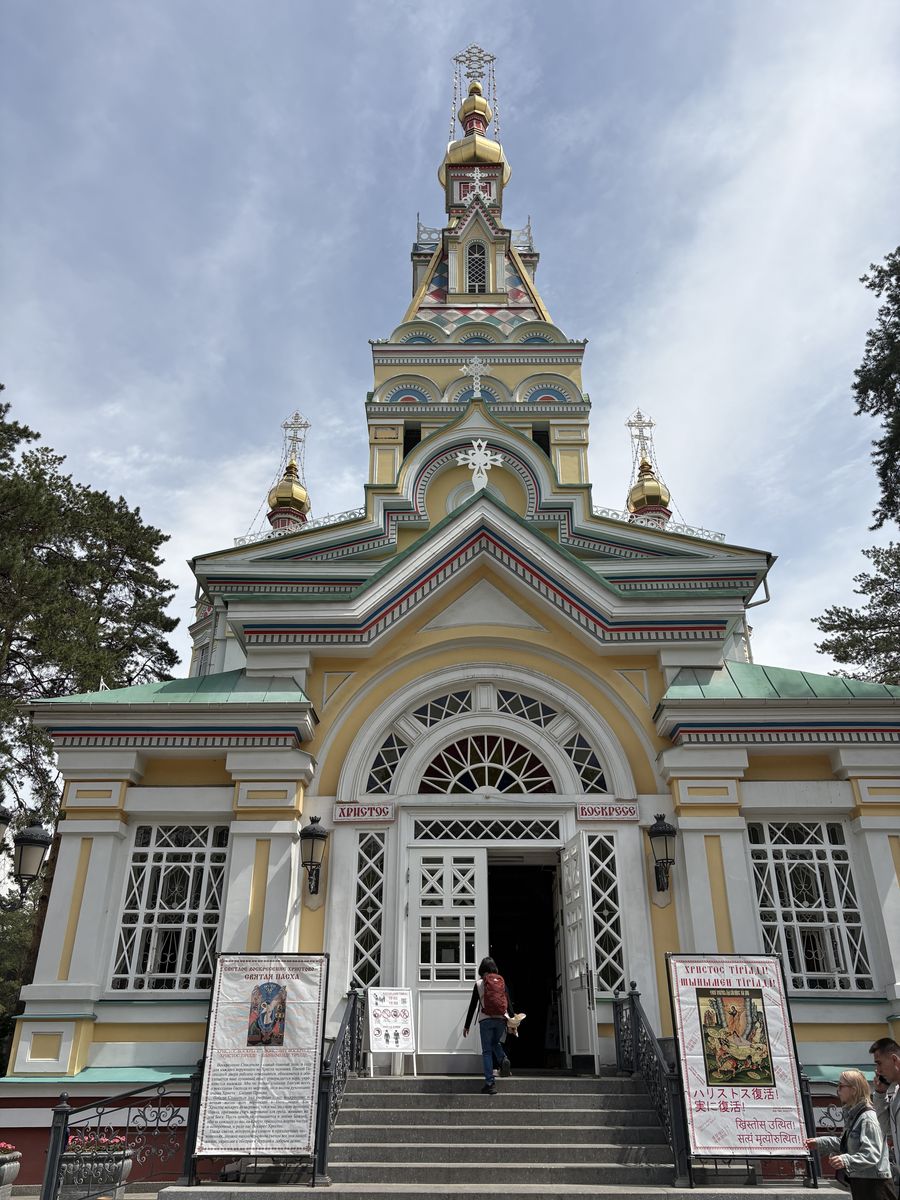
I only stayed in Almaty for three days and didn't explore the city much, but Ascension Cathedral was absolutely the right choice even for a short visit. It's a Russian Orthodox wooden church, and this was probably my first time stepping inside a Russian Orthodox church. It looked rustic from the outside, but the interior was truly gorgeous, filled with big chandeliers and elaborate decorations.
Zenkov Cathedral, also known as the Ascension Cathedral, stands in the heart of Almaty's Panfilov Park. Completed in 1907, it is one of the tallest wooden buildings in the world at 56 meters — and remarkably, it was built without a single metal nail, which helped it survive the devastating 1911 earthquake that flattened most of the city. Its fairytale-like façade of pastel walls and golden onion domes makes it one of Almaty's most iconic landmarks.
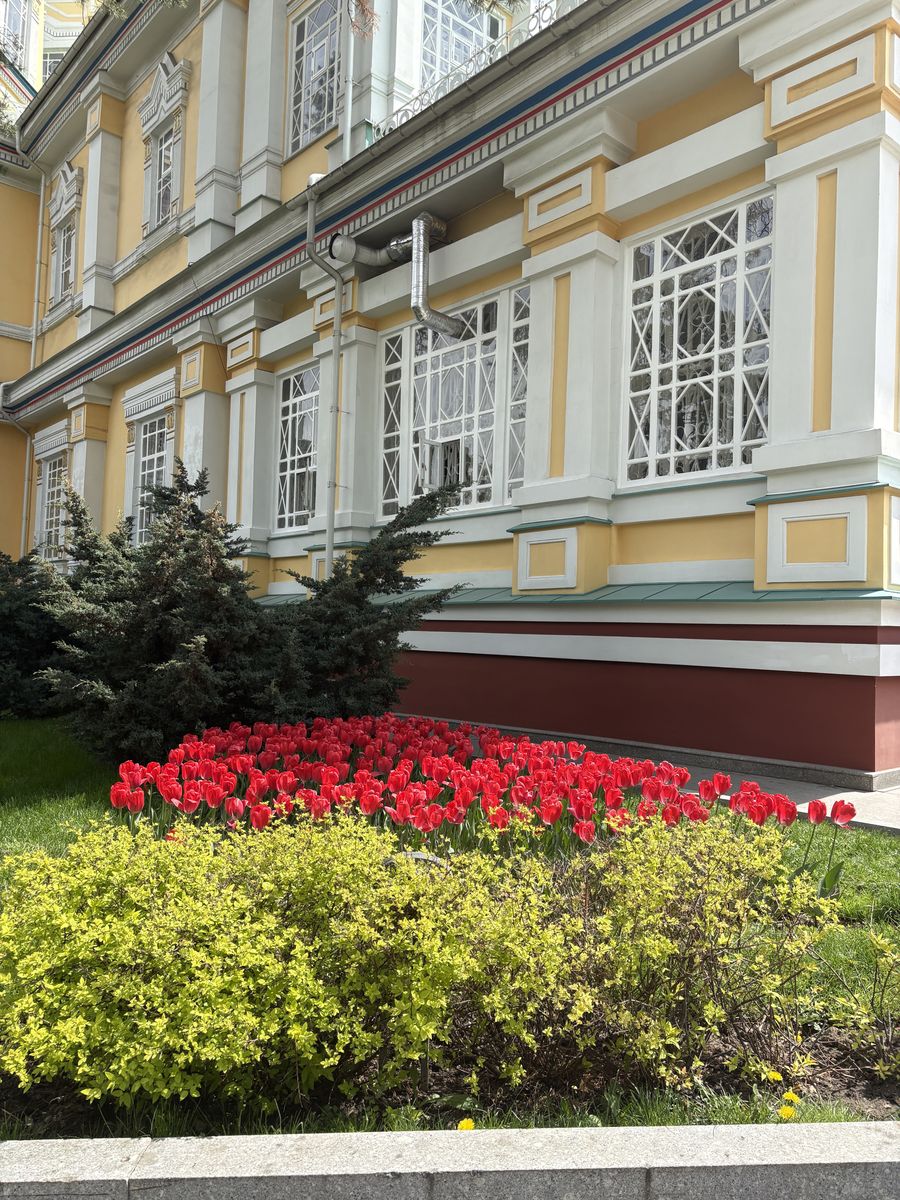
I also came across an interesting shop while walking downtown. It looked like a McDonald's, and it actually was. They changed their name because of Russia's influence (Kazakhstan has strong Russian cultural ties), but the menu was pretty much the same. As a hamburger lover, there was no way I could skip it.
The burger was a bit different from what I'd had in other countries, but it was really good overall. They also offered chicken, like many Asian countries do.

Nature in Kazakhstan
I spent one day joining a tour here, and it was absolutely the right choice. My image of Kazakhstan completely changed after this tour — I was amazed by how vast and beautiful the country's nature is. I joined a small group tour and spent the whole day visiting three canyons and two lakes.
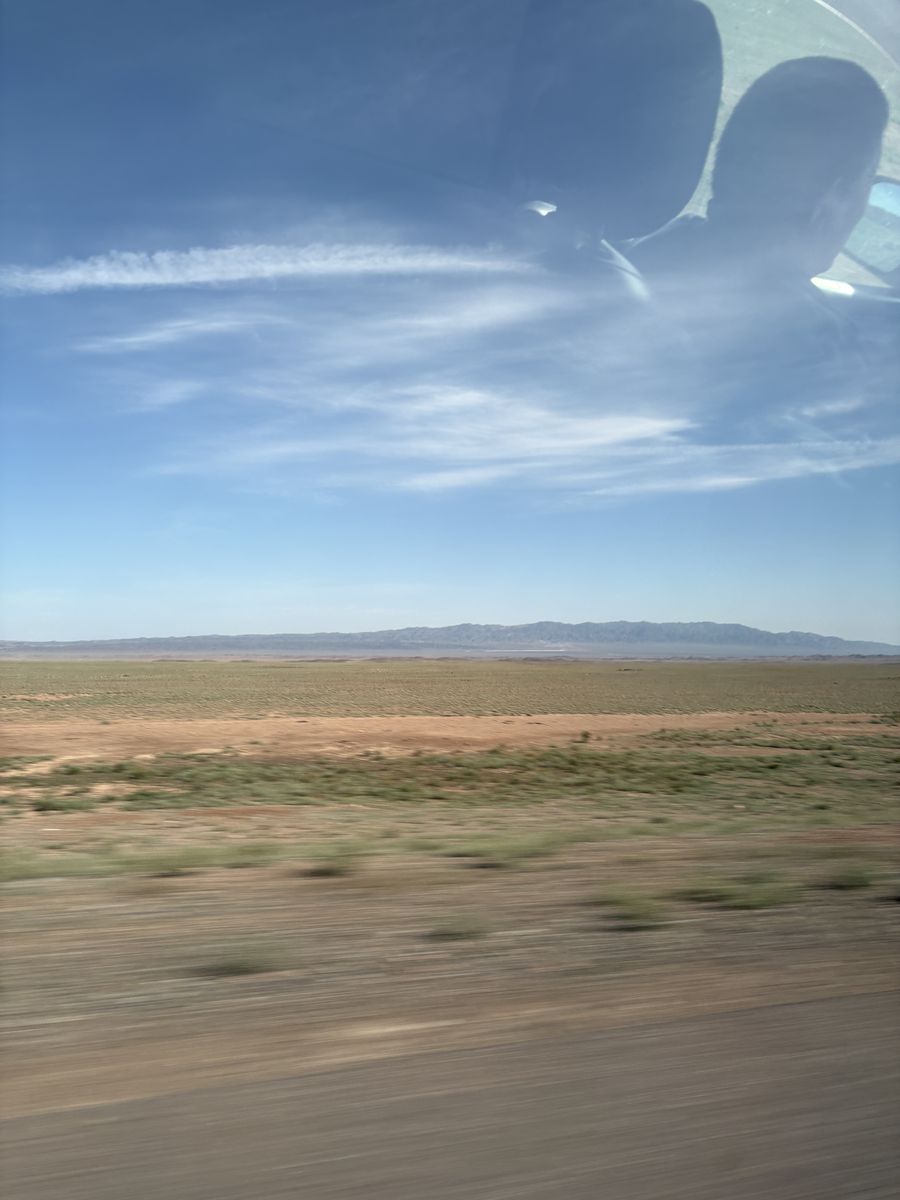
Unlike other countries, the travel distances were on a massive scale too. We drove more than 200 km from Almaty, and I watched immense grass fields roll by for three hours on the way.
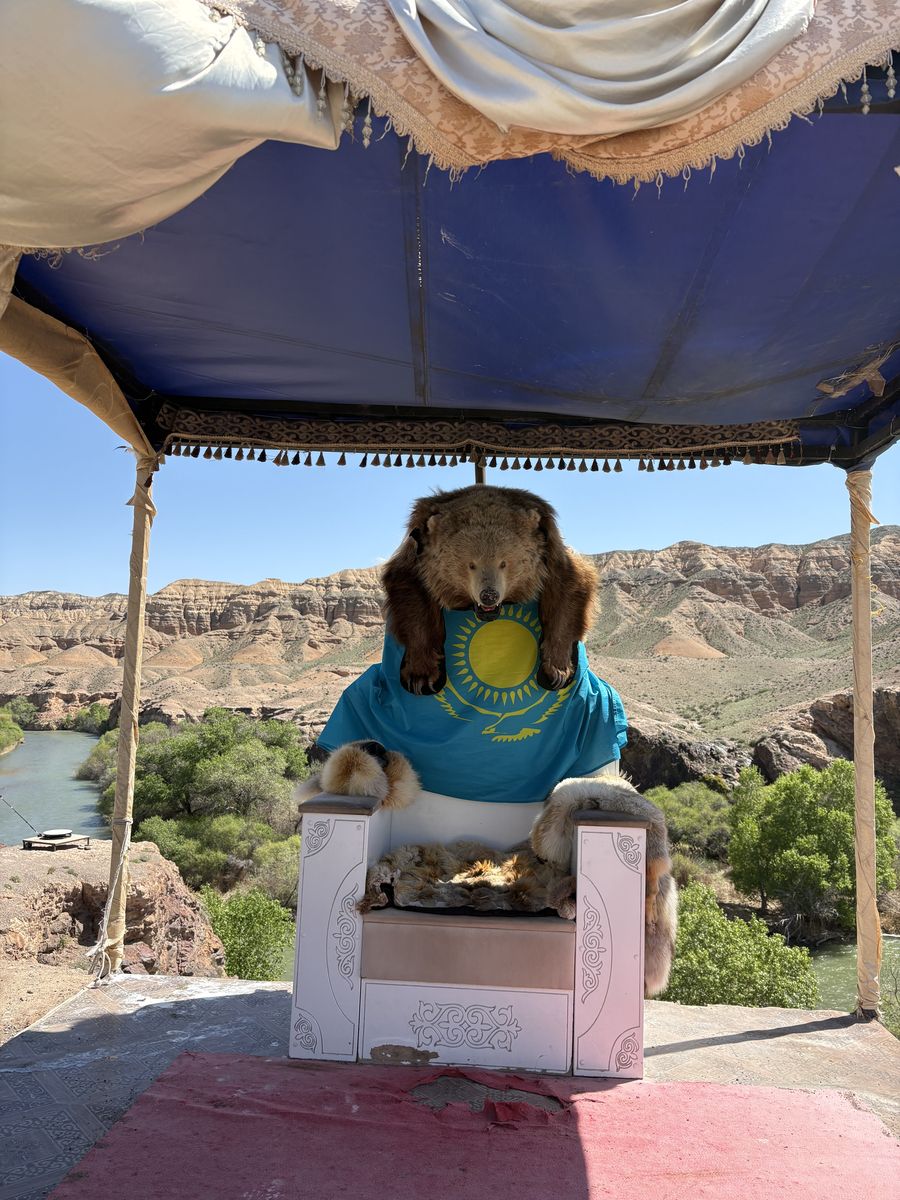
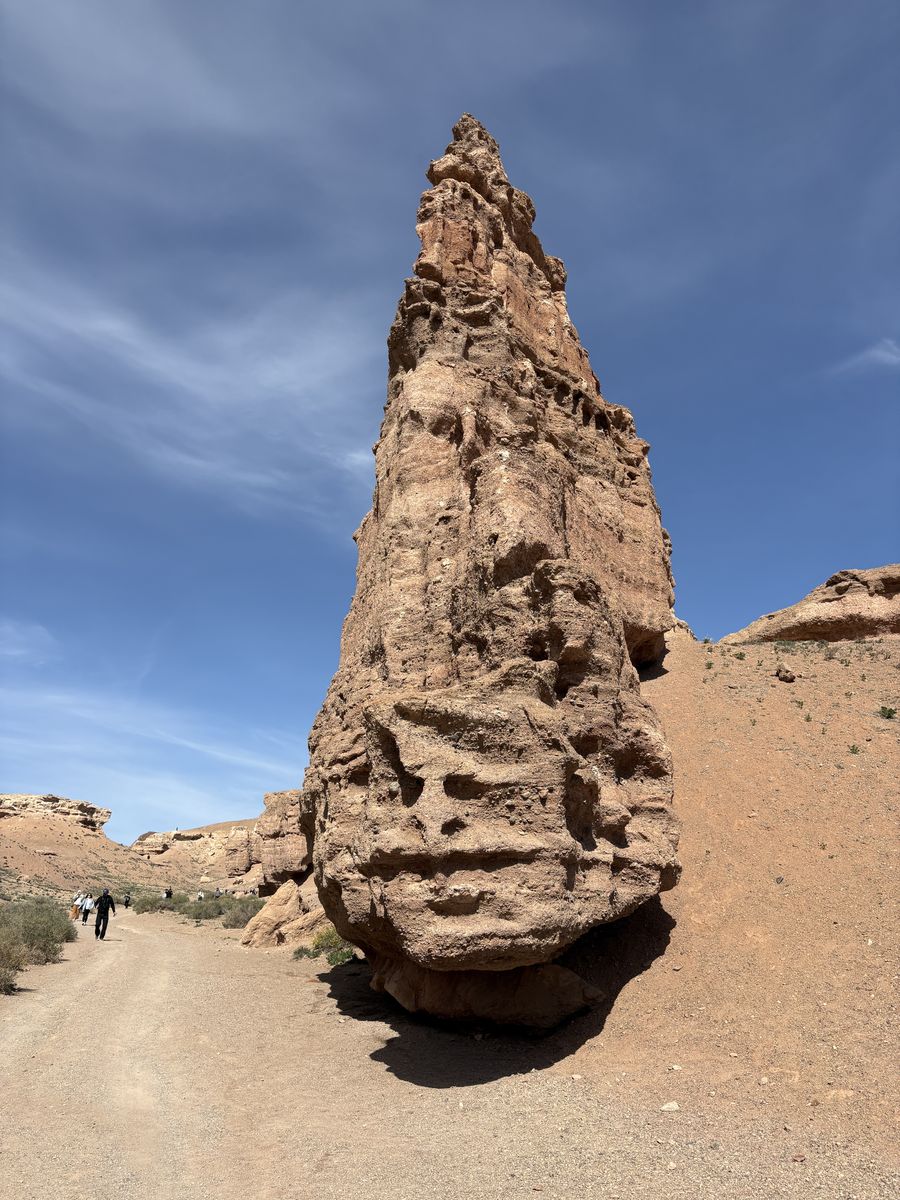
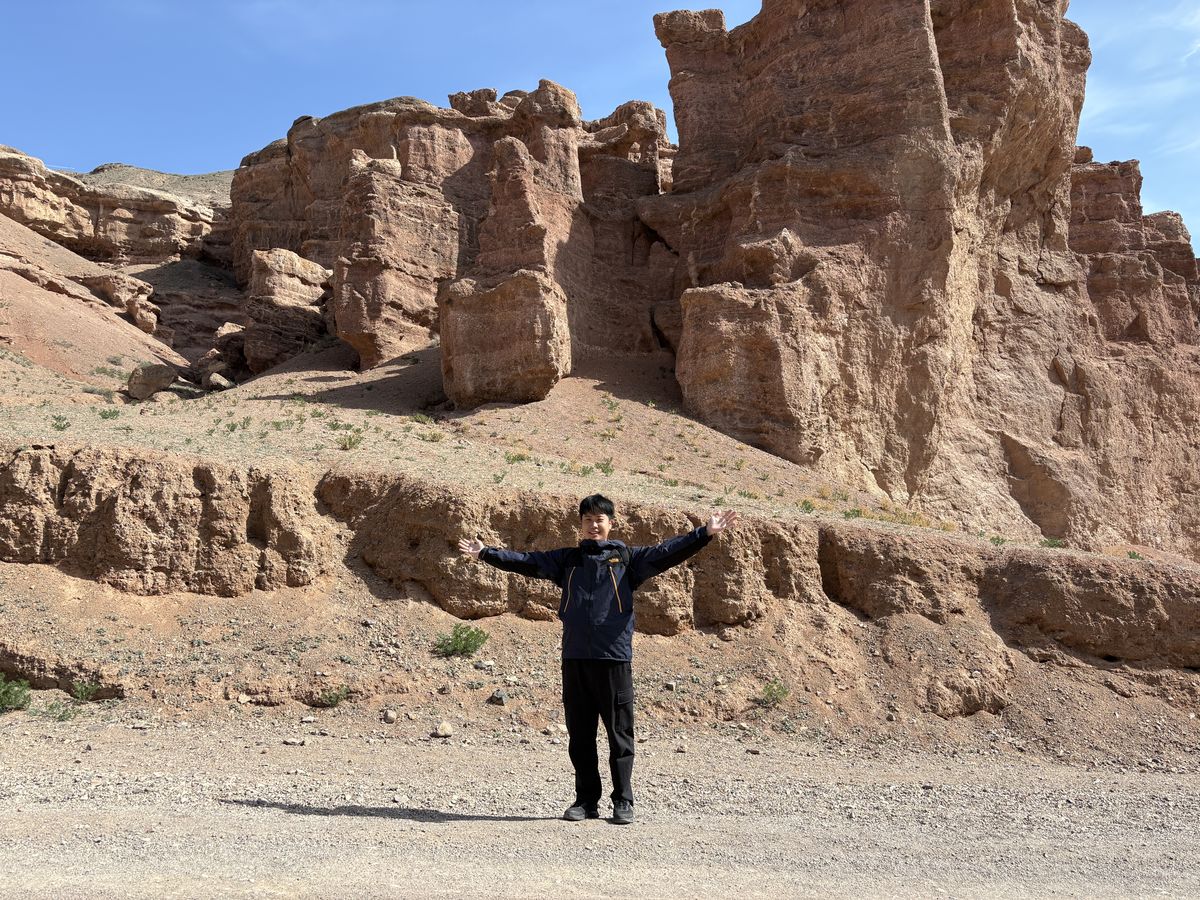
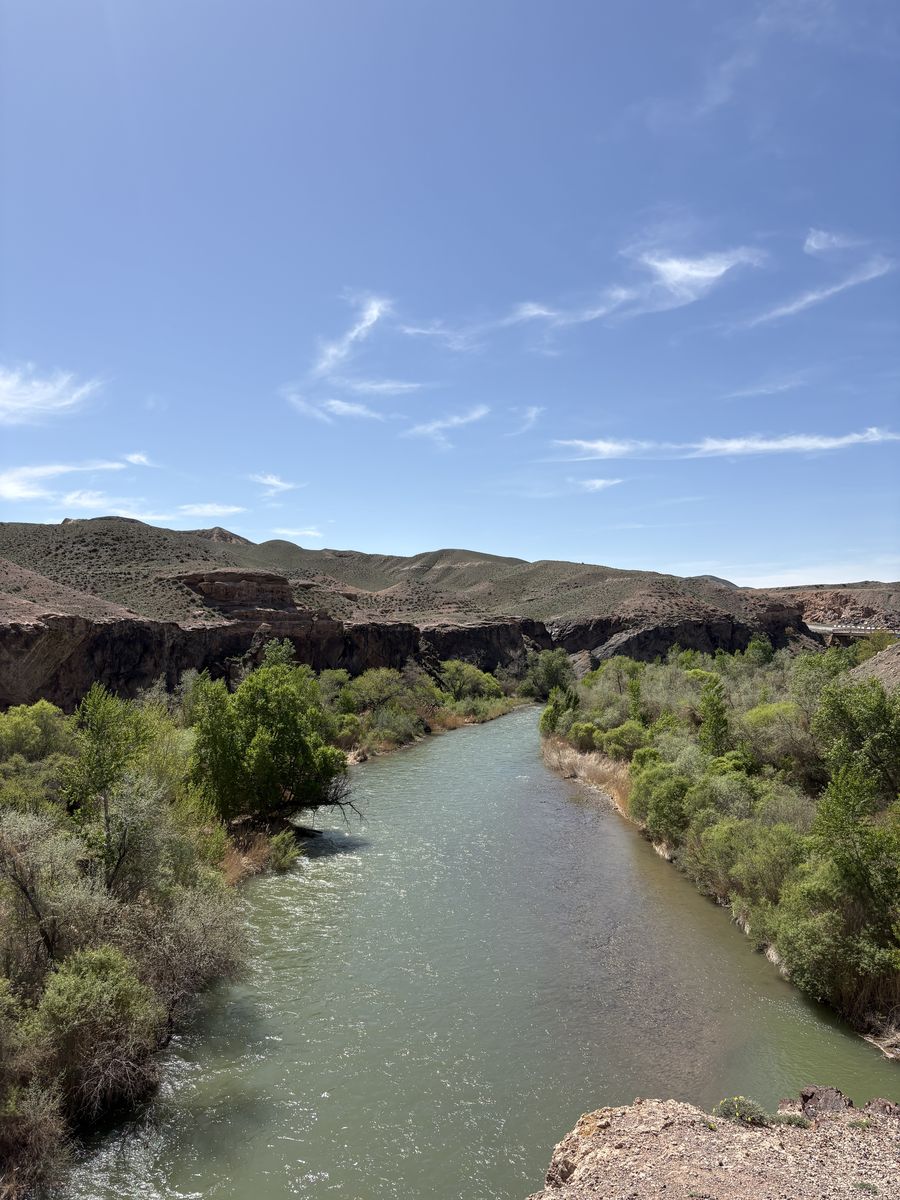
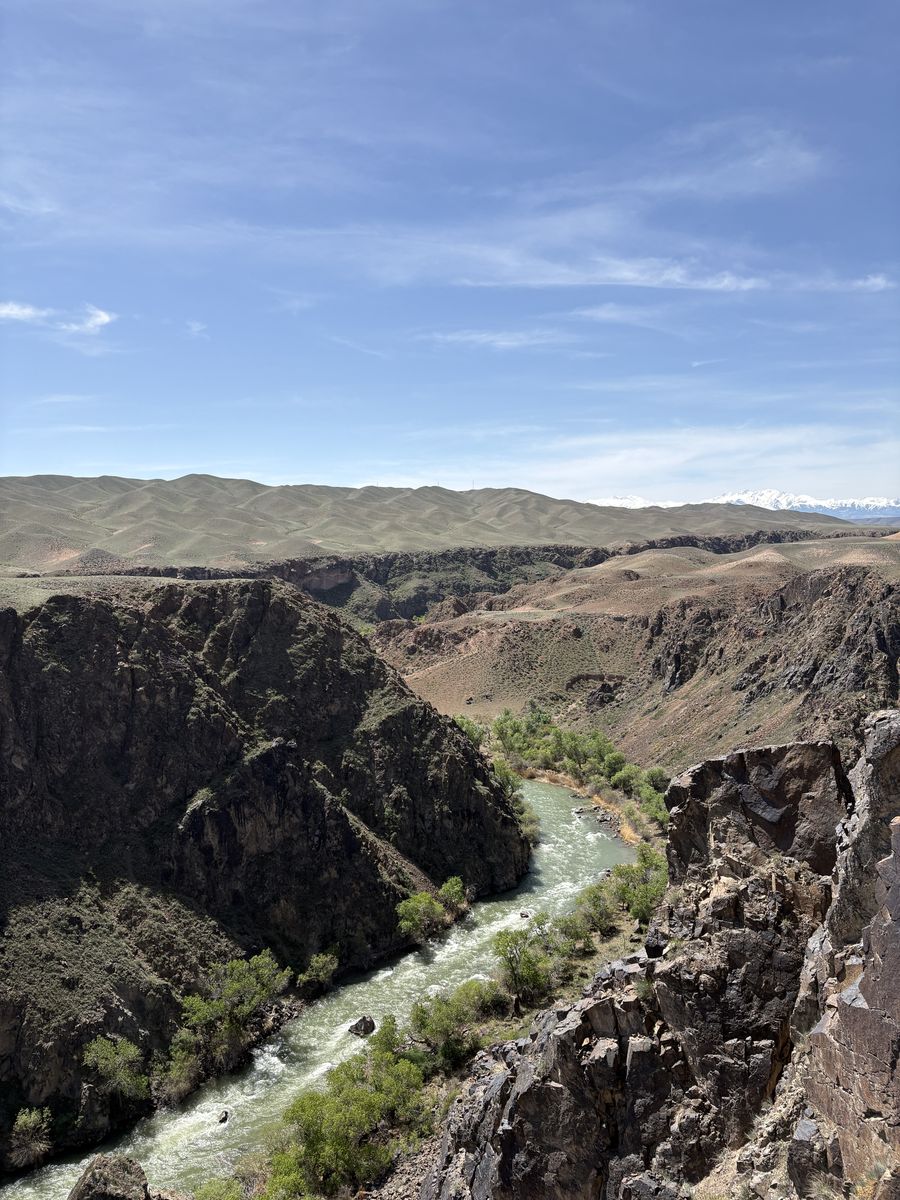
The first stop was Charyn Canyon National Park, an area made up of many canyons where we hiked for about an hour. We could also see the mountain range near the Chinese border, still covered in snow.
Charyn Canyon National Park, often called the "little brother of the Grand Canyon," lies in southeastern Kazakhstan, about 200 km east of Almaty. Carved by the Charyn River over 12 million years, it stretches 154 km and reaches depths of up to 300 meters.
Its highlight is the Valley of Castles, a two-kilometer stretch of red sandstone pillars that resemble the ruins of an ancient fortress, especially stunning at sunrise and sunset. Unlike the Grand Canyon, Charyn remains quiet and uncrowded, usually visited as a day trip from Almaty in spring or autumn.
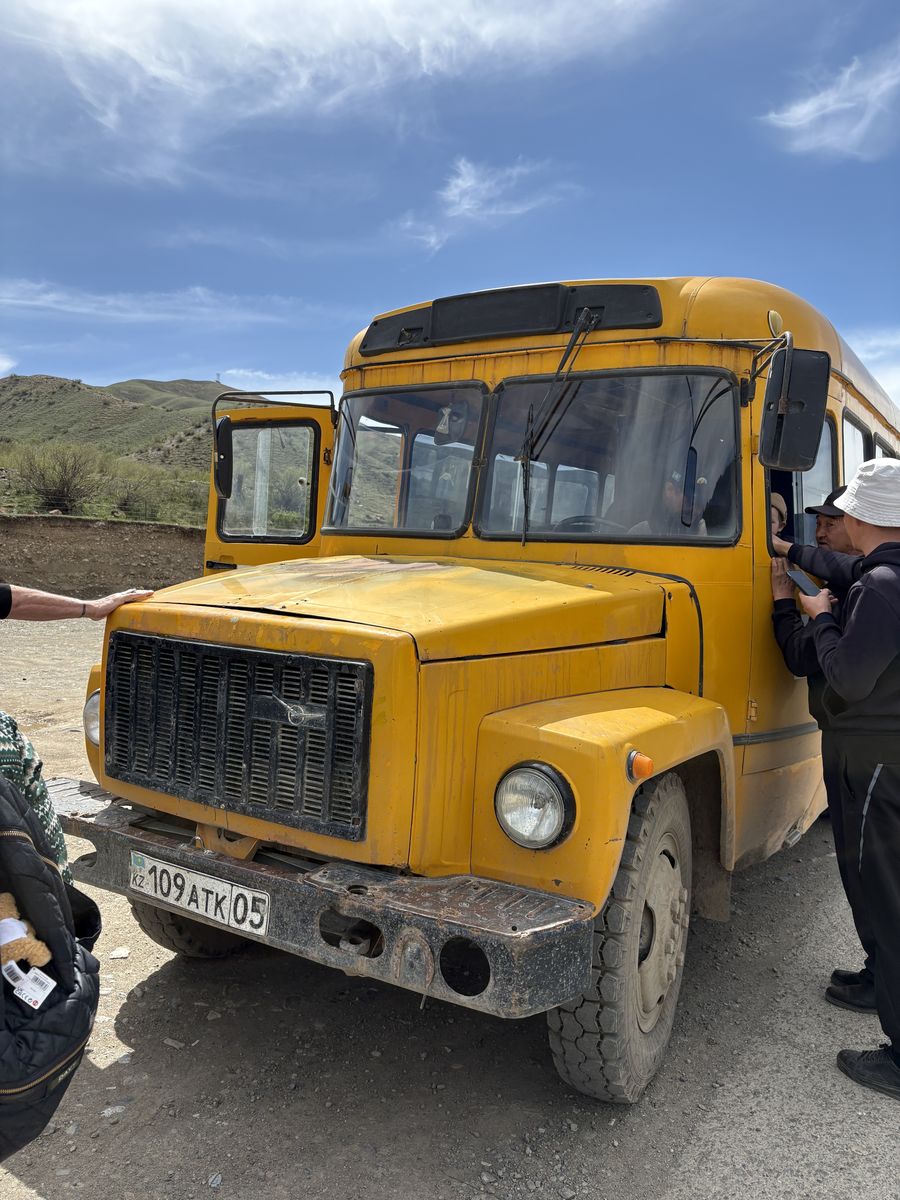
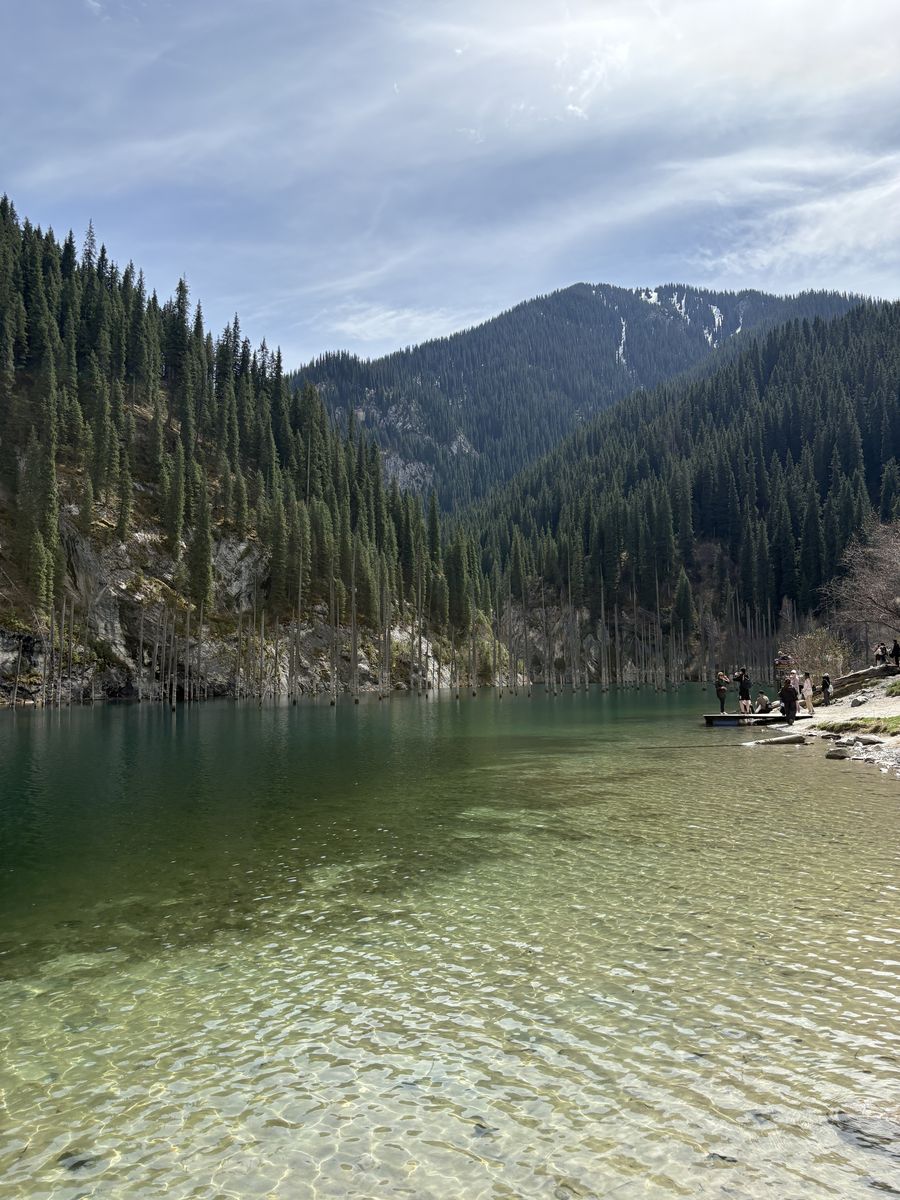
After the canyon, we went to Lake Kaindy, sometimes called the "dead lake." The lake sits deep in the mountains, so we switched to a smaller van, and the road up there was so thrilling I'll never forget it lol. The lake itself was incredibly beautiful, with a real alpine feel. The surrounding forest is coniferous, a very different landscape from Southeast Asia.
Lake Kaindy, hidden in the Tian Shan mountains of southeastern Kazakhstan, was born in 1911 when an earthquake triggered a landslide that dammed a gorge and drowned the spruce forest growing there. The trees never fell — their bleached trunks still rise straight out of the turquoise water like the masts of sunken ships, with branches perfectly preserved in the icy depths below.
Sitting at about 2,000 meters above sea level, it is usually visited together with the nearby Kolsai Lakes, and is best seen from late spring to early autumn.
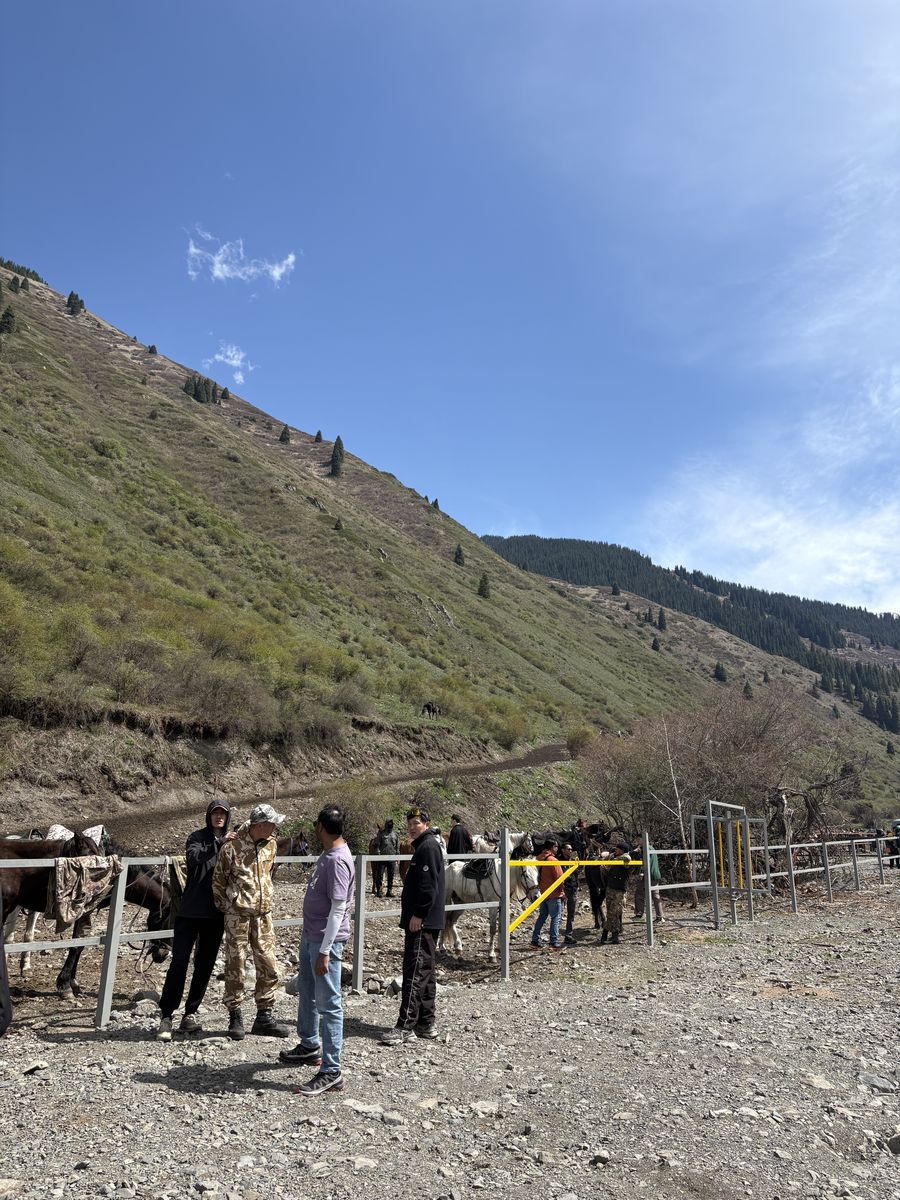
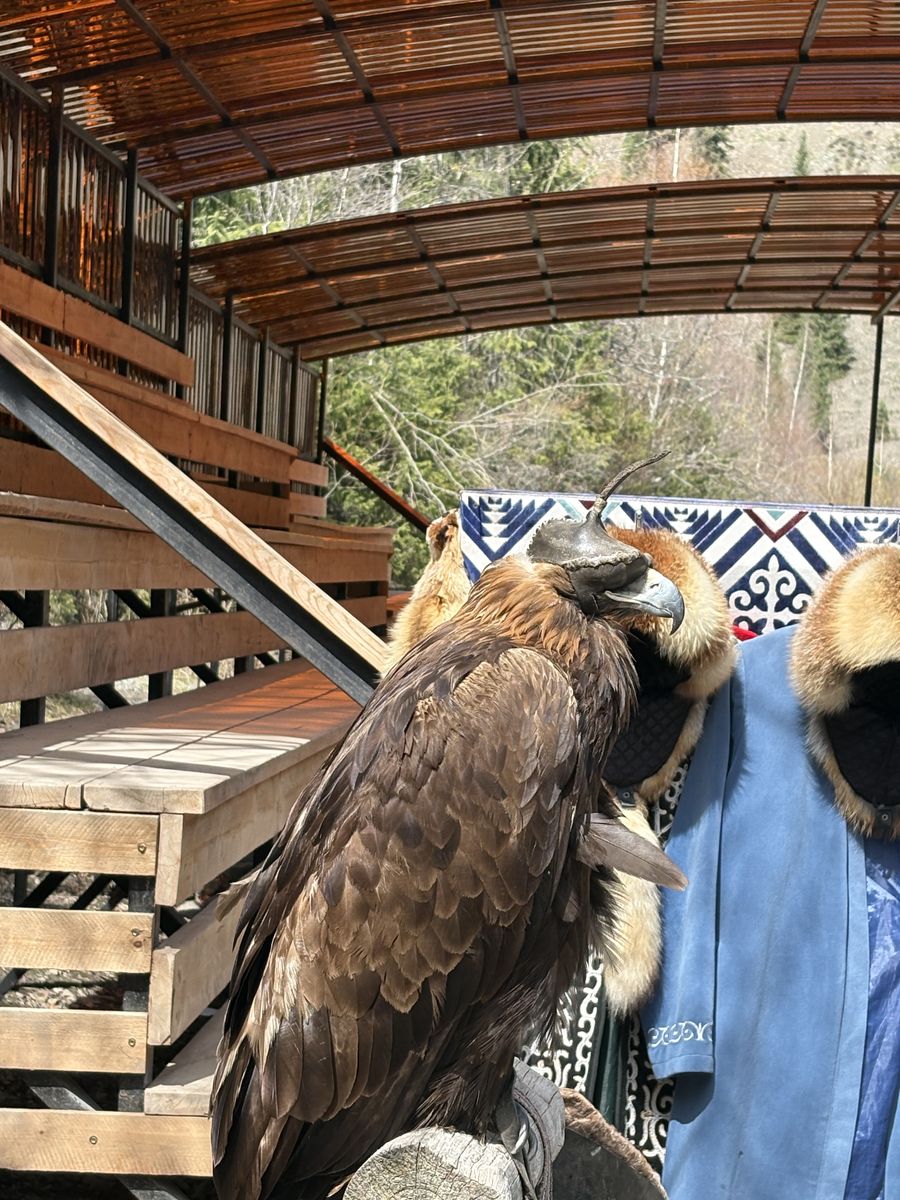
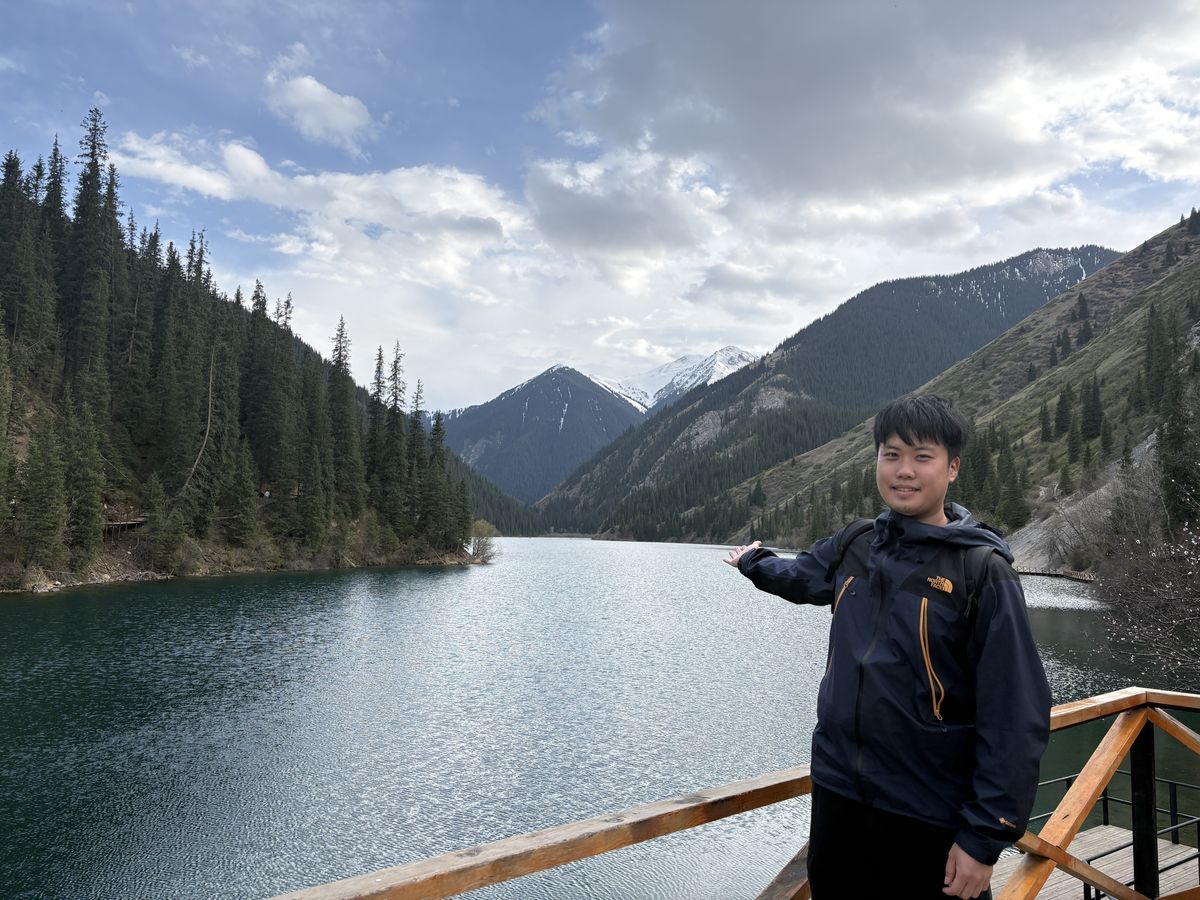
The last stop of the tour was Lake Kolsai, which is bigger than Lake Kaindy. I was overwhelmed by the scale, and personally I was just as moved by the quietness and crisp air here. Probably because I'd been in busy Asian countries for the past few months.
The Kolsai Lakes, known as the "Pearls of the Tian Shan," are a chain of three alpine lakes tucked into the mountains of southeastern Kazakhstan, not far from Lake Kaindy. They rise in elevation from around 1,800 meters at the Lower Lake to nearly 2,850 meters at the Upper Lake, near the Kyrgyz border. Surrounded by dense spruce and fir forests, the lakes mirror the peaks in still, deep-green water. The Lower Lake is the most accessible and popular for boating and horseback riding, while the higher two require a long hike and are best visited from late spring to early autumn.
Comments
Loading...