Krakow & Warsaw
Krakow & Warsaw
Krakow
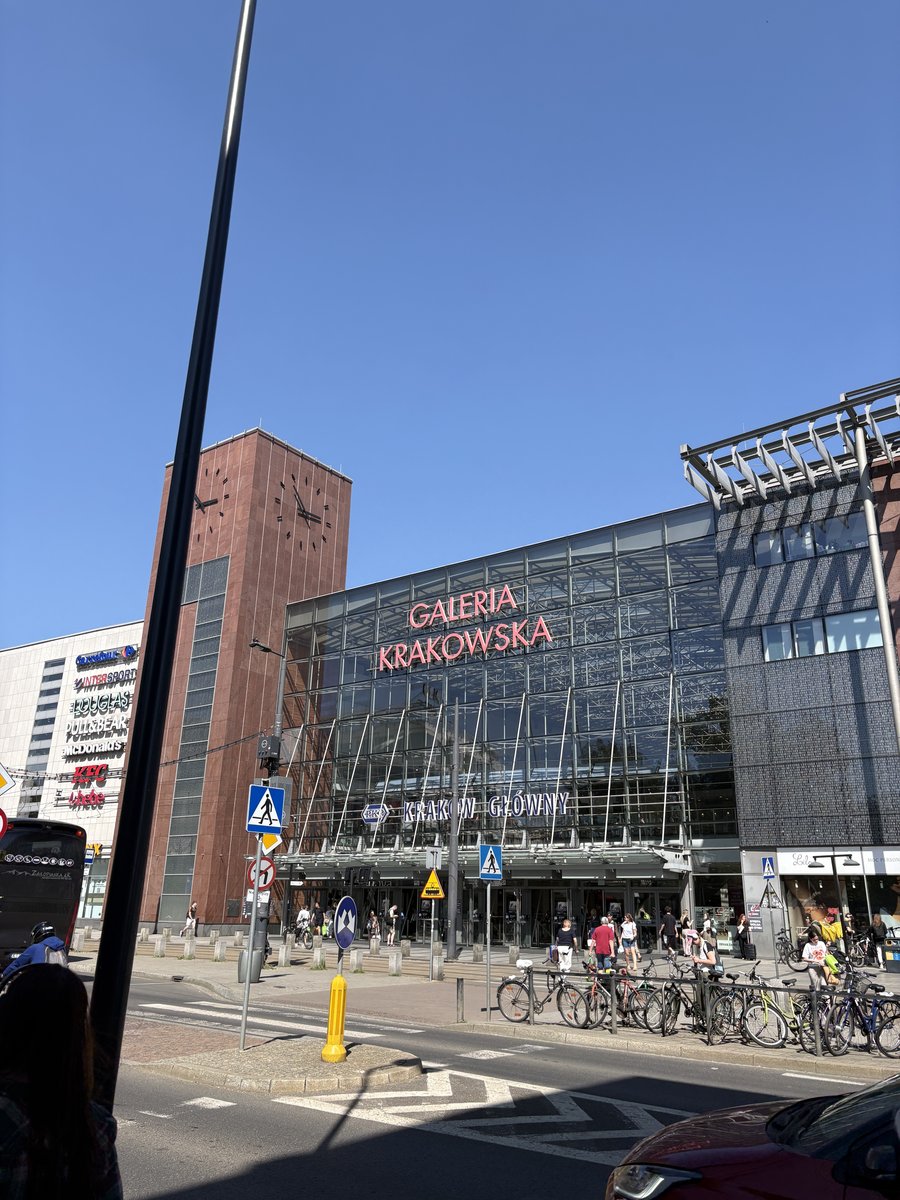
After leaving Prague, I moved on to Poland and stopped in Krakow before heading to Warsaw. Krakow is the second largest city in Poland, and the express train took about 6 hours. The station in Krakow was modern, and its design and atmosphere reminded me of Japan.
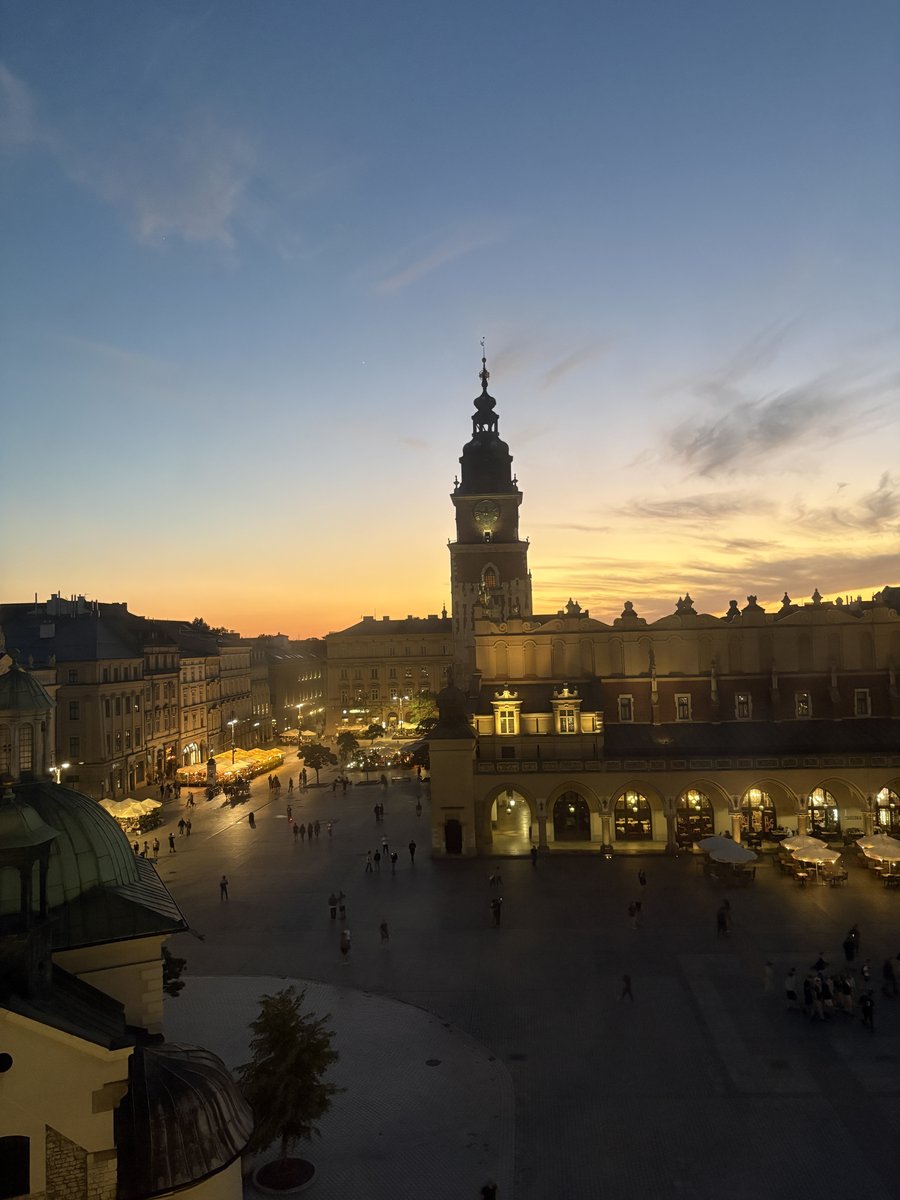
My hostel was located right next to the main square and had great access to everywhere during my stay. Costs in Poland are cheaper than in Czechia or Austria — but it also made me realize just how cheap beer in Prague was lol.
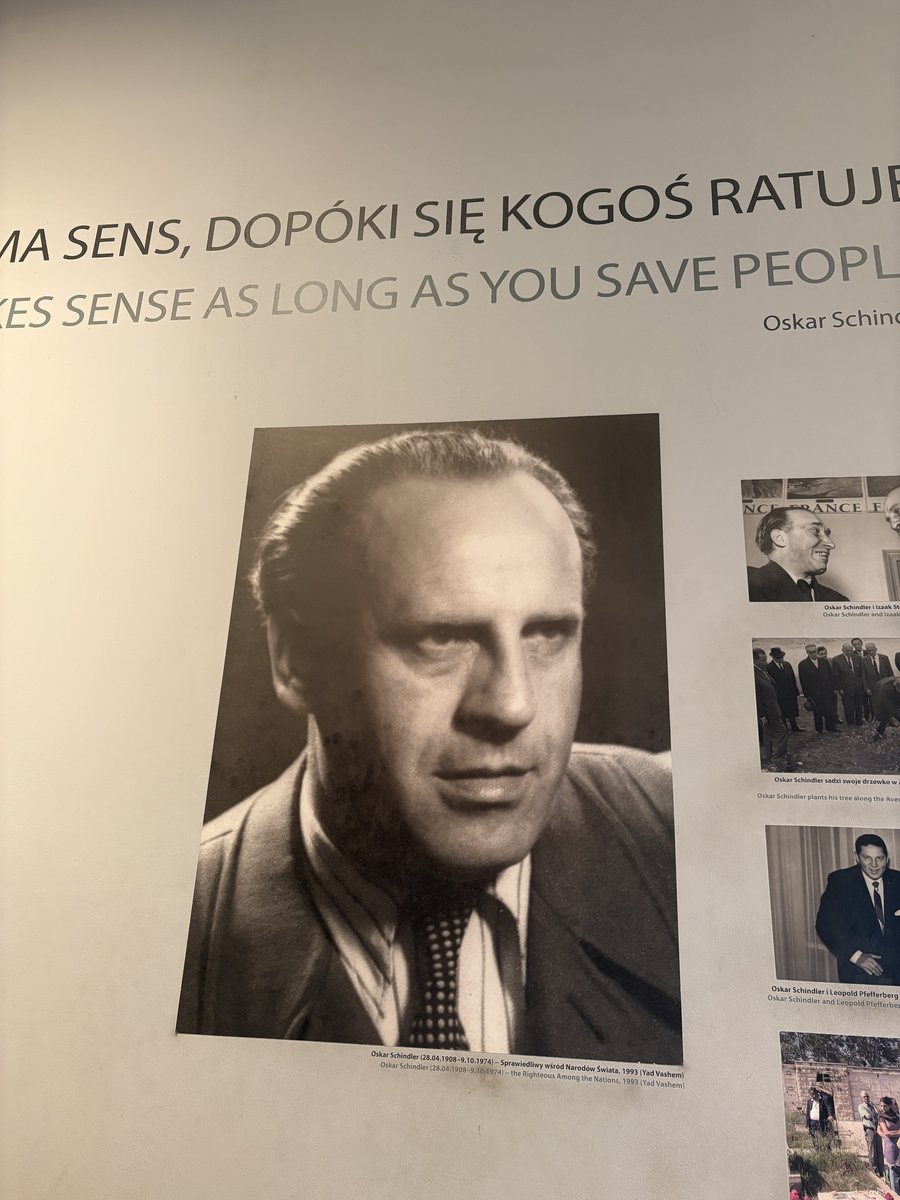
Krakow is close to Auschwitz, the site of the infamous concentration camp. I had hoped to visit, but tickets generally need to be booked online in advance, and they were already sold out by the time I checked a few days before. So I changed my plan and visited Oskar Schindler's Enamel Factory instead, another famous spot in Krakow.
Oskar Schindler's Enamel Factory (Fabryka Emalia Oskara Schindlera) is the wartime Kraków factory where the German industrialist Oskar Schindler saved around 1,200 Jewish workers from the death camps by declaring them essential to his munitions production — the story famously told in Steven Spielberg's 1993 film Schindler's List. The site reopened in 2010 as a powerful museum on Kraków under Nazi occupation from 1939 to 1945, with Schindler's original desk and office preserved at its heart.
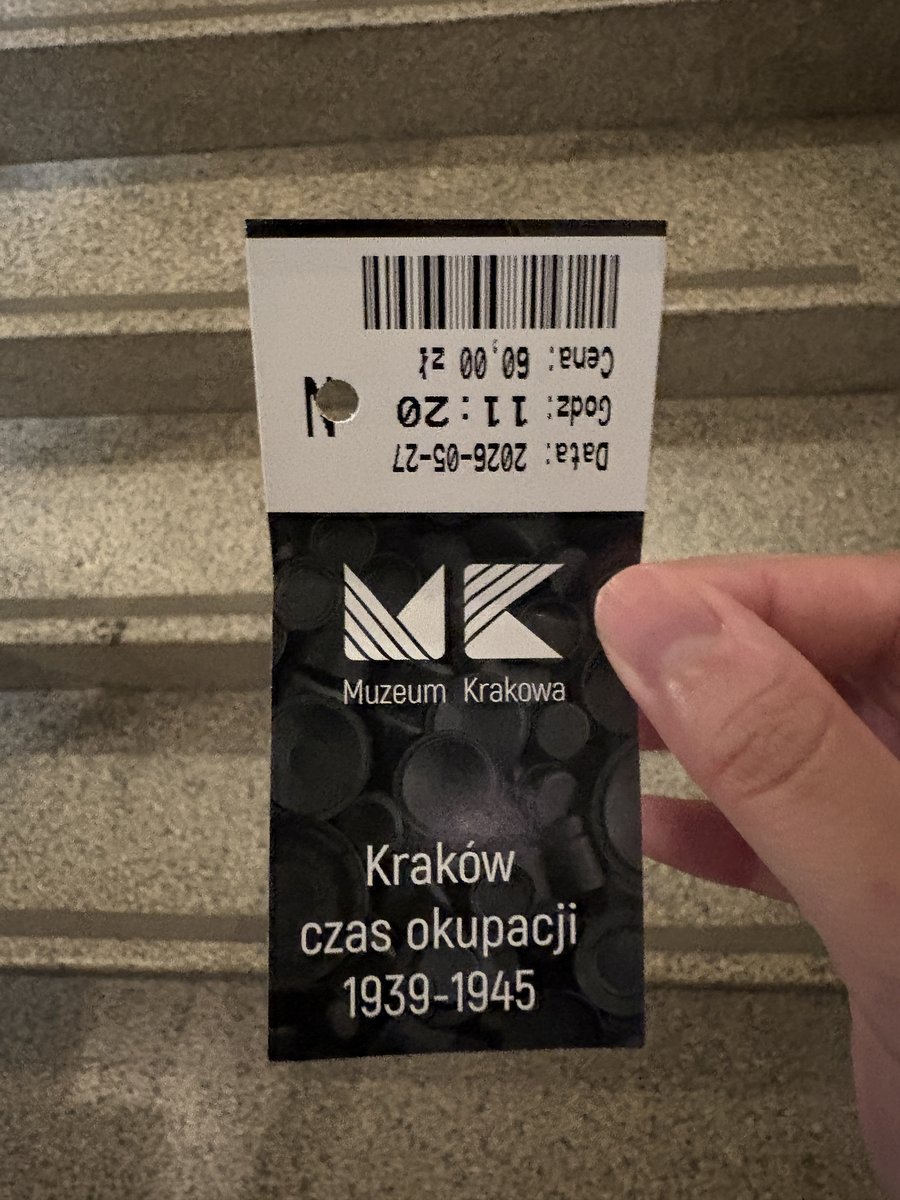
At the museum I was able to learn not only about Schindler's deeds but also the broader history of the German invasion in the late 1930s and early 1940s. WWII started when Germany invaded Poland in 1939, and Krakow was a top target because it was the cultural heart of the country. Krakow surrendered just one week after the invasion, which became the starting point of Schindler's story. The museum didn't go deep into his personal mindset or feelings at the time, so I was left curious about what truly moved him to protect his Jewish employees (Polish citizens were also living under harsh German control during this period, and you could really feel their suffering through the exhibits too).
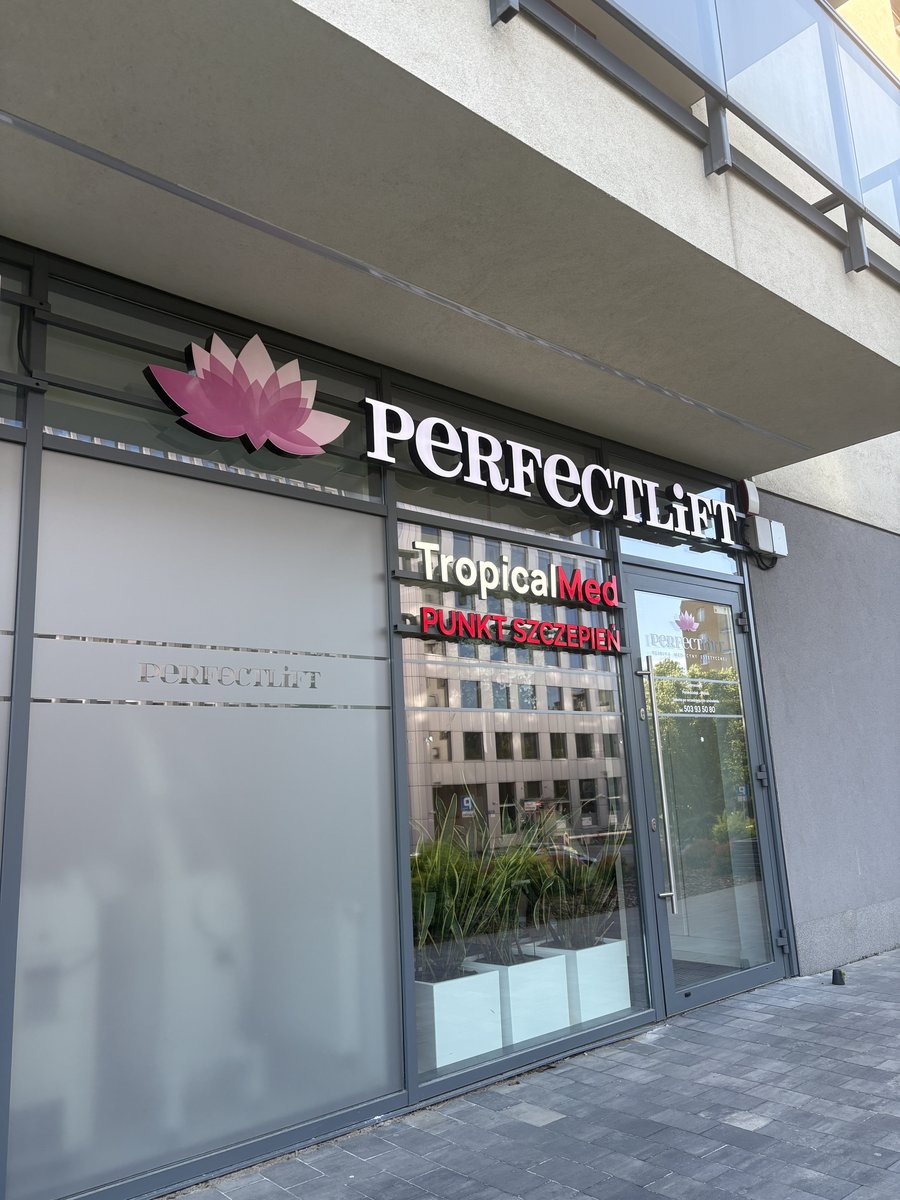
I also planned to get the yellow fever vaccine here before heading to South America (it's required to enter Peru). I'd heard it was cheaper here than in other European countries, and it really was — the staff and the whole process were also surprisingly efficient.
Warsaw
I stayed in Krakow for two nights, then moved on to Warsaw, the capital of Poland. I can confidently say Warsaw would be a great city to live in — it's well-organized, the cost of living isn't too high, and the infrastructure is excellent.
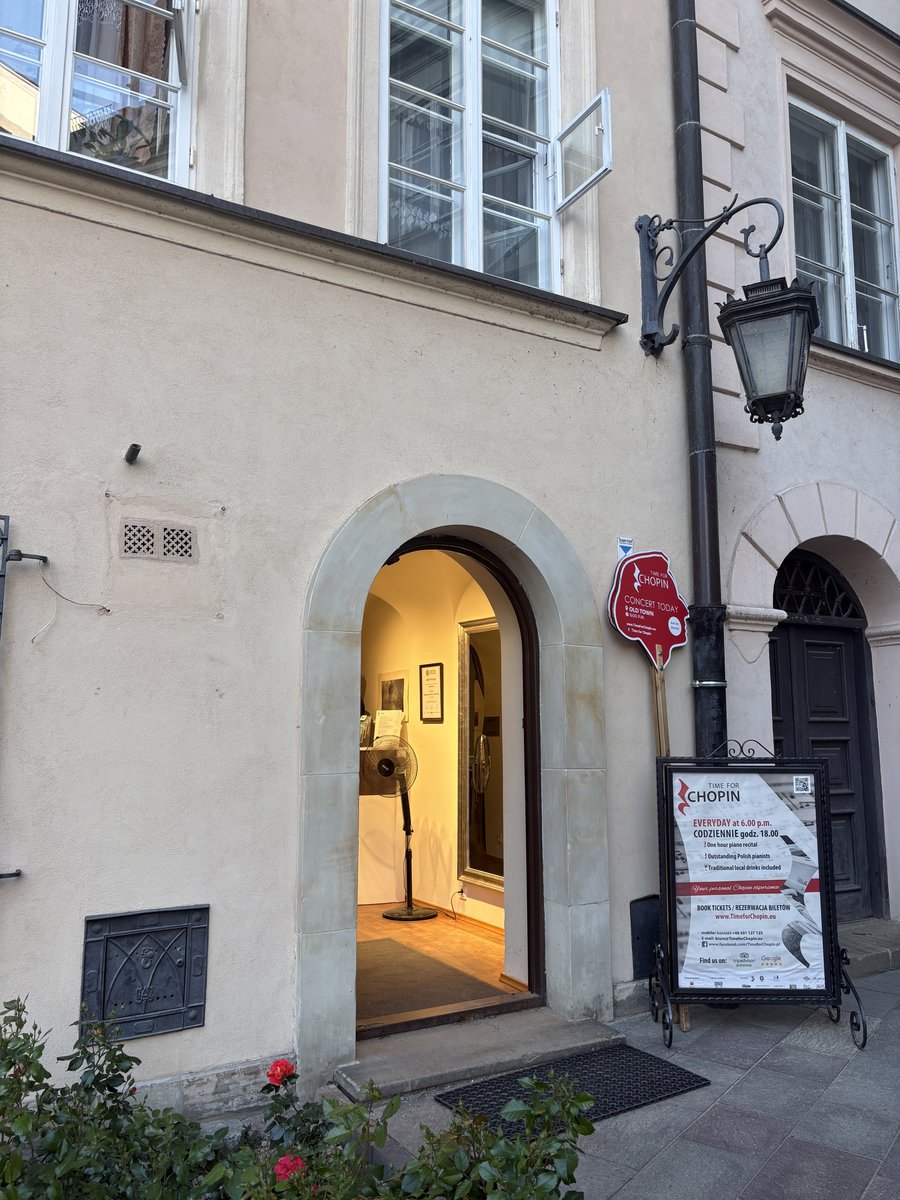
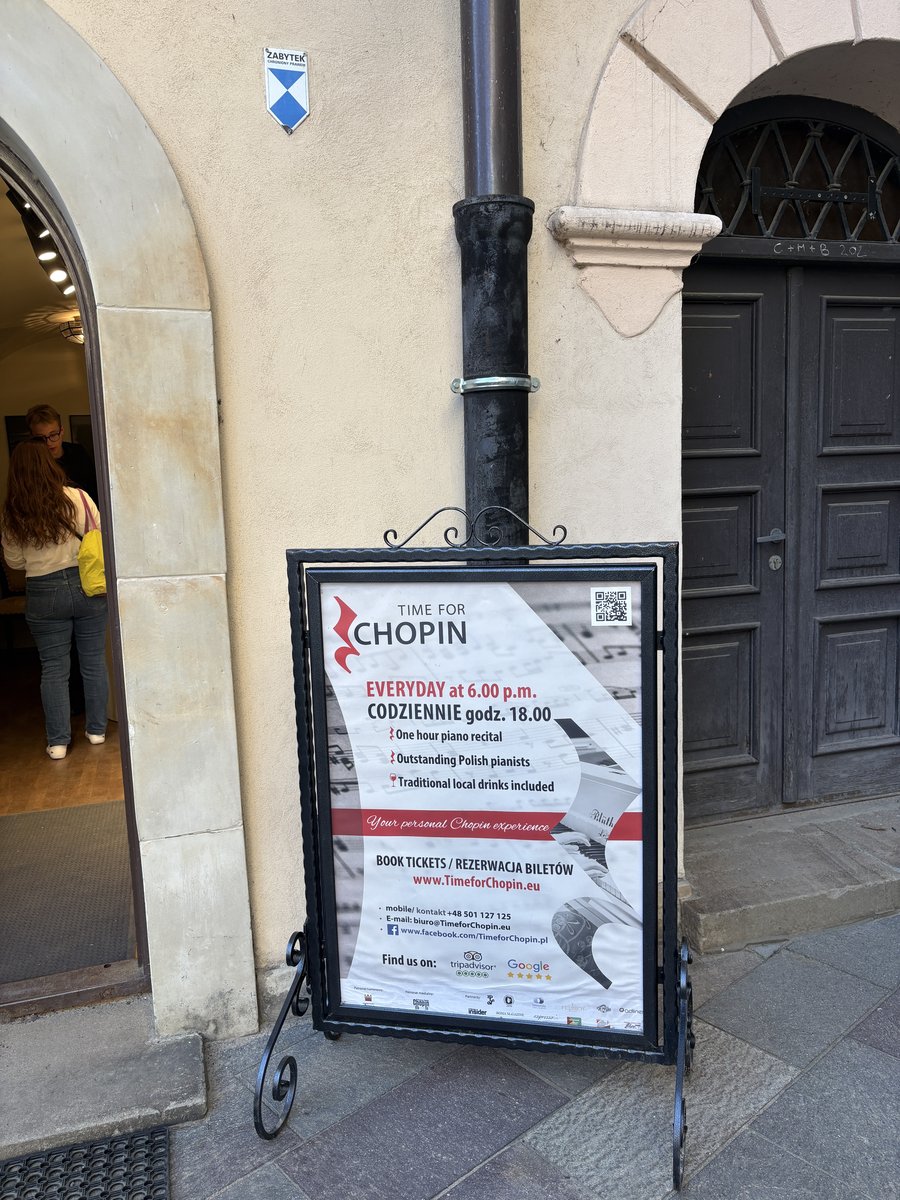
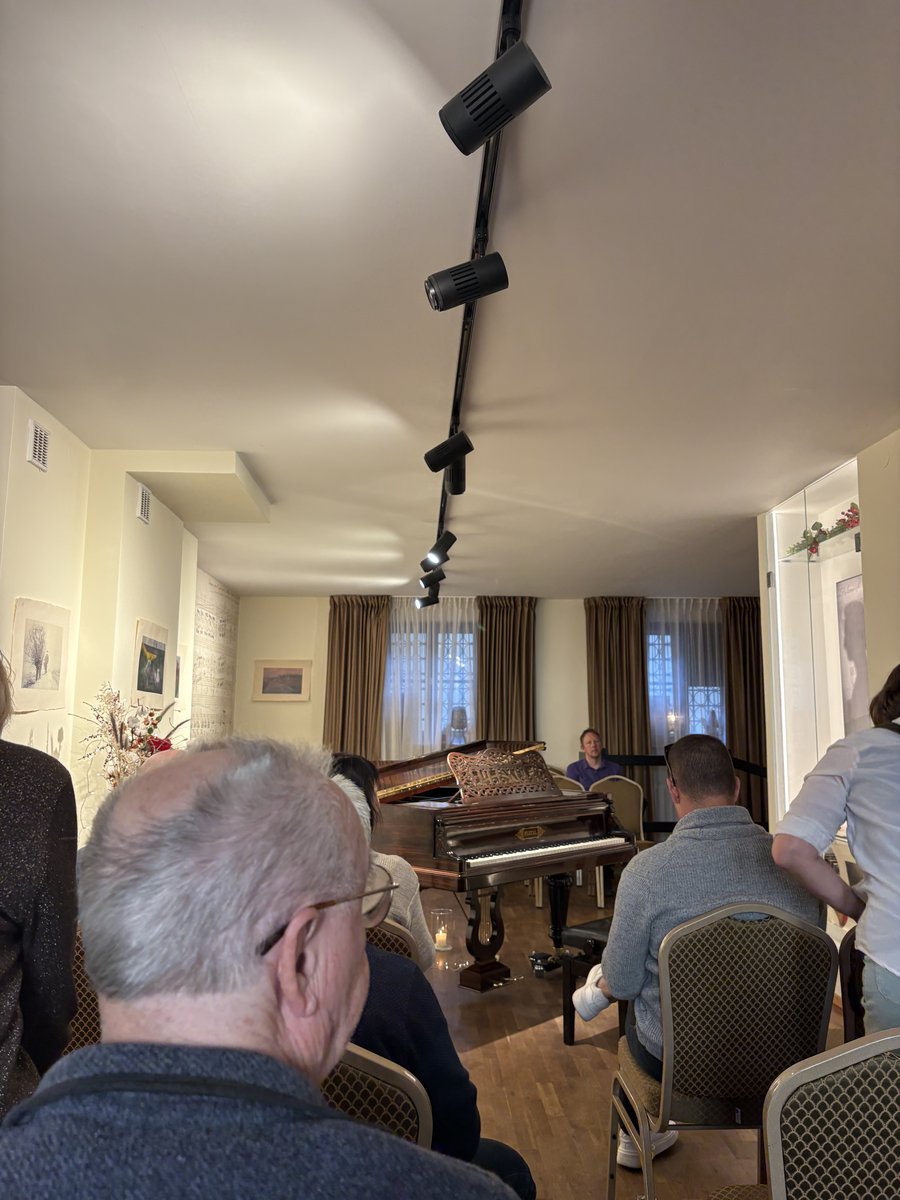
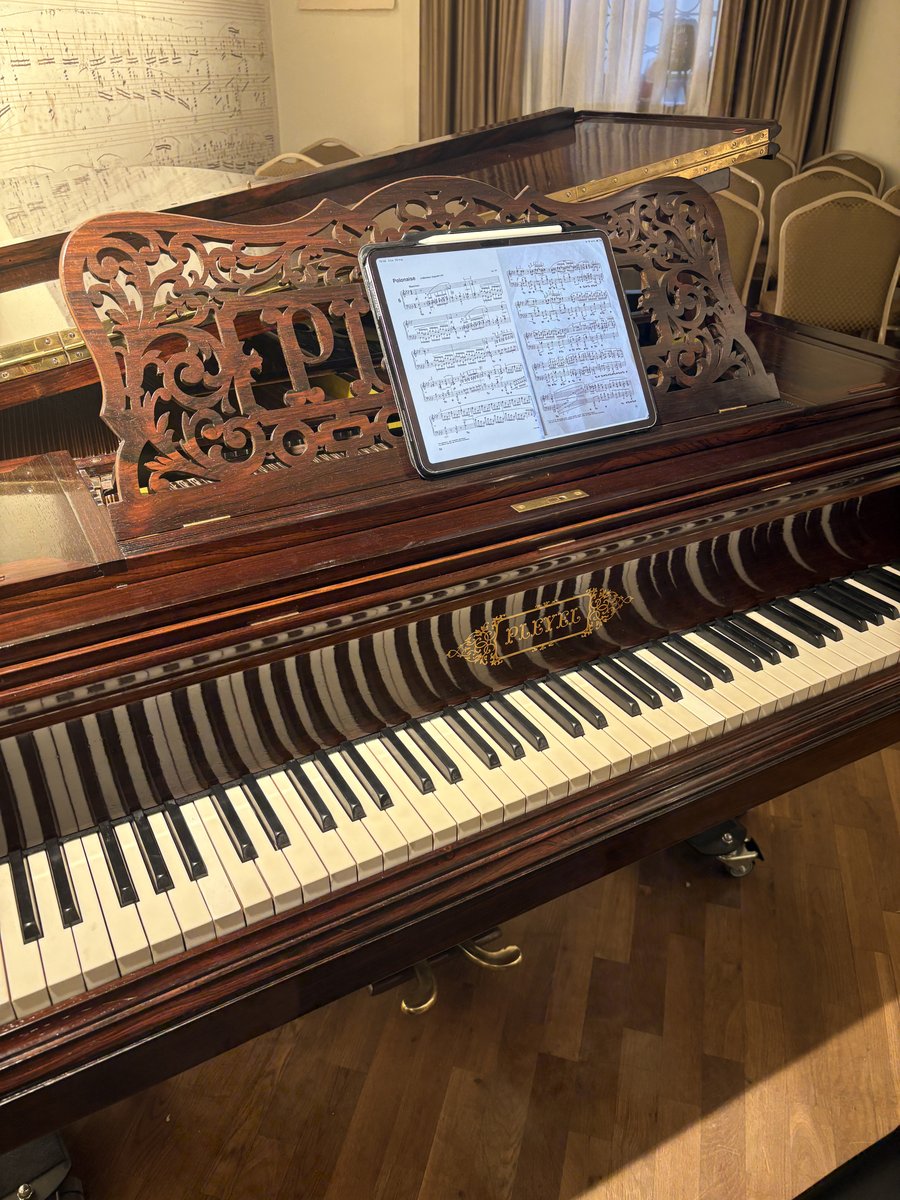
The biggest highlight in Warsaw was attending a Chopin concert — Warsaw is his hometown. Many small concerts are held throughout the city, and I went to one in the evening. The concert featured ten of his masterpieces, and every piece was wonderful. I was curious about the piano the performer used, and the host told us it was the brand Chopin loved most during his lifetime, made in the 19th century — its sound was soft and rich.
Frédéric Chopin (Fryderyk Chopin) was a Polish-born composer and virtuoso pianist, born in 1810 near Warsaw to a French father and Polish mother, and recognized as a child prodigy who was performing publicly by the age of eight. In 1830, just before the November Uprising against Russian rule, he left Poland for good and settled in Paris, where he composed the nocturnes, polonaises, mazurkas, and ballades that made him one of the defining voices of the Romantic era. Plagued by tuberculosis his entire life, he died in Paris in 1849 at just 39; at his request, his heart was returned to Warsaw, where it remains enshrined in the Holy Cross Church to this day.
Another highlight was the ramen I had shortly after arriving. This place is buzzing on social media, and the hype is real — it was the best ramen I've had abroad, outside of Japanese chain restaurants. It could absolutely hold its own back in Japan!
Other sites I visited in Warsaw:
The Palace of Culture and Science (Pałac Kultury i Nauki) is the towering 237-meter Stalinist landmark at the heart of Warsaw, built between 1952 and 1955 as a "gift" from the Soviet Union to the people of Poland. Designed by Soviet architect Lev Rudnev in the same Socialist Realist style as Moscow's "Seven Sisters" skyscrapers, it remains the tallest building in Poland to this day, housing theaters, cinemas, museums, university lecture halls, and a famous observation deck on the 30th floor. For many Poles it is a complicated symbol — both an unmissable feature of the Warsaw skyline and an enduring reminder of Soviet domination — and debates about whether to keep, alter, or demolish it have continued for decades.
The Holy Cross Church (Kościół Świętego Krzyża) is a 17th-century Baroque church on Warsaw's historic Royal Route, completed in 1696 and recognizable from afar by its iconic statue of Christ bearing the cross at its entrance. Its most famous feature is a small chamber set into one of the nave's pillars that contains the heart of Frédéric Chopin, smuggled back to Warsaw by his sister Ludwika after his death in Paris in 1849, in fulfillment of his last wish. Like much of central Warsaw, the church was devastated during the 1944 Warsaw Uprising and painstakingly rebuilt in the postwar years, restoring its place as one of the spiritual landmarks of the city.
My Eastern Europe trip is nearing its end — next up is Lithuania, my first stop in the Baltics.
Comments
Loading...