Vilnius
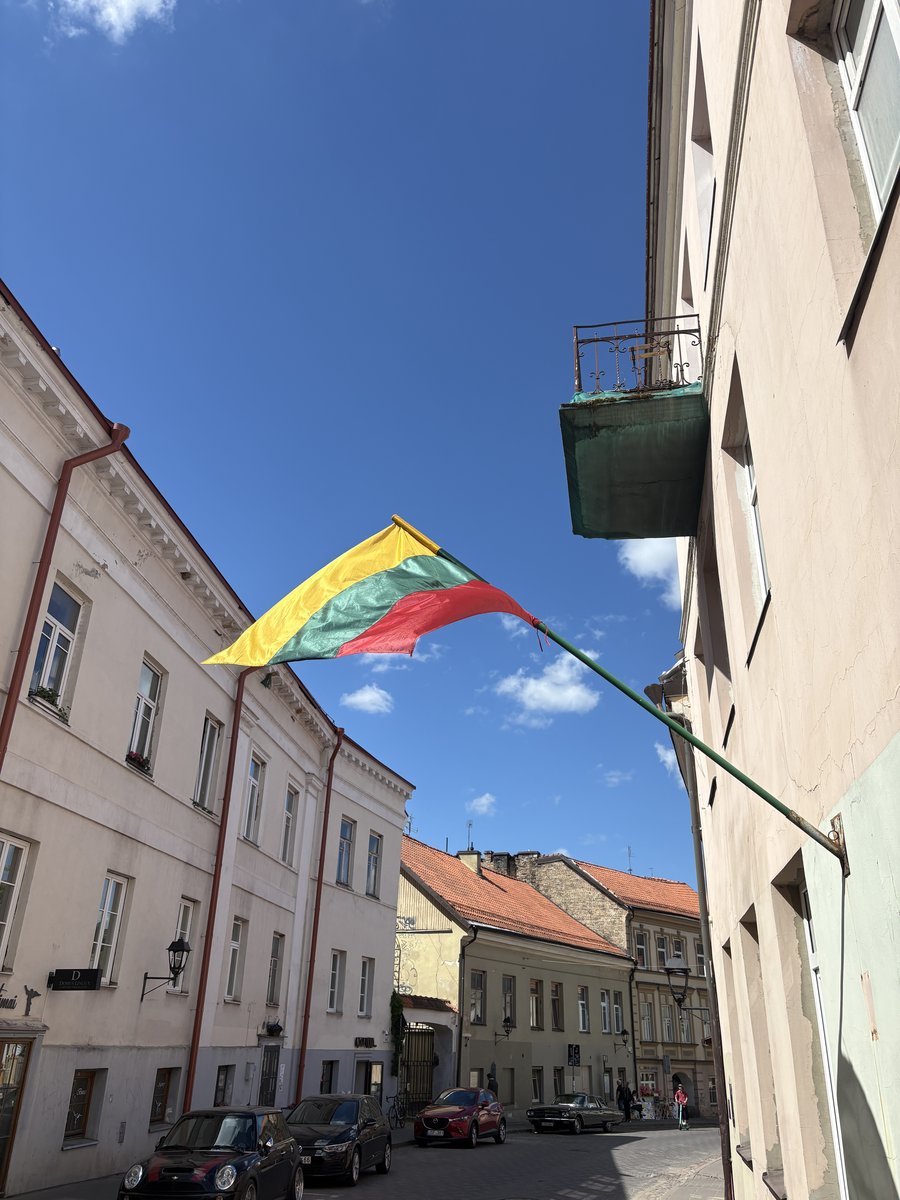
Vilnius
Vilnius city
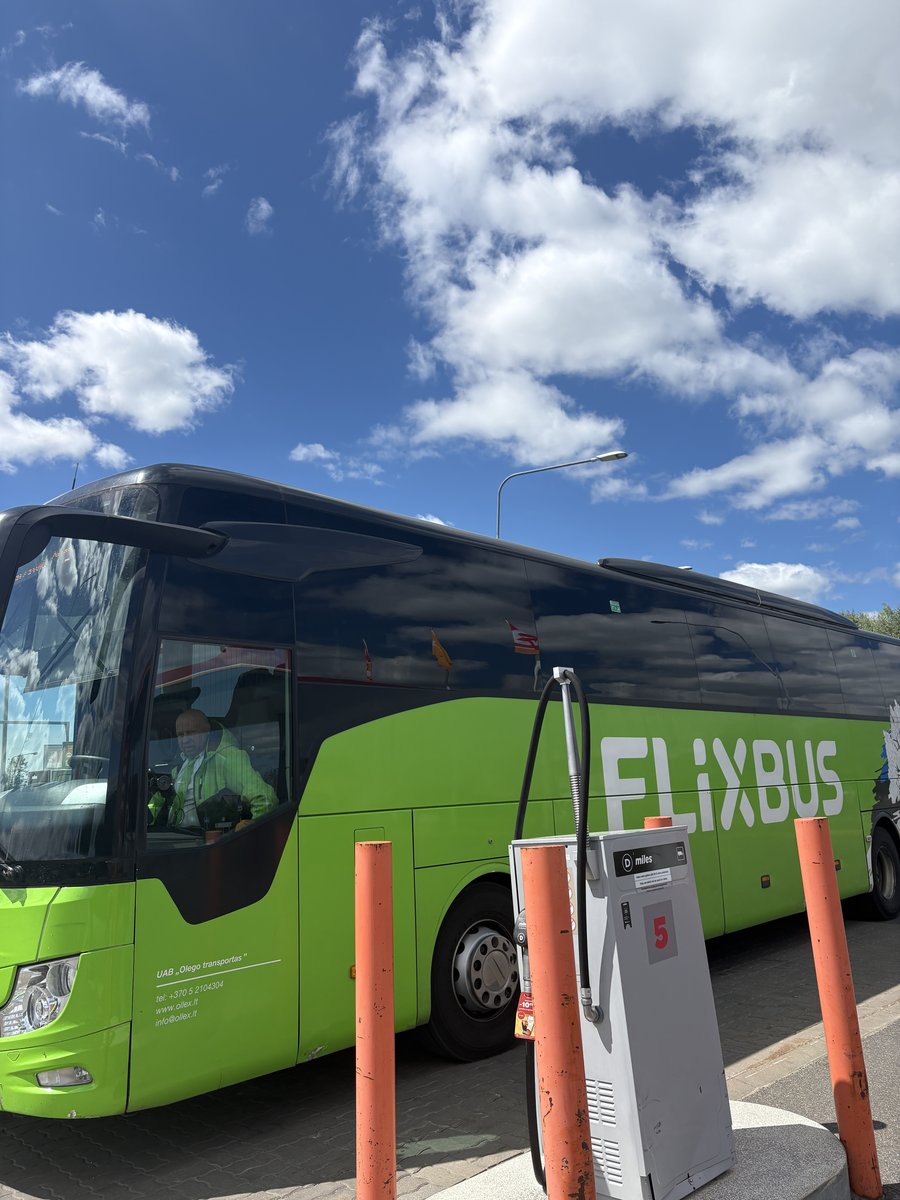
Vilnius is the capital of Lithuania, and this is my first Baltic country. The journey from Warsaw to Vilnius took around 8 hours, and I used FlixBus as usual. Vilnius itself is a compact city, and it was holding its annual festival during my stay, called the Vilnius Pink Soup Festival.
Vilnius is the capital of Lithuania, known for one of Europe's largest and best-preserved baroque Old Towns, a UNESCO World Heritage Site. Once a major center of the Polish-Lithuanian Commonwealth, the city blends Gothic, Renaissance, and baroque architecture with cobblestone streets, hilltop castle ruins, and countless churches. Today it's a relaxed, green, and increasingly creative capital — home to the quirky artists' district of Užupis.
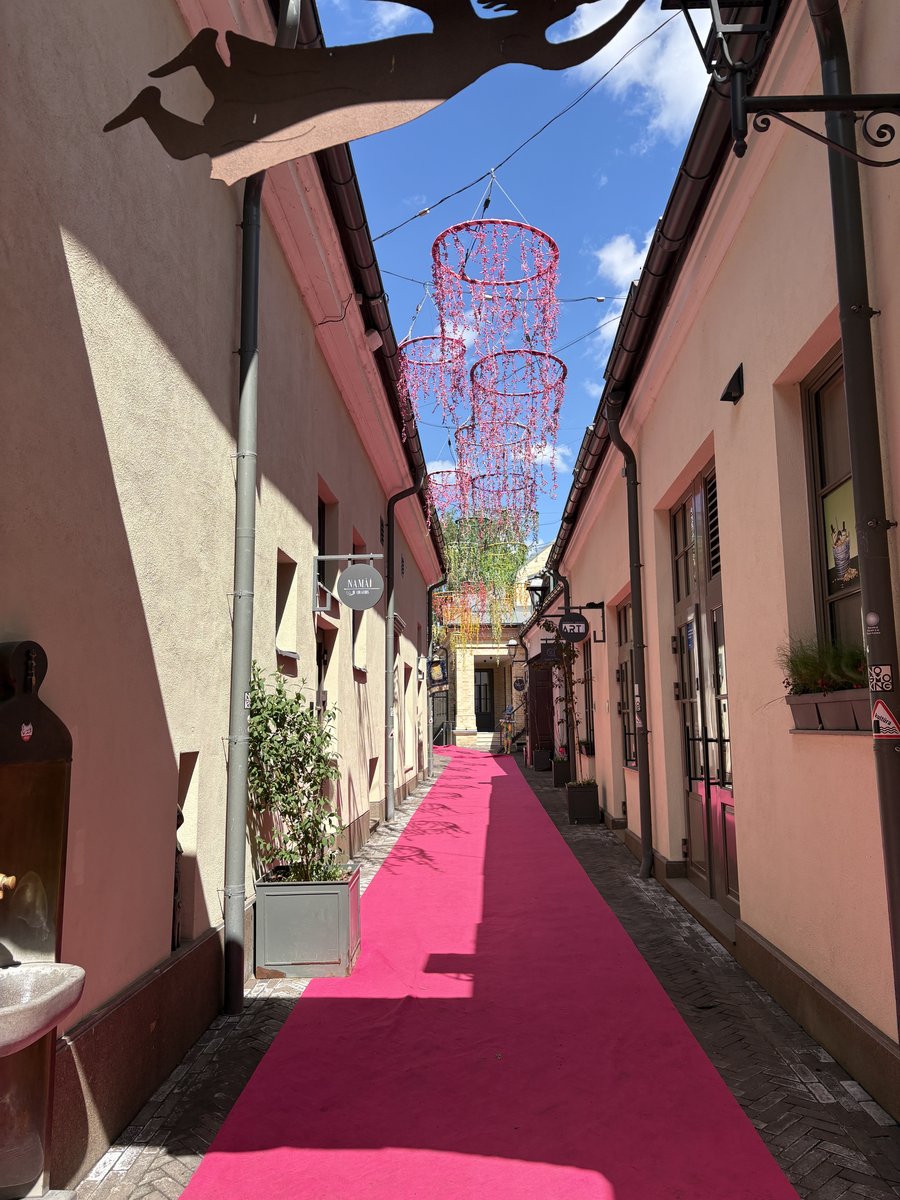
Lithuania is mainly a Christian country, and I visited a big cathedral during a church service.
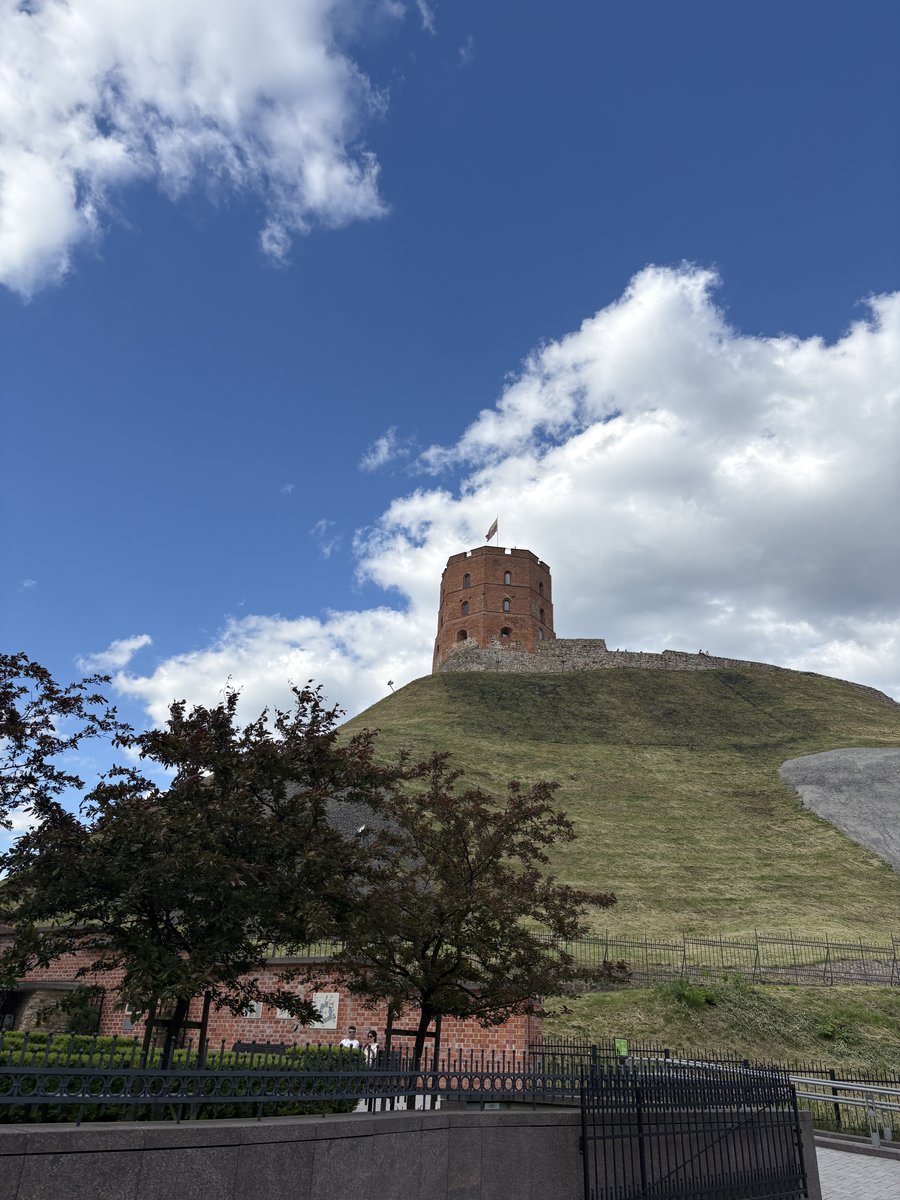
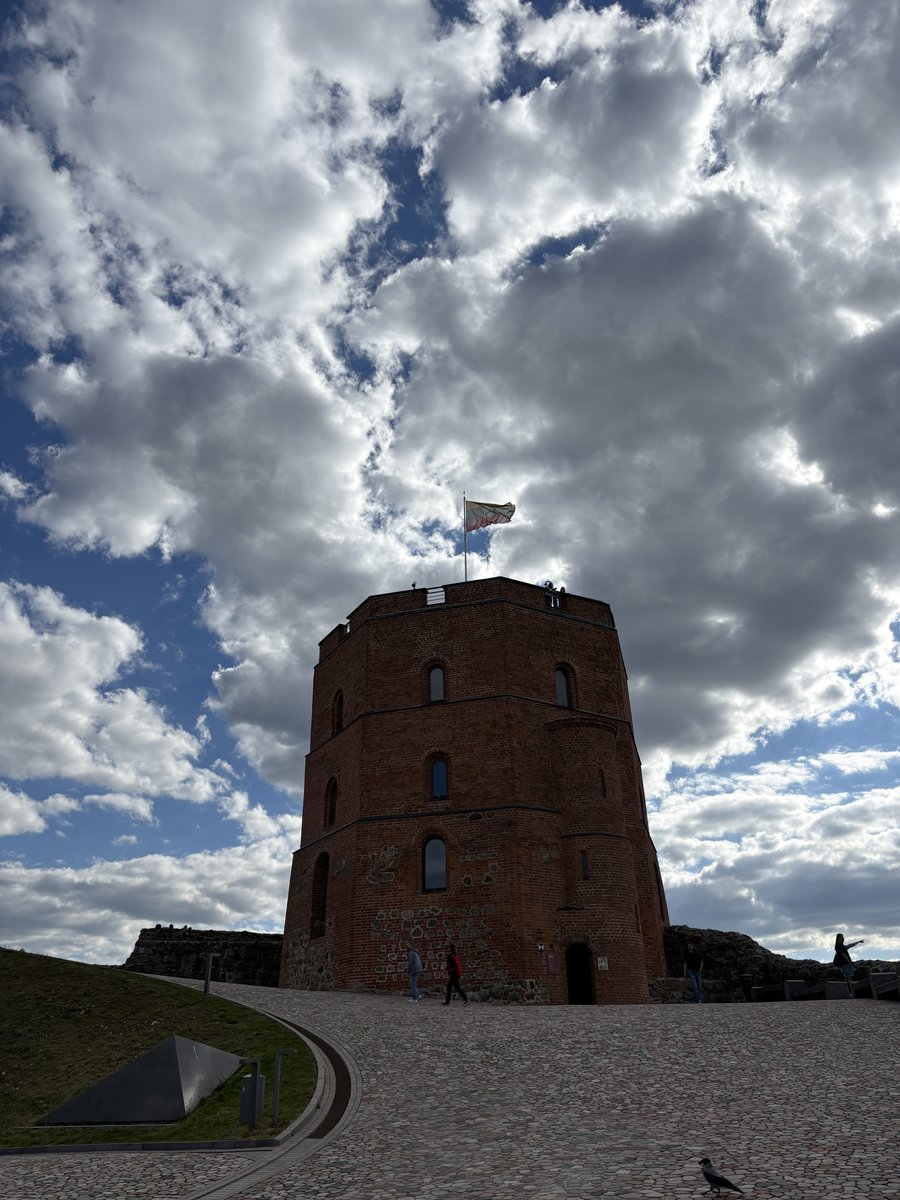
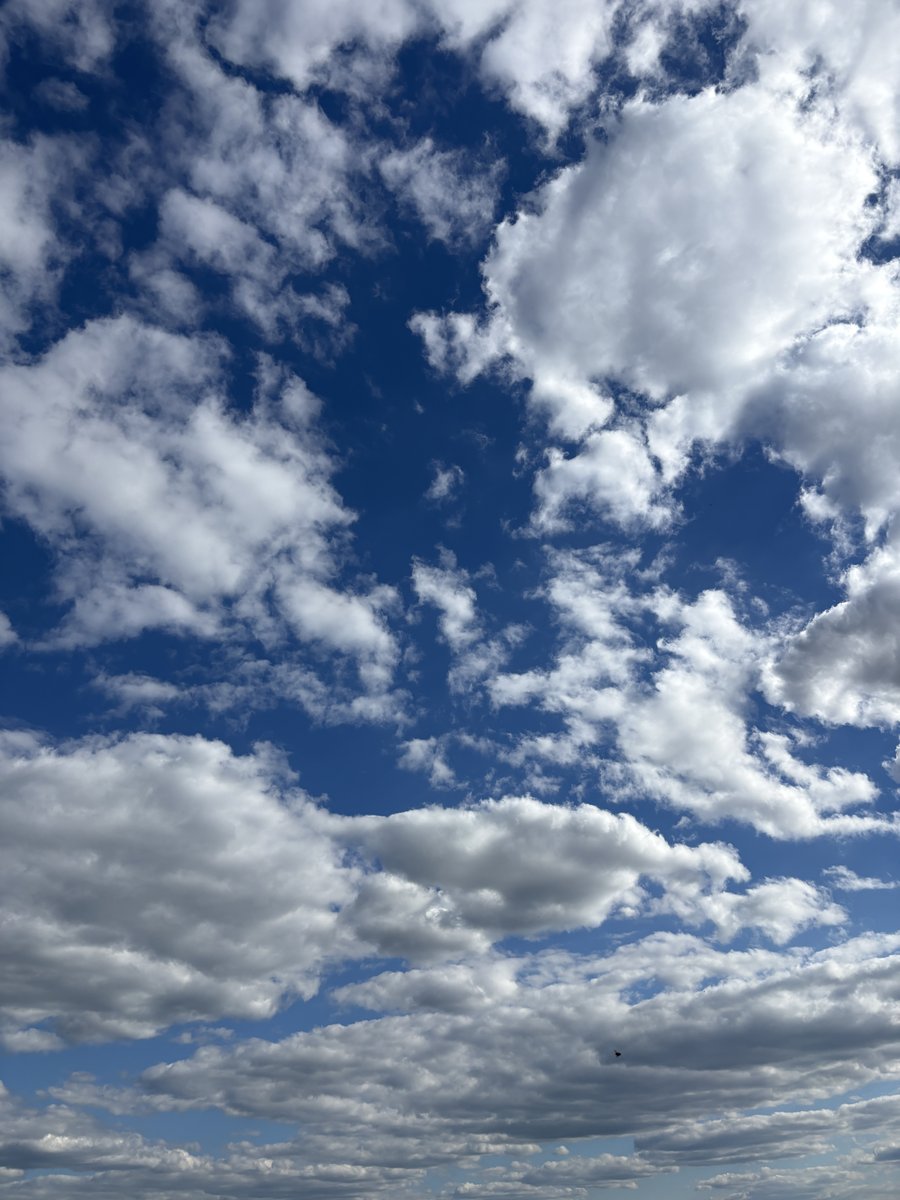
Gediminas' Tower is also a popular destination, and I hiked up to it. The weather in Vilnius was perfect and the daylight hours were surprisingly long — still bright at 9 p.m. And somehow the sky looked closer.
Gediminas' Tower is the iconic red-brick remnant of the Upper Castle, standing atop a hill in the heart of Vilnius. Named after Grand Duke Gediminas, the founder of the city, it dates back to the 14th century and offers sweeping panoramic views over the Old Town's rooftops and church spires. A powerful national symbol, it was here that the Lithuanian flag was famously raised during the country's push for independence.
Užupis
Did you know there is a small country — an autonomous region — within Vilnius? It's called Užupis, and it sits on the other side of a small stream from the heart of Vilnius. I went there on my way to the laundry, and the atmosphere was peaceful, with many cozy cafés and restaurants.
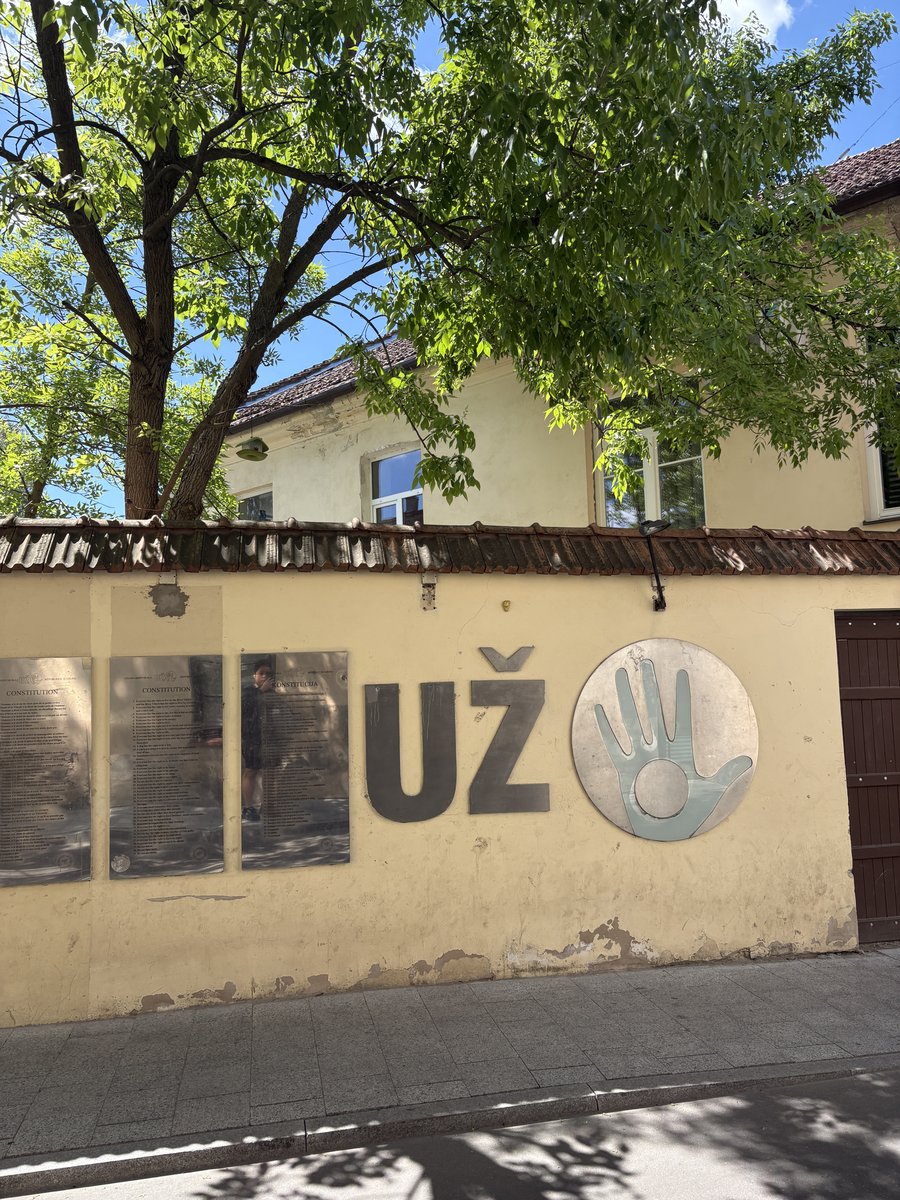
Užupis is a small bohemian neighborhood in Vilnius, just across the Vilnia River from the Old Town. On April 1st, 1997, its resident artists playfully declared it an independent "republic," complete with its own flag and a charming constitution displayed on mirrored plaques — with articles like "Everyone has the right to be happy" and "A dog has the right to be a dog." Once run-down, it's now a creative haven of galleries, cafés, and street art, watched over by the Užupis Angel statue. It's an easy, delightful stroll when visiting Vilnius.
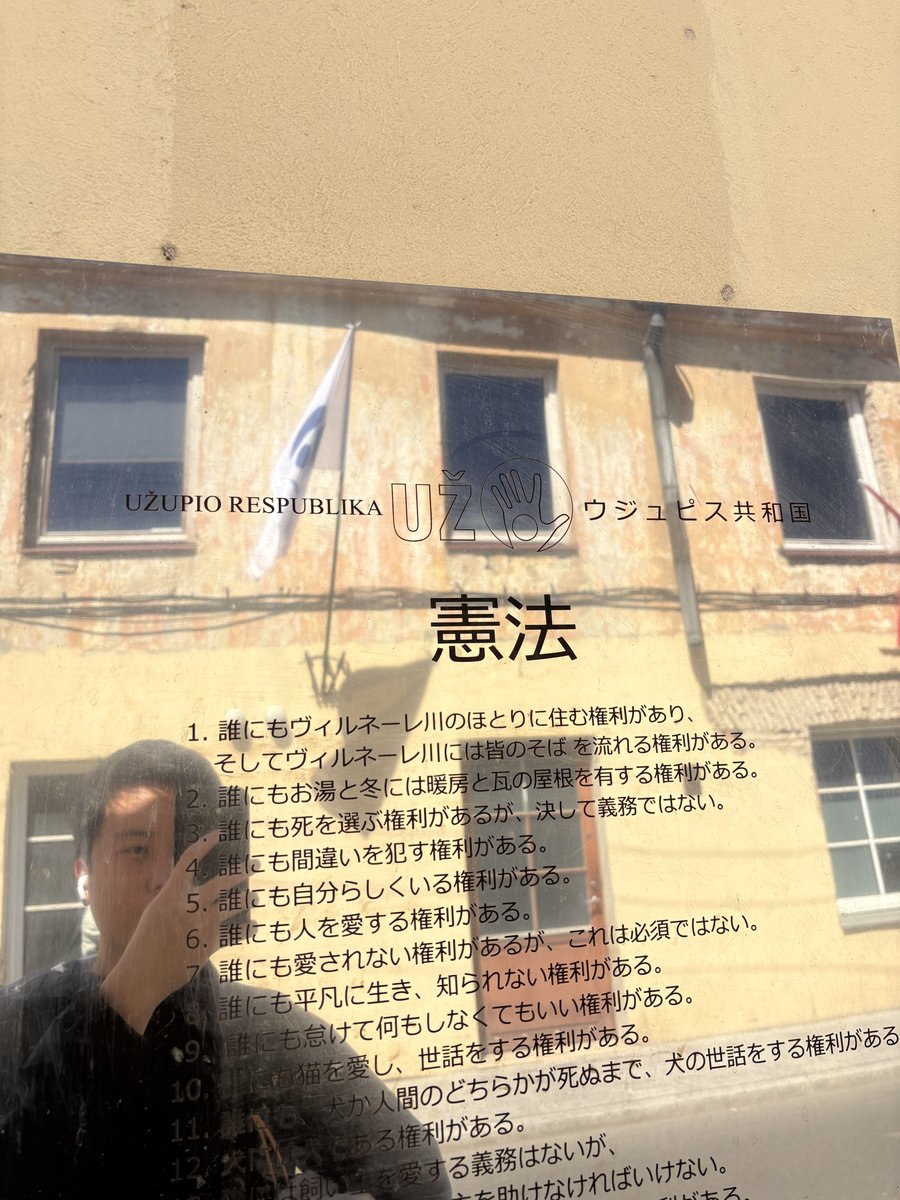
The most popular spot in Užupis is where they display their own constitution, which you can read on the wall in many languages, including Japanese. The constitution consists of 41 articles — easily the shortest and simplest constitution I have ever seen. Here are some of the articles written in it.
1. Everyone has the right to be happy.
2. Everyone has the right to be unhappy.
3. A dog has the right to be a dog.
4. Everyone has the right to love and take care of a cat.
5. People have the right to live by the River Vilnia, and the River Vilnia has the right to flow by people.
6. Do not defeat. Do not fight back. Do not surrender.
Other moments in Lithuania
What inspired me the most in Vilnius was the relationship between Lithuania and Ukraine. I had many chances to see the Ukrainian flag and met a lot of Ukrainian people. I read an article saying that Poland is the second-largest country taking in Ukrainian people, and I imagine Lithuania takes in many as well, since it is located fairly close by.
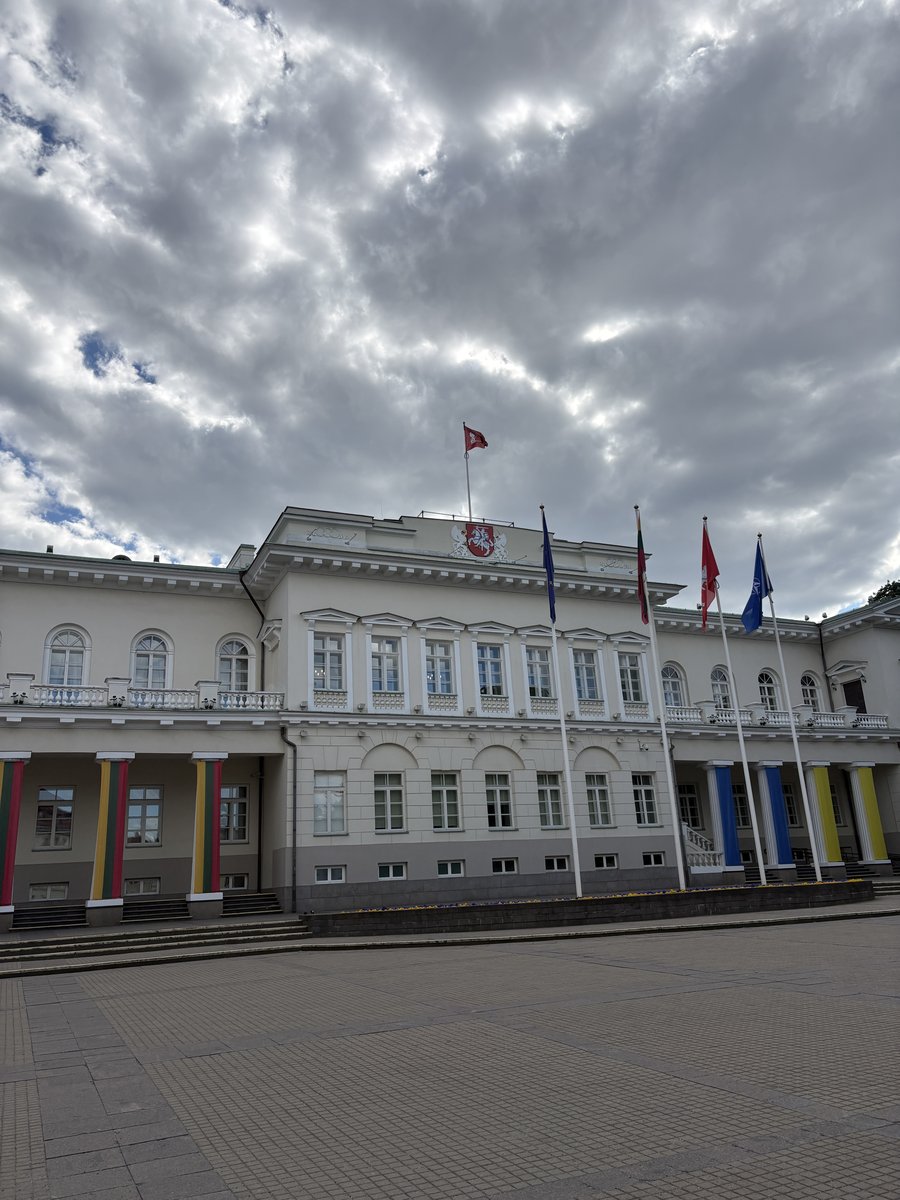
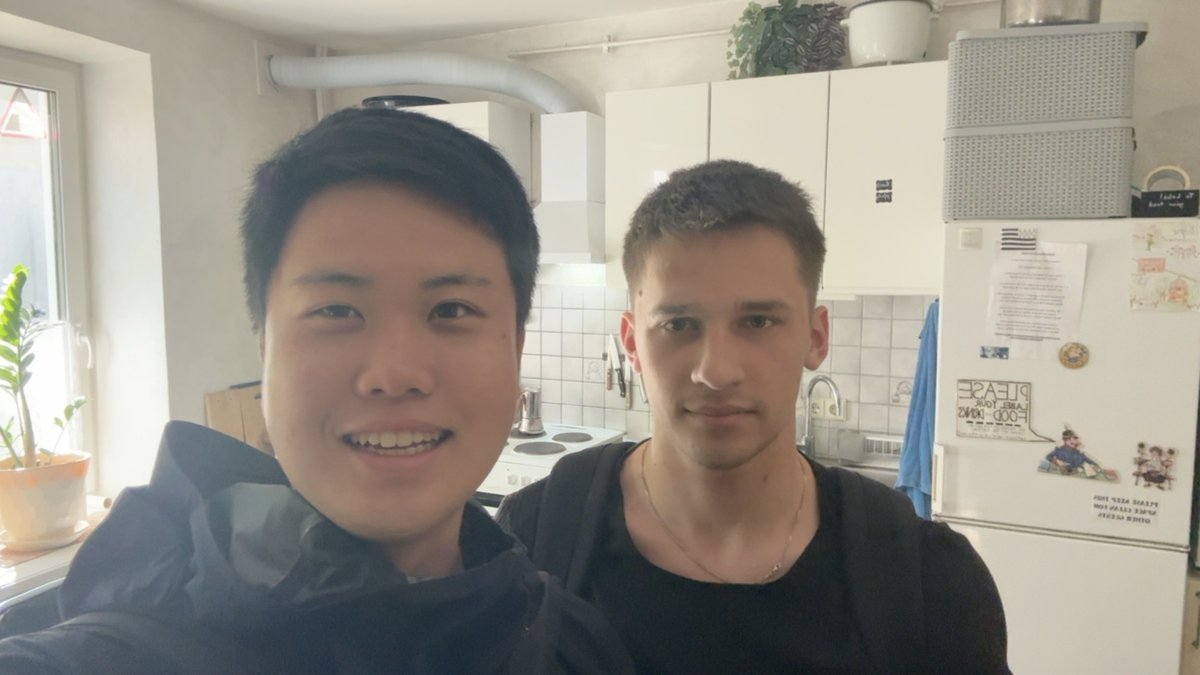
The reason I'm writing this is that I met several Ukrainians at my hostel and had the chance to talk about their lives and their situation, and vice versa. It was a sensitive topic, but everyone there was very nice, and I was able to learn new things.
Comments
Loading...