Amsterdam & Rotterdam
Amsterdam & Rotterdam
Amsterdam
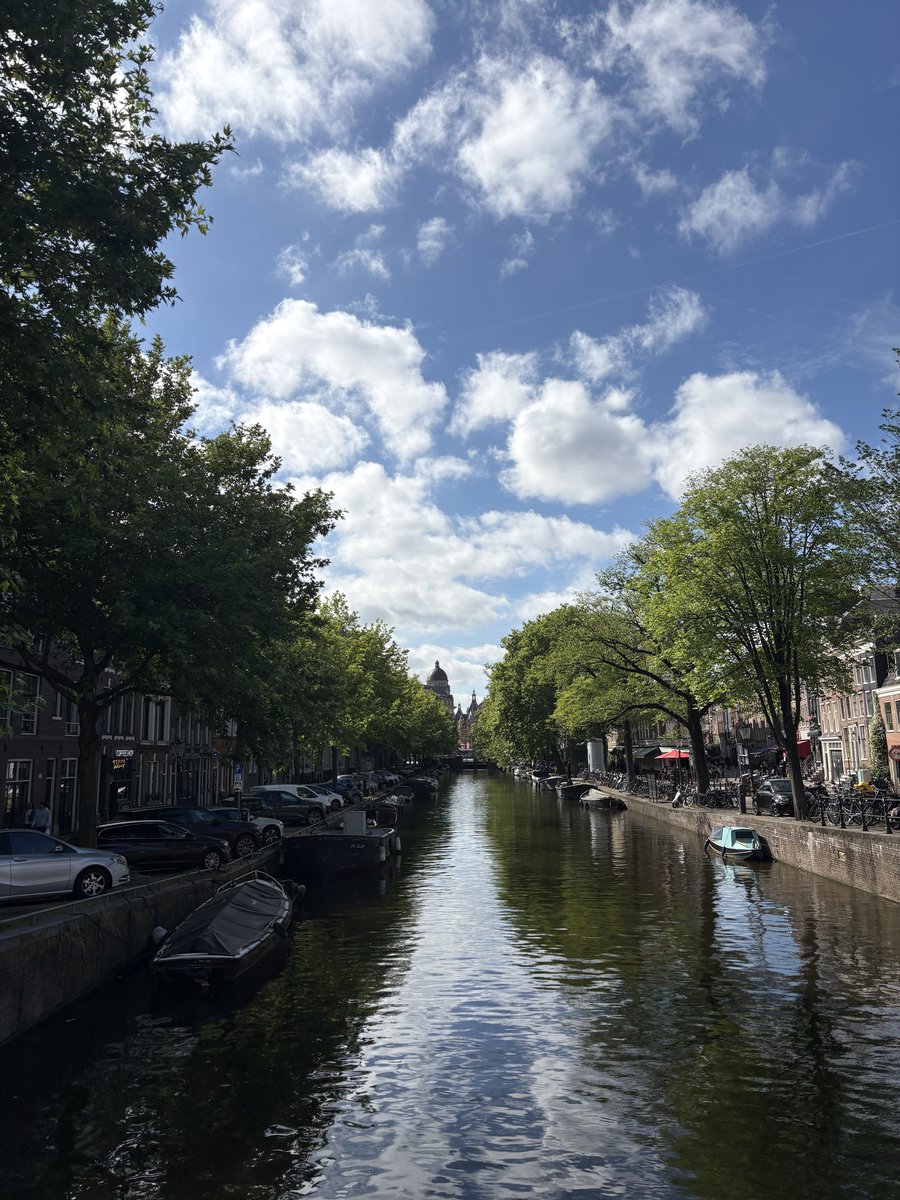
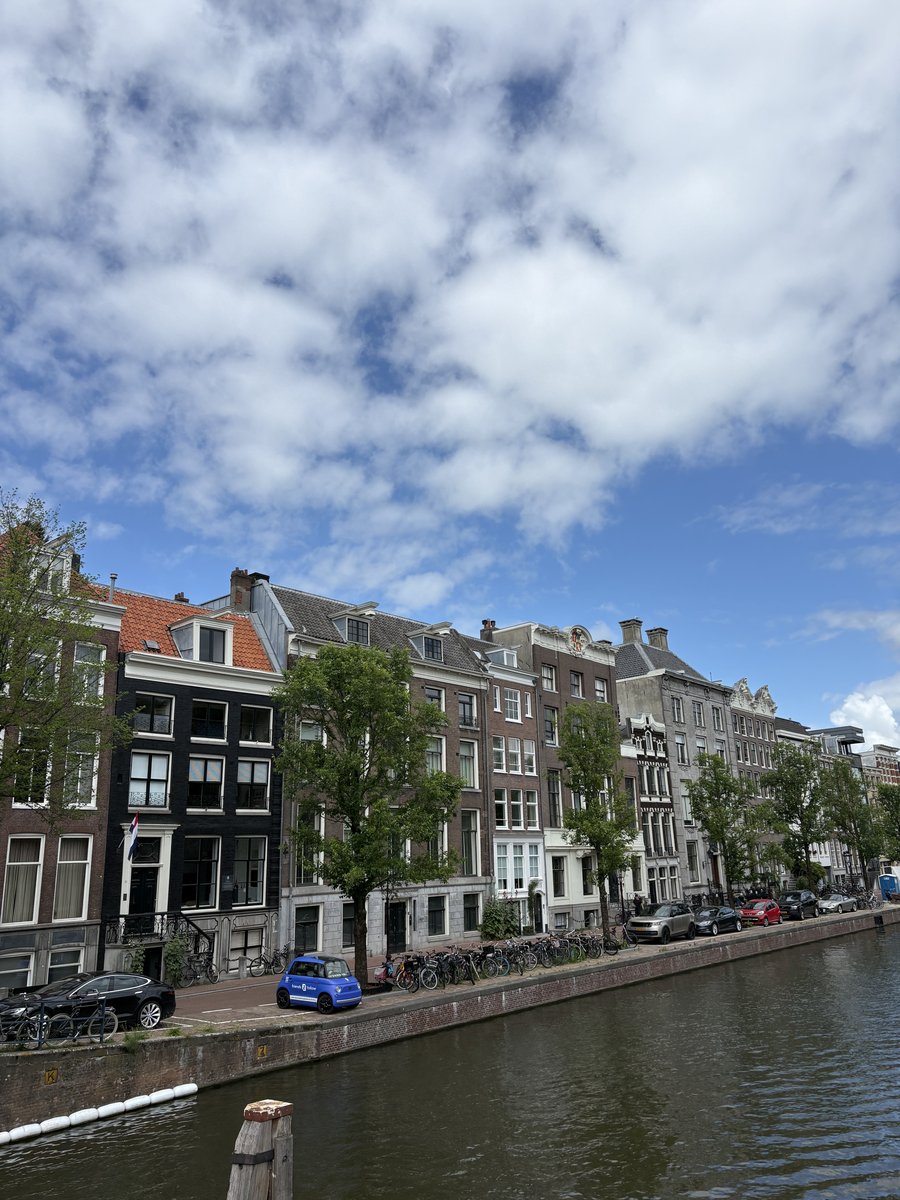
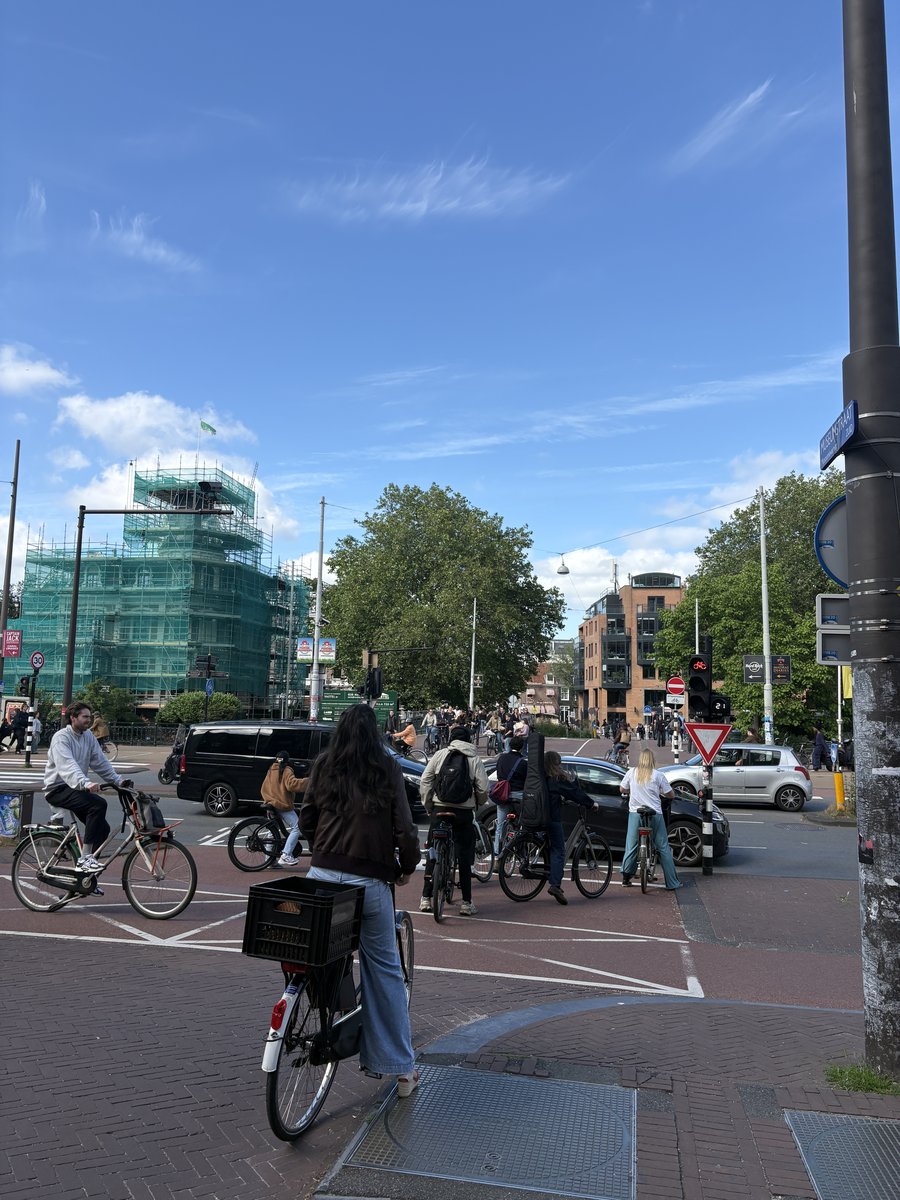
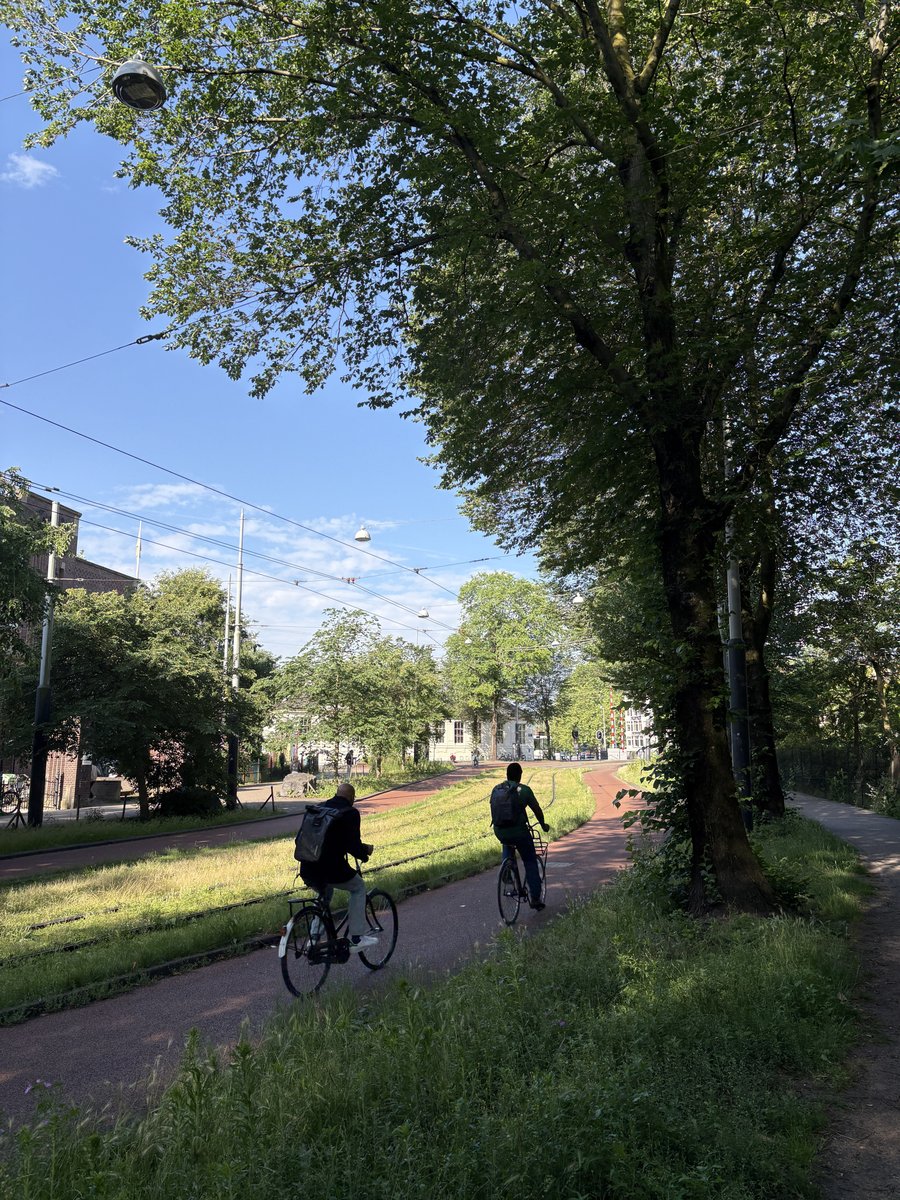
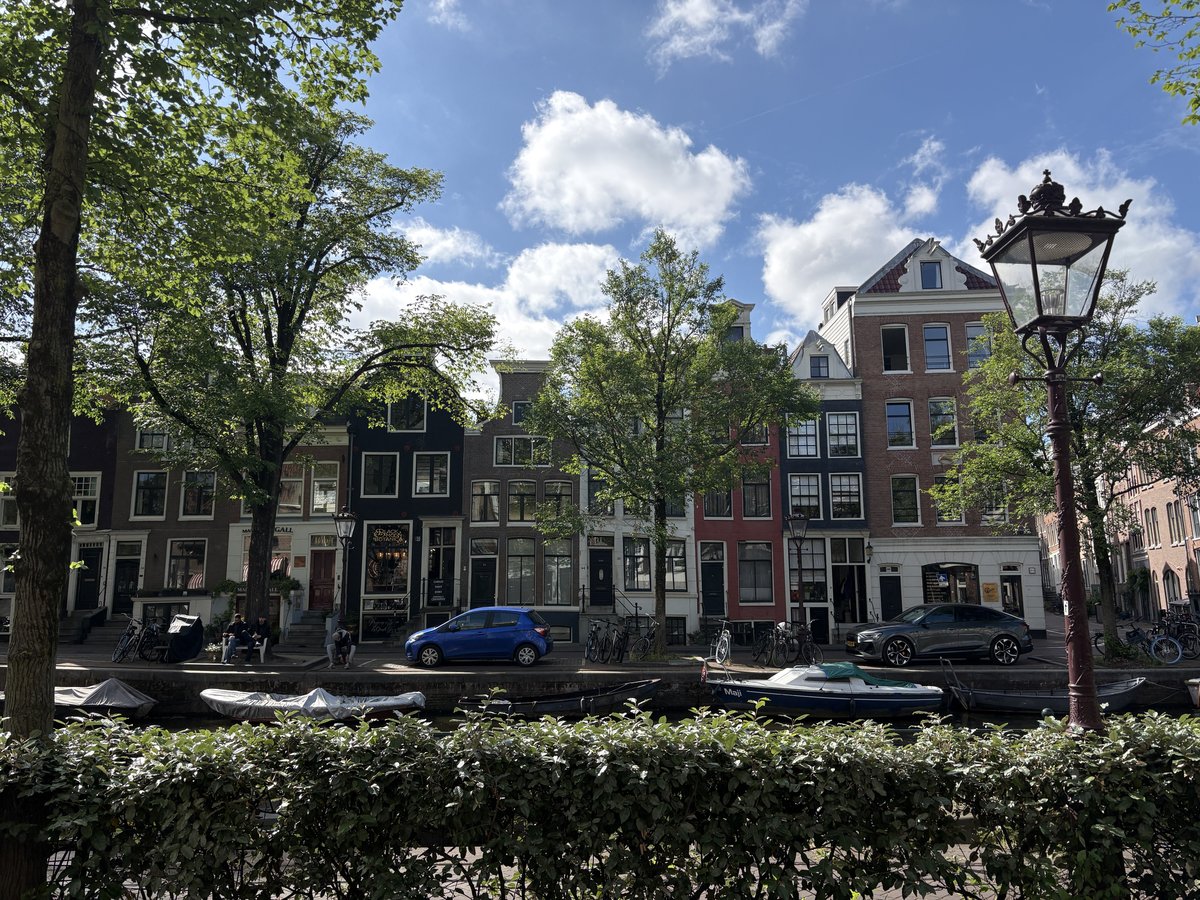
After leaving Cologne, I moved to Amsterdam in the Netherlands by bus. The Netherlands is right next to Germany, but the atmosphere felt very different — probably because the geography here is rather unique, with much of the land sitting right around sea level, so canals and bridges run throughout the city. The Netherlands is also called the "country of bicycles" since the bike is the dominant mode of transport, and I honestly saw more bikes than pedestrians on the streets.
The Netherlands has several famous dishes, but fries were the most memorable snack for me. Fish is also quite popular here, so there are plenty of fish-based snacks like fish & chips and fish croquettes. I tried two places, and both were really good (they doubled as my lunch lol).
My biggest goal in Amsterdam was visiting the Anne Frank House. Anne is one of the most well-known young girls in the world and a victim of WWII. She was born in Germany but moved to the Netherlands with her family at the age of 5 to escape Nazi persecution. However, the Netherlands was later invaded by Germany too, and they had to go into hiding — her father decided to build a secret annex with the help of his Dutch friends. The museum is the actual building where Anne and her family (along with another family and a friend) hid for two years, and you can walk through the original rooms today. I'd imagined the rooms to be very small, but they actually spread over two floors with several rooms — that really surprised me. What I also hadn't realized was that a working company occupied the same building, with people coming and going every day, so the people in hiding had to stay completely silent the entire workday until evening — they couldn't even flush the toilet or speak. Photos aren't allowed inside, but I learned so much there.
The Anne Frank House (Anne Frank Huis) preserves the 17th-century canalside building at Prinsengracht 263 where Anne Frank — born in Frankfurt in 1929 and brought to Amsterdam as a young child when her family fled Nazi Germany — spent her final years in hiding from July 1942, filling her now-famous diary with candid reflections on her family, her inner world, and her dream of becoming a writer. Betrayed on 4 August 1944, the eight people in the "Secret Annex" were deported to concentration camps; Anne died of typhus at Bergen-Belsen in early 1945 at just fifteen, only weeks before liberation. Her father Otto, the sole survivor, returned to find the diary preserved by family friend Miep Gies, and its 1947 publication turned a teenager's hidden journal into one of the most widely read books in history — leaving Anne as a lasting voice of both the Holocaust's horror and the humanity of a single young girl.
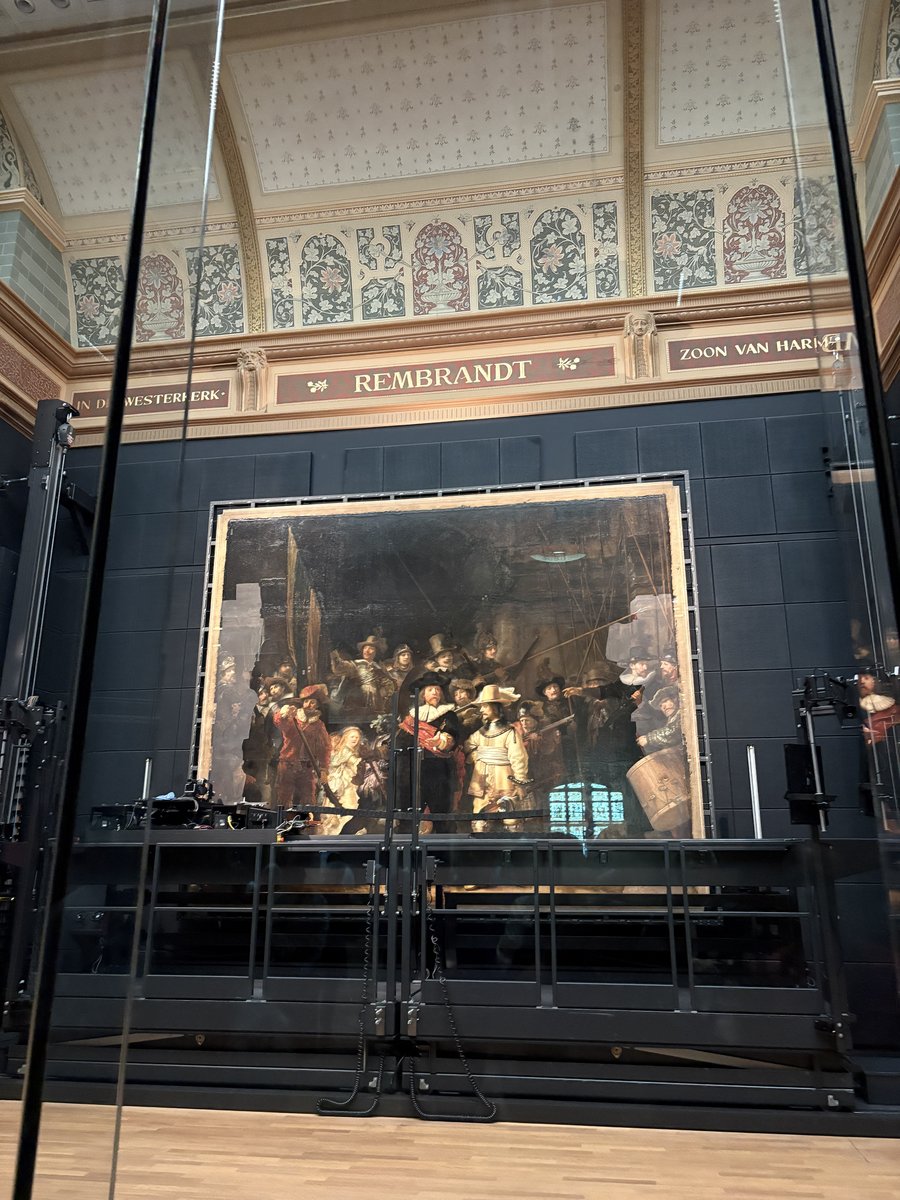
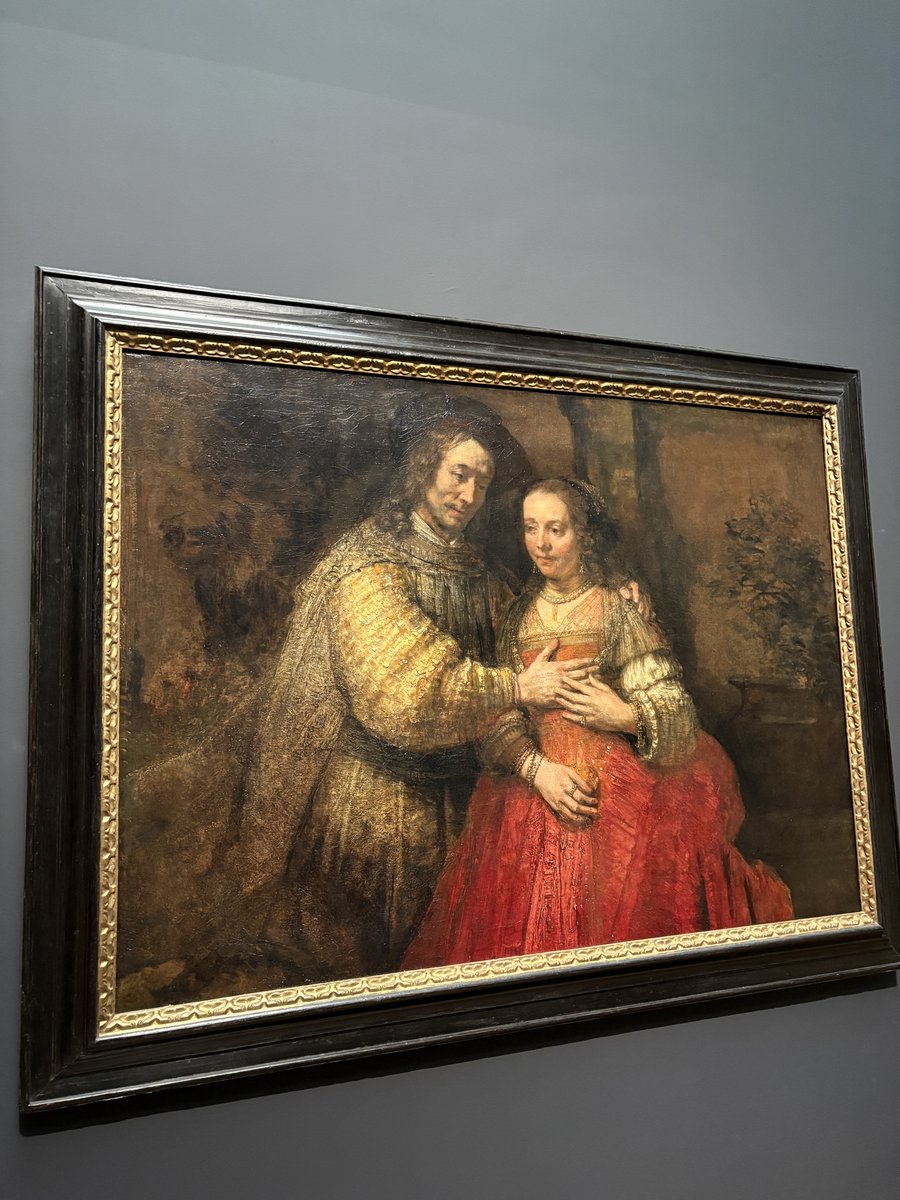
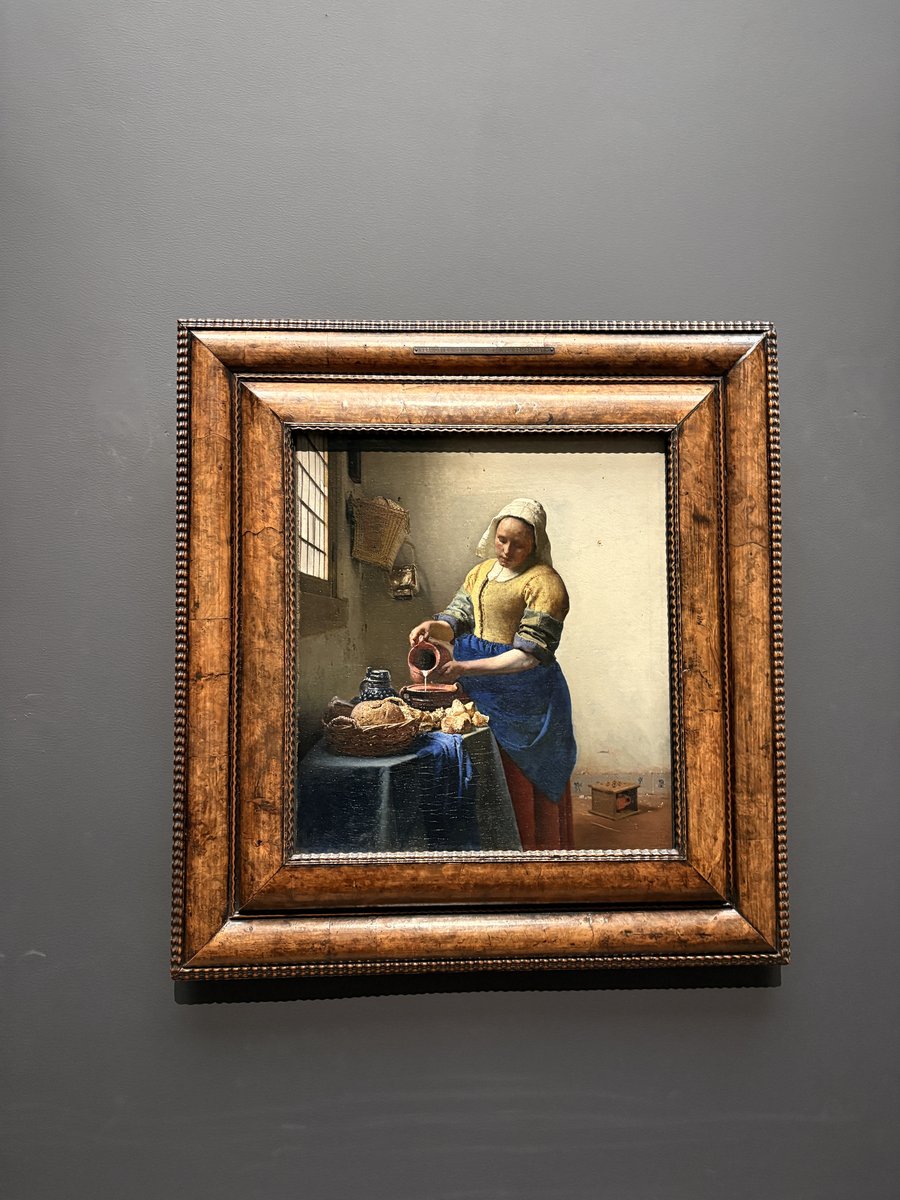
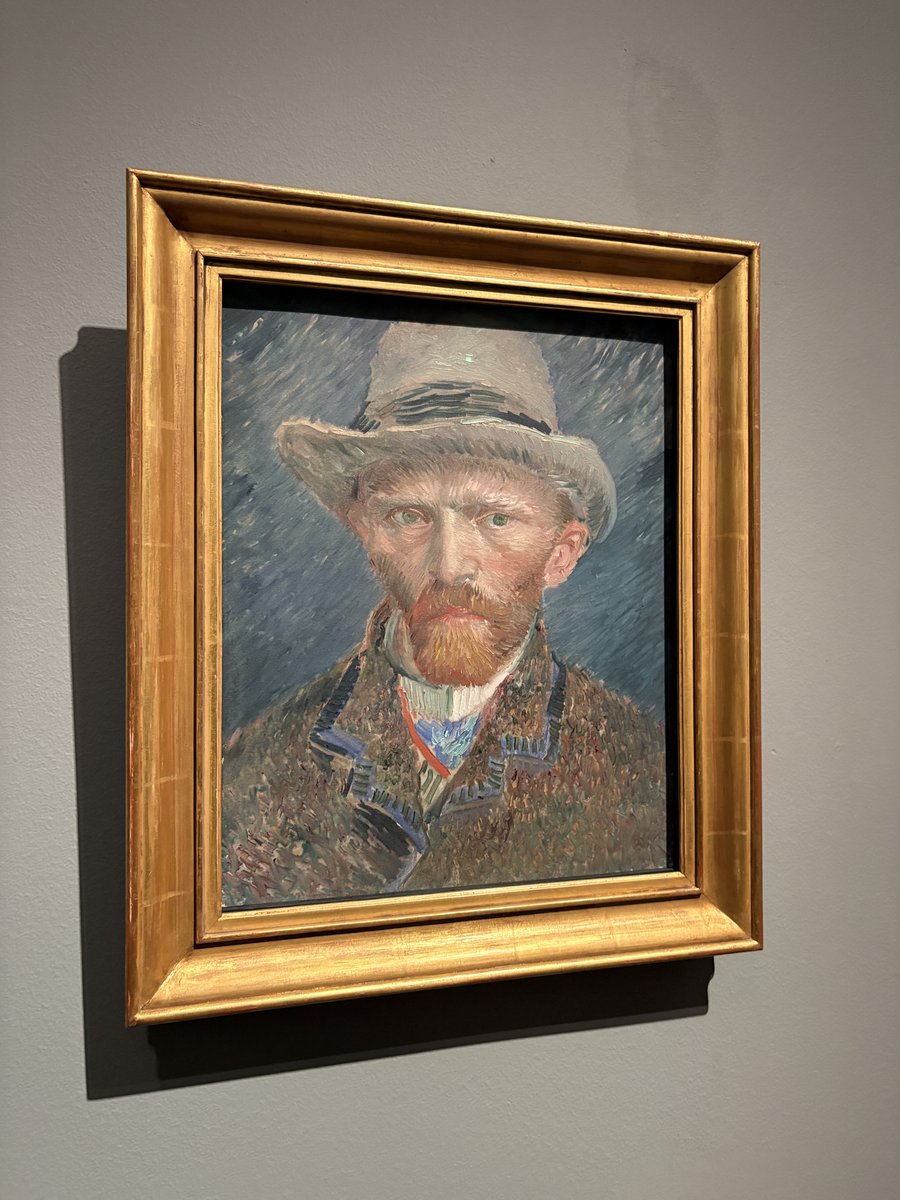
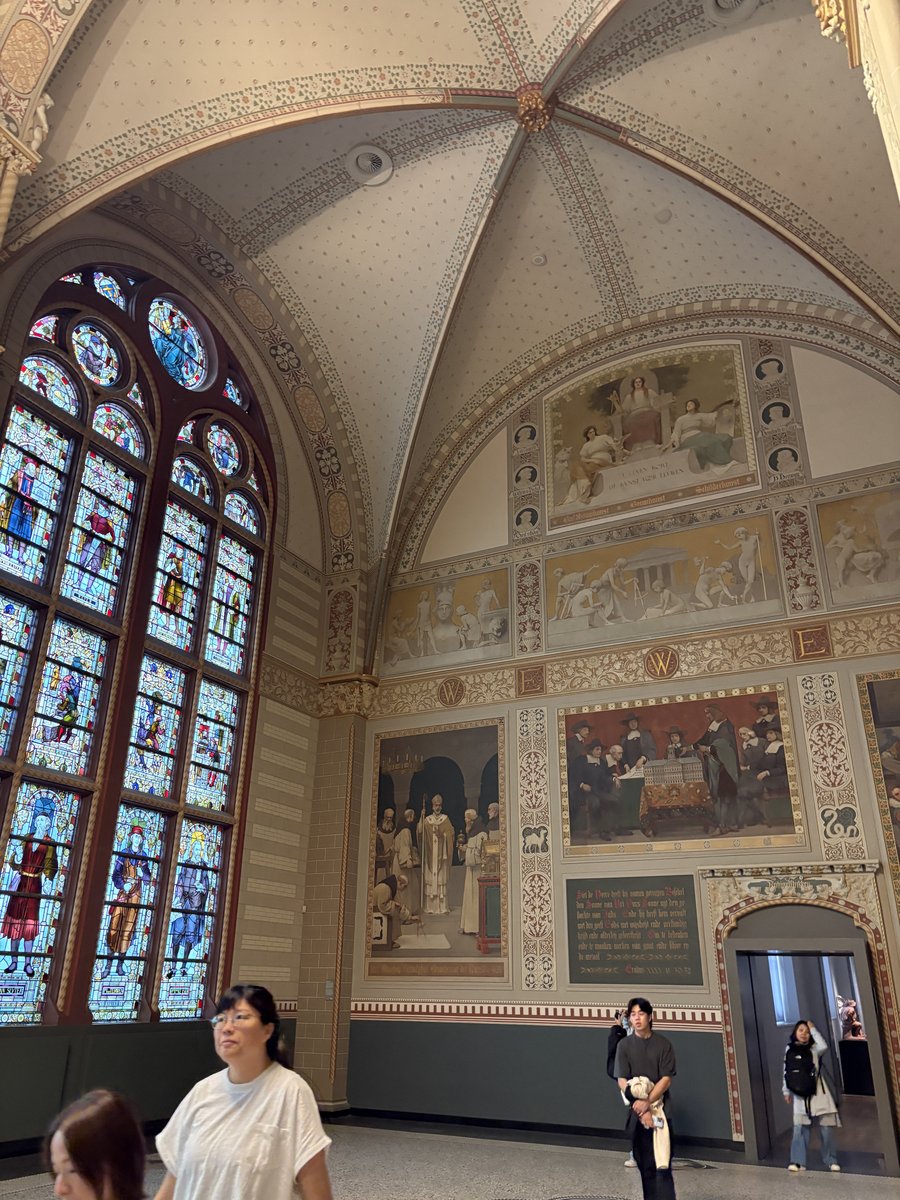
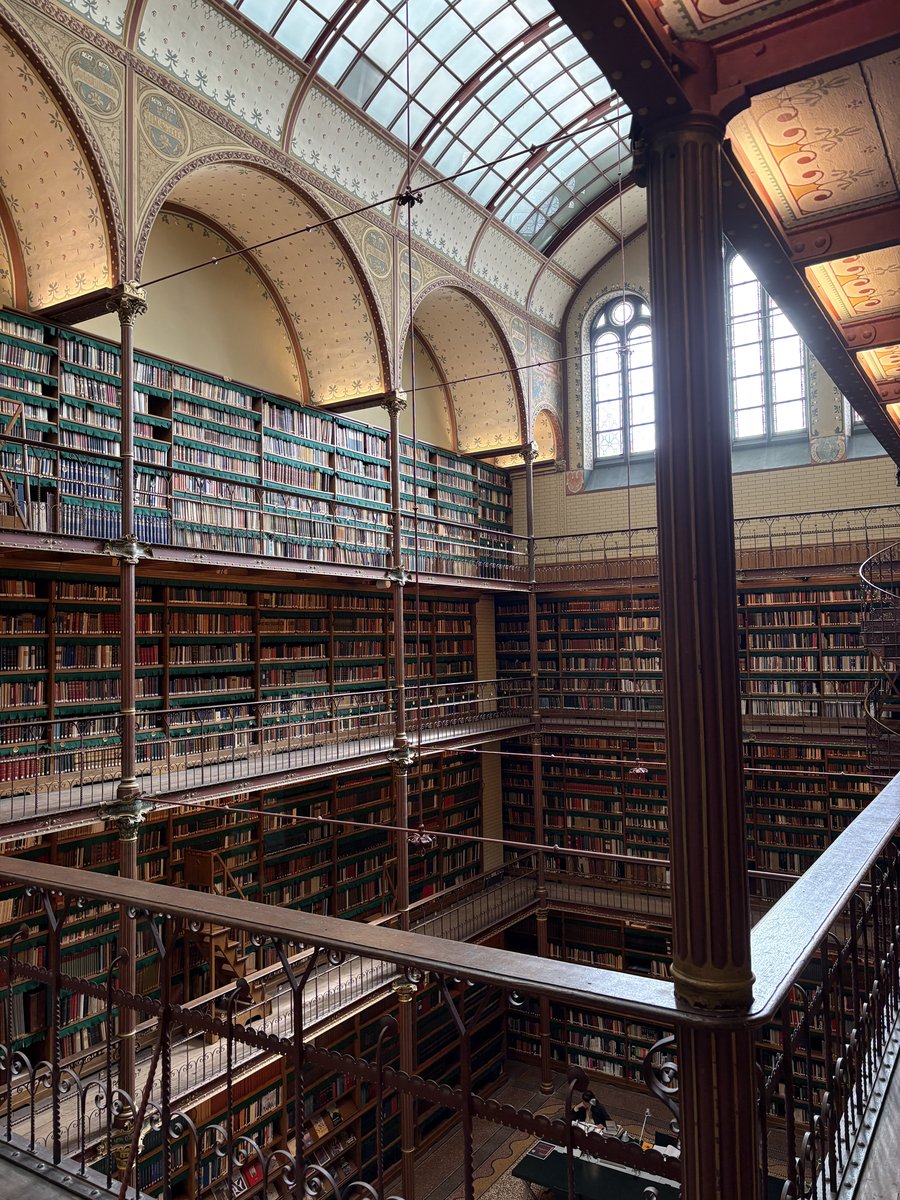
On another day, I went to the Rijksmuseum Amsterdam, the city's biggest museum, where you can see countless masterpieces. It has four floors and displays works spanning from the 1400s to the 2000s, but it's especially rich in paintings and masterpieces from the 1600s, when the Netherlands was at the top of the world. The highlight of the museum is The Night Watch by Rembrandt — his most famous work — and what surprised me was that we could still see it while it was being restored. It was a really unique experience.
The Rijksmuseum is the national museum of the Netherlands and the country's most visited cultural institution, set on Amsterdam's Museumplein in a grand Gothic-Renaissance revival building designed by Pierre Cuypers and opened in 1885. Its collection of around a million objects centers on the Dutch Golden Age — anchored by Rembrandt's monumental The Night Watch (1642), Vermeer's The Milkmaid and The Little Street, and a single early Van Gogh self-portrait — making it one of the most concentrated showcases of 17th-century Dutch painting anywhere in the world. After a ten-year, €375 million renovation that finally reopened in 2013, the building itself has become as celebrated as the art it houses, complete with a public bicycle passageway running straight through its heart.
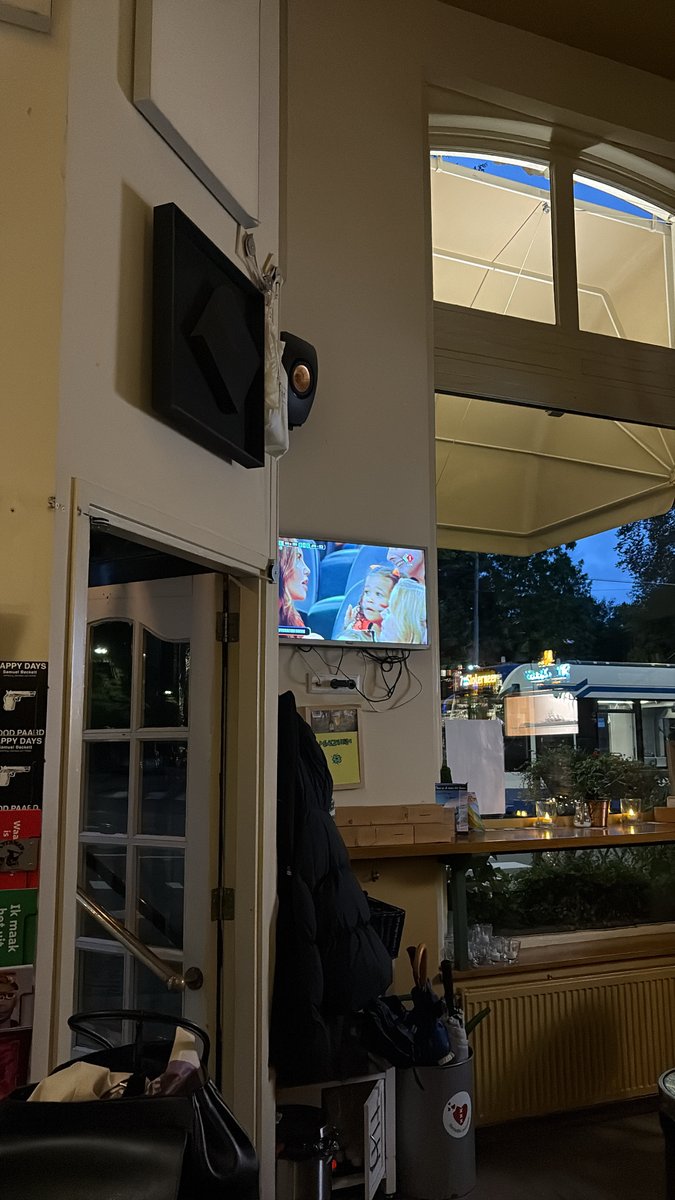
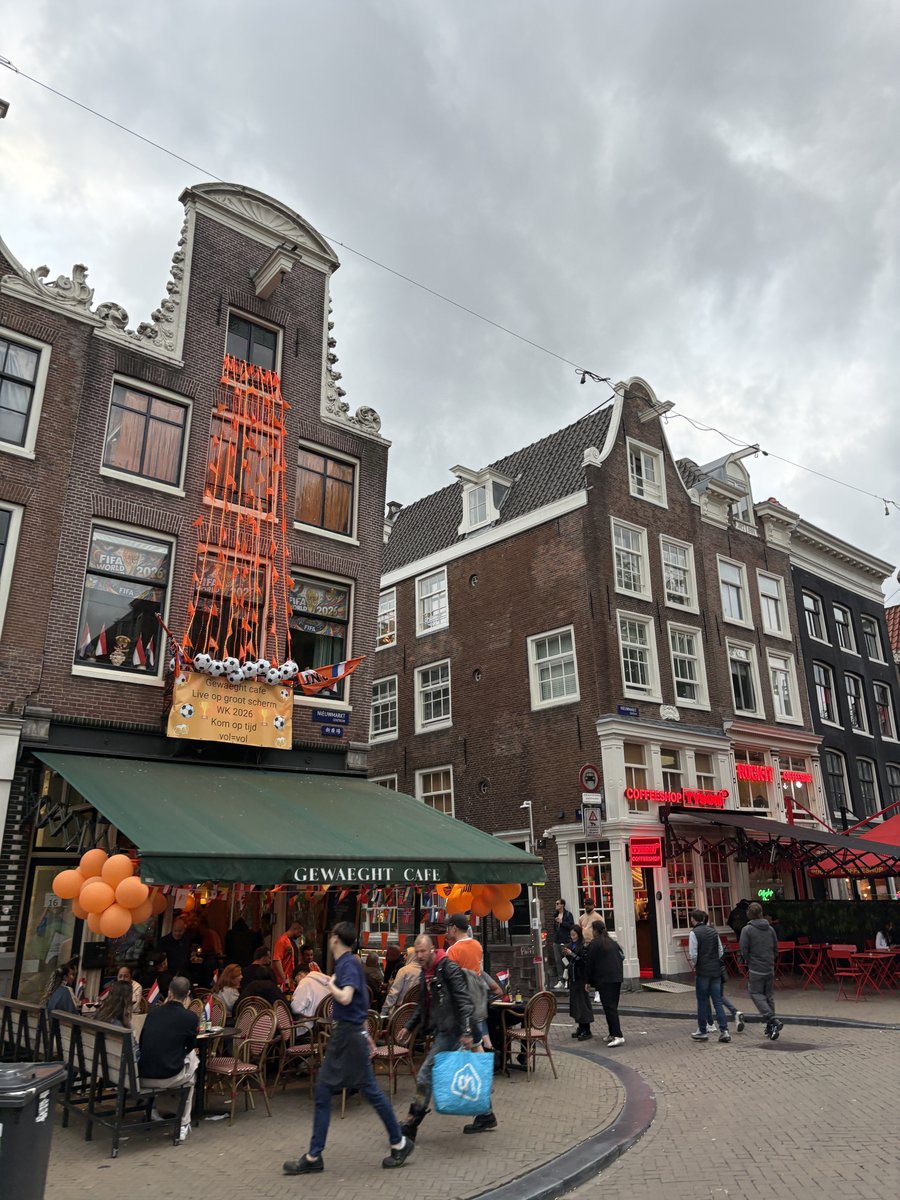
I also had an unexpected event — by coincidence, there was a World Cup match between the Netherlands and Japan during my stay in Amsterdam, so I watched the game at a local bar (I'd planned to go to a sports bar, but it reeked so strongly of weed that I got a headache and bailed). I felt a little isolated as the only Asian customer rooting for Japan, but everyone around me was friendly and even complimented my team when Japan scored.
Rotterdam
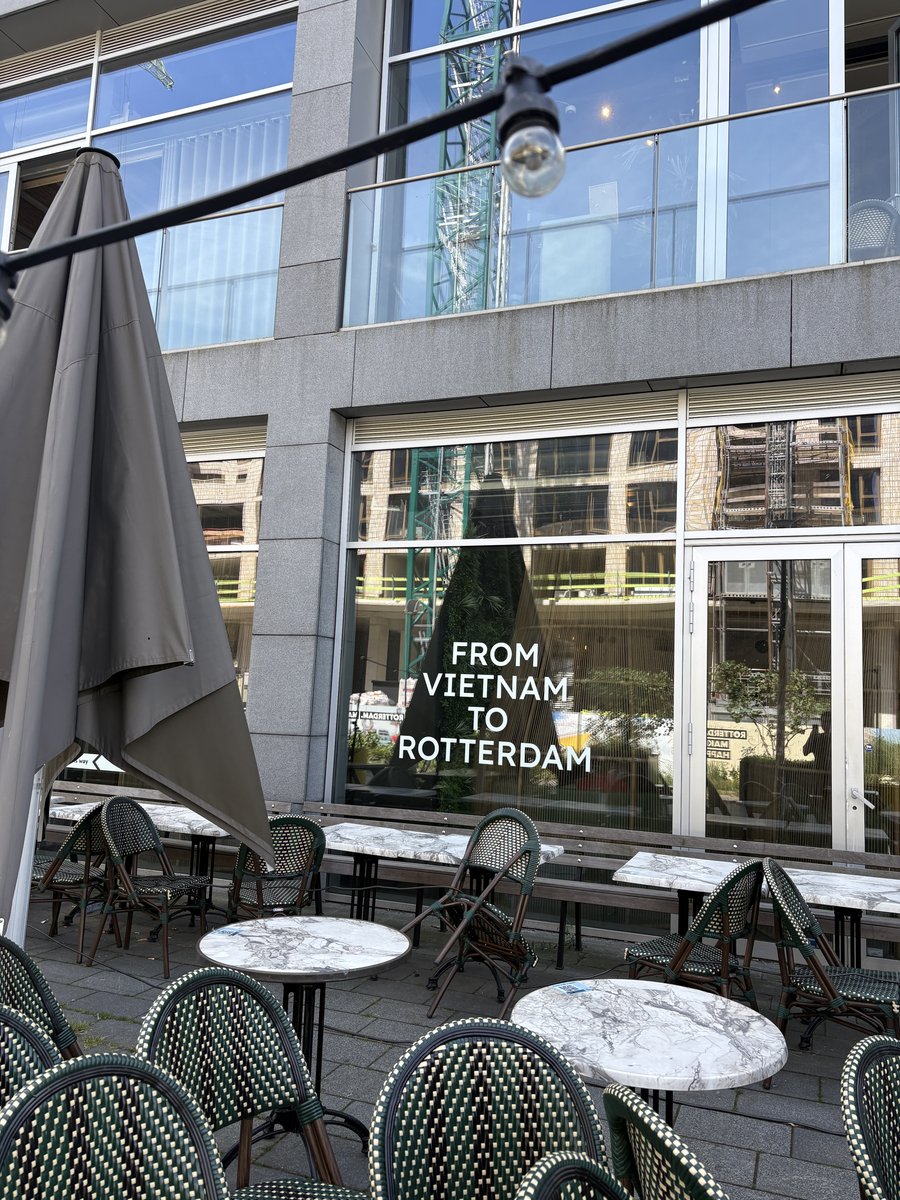
I stayed in Amsterdam for 3 nights, then continued on to Rotterdam, the second largest city in the Netherlands. Rotterdam is in the south and has a very different vibe — if I'd describe Amsterdam as traditional and tourist-oriented, Rotterdam feels modern and diverse. The city has a large port and grew rich through trade, and many immigrants entered the Netherlands through here (the Netherlands has a long colonial history), so there are still large Asian and African communities. I stayed in Rotterdam for 2 days, visited a few spots, and met up with a friend!
The Erasmus Bridge (Erasmusbrug) is the iconic 802-meter cable-stayed bridge spanning the Nieuwe Maas river in Rotterdam, opened in 1996 and named after the great Dutch humanist Desiderius Erasmus (1466–1536), who was born in the city. Designed by architect Ben van Berkel, its elegant asymmetric white pylon — soaring 139 meters and angled like a graceful curve — has earned it the affectionate nickname "De Zwaan" (The Swan). The bridge connects the historic city center to Kop van Zuid, a former dockland transformed into a striking modern district of high-rises and cultural venues, and has become the defining symbol of post-war Rotterdam — a city famously rebuilt from the ground up after the German bombing of 1940 into one of Europe's boldest experiments in modern architecture.
The Markthal is Rotterdam's striking 2014 indoor market hall — a 40-meter-tall horseshoe-shaped building wrapped in 228 apartments that curve overhead like an enormous arch. Designed by Dutch firm MVRDV, its most jaw-dropping feature is the 11,000-square-meter ceiling mural — a vivid digital fresco of giant fruits, fish, flowers, and grain called Horn of Plenty (Hoorn des Overvloeds), often nicknamed the "Sistine Chapel of Rotterdam." Beneath it, around a hundred food stalls serve everything from Dutch cheese and stroopwafels to fresh herring, Surinamese street food, and Mediterranean dishes, making it both a culinary hub and one of the city's most photographed landmarks.
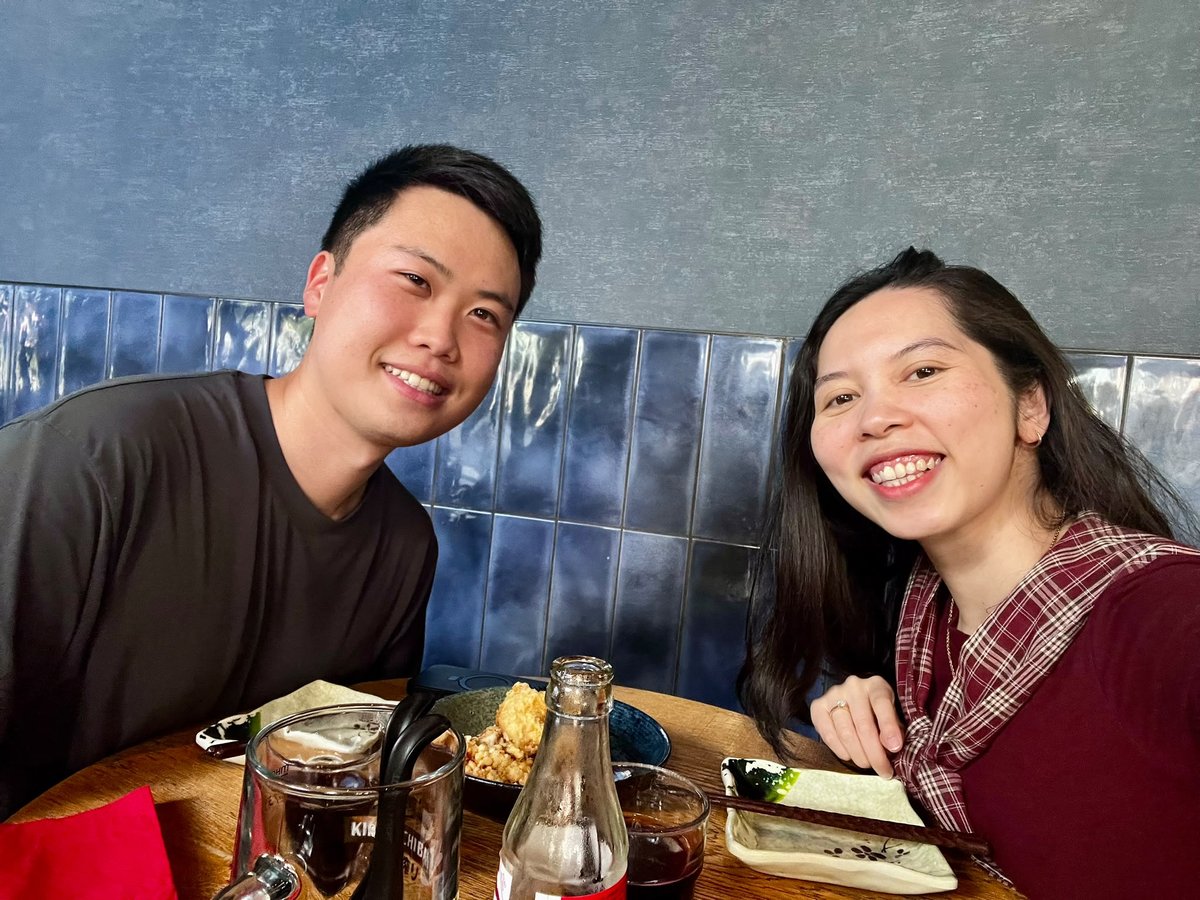
I really enjoyed both cities, and it was a great opportunity to learn about Dutch history and see some beautiful places.
Comments
Loading...