Brussels
Brussels
Brussels City
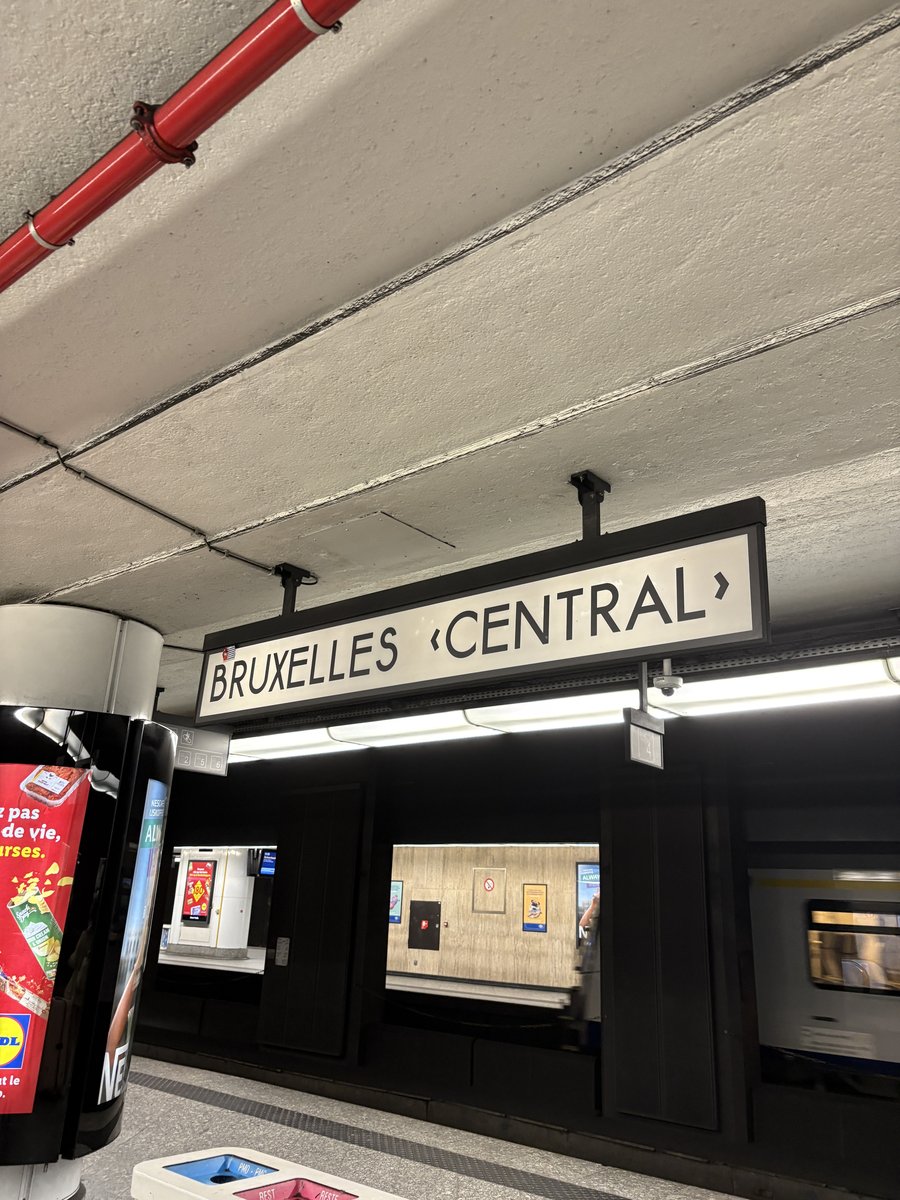
After leaving Rotterdam, I moved to Brussels, the capital of Belgium. I only had two days here, so I quickly hit the popular spots. Belgium sits between the Netherlands and France, and both French and Dutch are spoken — English is widely understood too. Brussels is also home to the EU headquarters, so you can spot many EU institutions throughout the business district.
Probably the most famous spot in Brussels is Manneken Pis — but did you know there are also girl and dog versions? Both are modeled after Manneken Pis and you can find them around the city. All three were smaller than I expected (Manneken Pis is actually known as one of the most disappointing tourist spots in the world), but he was dressed up in a costume and pretty charming.
Manneken Pis is the tiny 61-centimeter bronze statue of a little boy cheerfully urinating into a fountain — one of Brussels' most beloved and irreverent symbols, tucked on a small street corner just a few minutes from the Grand-Place. The original was cast in 1619 by Hieronymus Duquesnoy the Elder, and dozens of folkloric origin stories surround it — from a noble's lost son found relieving himself, to a brave boy who saved the city by putting out a burning fuse the same way. Today he has a wardrobe of over 1,000 costumes donated from around the world and is dressed up multiple times a week for festivals, anniversaries, and visiting dignitaries — making the statue both a long-running joke and a kind of civic mascot.
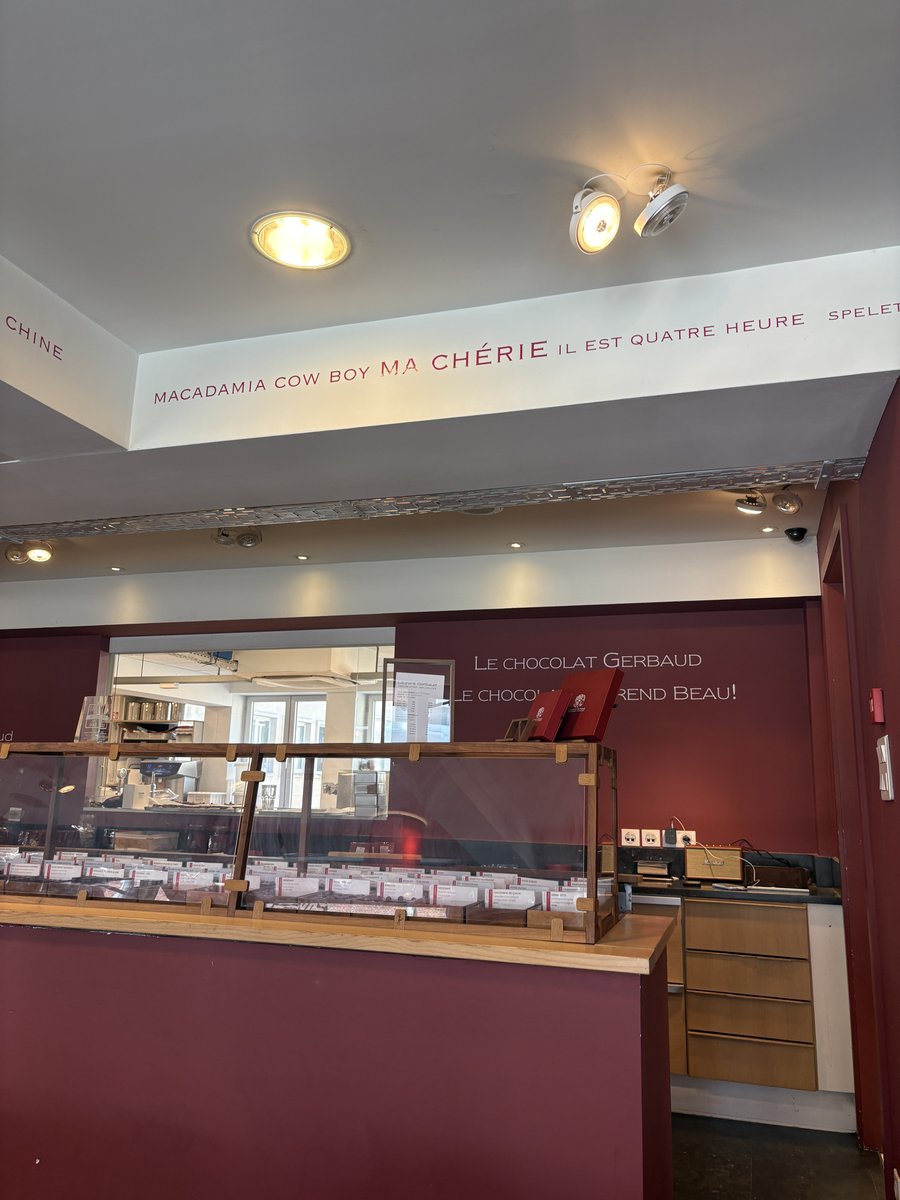
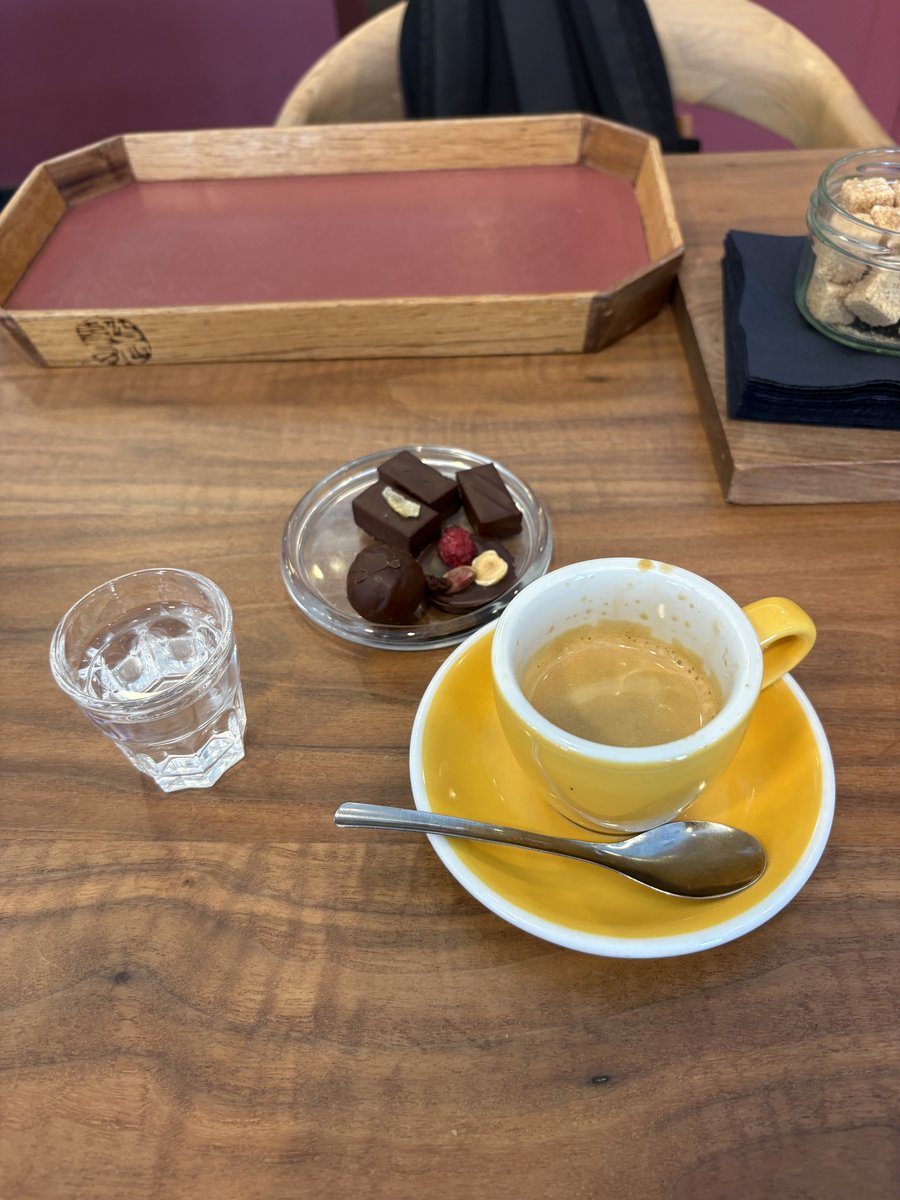
Everyone knows Brussels is chocolate heaven, and I enjoyed visiting a local chocolatier where you can sample several chocolates side by side. I went with the staff's recommendations, and everything was wonderfully rich and intense.
Belgium is also the mecca of fries (I'd thought they came from the Netherlands, but Belgium is actually their original home), and there are fry shops all over the city to try. I found a great spot right next to my hostel.
I also visited the following places. The architectural styles felt subtly different from the other European cities I'd traveled to.
The Grand-Place (Grote Markt) is the central square of Brussels and one of the most beautiful in Europe — a UNESCO World Heritage Site since 1998, ringed by the Gothic Town Hall (1402–1455) with its 96-meter spire, the ornate former King's House, and dozens of 17th-century Baroque guildhalls covered in gold leaf and statuary. Most of the surrounding buildings were rebuilt in just a few years after a devastating French artillery bombardment in 1695 leveled the square, which is why the ensemble feels so unified despite spanning multiple architectural styles. Victor Hugo, who lived nearby in exile, once called it "the most beautiful square in the world," and today it still serves as the heart of Brussels — hosting Christmas markets, beer festivals, and the famous Flower Carpet (Tapis de Fleurs) that covers the square in elaborate floral patterns every two years.
The Royal Palace of Brussels (Palais Royal / Koninklijk Paleis) is the official ceremonial palace of the King and Queen of the Belgians, sitting at the top of Brussels Park directly across from the Belgian Parliament. Although the royal family actually resides at the Palace of Laeken in the city's northern suburbs, this Neoclassical building — rebuilt in its current grand form under King Leopold II around 1904 — is used for state functions, audiences, and royal receptions. It opens to the public for free each summer (late July through early September), when visitors can wander through opulent state rooms including the famous Mirror Room, whose ceiling is encrusted with 1.4 million iridescent jewel-beetle wing cases — a 2002 work by Belgian artist Jan Fabre titled Heaven of Delight.
It was a fairly short stay, but I managed to enjoy the city efficiently — local food and historical sites all in two days. By the way, it turned unexpectedly hot during my visit; it really felt like summer had arrived.
Comments
Loading...