Paris
Paris
Paris was so hot!
Paris is 5 hours by bus from Luxembourg and I arrived at the bus station in the afternoon, but my first impression of Paris was dirty and smelly to be honest — especially in the bus terminal. Also, the weather in Paris was crazy hot, nearly 40℃ during the stay. But in conclusion, I loved Paris very much — both the city and the people are unique, and the weight of French history here is on a completely different level.
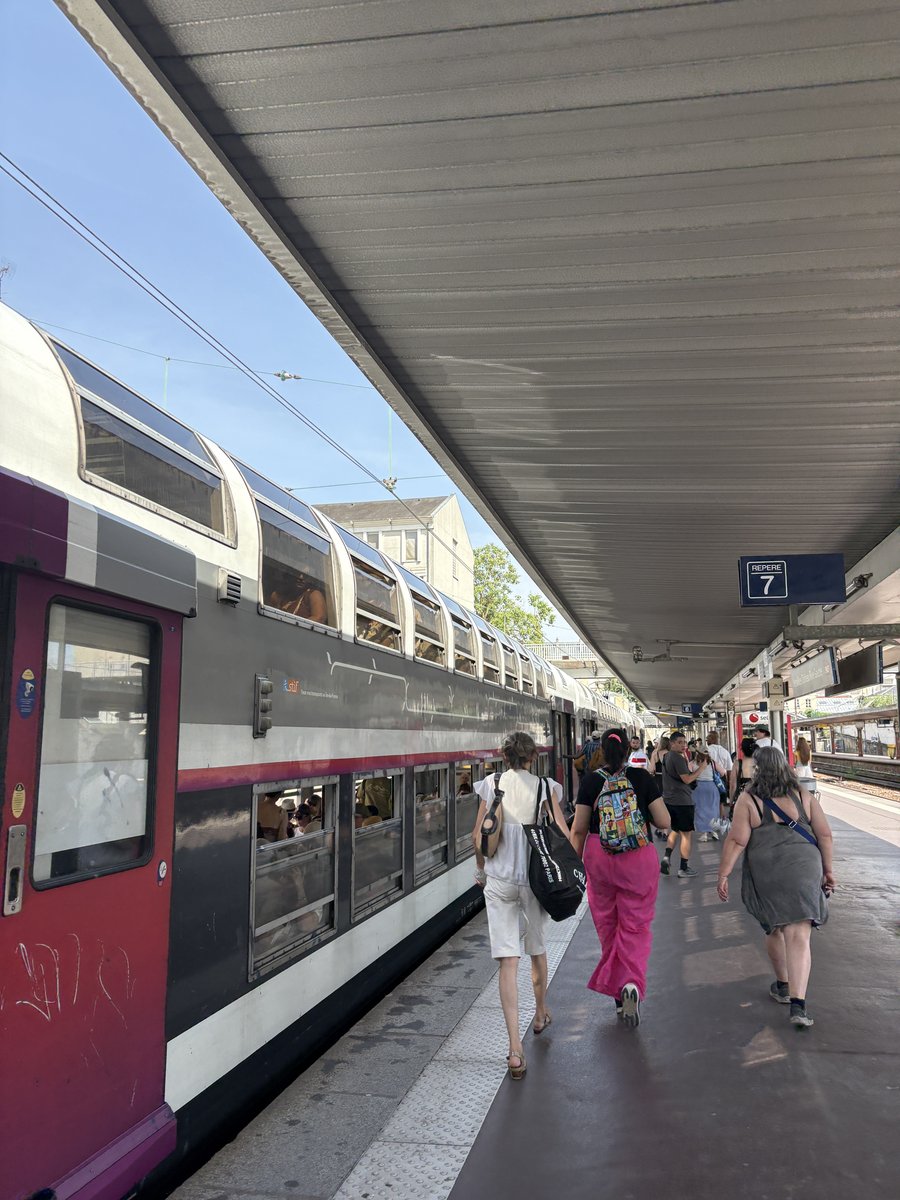
Also, the metro in Paris is very developed and quite comfortable for getting everywhere. The price is about 2.5€ per ride, which is much higher than Tokyo, and what surprised me more was that there's no AC inside. I read that France's AC penetration rate is just 25% (to preserve the historic landscape), but anyway I was battling the heat every time I took the train.
People in Paris
France has many immigrants and people from different backgrounds, including tourists. One thing I realized in Paris is that they don't mind other people in a good way. You can see they have a kind of confidence very different from Japan, and I met many nice people too (though I also saw a stubborn lady who wouldn't share a seat even though the one next to her was free lol). And I learned that the most important thing when traveling in France is greeting — say "Bonjour" when entering a restaurant or asking someone something. Greeting with a smile really opens people up.
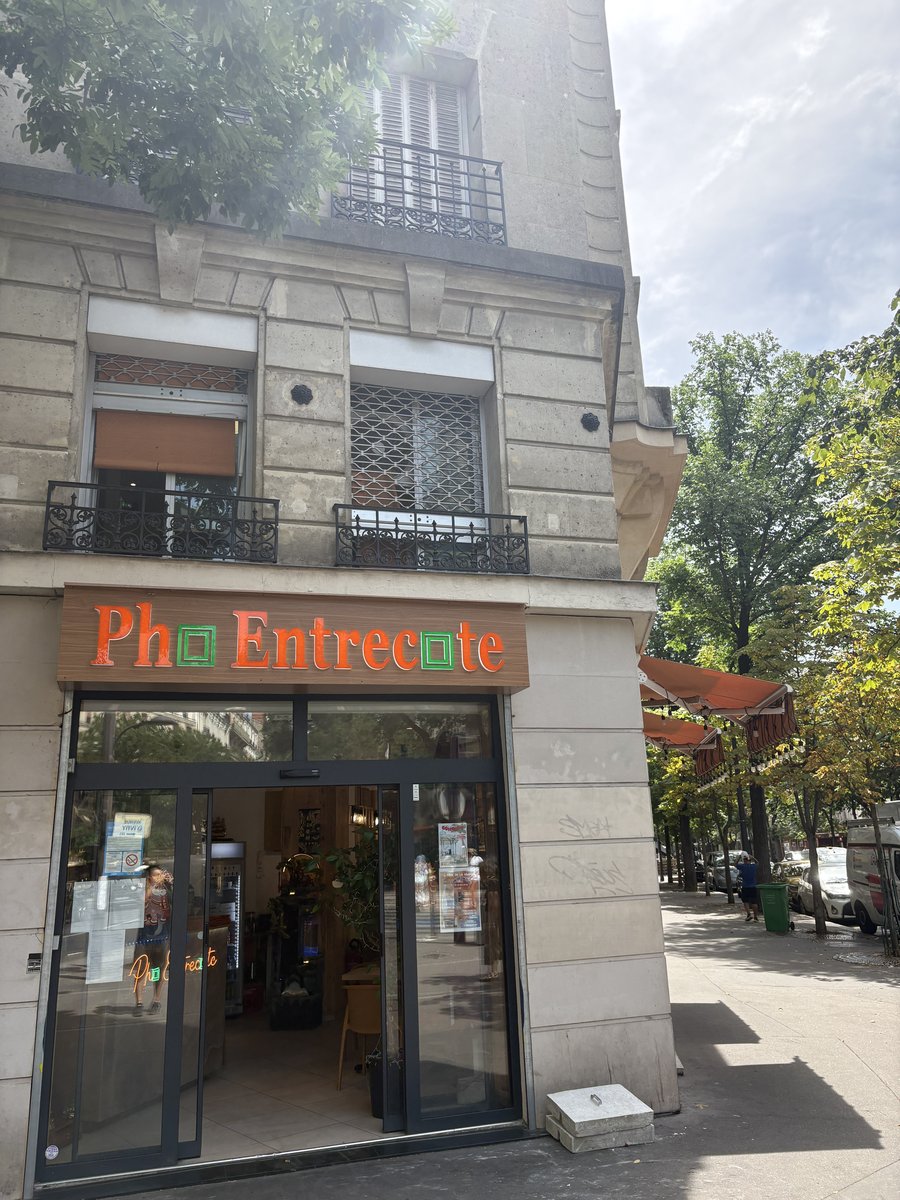
Also, Paris has a big Asian community around the 13th district, and you can find many Asian restaurants like Vietnamese and Chinese. The 13th was close to my hostel, so I walked around and tried Pho at the restaurant below. Of course the price is incomparable to Vietnam, but the taste was quite good — the noodles were dry-style, but the soup and meat were nice.
Landmarks in Paris
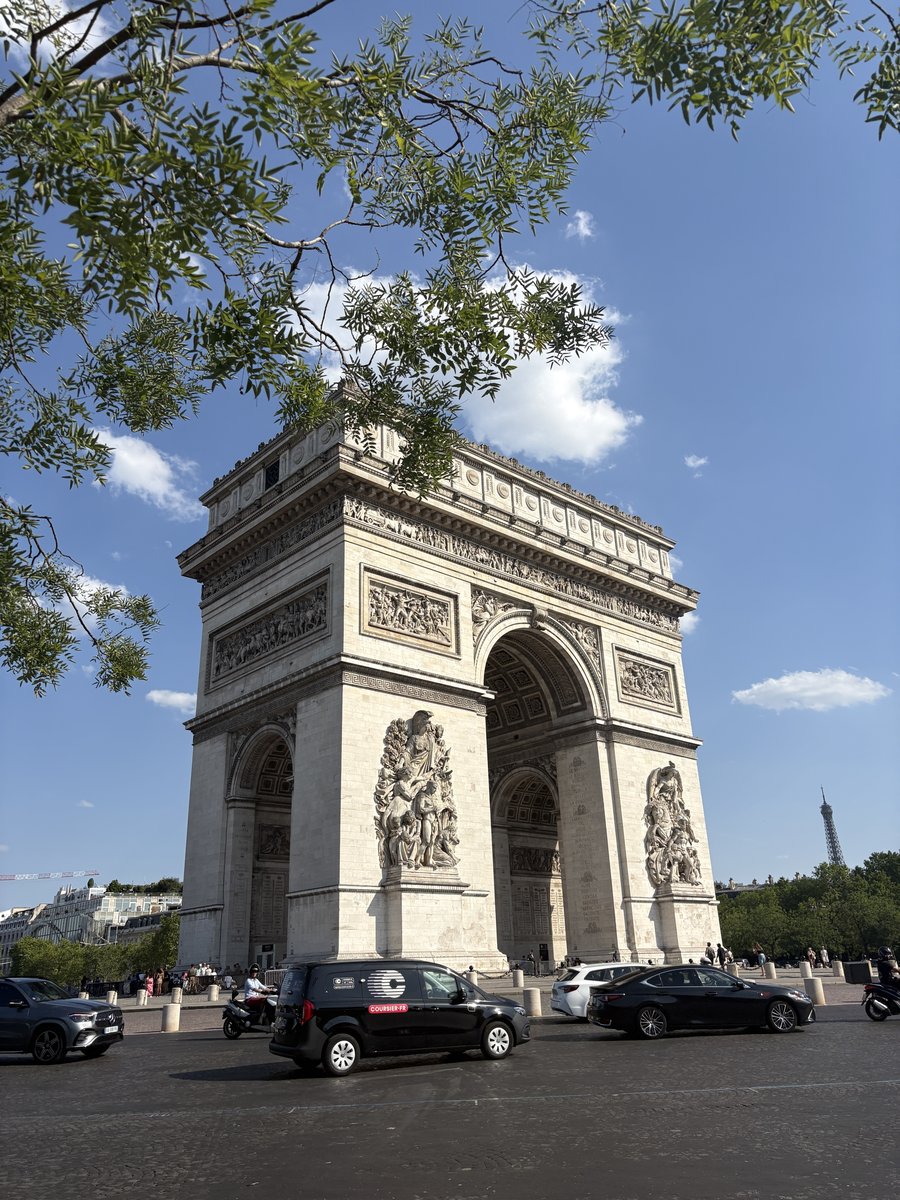
I only had 4 days in Paris so I needed to plan efficiently — first I went to the Arc de Triomphe and the Eiffel Tower. Unfortunately I couldn't go up the Arc de Triomphe due to a ceremony being held, but the sky was very clear and I learned a lot about the monument.
The Arc de Triomphe is one of the most iconic monuments in Paris, standing 50 meters tall at the center of Place Charles de Gaulle, where twelve grand avenues radiate outward like the points of a star (its older name, Place de l'Étoile, literally means "Star Square"). Commissioned by Napoleon in 1806 after his victory at Austerlitz but not completed until 1836, its walls are inscribed with the names of French generals and military campaigns from the Revolutionary and Napoleonic eras. Beneath it lies the Tomb of the Unknown Soldier from WWI, marked by an eternal flame that has burned continuously since 1923.
The Eiffel Tower (La Tour Eiffel) is the 330-meter wrought-iron tower built by Gustave Eiffel's engineering firm for the 1889 World's Fair, held in Paris to mark the centenary of the French Revolution. It was the tallest man-made structure in the world for 41 years and was originally intended to be dismantled after 20 years — but it was kept because it proved useful as a radio antenna, and quickly became the defining symbol of Paris itself. Famously controversial at first (Maupassant supposedly ate at its restaurant because it was "the only place in Paris where I couldn't see it"), today it draws around 7 million visitors a year.
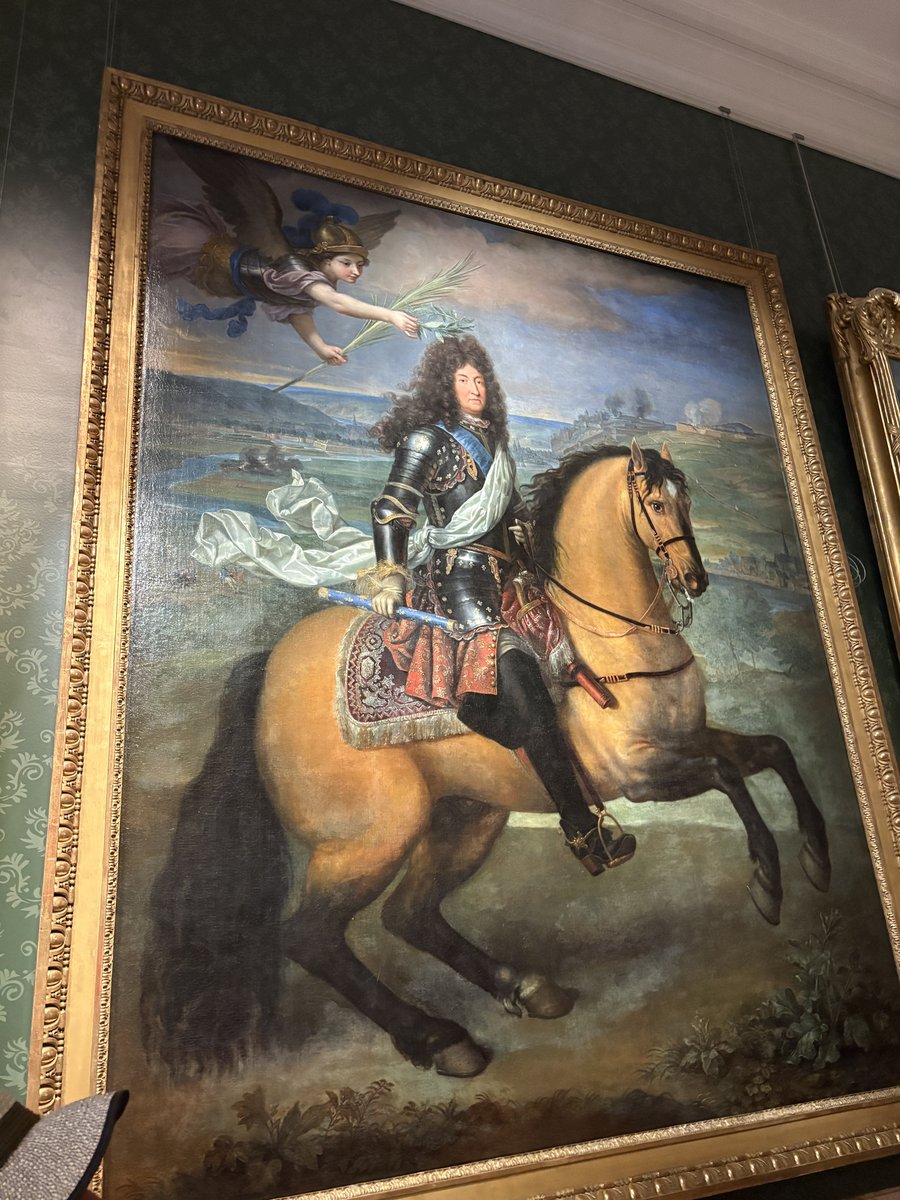
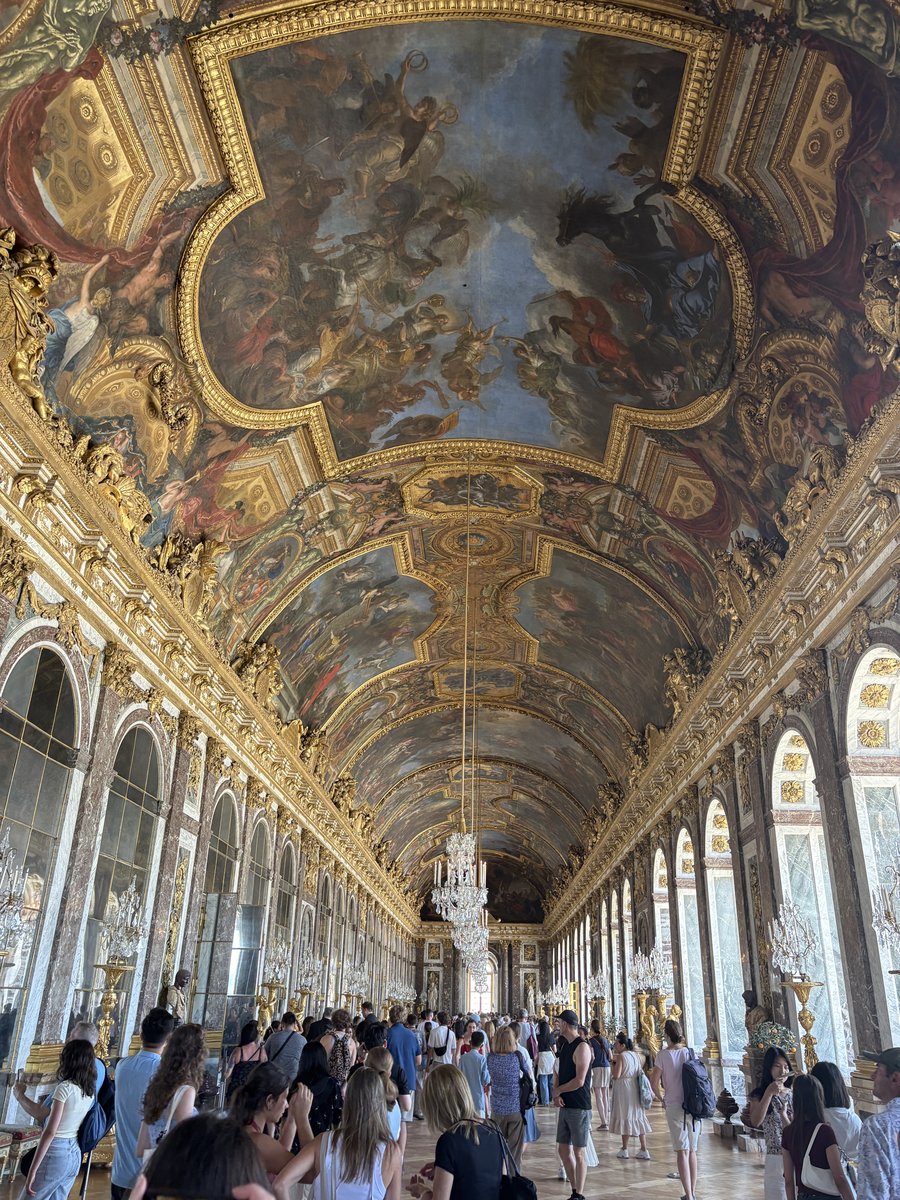
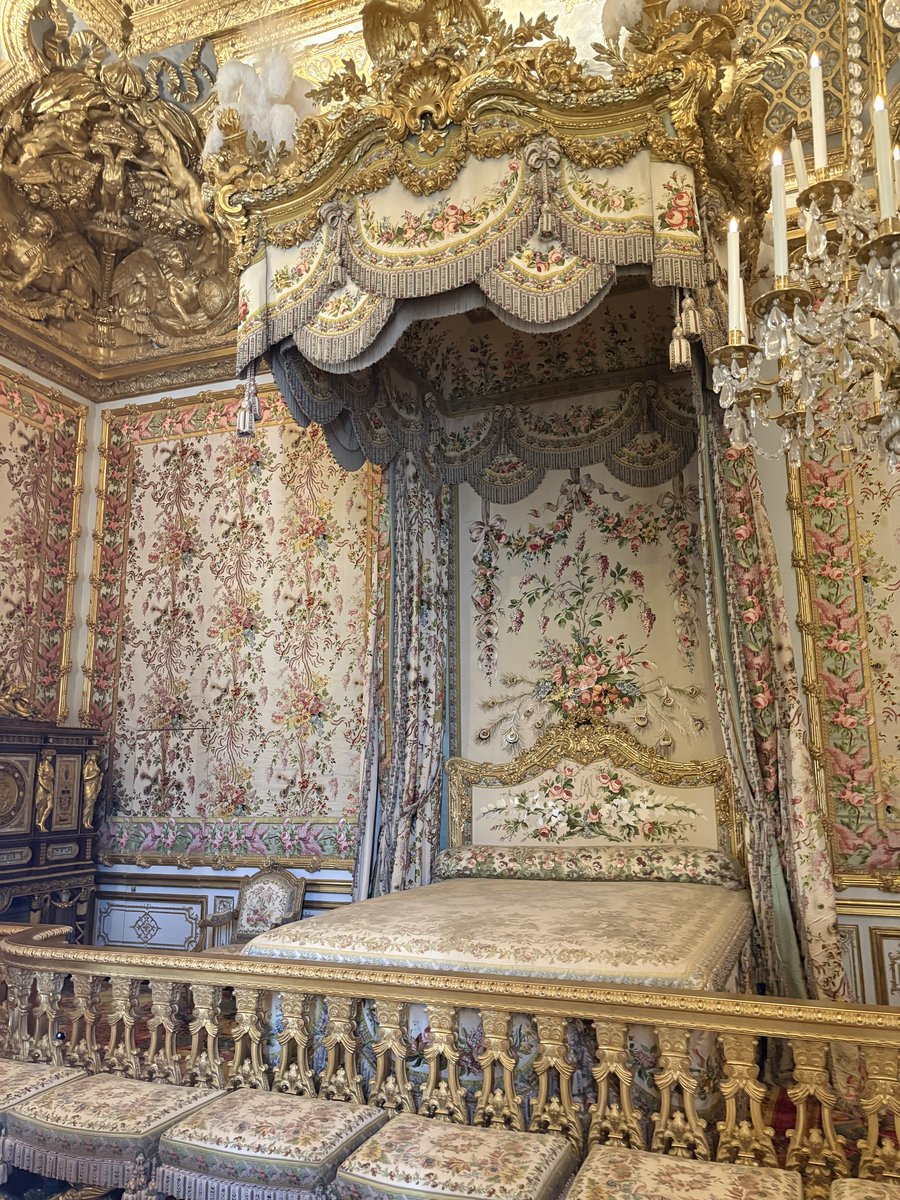
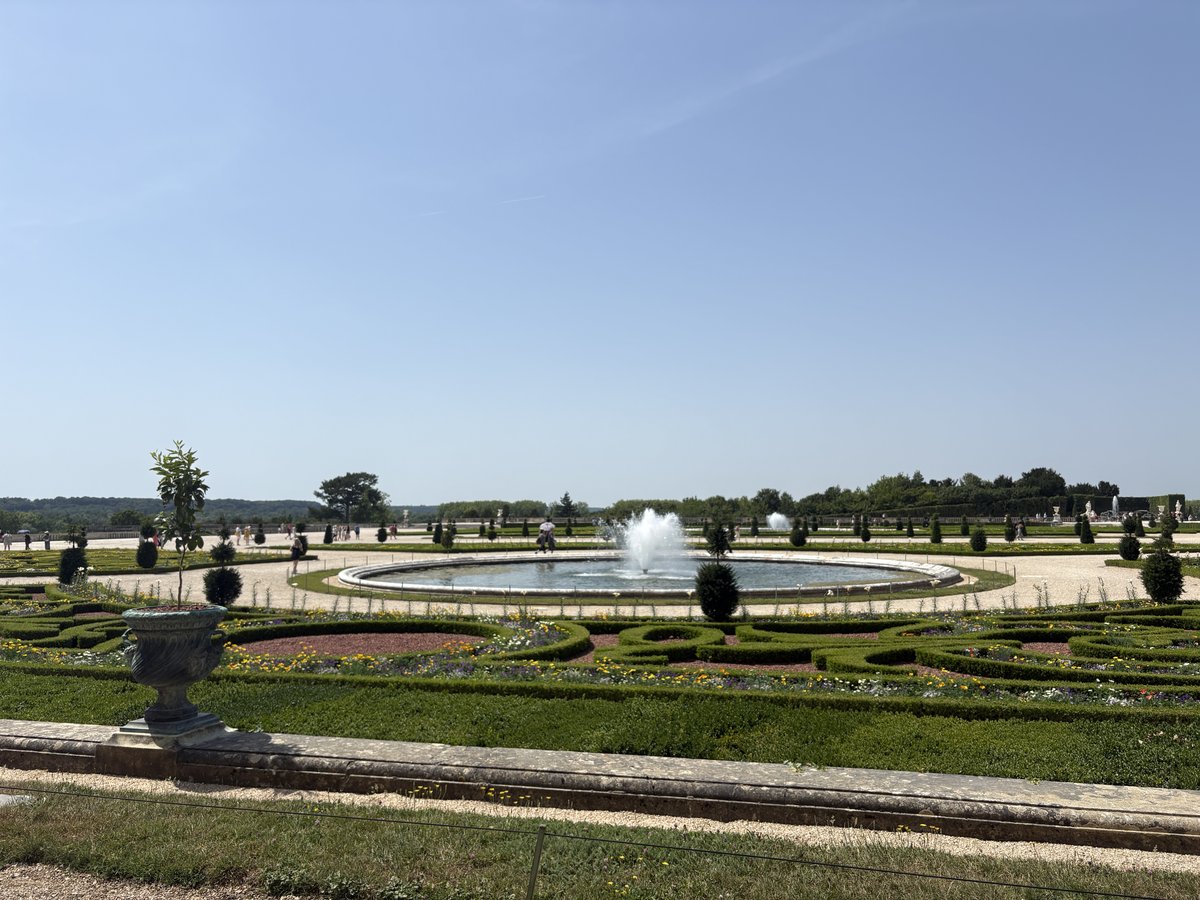
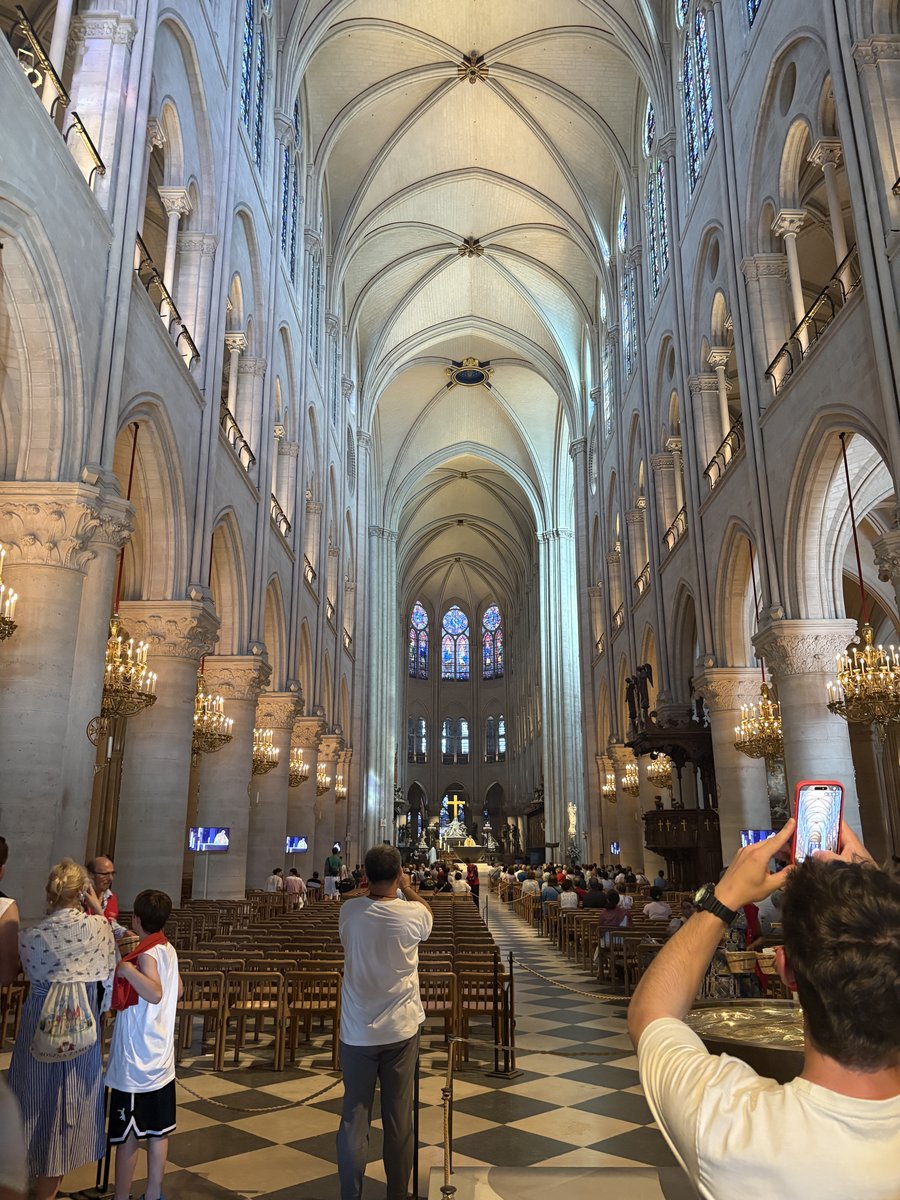
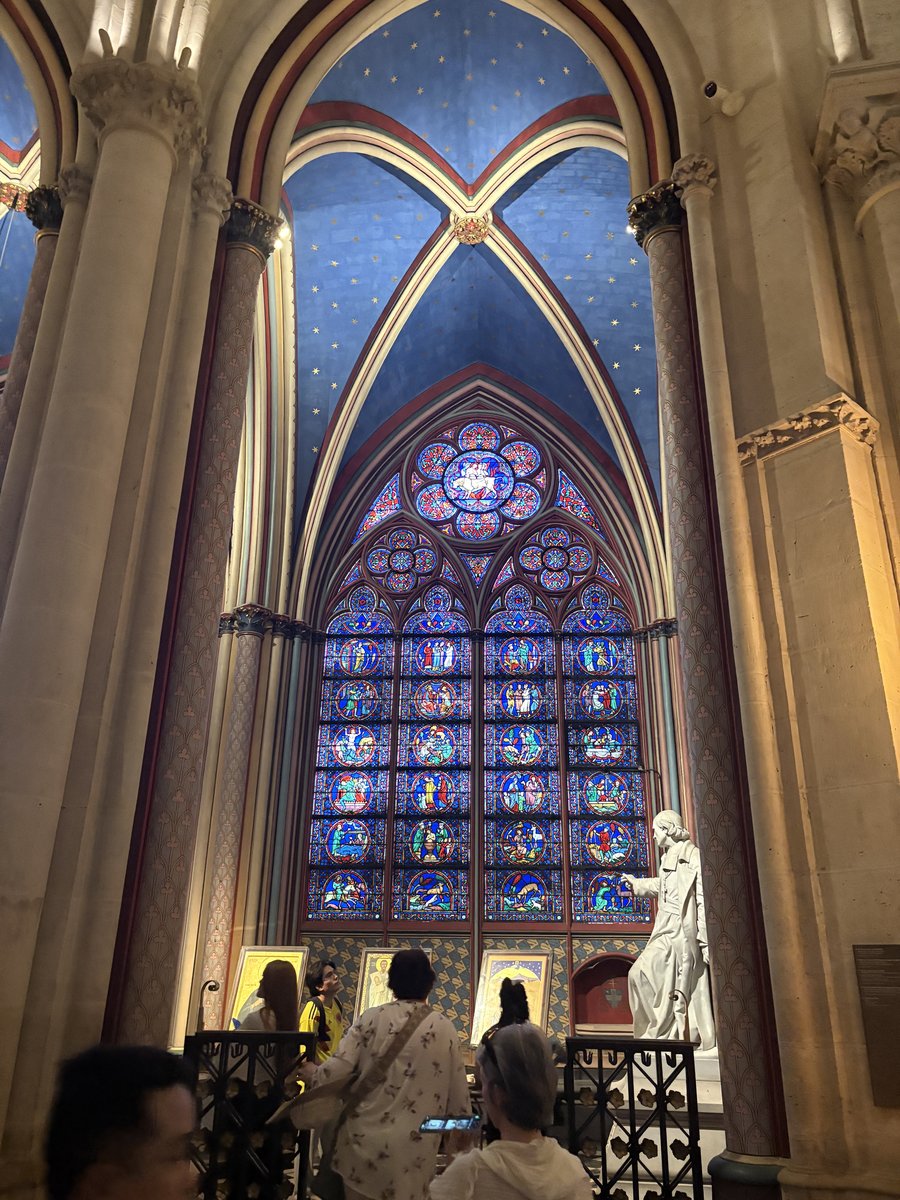
Also, on the second day I went to the Palace of Versailles and Notre-Dame Cathedral. The two places turned out to be the exact opposite of each other — Versailles was the height of opulence, while Notre-Dame was a sacred space. I bought a combined ticket including the gardens, but I gave up walking through them for very long because it was too hot. The palace was definitely the most extravagant palace I'd ever seen, and you could really imagine how much wealth the royal family had and the absolute power they wielded at that time. On the other hand, the cathedral felt very quiet and simple (even though it's a Catholic church), but the stained glass was symbolic and carried a strong presence.
The Palace of Versailles (Château de Versailles) is the sprawling royal palace 20 kilometers southwest of Paris, originally a humble hunting lodge of Louis XIII before Louis XIV — the Sun King — transformed it into the most opulent royal court in Europe and the official seat of the French monarchy from 1682. Its 2,300 rooms include the breathtaking Hall of Mirrors (Galerie des Glaces), a 73-meter gallery lined with 357 mirrors where the Treaty of Versailles ending WWI was signed in 1919. Surrounded by the vast formal gardens of André Le Nôtre, the palace is a UNESCO World Heritage Site and one of France's most visited monuments, drawing around 10 million visitors a year.
Notre-Dame de Paris is the 850-year-old Gothic cathedral on the Île de la Cité, begun in 1163 under Bishop Maurice de Sully and completed in 1345 — one of the finest examples of French Gothic architecture, famous for its flying buttresses, rose windows, and gargoyles. The site of Napoleon's coronation in 1804 and the setting of Victor Hugo's The Hunchback of Notre-Dame (1831), it was devastated by a fire in April 2019 that collapsed the spire and destroyed much of the roof. After a five-year, €700 million restoration, it reopened in December 2024 and once again welcomes millions of visitors a year to the heart of Paris.
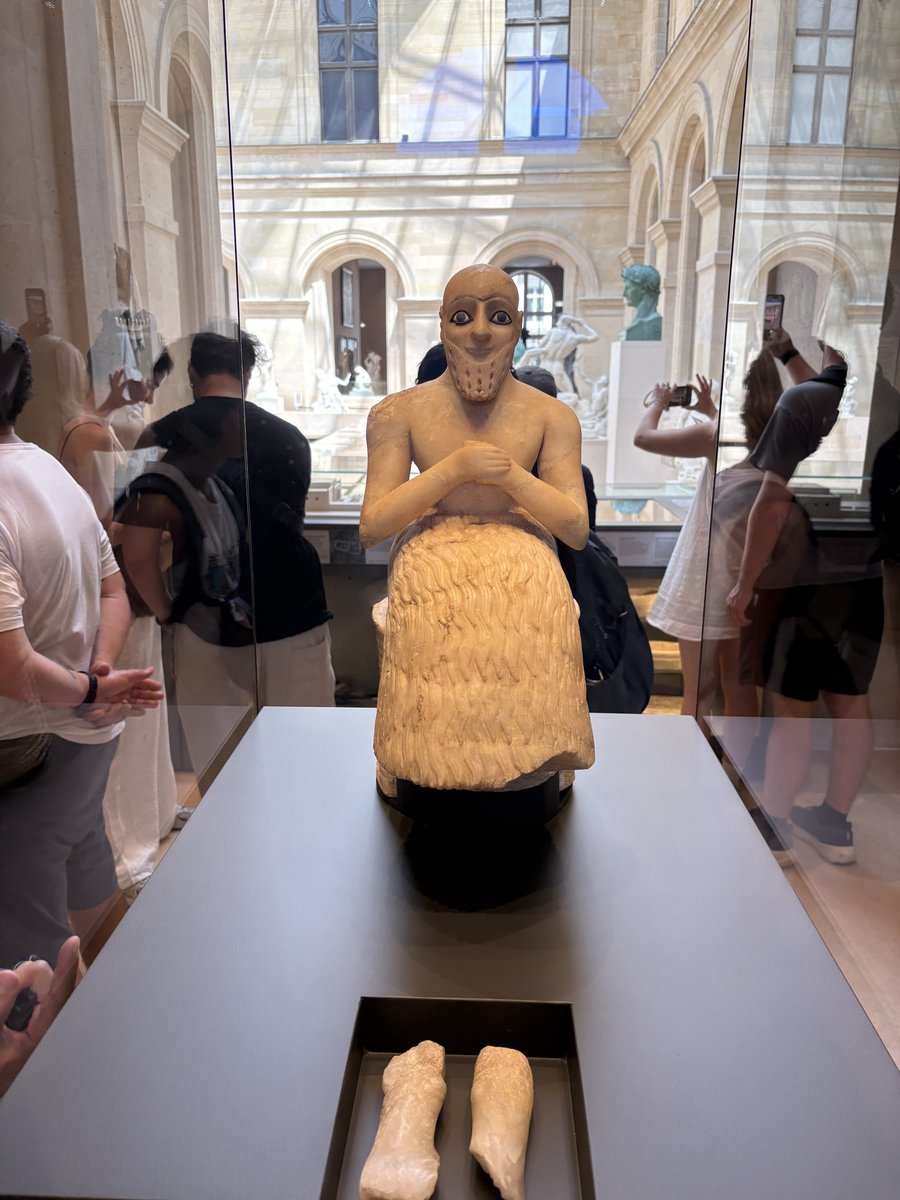
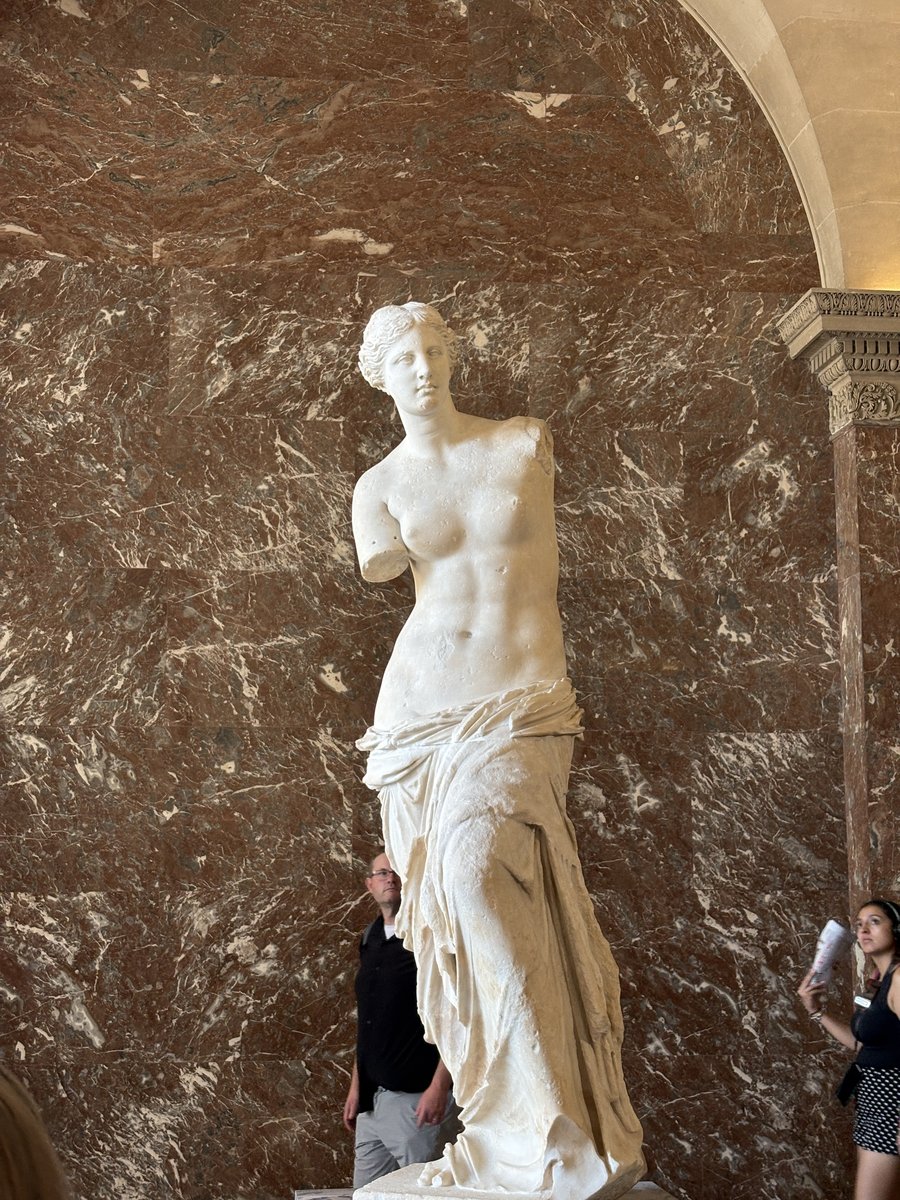
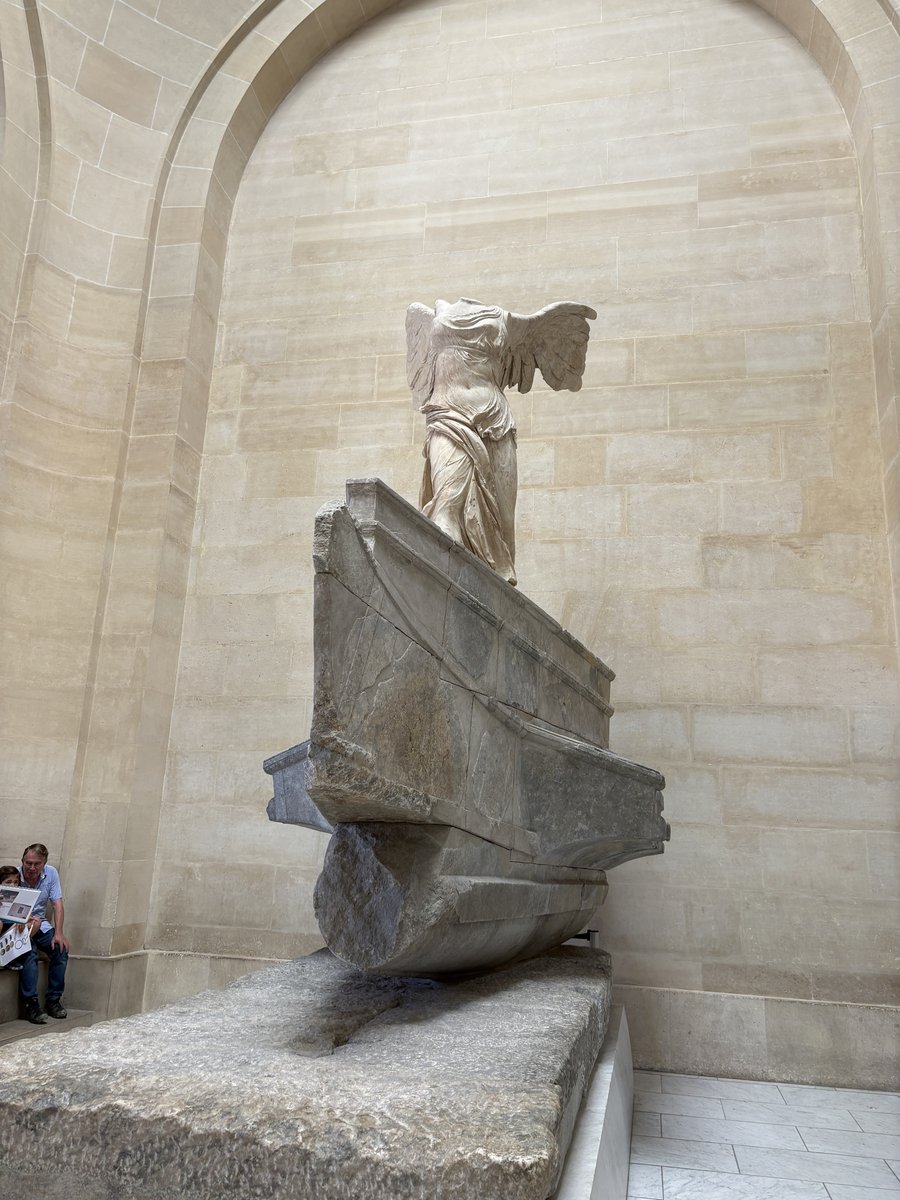
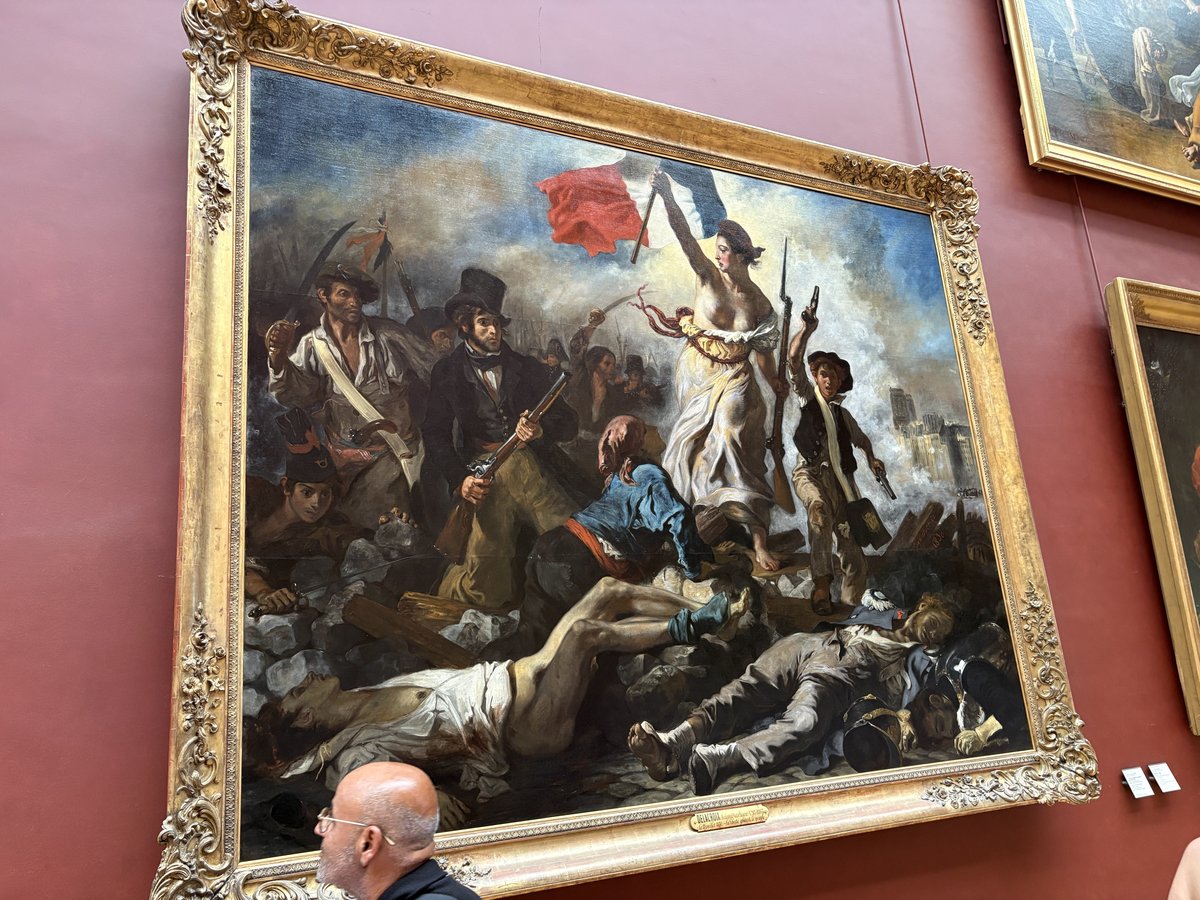
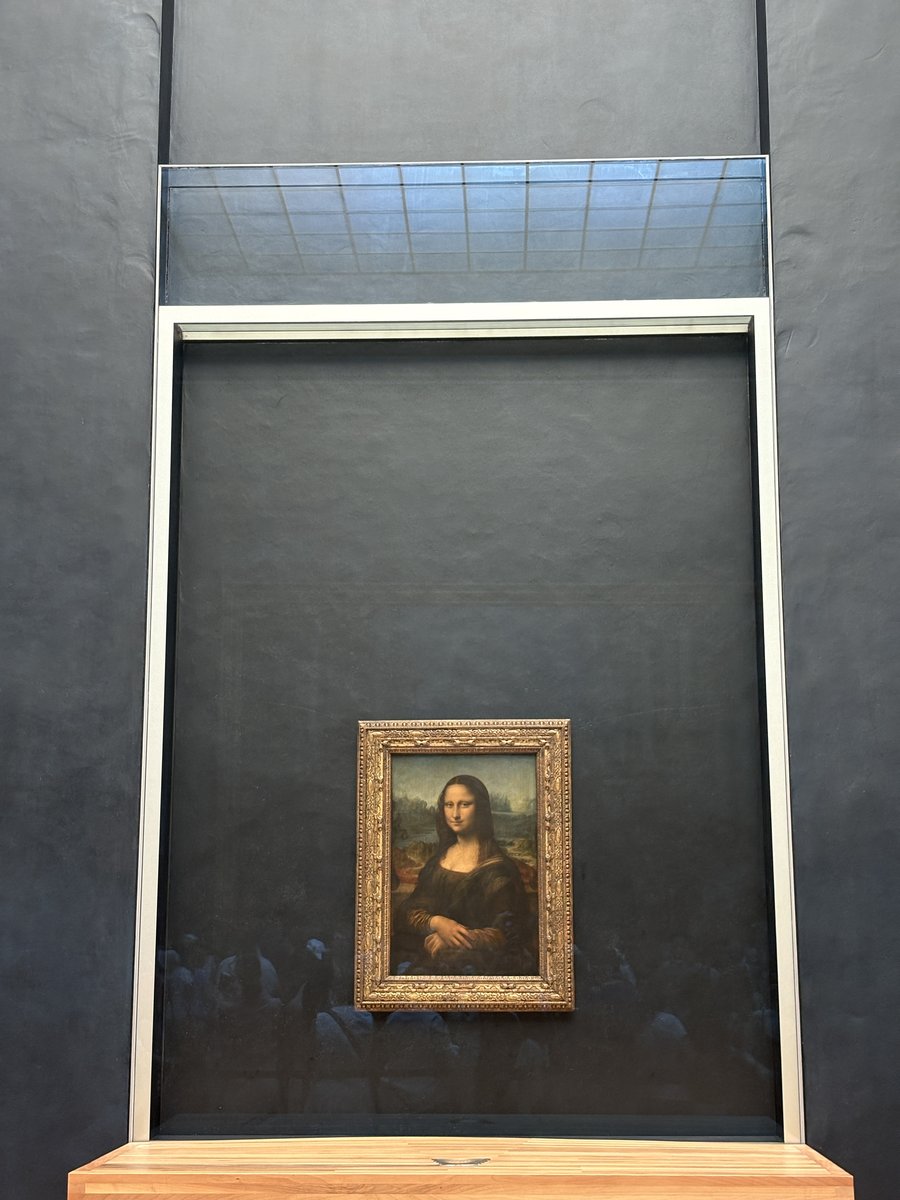
The last place I visited in Paris was the Louvre Museum. They have tons of art and I couldn't see it all (the museum also closed early because of the heat), but I was able to enjoy seeing famous works that I'd seen in textbooks as a student. I could hardly believe they were all real, and I understood why they attract so many people — and I noticed something: they make you think and imagine. What if the Venus de Milo had been dug up with her arms? What if the Winged Victory of Samothrace still had her head? What if the Mona Lisa had been painted with a different expression?
4 days definitely weren't enough to explore Paris — I'll be back again!
Comments
Loading...