Mexico City
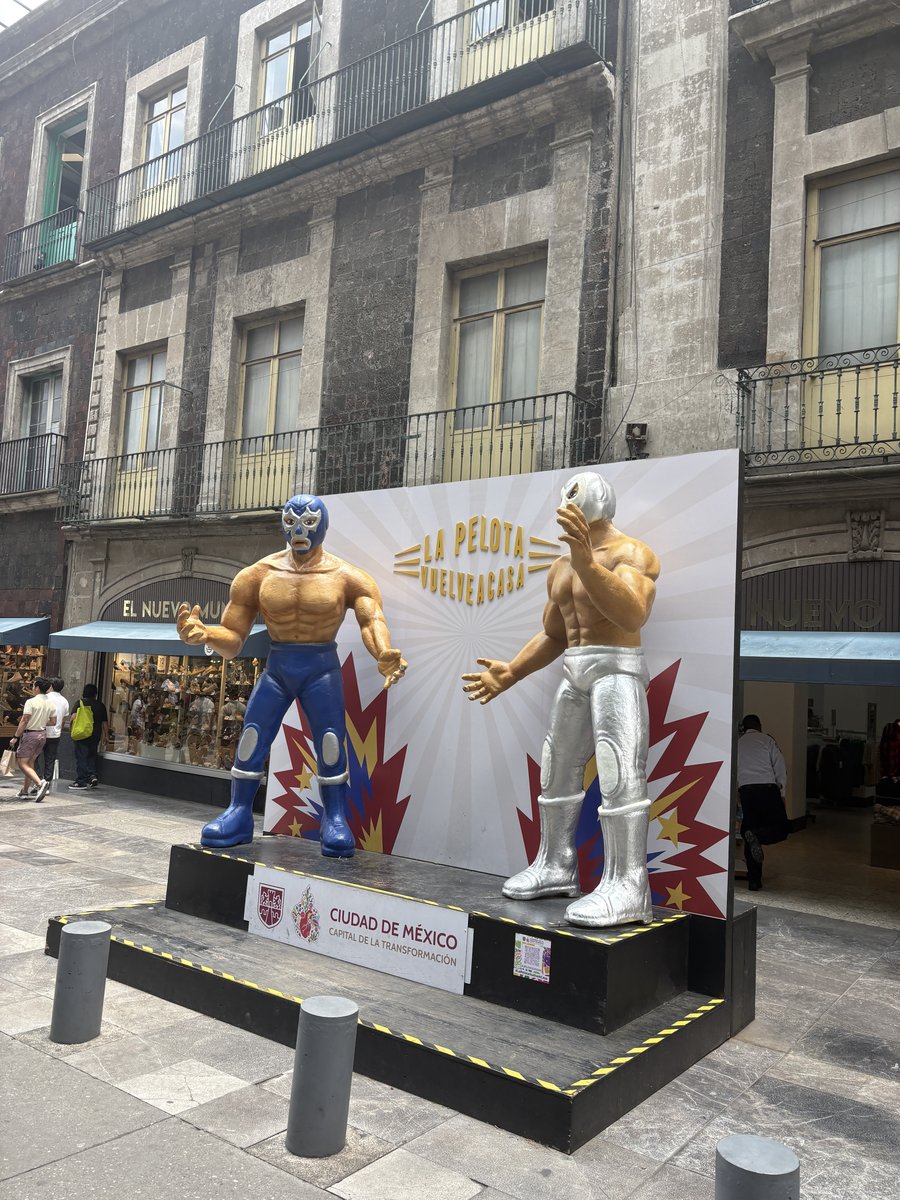
Mexico City
US to Mexico City
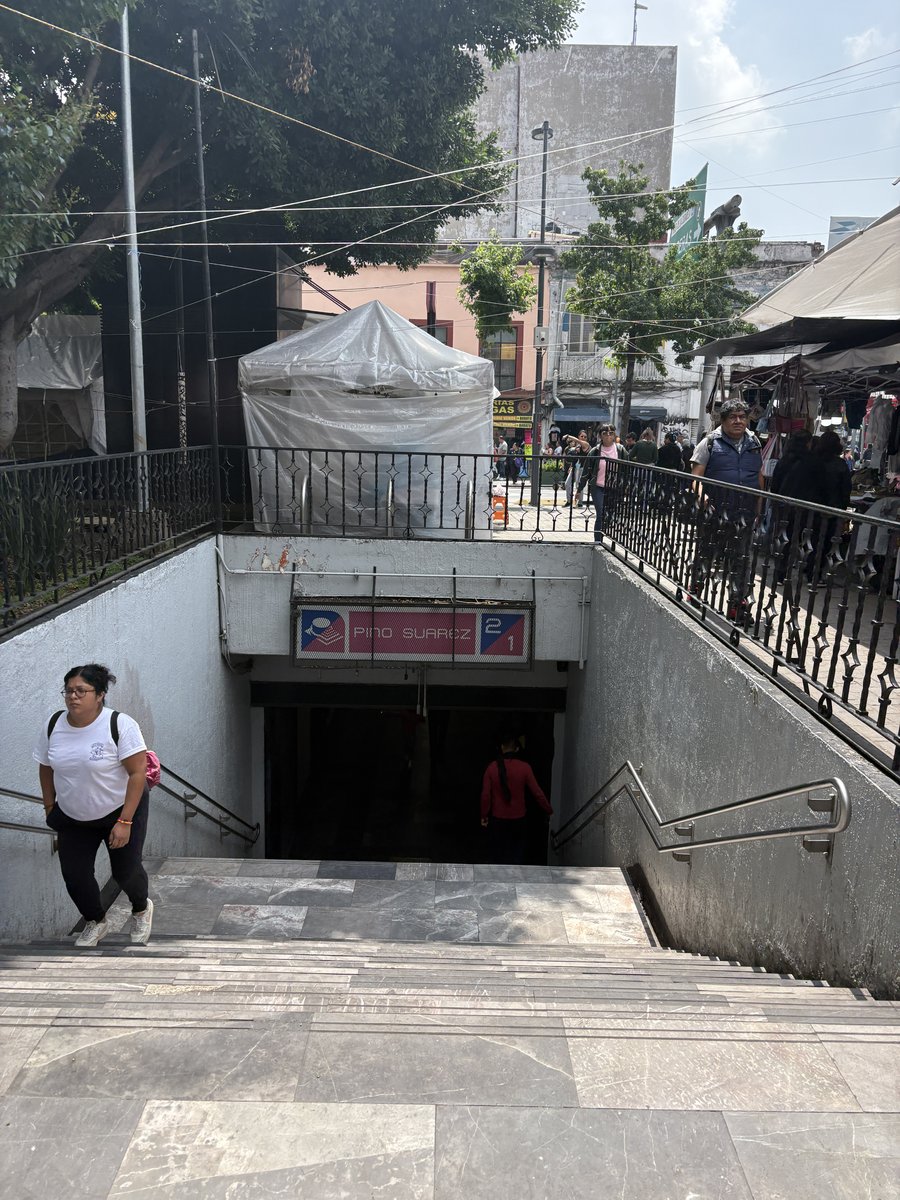
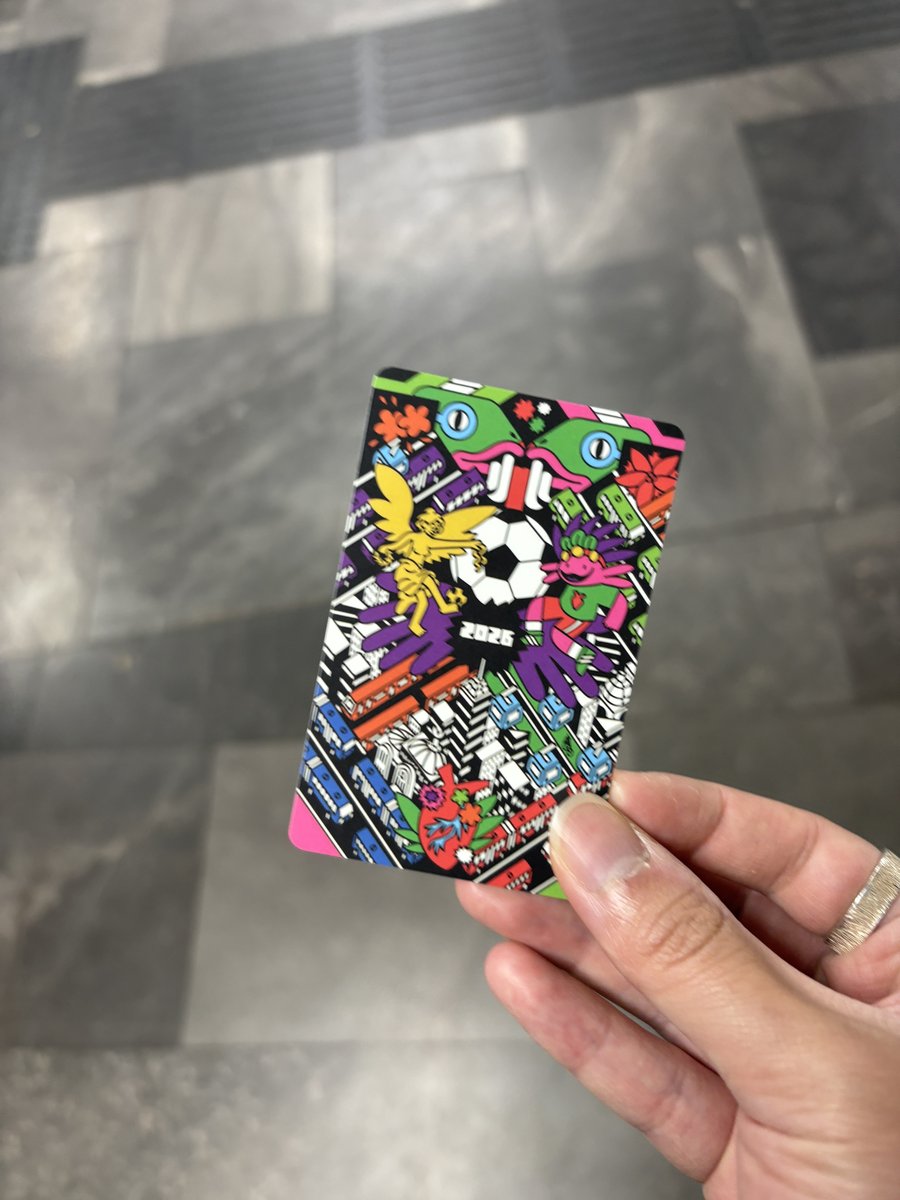
After leaving the States, I moved on to Mexico — my Central/South America journey has begun. I took a night flight and arrived in Mexico City early in the morning. I usually can't sleep well on planes, but somehow I slept well this time. Mexico City is often abbreviated as CDMX, which stands for Ciudad de México. CDMX has a metro that covers most of the city (including the airport), and I heavily used it during my stay because it's super cheap. It costs only 5 pesos (about $0.30) per ride, and you can top up the card easily.
Anthropology Museum
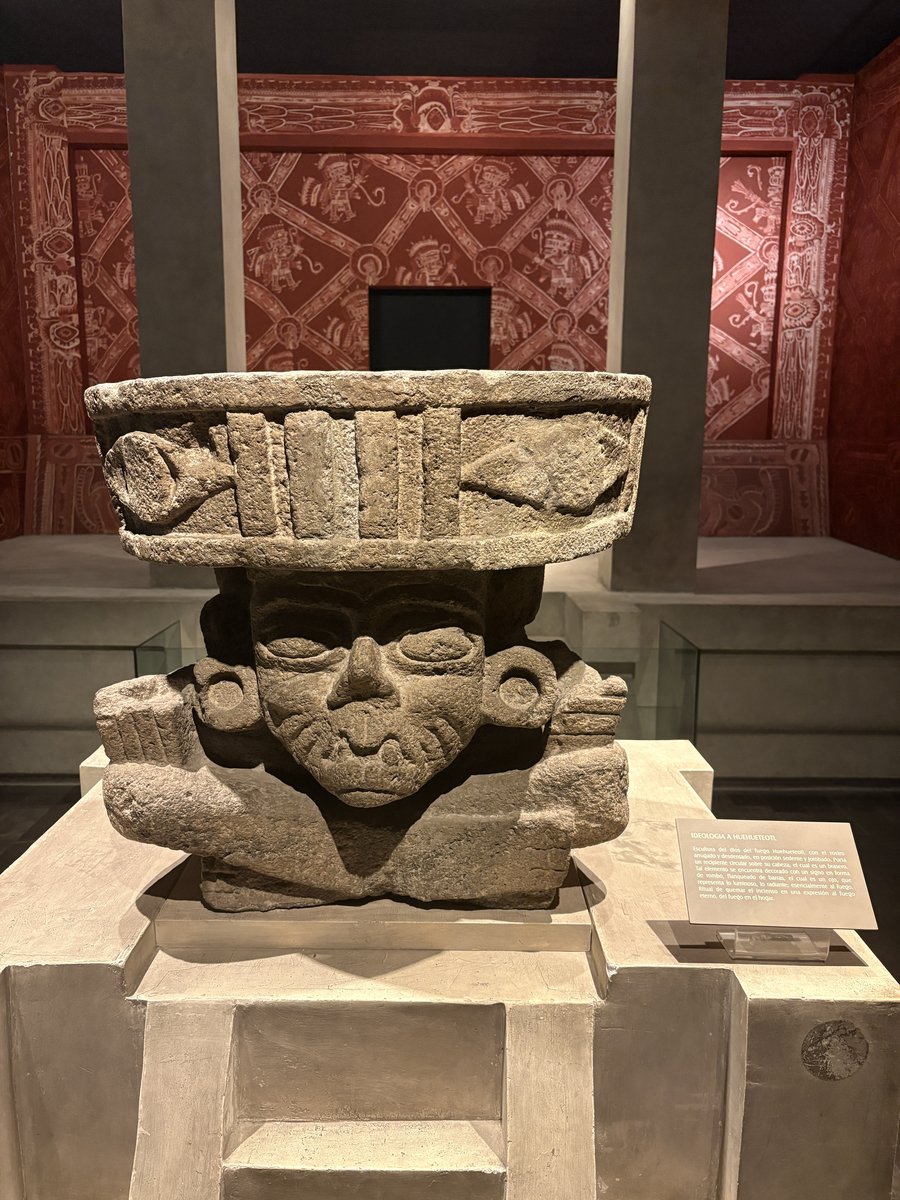
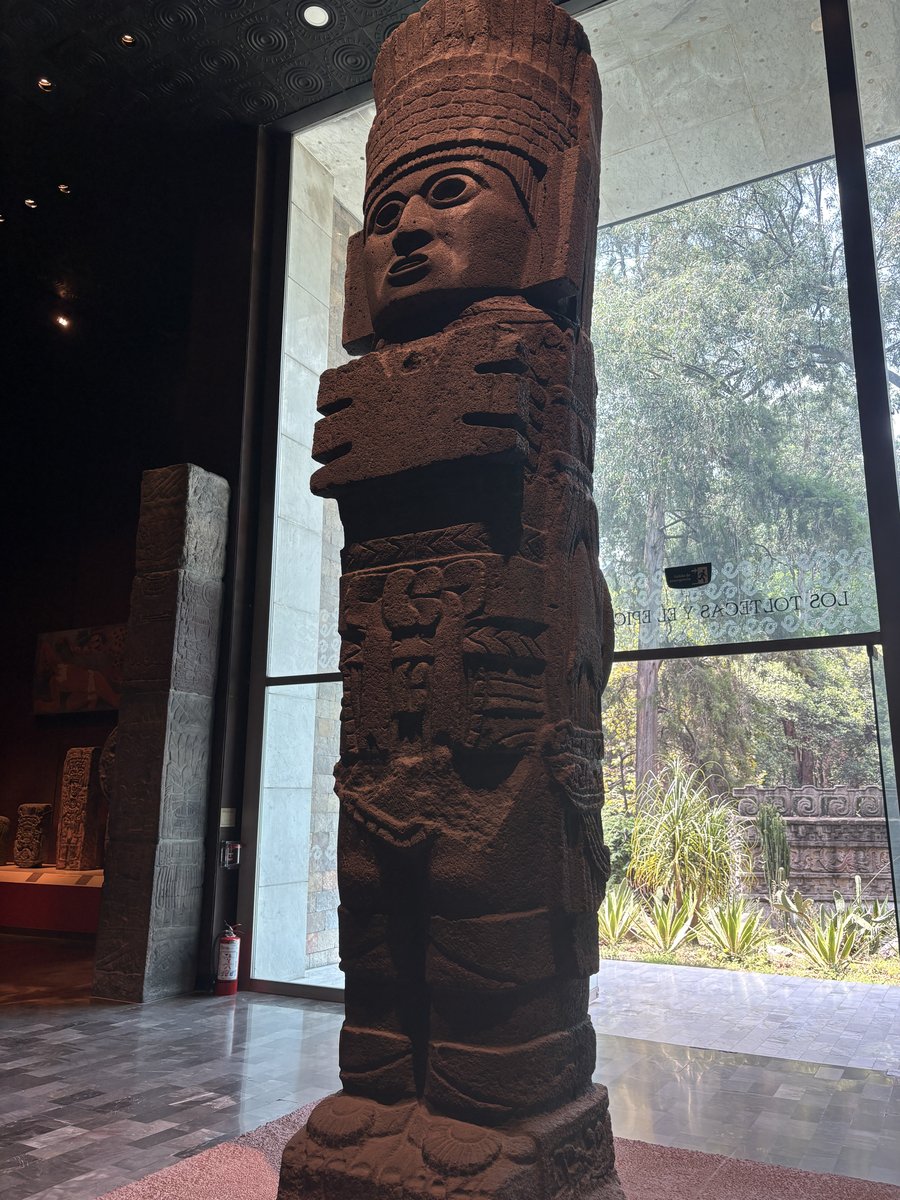
The Anthropology Museum was a great place to learn about the civilizations of Mexico and other Central and South American countries. The museum itself is quite spacious, and the exhibits are divided by civilization. If you don't know what civilizations existed, it's hard to grasp the timeline.
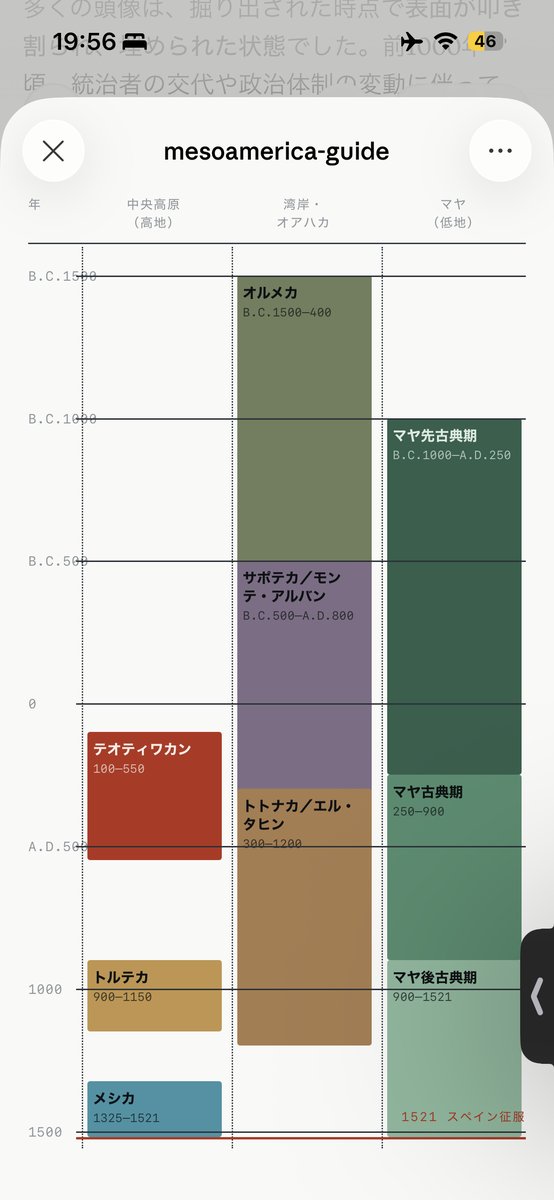
First, there are pyramids at Teotihuacan near CDMX (I was supposed to join a tour but I overslept and missed it...). Teotihuacan was one of the earliest major civilizations in central Mexico. Later, the Toltec and then the Mexica arose, each lasting a few centuries. The Mexica are the origin of the country's name, "Mexico". Their empire lasted only about 200 years, but they refined many traditions including agriculture, textiles, and religious rituals.
Teotihuacan, located about 40 km northeast of Mexico City, was one of the largest ancient cities in the Americas. At its peak (100 BCE–550 CE), it had over 125,000 residents and rivaled Rome in size. Its origins and rulers remain a mystery — it was already in ruins when the Aztecs arrived and named it "the place where gods were created". Its iconic Pyramid of the Sun and Pyramid of the Moon flank the Avenue of the Dead, and the site is a UNESCO World Heritage Site.
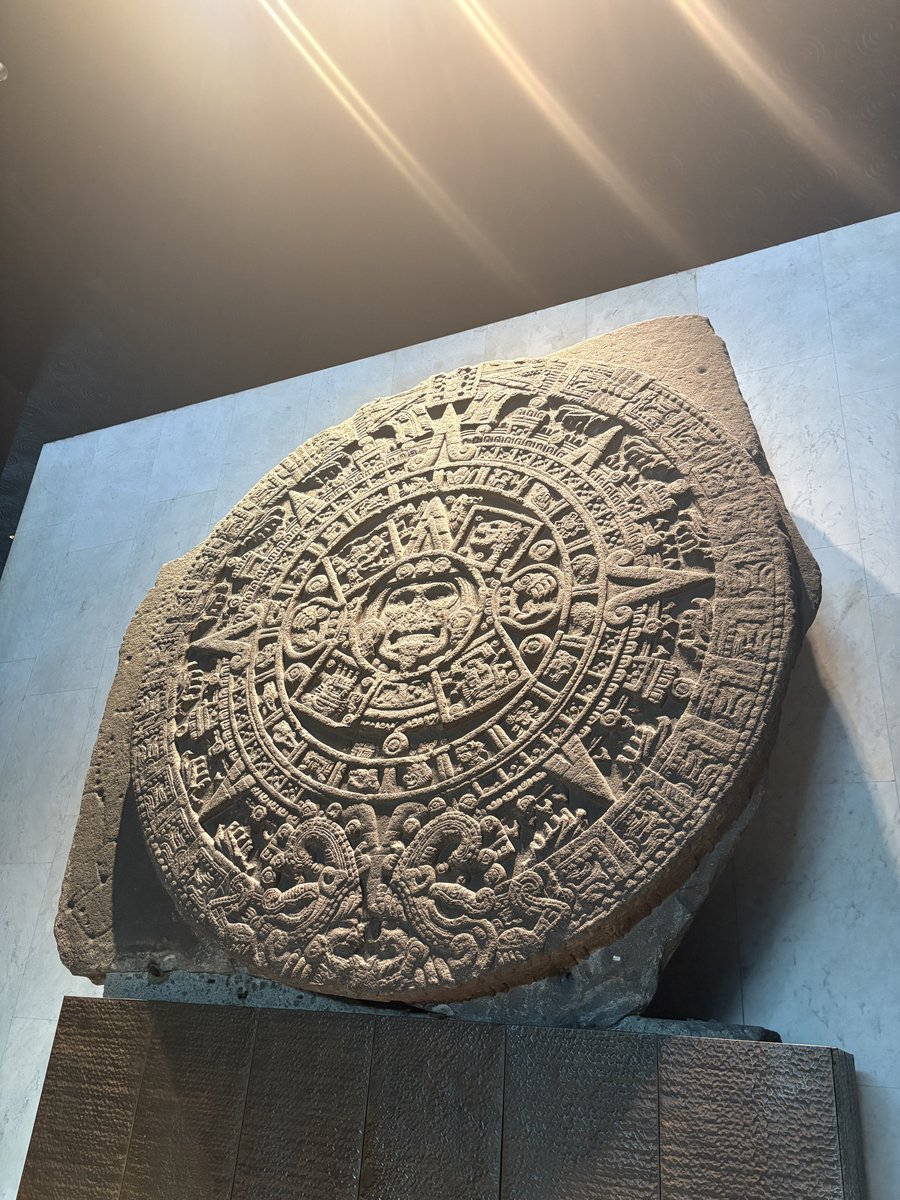
The Sun Stone (Piedra del Sol), also known as the Aztec Calendar Stone, is a massive 24-ton basalt disc carved by the Mexica in the late 15th century. Nearly 3.6 meters across, it depicts the sun god Tonatiuh at its center, surrounded by the four previous "suns" (cosmic eras) and the 20 day-signs of the Aztec calendar. Buried during the Spanish conquest and rediscovered in Mexico City's Zócalo in 1790, it is now the centerpiece of the National Museum of Anthropology.
And the last was the Maya — the Maya civilization developed in the southern lowlands and flourished for over 2,000 years. There were many exhibits featuring masks, mostly made from jade. All the masks had well-defined features, especially the nose and eyes.
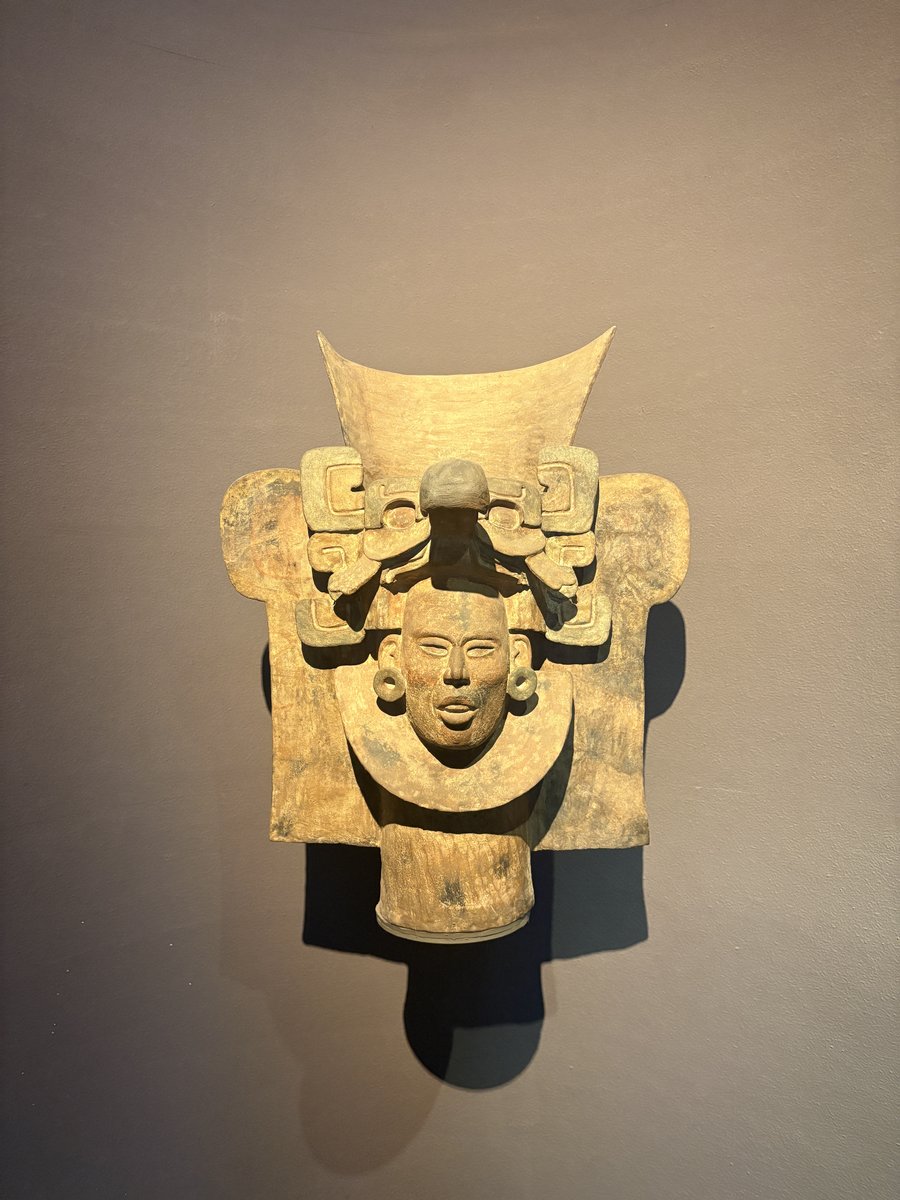
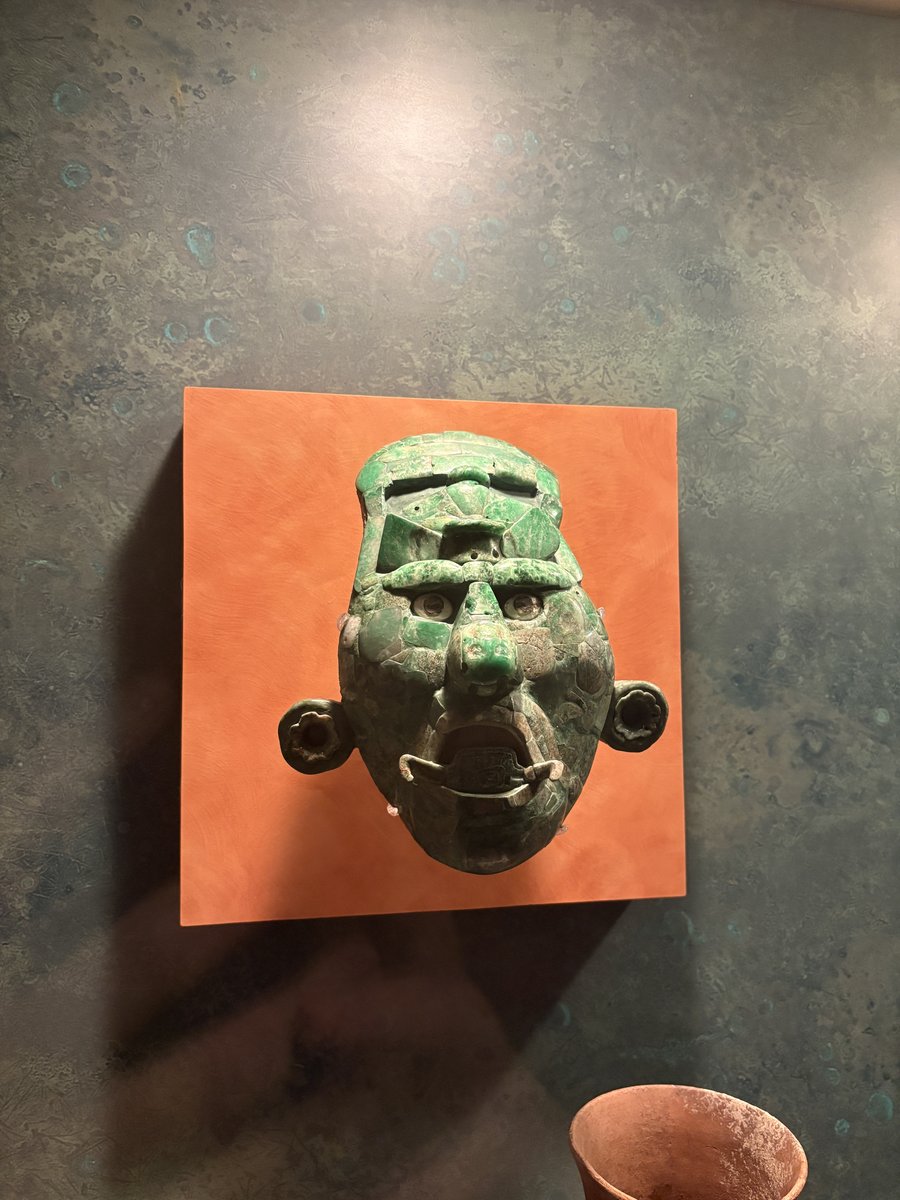
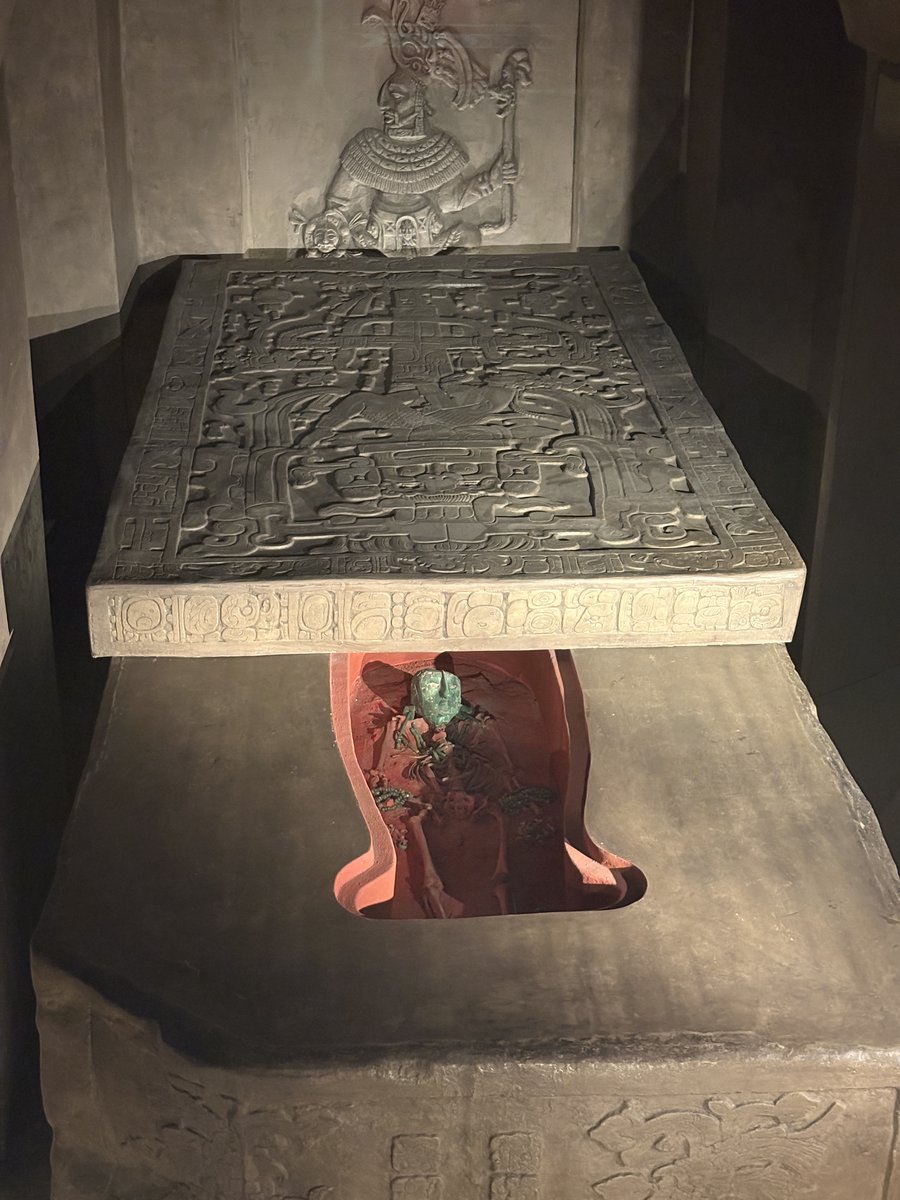
This was the best historical museum I've ever visited! Had a great time.
Food in CDMX
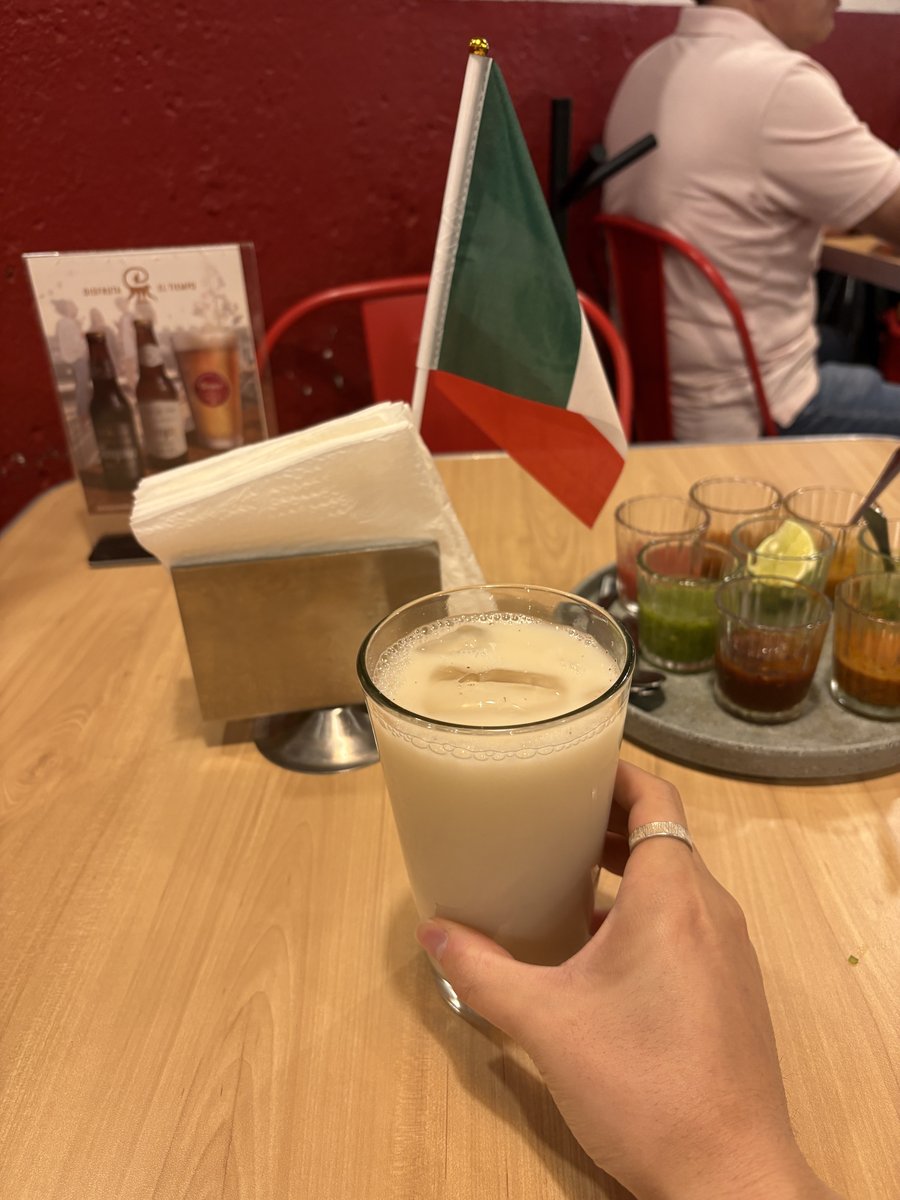
Mexican food is so popular around the world — I sometimes eat Mexican food even in Vietnam, so I was looking forward to trying many restaurants in Mexico. First, I went to eat tacos, the most famous Mexican food. To be honest, I was a bit surprised that real tacos aren't the same as what I had before. I expected them to be salty and spicy, but they're not — the focus is more on enjoying the ingredients themselves with less seasoning. Also, they serve many kinds of salsa on the side rather than pouring sauce directly on the food, so you can choose your flavors yourself.
Also, chilaquiles became my favorite on this trip. Chilaquiles is a common breakfast in Mexico (I had it for dinner — it's too big for breakfast), and it's made from crushed tortilla chips with a special sauce poured over them. It seems locals eat this with sliced onions, which I didn't like, but it was super good without them.
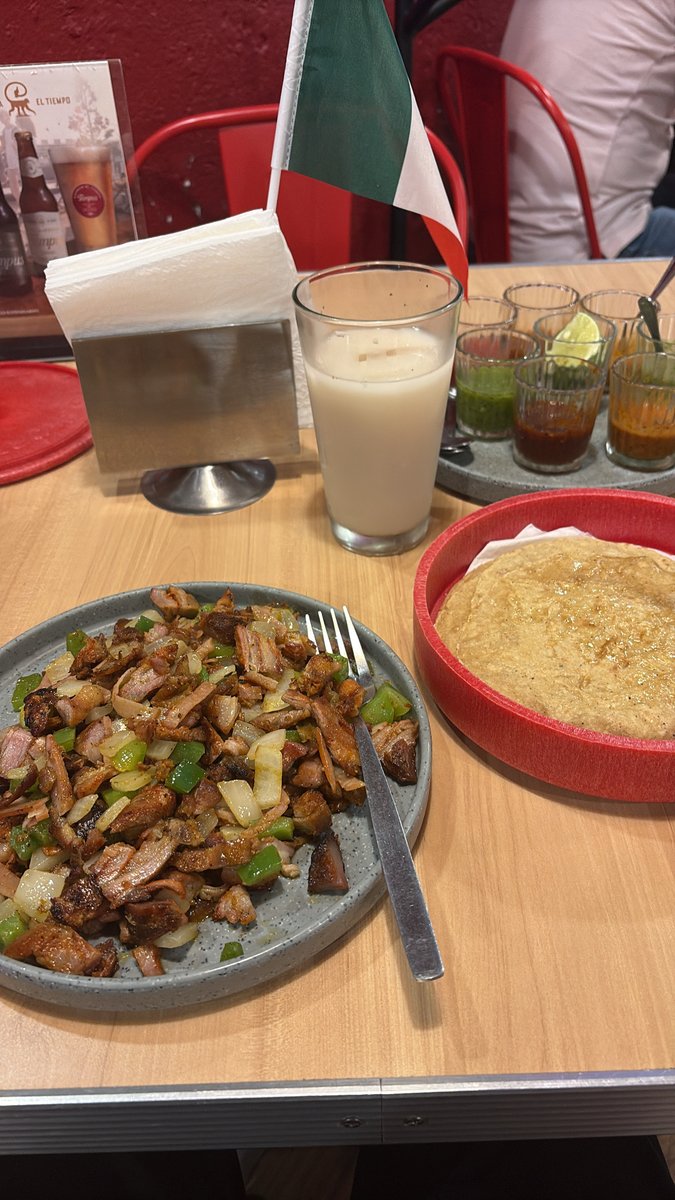
Horchata is a traditional sweet, milky-white drink popular across Mexico, made from soaked rice blended with cinnamon, sugar, and vanilla. The taste was very similar to chai tea — the subtle spice flavor was really appetizing.
Comments
Loading...