Puno & Copacabana
Puno & Copacabana
Cusco to Puno, a seven-hour bus ride
With Machu Picchu behind me, Lake Titicaca was next. Puno is about 390 km from Cusco, roughly seven hours by bus. I took the Inka Express, a tourist bus that doesn't just drive you there — it stops at four sights along the way.
Just after 7 am we pulled into Andahuaylillas, a small village sitting in a valley at around 3,100 m. The low morning sun threw the folds of the hillsides into sharp relief.
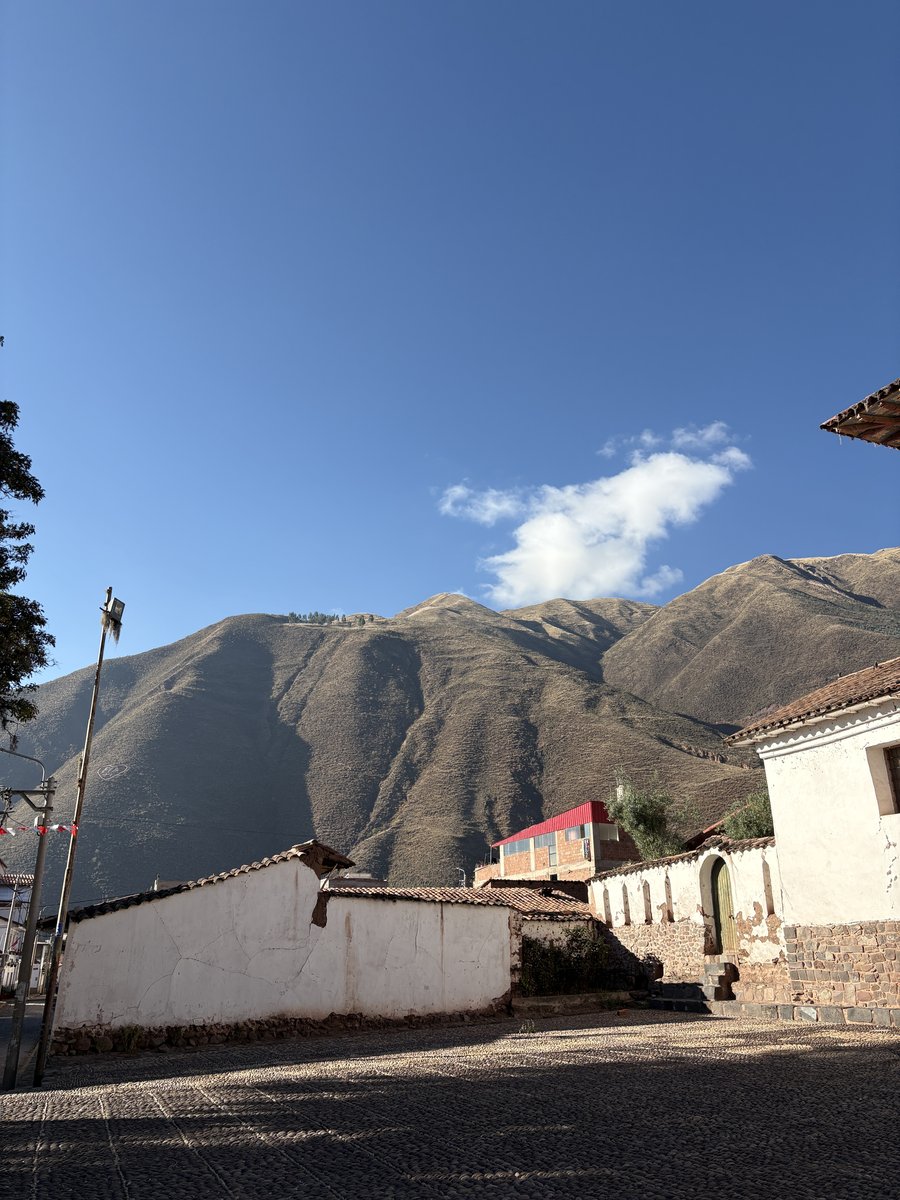
The Church of San Pedro Apóstol in Andahuaylillas is known as "the Sistine Chapel of America." Construction began in 1570, and the nave and facade were finished by 1606. Frescoes painted in the 1620s by Luis de Riaño and his indigenous collaborators cover the walls; together with the coffered ceiling and the gold-leaf altar, the interior is a kaleidoscope of colour.
Raqchi and the La Raya pass
The second stop was Raqchi, a temple dedicated to the Inca god Wiracocha. We had nearly an hour there.
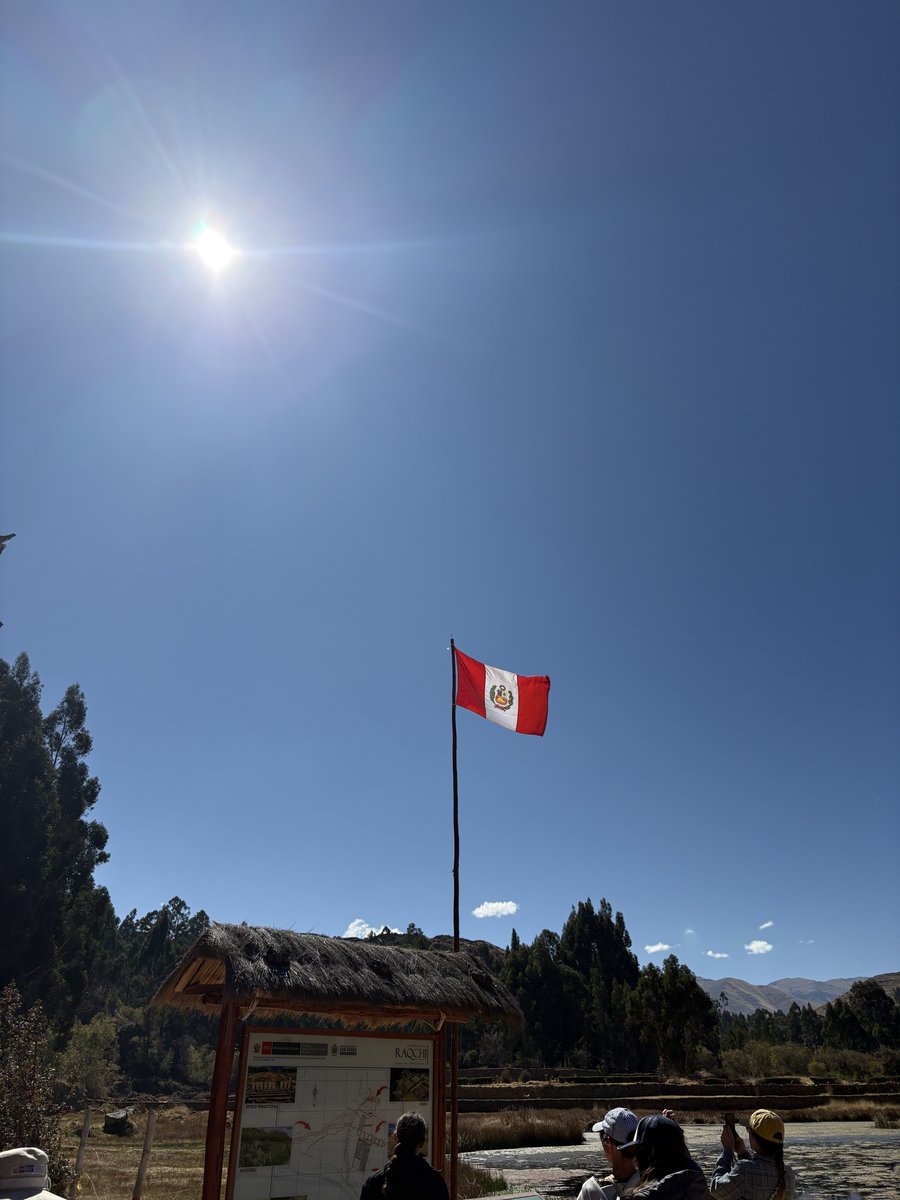
Raqchi (the Temple of Wiracocha) is an Inca site 110 km from Cusco at 3,480 m. The huge two-storey structure at its centre, 92 m long and 25.5 m wide, is considered the largest kallanka (great hall) of the Inca Empire.
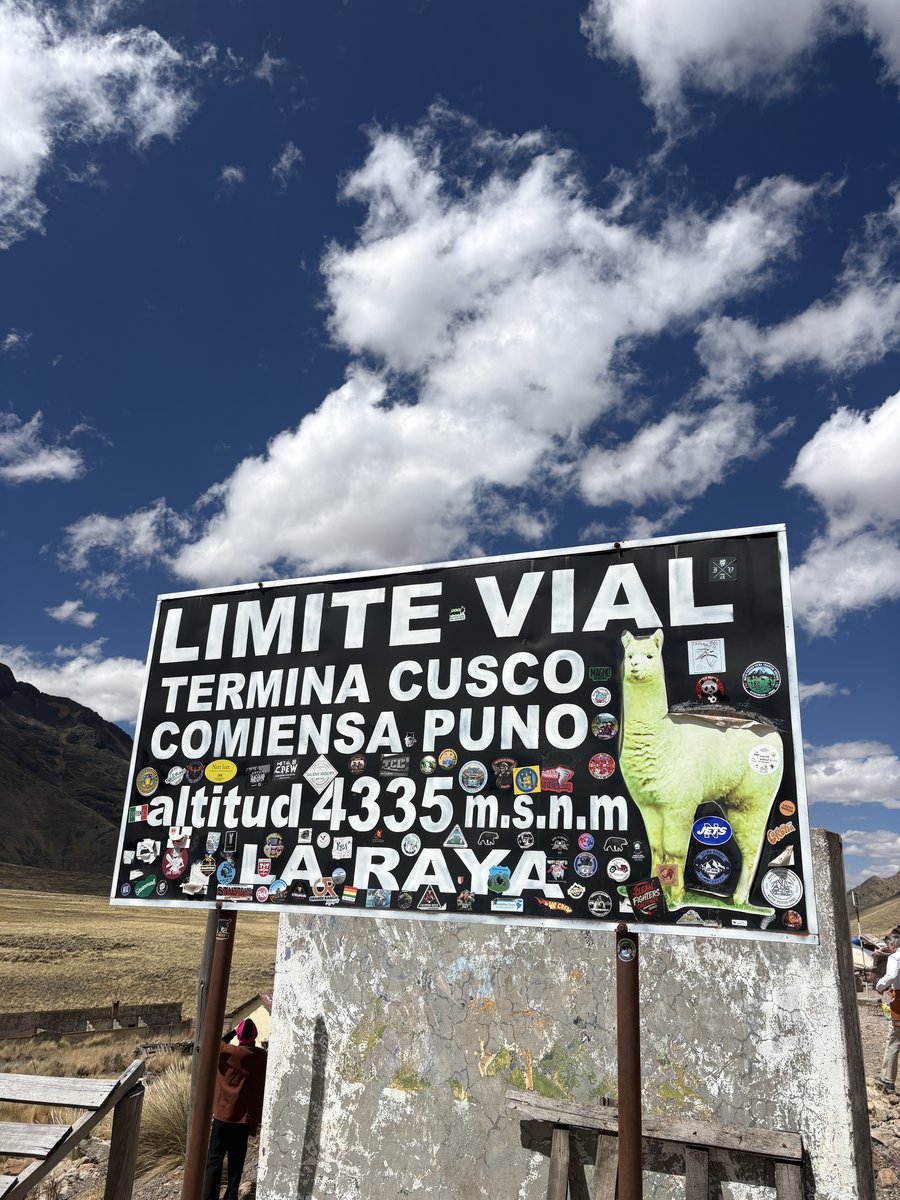
Another hour up the road came the highest point of the journey: the La Raya pass, 4,335 m. It marks the boundary between the Cusco and Puno regions, and the sign says exactly that — "TERMINA CUSCO / COMIENSA PUNO." Plastered in stickers, with a bright green llama statue beside it, it looks every bit the mountain rest stop.
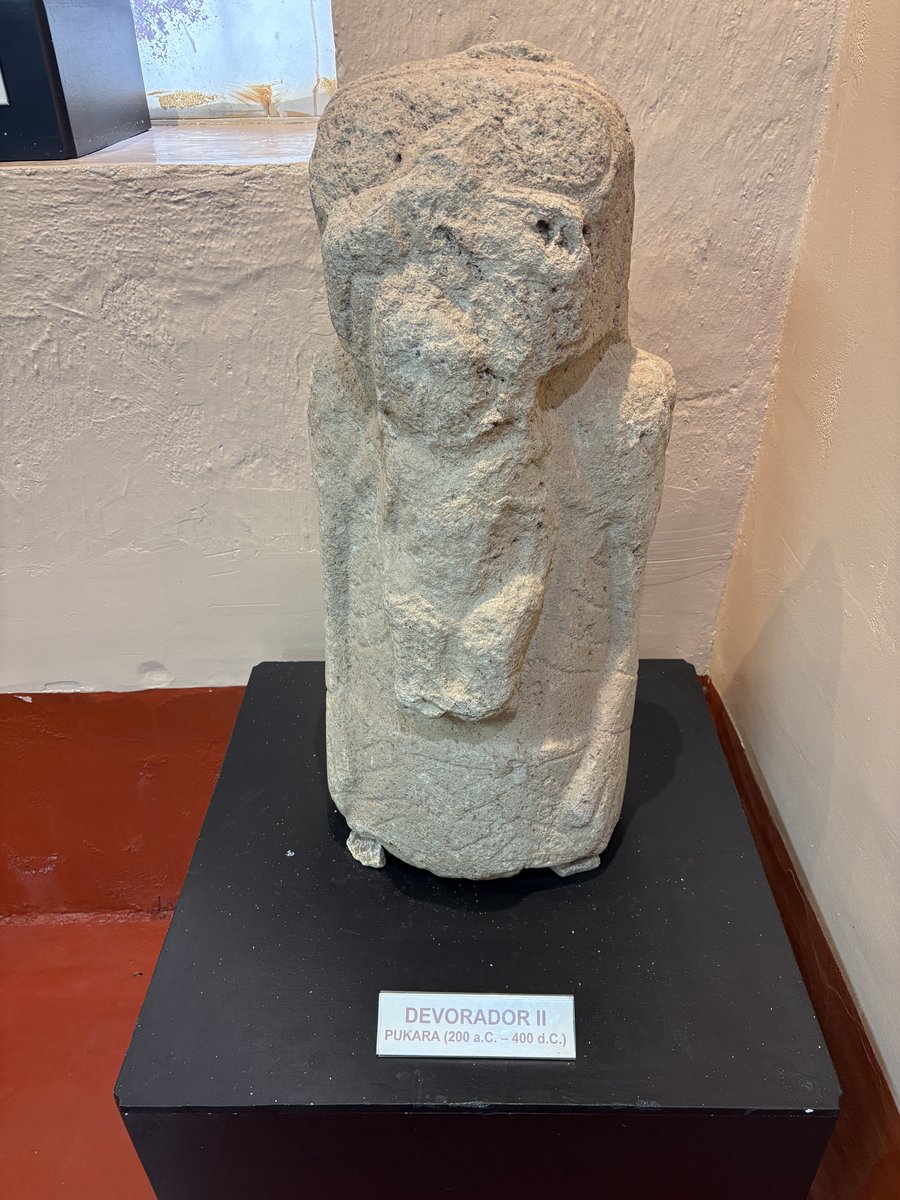
After lunch, the last stop was the lithic museum in Pucará.
Arriving in Puno
We reached Puno just after 6:30 pm. It sits at 3,800 m on the shore of Lake Titicaca.
Crossing into Bolivia
On 18 August I was at Puno's bus terminal by 6 am to catch the bus to Copacabana.
We followed the lake for about three hours and reached the Kasani border just after 9. The immigration buildings — Yunguyo on the Peruvian side, Kasani on the Bolivian — stand a few hundred metres apart, and you walk the gap on foot.
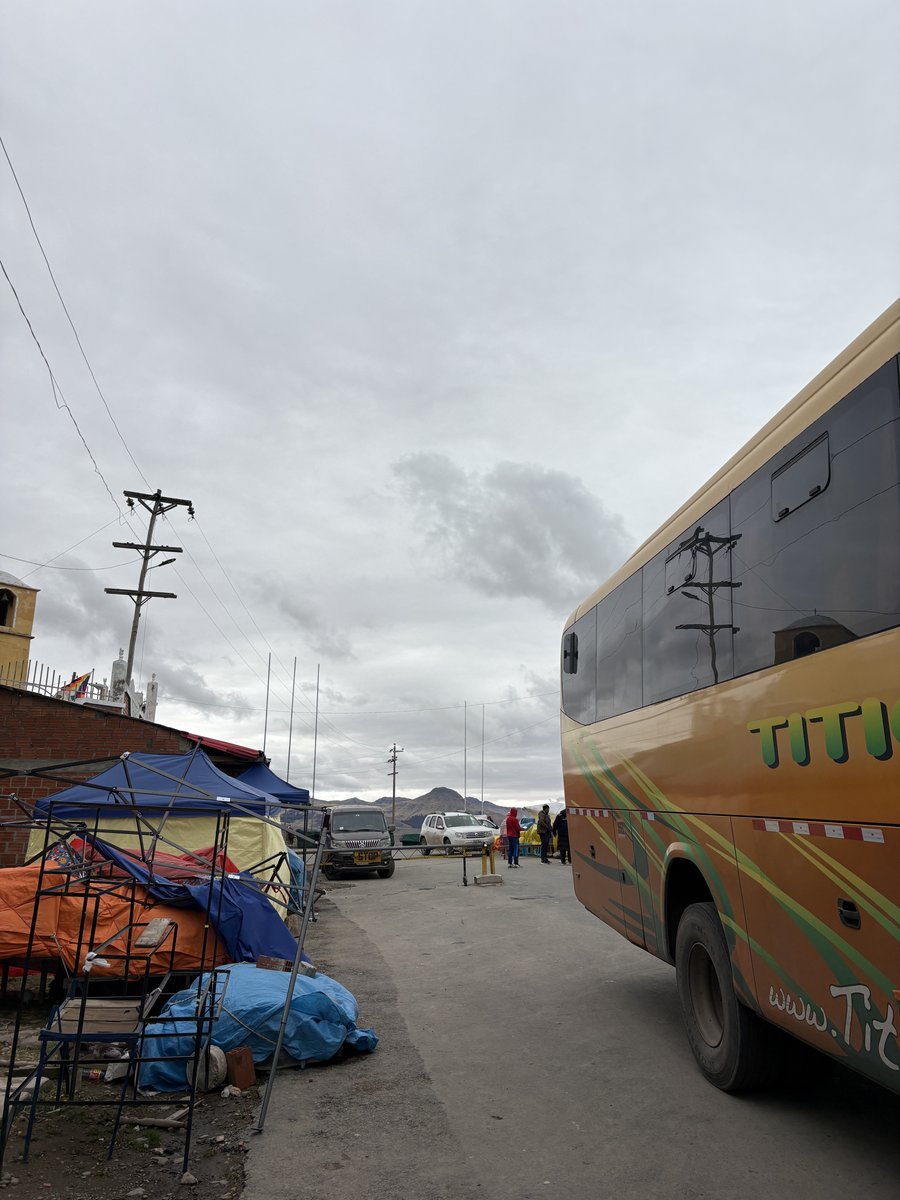
It was windy and cold at the border. The process was smoother than I expected, though — everyone on the bus was through in under an hour.
By a little after 10 I was in Copacabana.
Copacabana
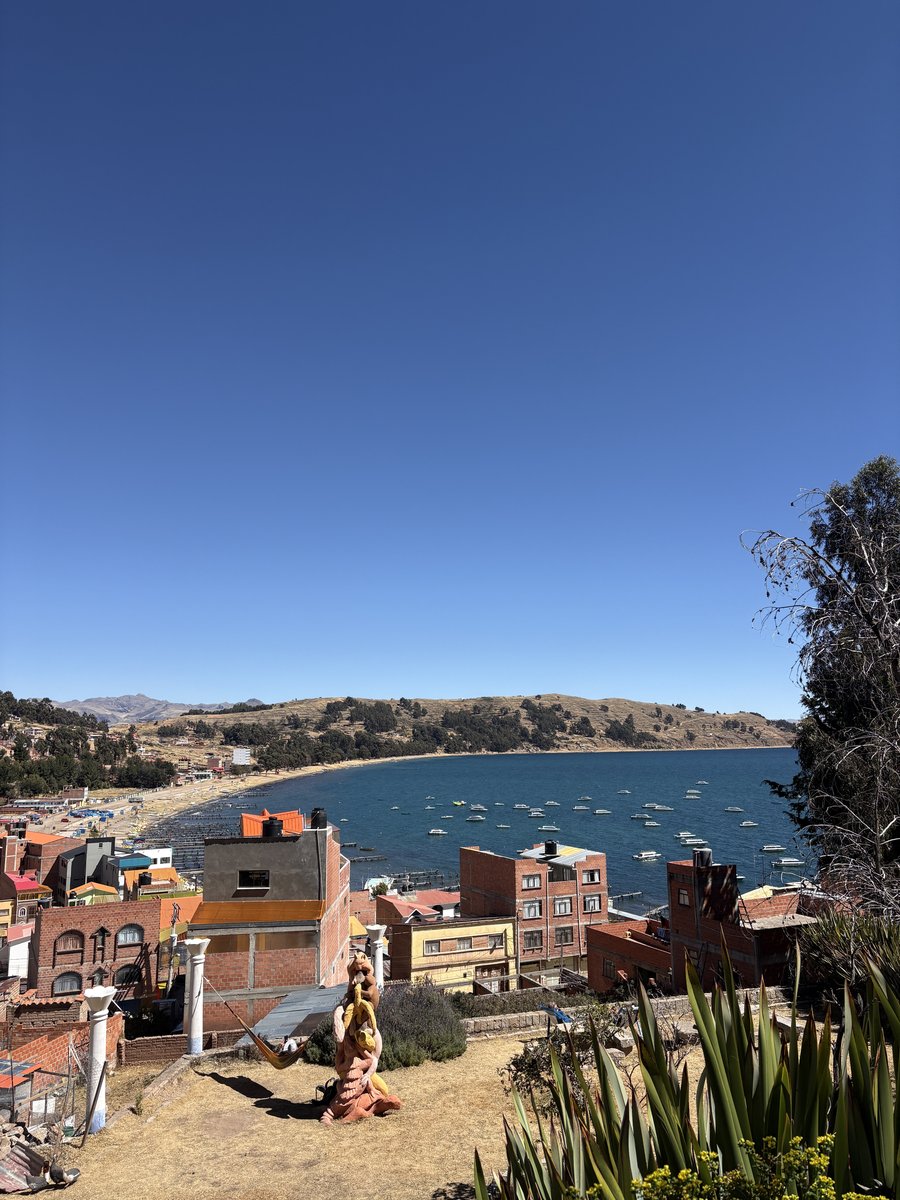
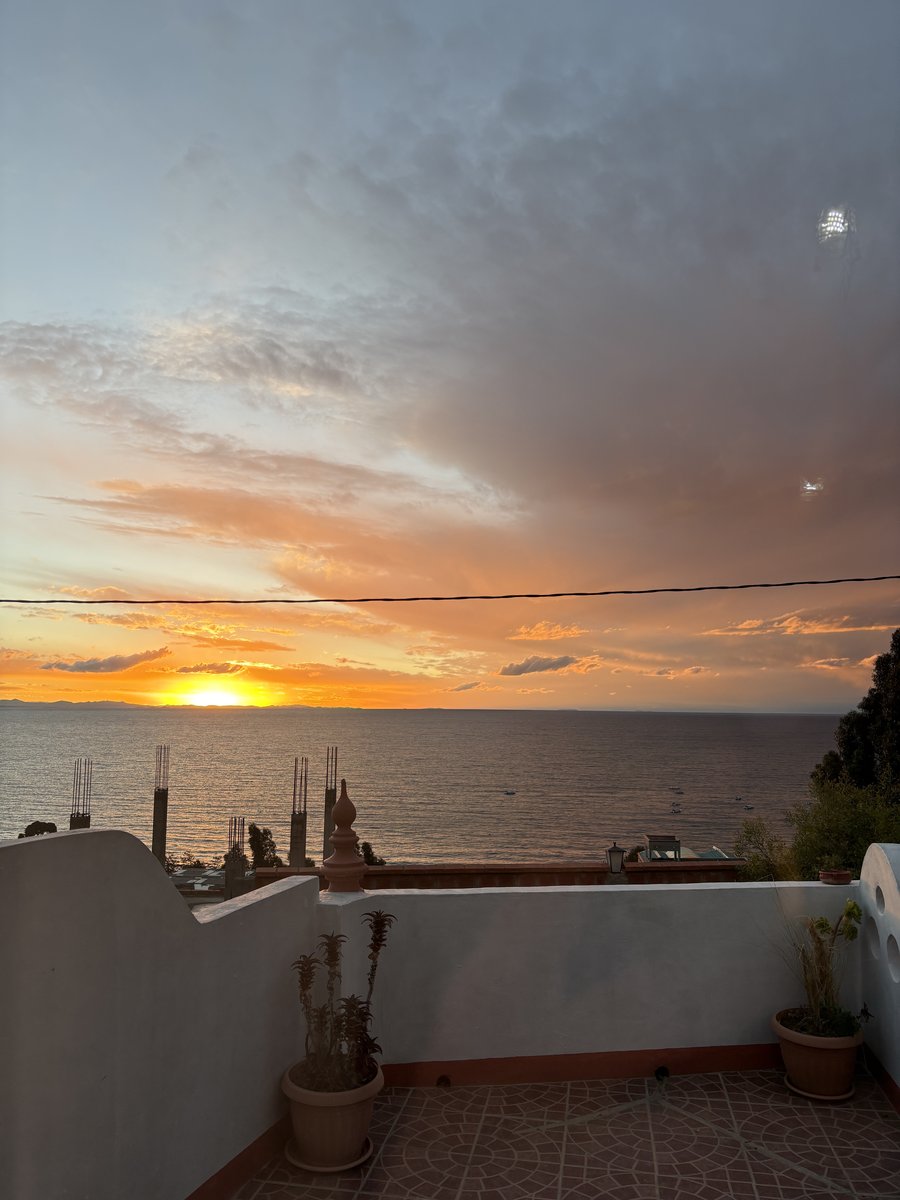
My guesthouse stood on a rise looking out over Lake Titicaca. In the evening I watched the sun go down over the water from the terrace. Water stretched all the way to the far shore — hard to believe this is a lake at 3,800 m.
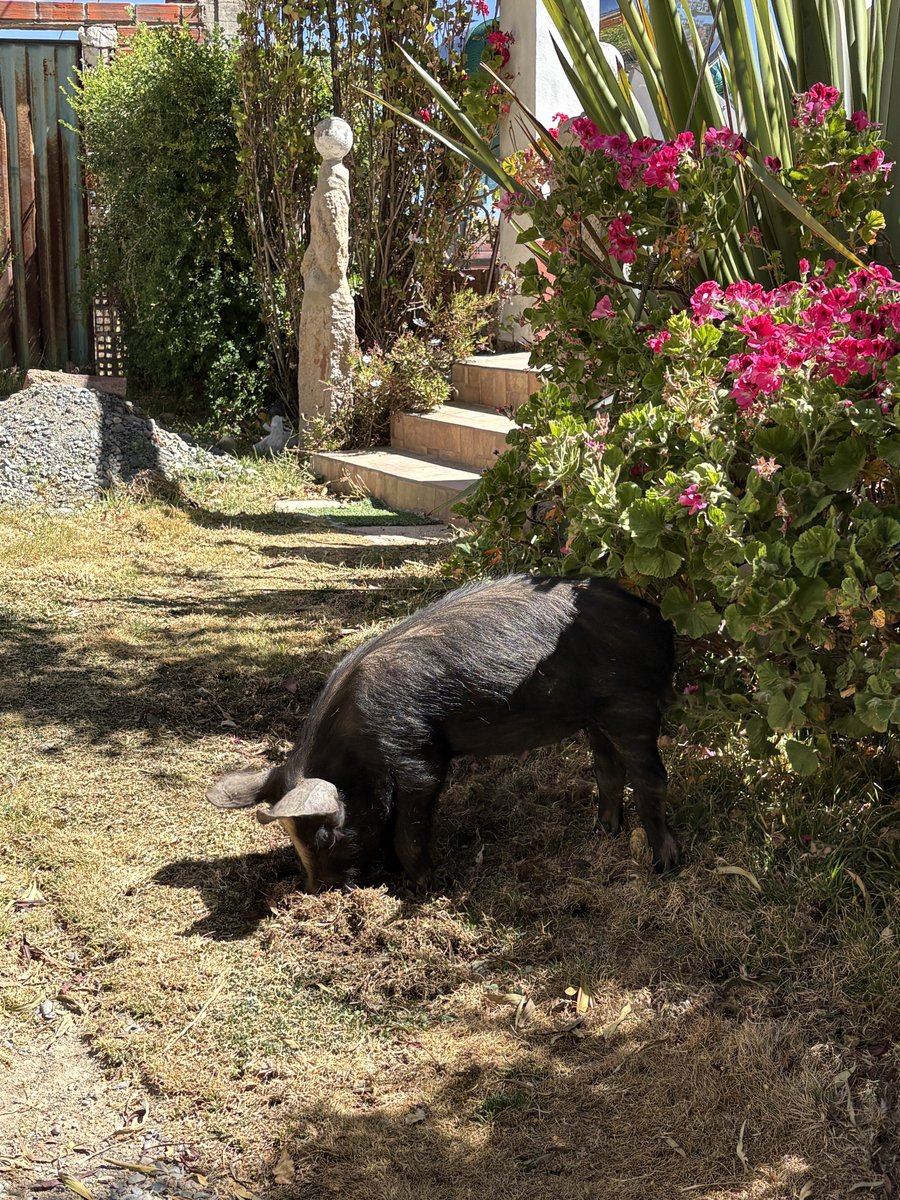
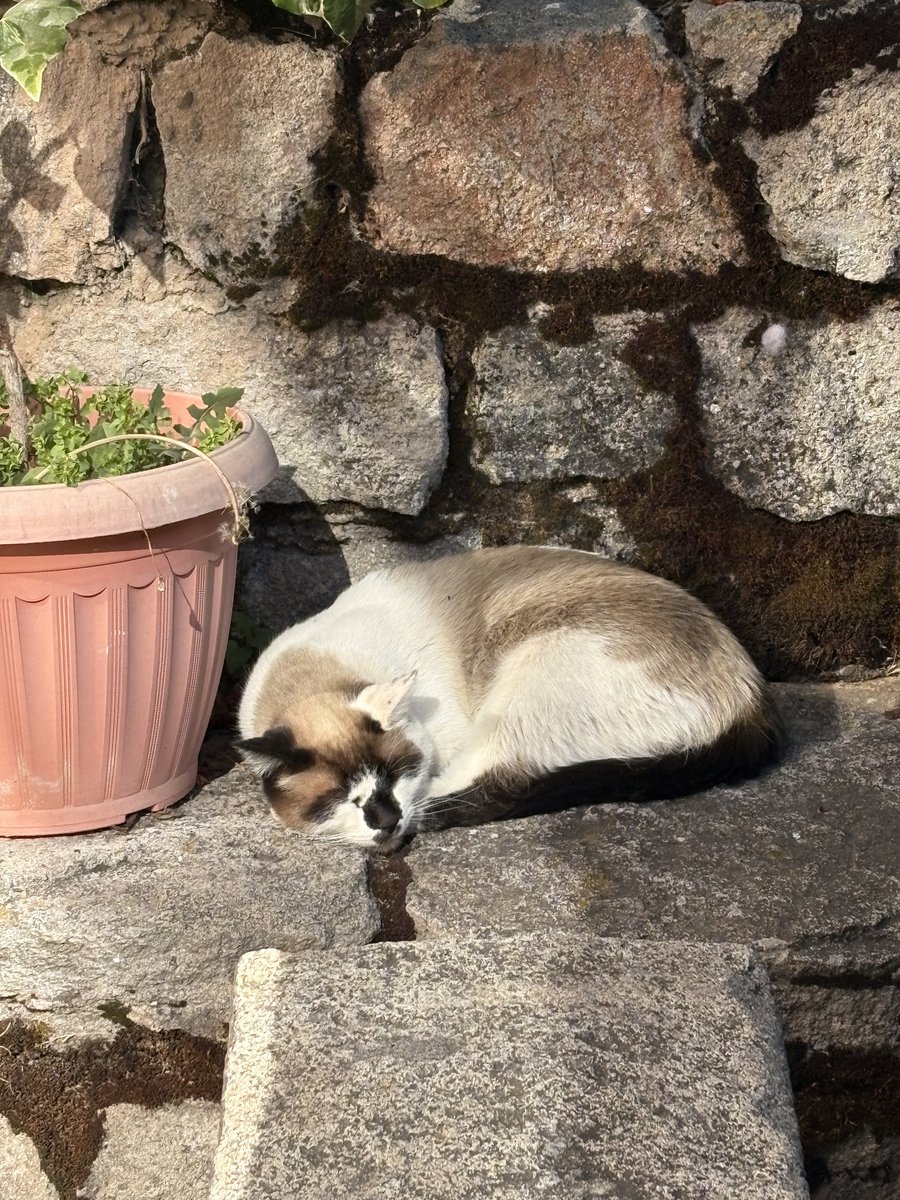
The next day I walked around town. A pig grazing loose halfway up a slope, a cat curled asleep on a stone wall — it is that kind of place.
I also climbed Cerro Calvario, the hill above the town.
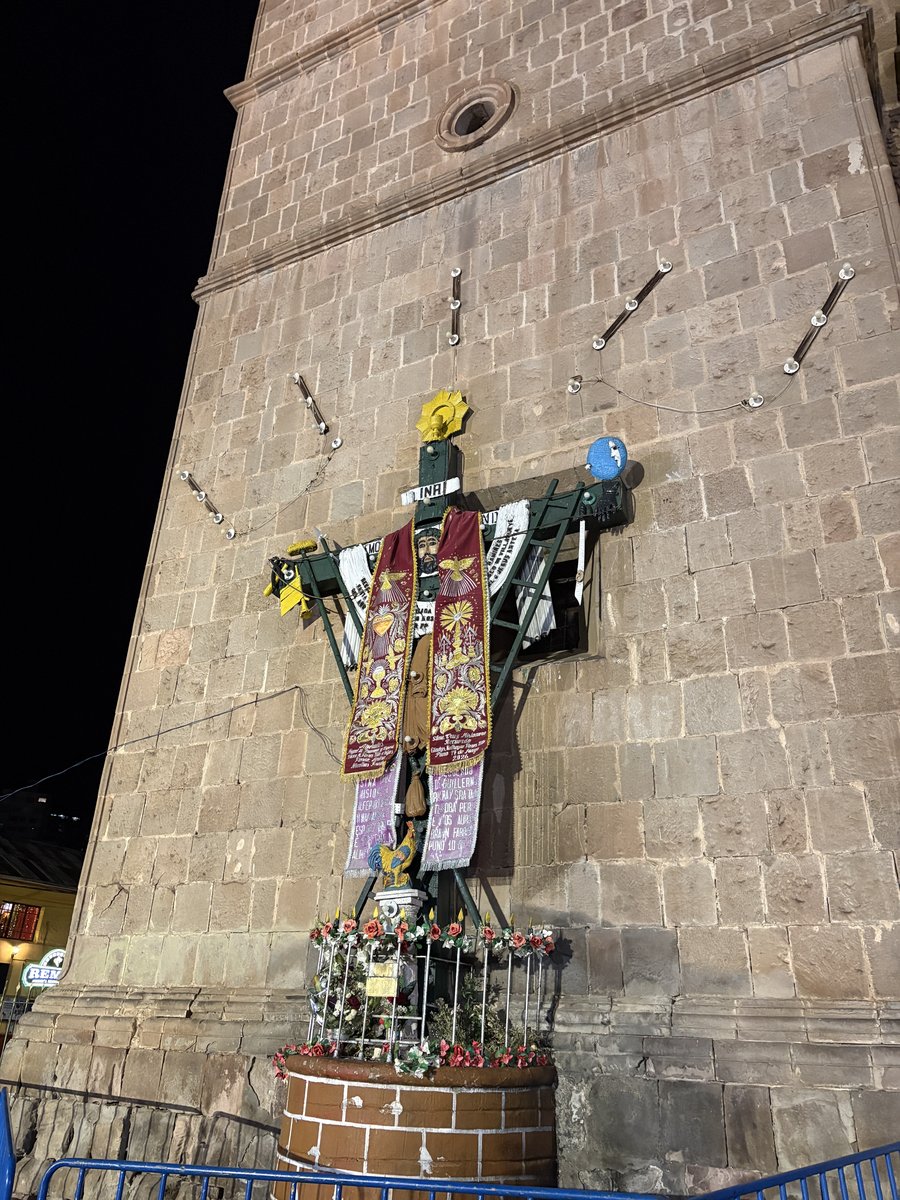
Back down, I went to the basilica in the centre.
The Basilica of Our Lady of Copacabana is a 17th-century shrine dedicated to Our Lady of Copacabana, the patron saint of Bolivia. It was completed in 1679.
Maybe it is the altitude, but the air up here was remarkably clear. Trout from Lake Titicaca is a local speciality, and it was delicious.
Comments
Loading...