Istanbul
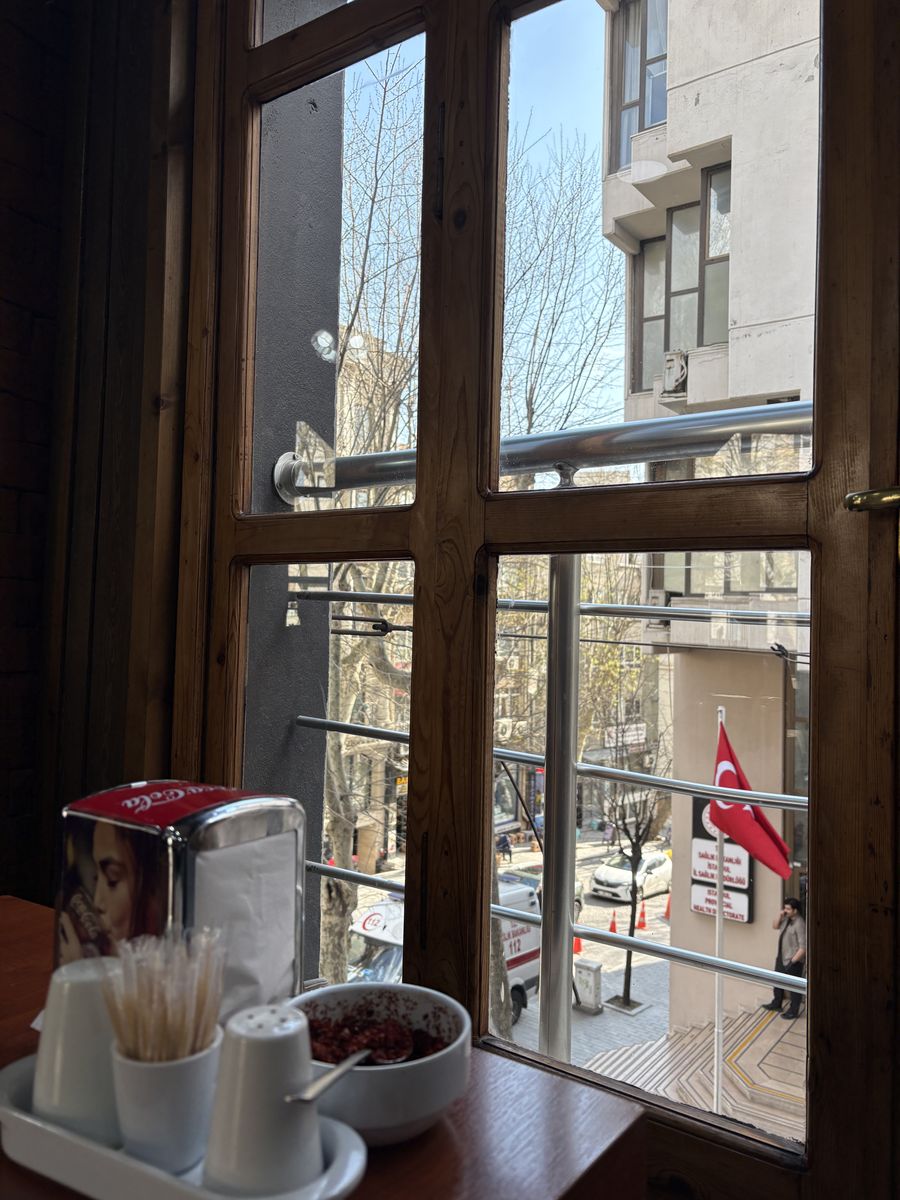
Istanbul
Beijing to Istanbul
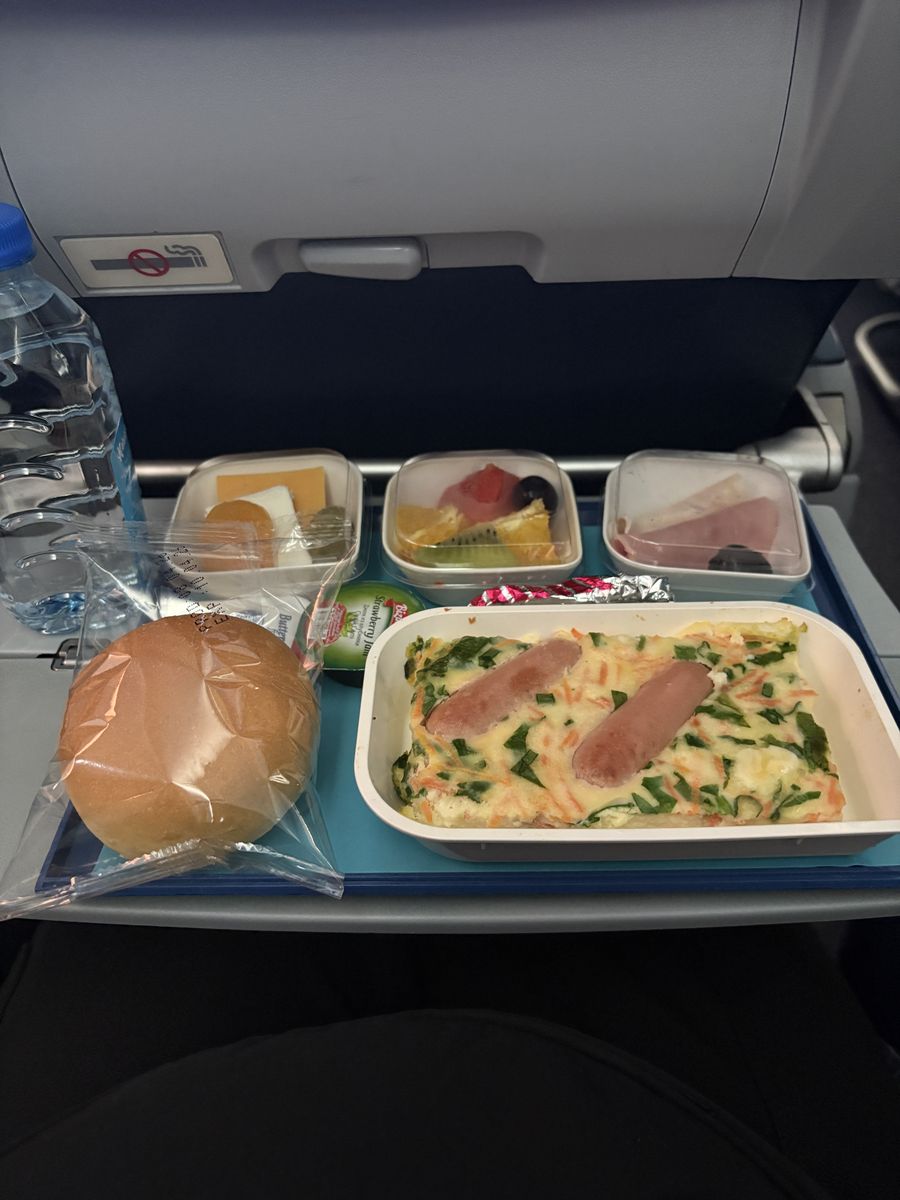
From Beijing to Istanbul, I used Azerbaijan Airlines and transferred in Baku, the capital city of Azerbaijan. Azerbaijan Airlines is the flag carrier of the country, and the flight was very comfortable even though it was a night flight. The transit was only 2 hours, so I couldn't go out to the city — I hope I can visit Azerbaijan next time.
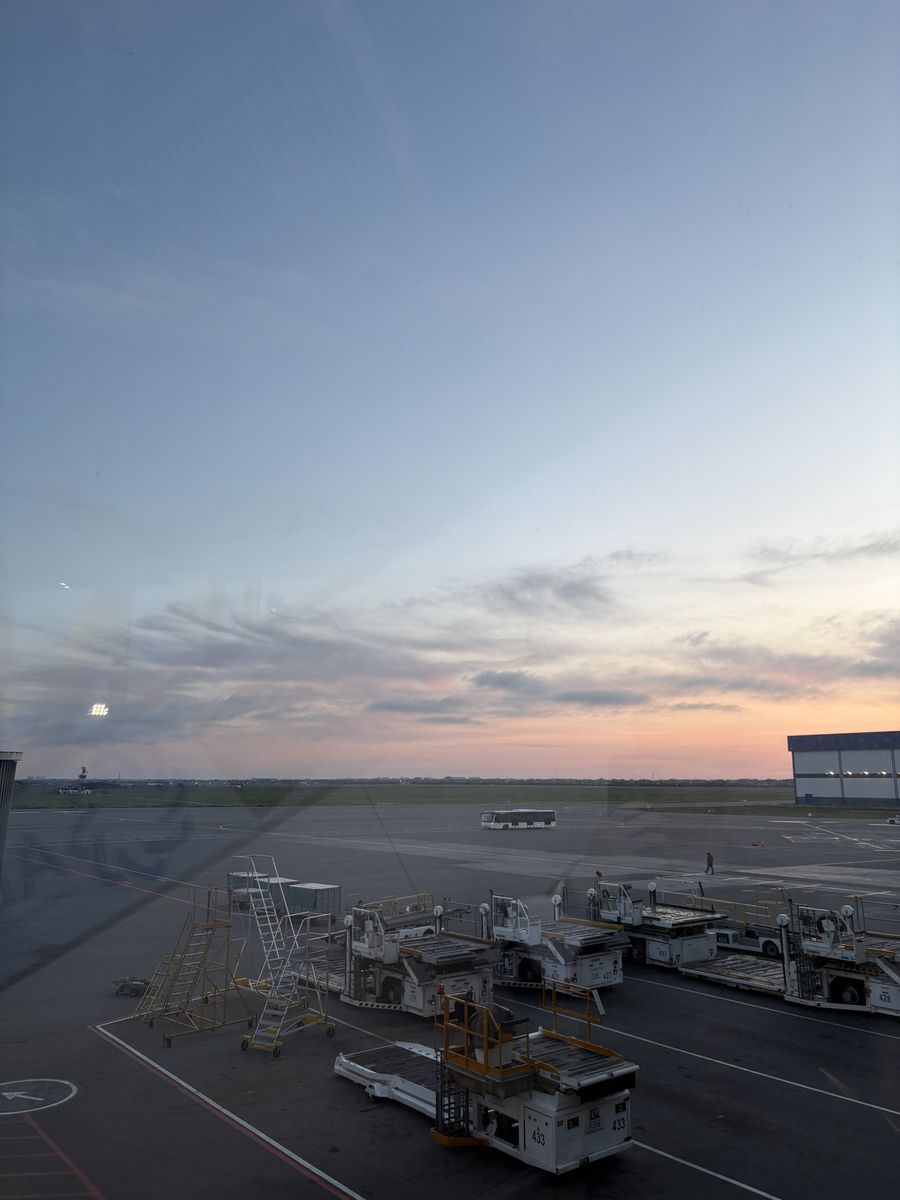
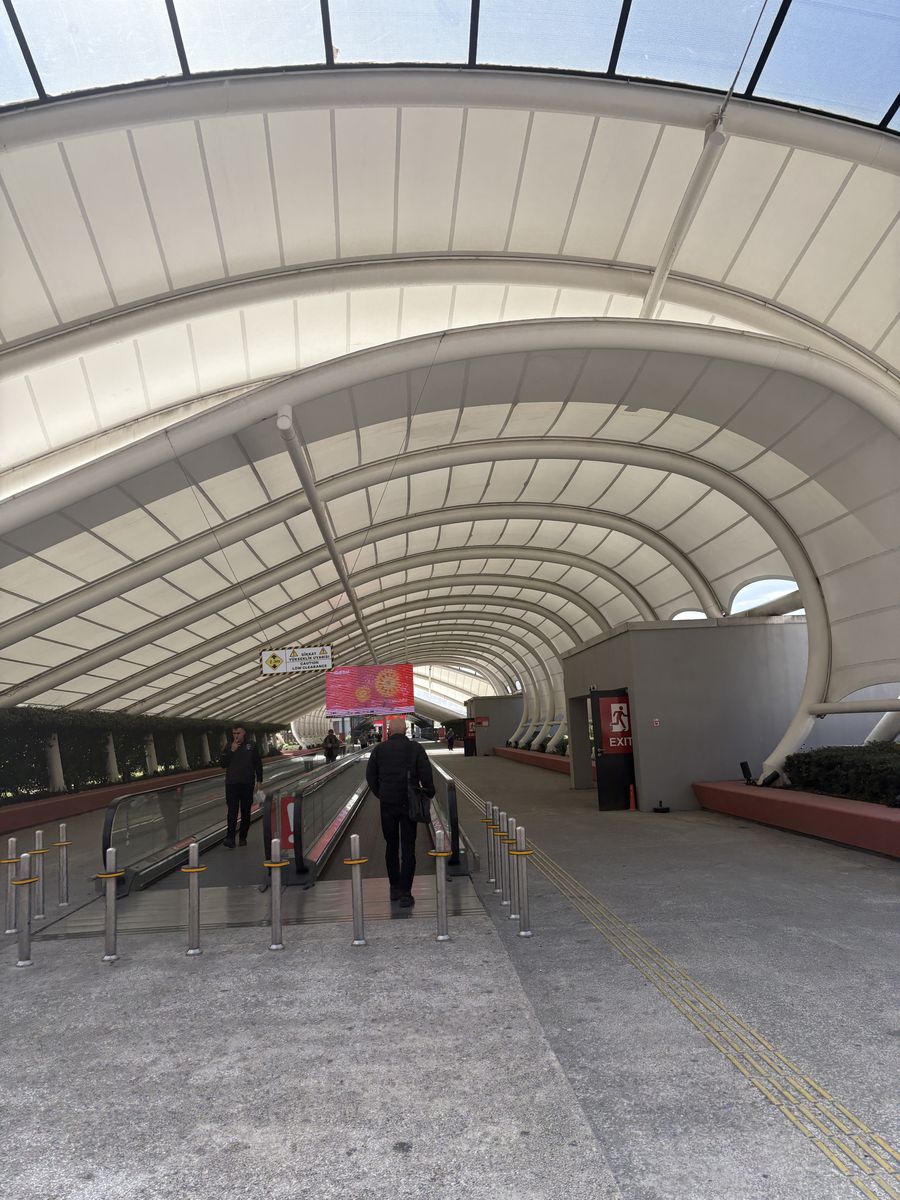
Istanbul Airport is very modern and I passed the gate in just 15 minutes. I slept only a few hours on the plane, so I stayed one night near the airport to rest — it takes around 2 hours from the airport to downtown.
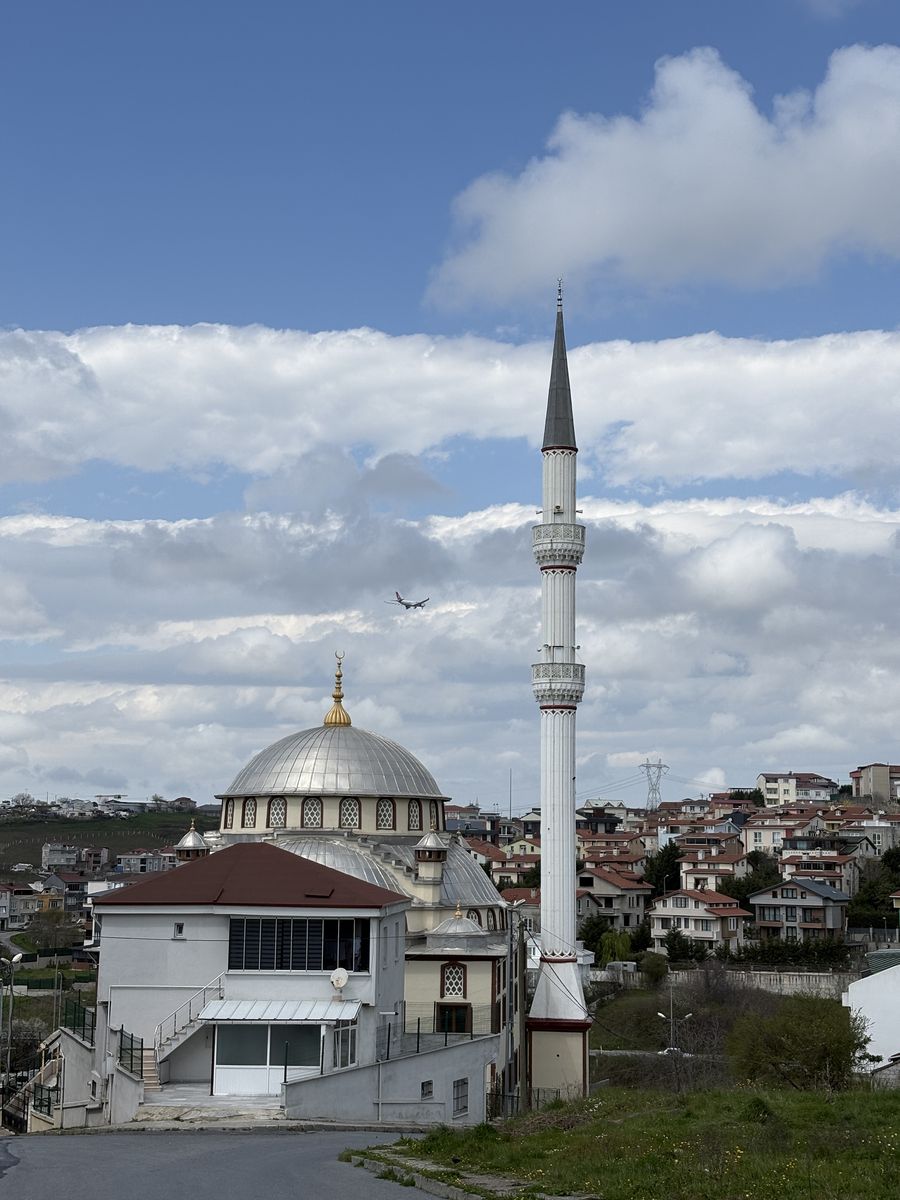
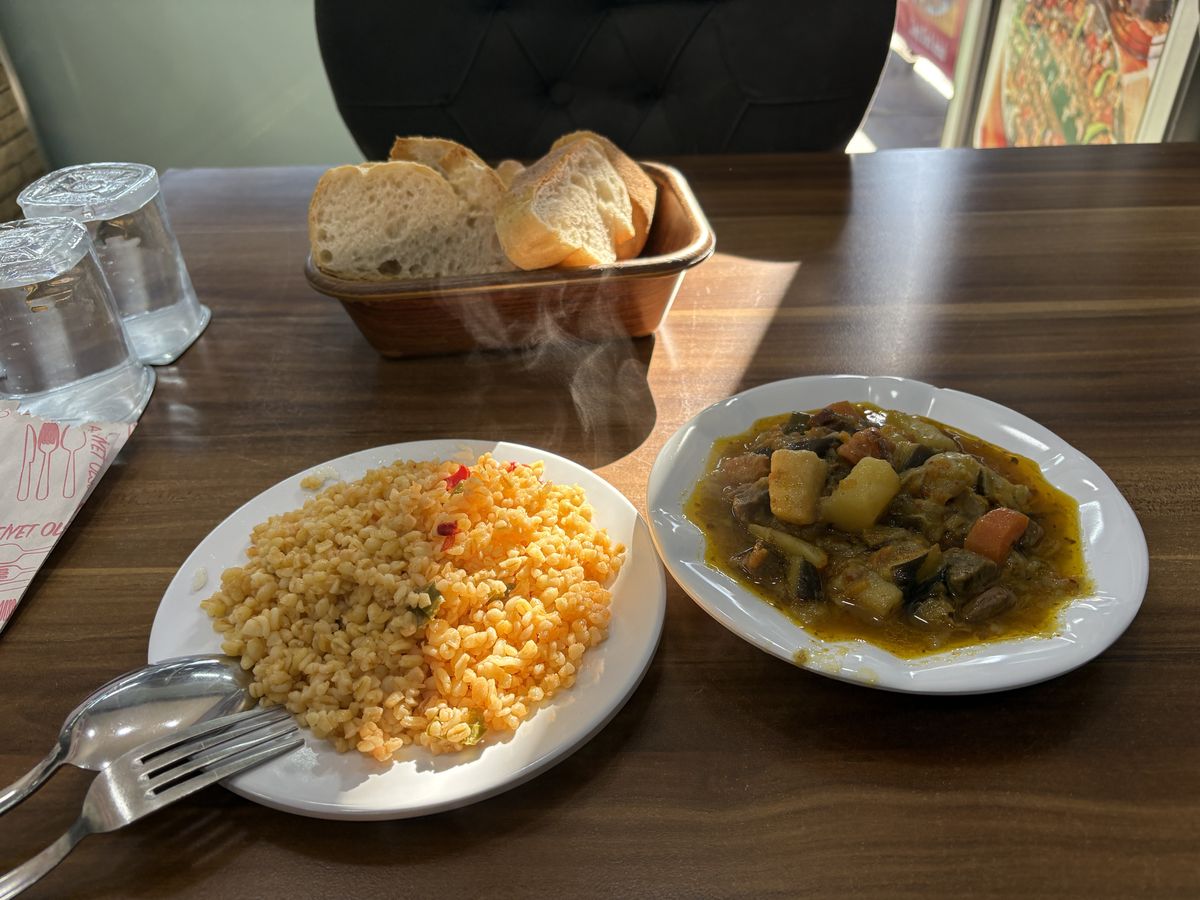
Istanbul was the very important city in thousands of years
Everyone knows Istanbul, but it is actually not the capital city. Ankara is the capital of Turkey, but most people don't know this fact. So why is Istanbul so famous? Because Istanbul had been the capital of this region for a long time — especially during the Eastern Roman Empire and the Ottoman Empire, which were well known and greatly prospered.
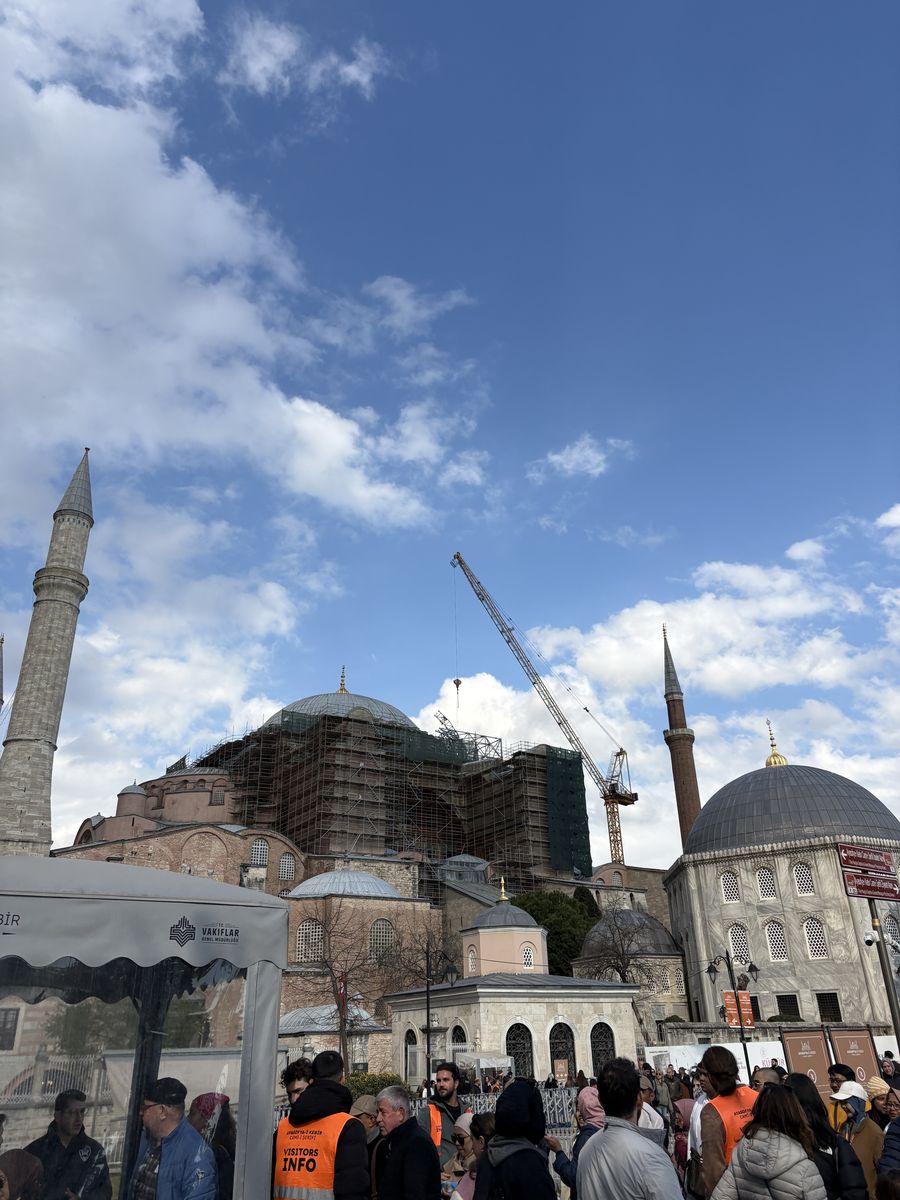
Hagia Sophia is one of the most famous mosques in Istanbul. I didn't go inside, but it has nearly 2,000 years of history and I highly recommend visiting if you have the budget. It costs around 40 USD.
Hagia Sophia is one of Istanbul's most iconic landmarks. Originally built as a Christian cathedral in 537 AD, it was the world's largest cathedral for nearly a thousand years. After the Ottoman conquest in 1453, it was converted into a mosque, and minarets and Islamic calligraphy were added alongside the original Byzantine mosaics. It served as a museum from 1934 to 2020, and is now a mosque again. What makes it special is the blend of Christian and Islamic art in one building — Byzantine mosaics next to giant Arabic calligraphy. It truly represents Istanbul's identity as a bridge between East and West.
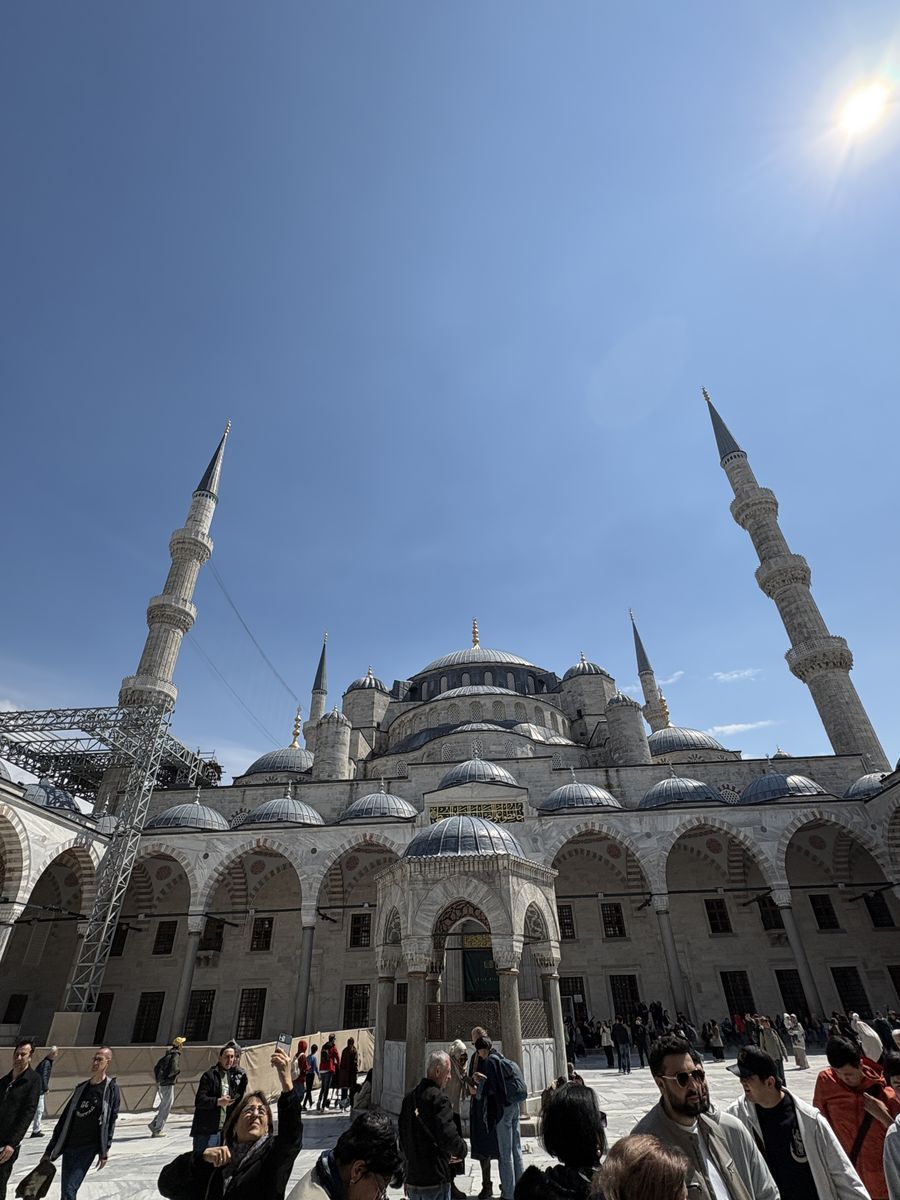
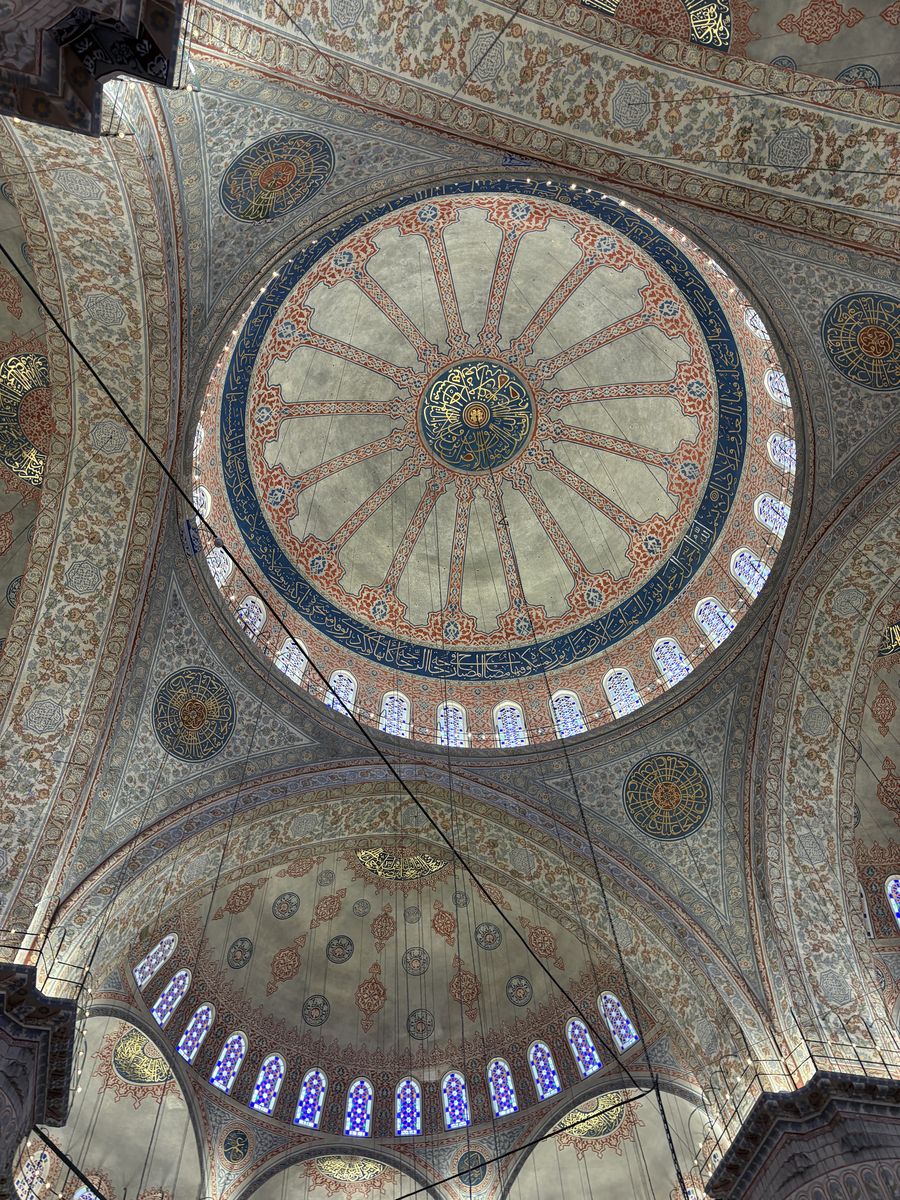
However, the Blue Mosque is also famous and located just a few minutes from Hagia Sophia. It's free of charge and you can go inside if you avoid prayer times. The inside was absolutely amazing.
The Blue Mosque (Sultan Ahmed Mosque) sits right across from Hagia Sophia and was built in 1616 to rival it. It's called the "Blue Mosque" because of the more than 20,000 blue Iznik tiles decorating the interior. It's one of the few mosques in the world with six minarets, which caused controversy at the time because only the mosque in Mecca had that many. The interior is spacious and beautifully lit by over 200 stained glass windows. Unlike Hagia Sophia, it has always been a mosque and is still actively used for daily prayers, so visitors need to time their visit between prayer times.
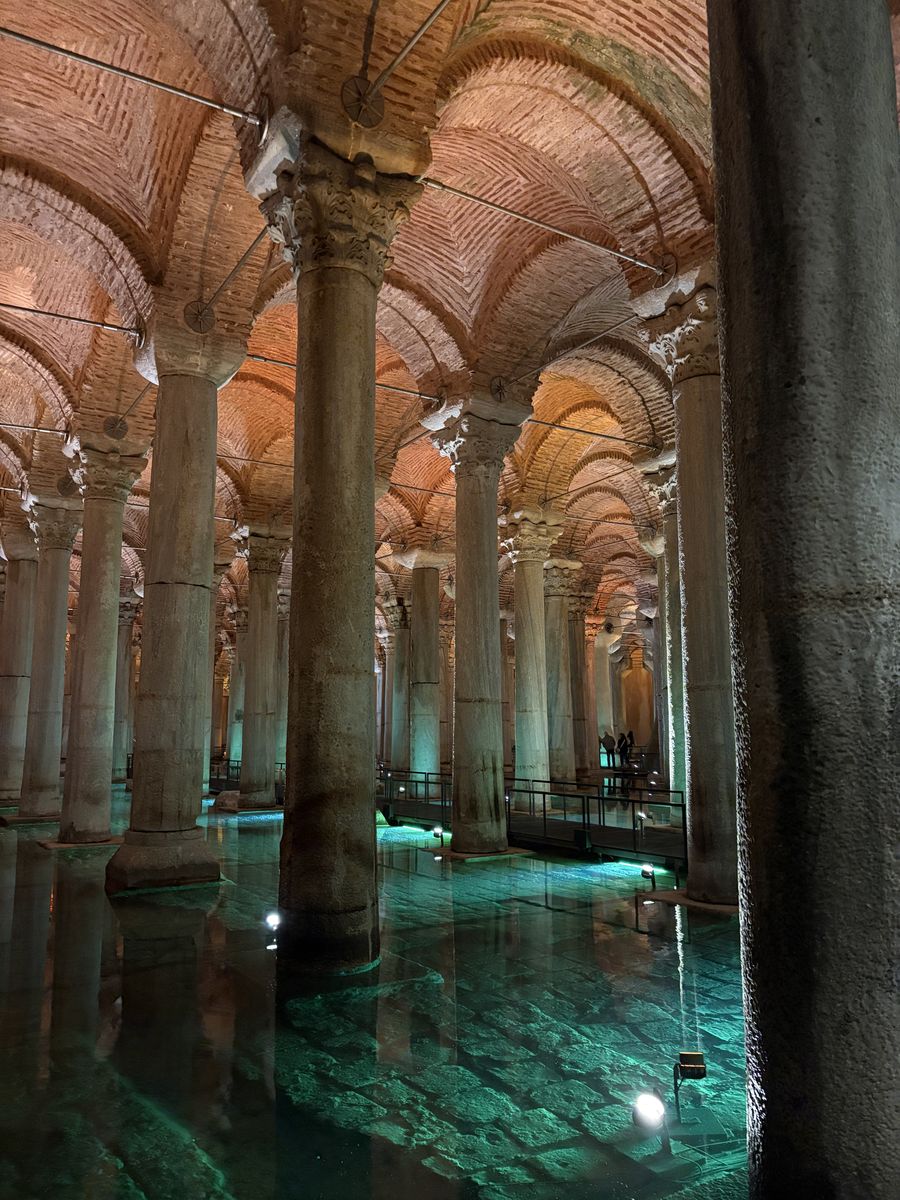
I also went to the Basilica Cistern (イスタンブール地下宮殿). It was also built nearly 2,000 years ago and is still preserved in good condition. It was used for storing water, and I couldn't imagine such a huge and sophisticated structure being created in such an ancient era — it proves how much technology and resources the empire had at that time.
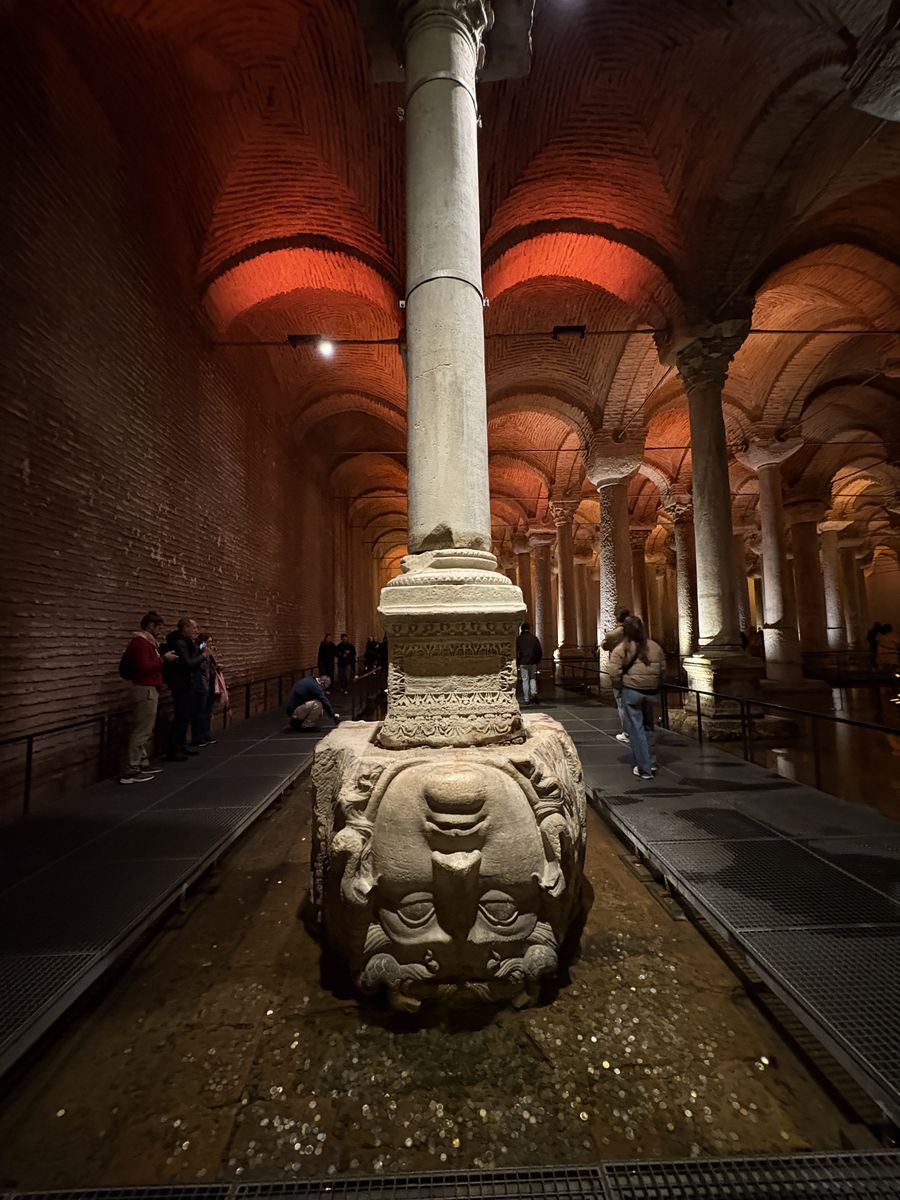
The Basilica Cistern is an ancient underground water reservoir built in 532 AD under Emperor Justinian I — the same emperor who built Hagia Sophia. Located just steps from Hagia Sophia, it was built to store water for the Great Palace and surrounding buildings. The cistern is supported by 336 marble columns arranged in 12 rows, many of which were recycled from ruined Roman temples. The dim lighting and water reflections create a mysterious, almost eerie atmosphere. The most famous feature is two Medusa head sculptures used as column bases — one placed sideways and one upside down. Why they were placed this way remains a mystery to this day.
Food and People in Istanbul
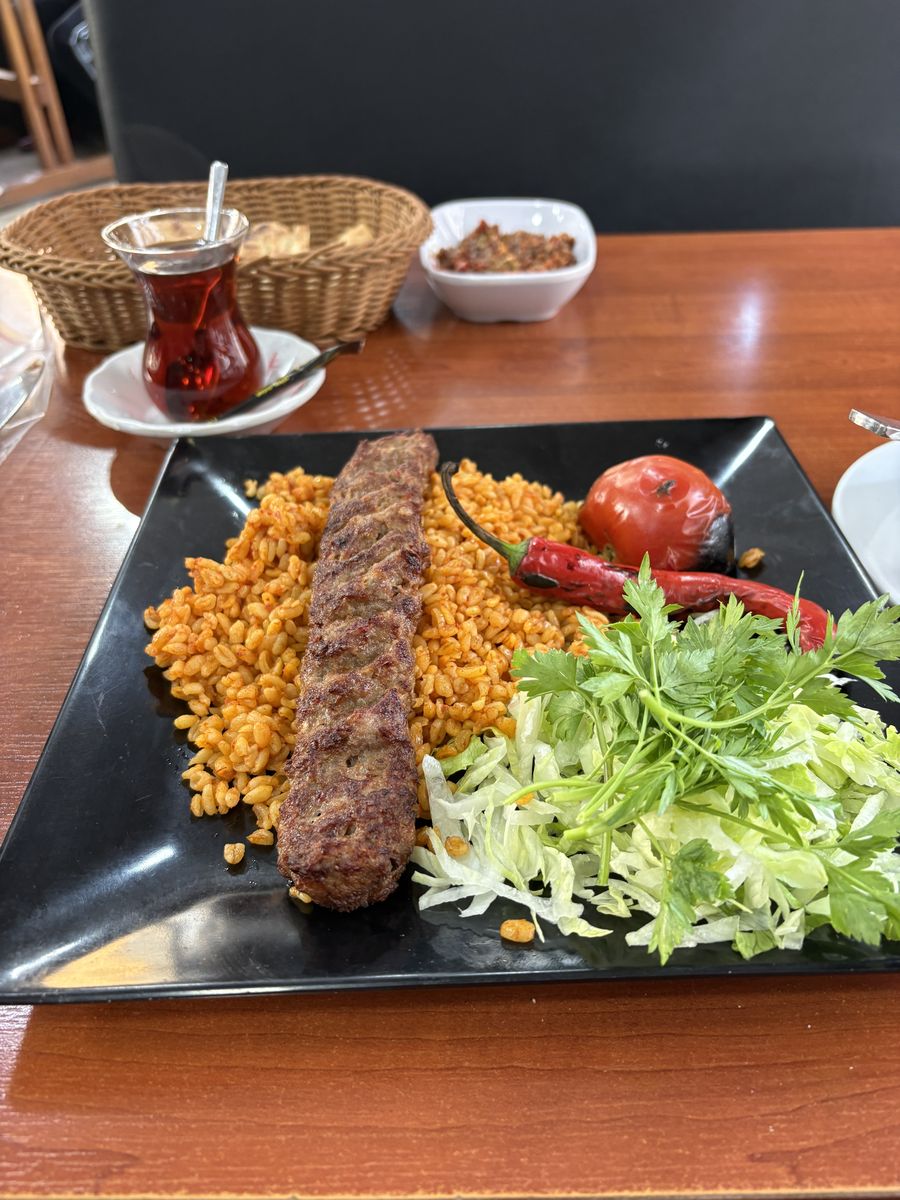
First, I was surprised that the cost of living in Istanbul is much higher than I expected. I found out Turkey has been facing severe inflation over the past several years, and it felt 2 or 3 times more expensive than Japan. However, the food in Turkey is unique and has both European and Asian aspects. Especially kebab and pilav are my favorites, and I tried many restaurants.
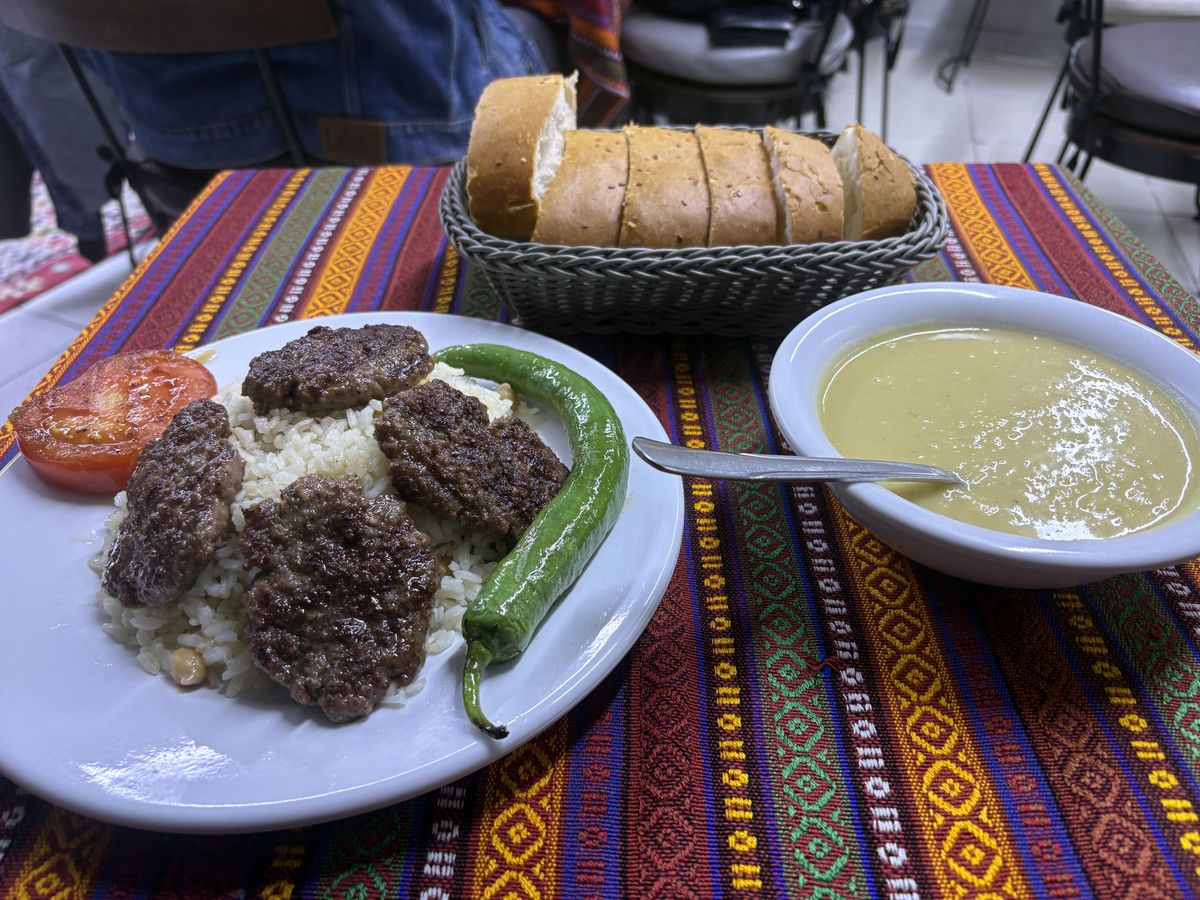
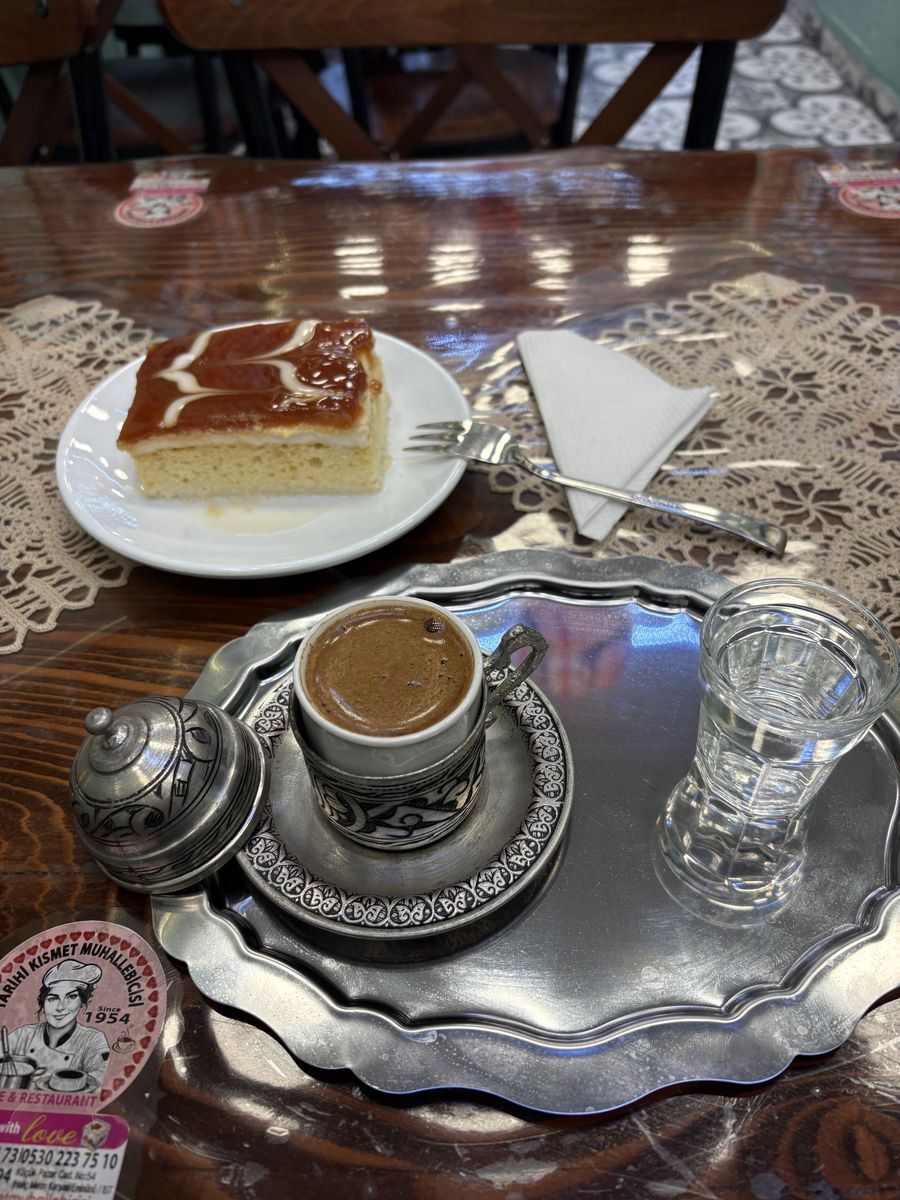
Also, I couldn't miss Turkish coffee as a coffee lover. As far as I know, they make coffee using hot sand, and the taste was a little strong but good.
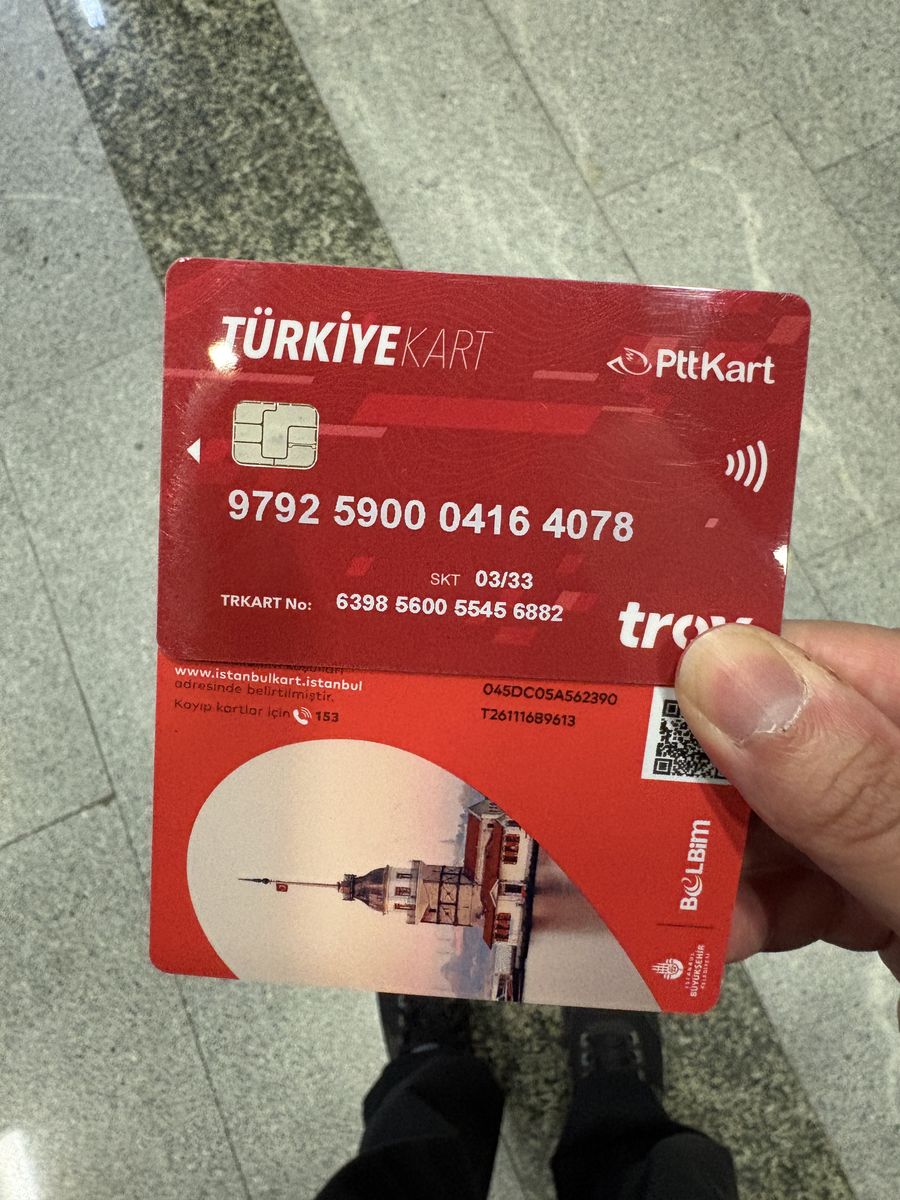
As for the people, everyone in Turkey was so friendly, but I felt they were polarized — super friendly and nice people, and super friendly scammers. I actually got scammed at a station, which was the first time on this trip. It wasn't a big amount, but the guy looked like a gentleman and pretended to help me buy a metro card — but he topped up his own card using my money. It was like magic lol. I later heard from the hostel staff that most people who approach you in Japanese are scammers. However, I also met so many nice people who really supported my travels.
Overall, I had such a rich experience in Istanbul despite the trouble. I skipped Cappadocia this time, so I should definitely come back to this country again!
Comments
Loading...