Athens
Athens
Tbilisi to Athens
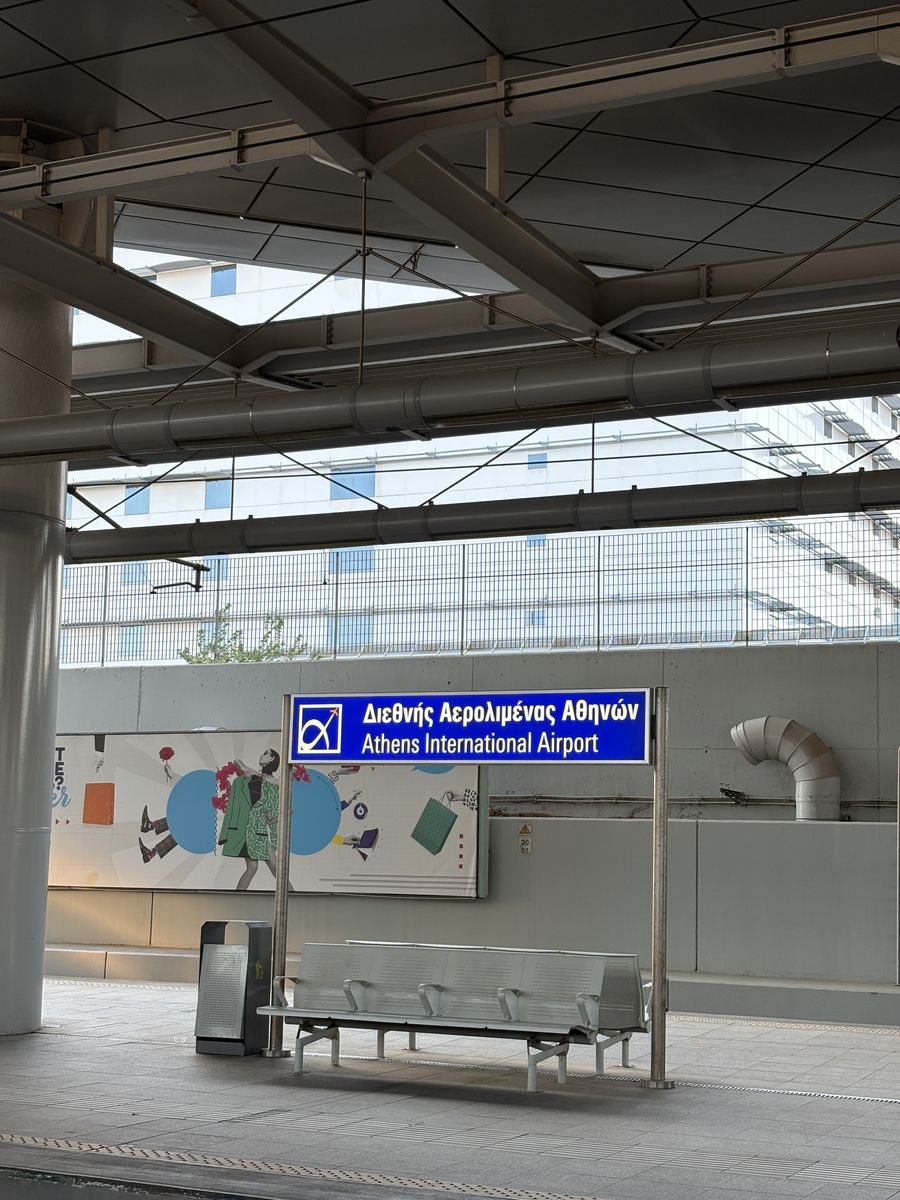
After leaving Georgia, my Europe trip finally started. The first country I visited was Greece, located on the edge of the Balkan Peninsula. I stayed in Athens for 2 days, and my main goal here was visiting ancient ruins. I arrived in Athens very early in the morning and spent a few hours outside. There is a train from the airport to the city center, and the price was 9€ — I really felt I'd arrived in Europe after seeing the price lol. They accept Apple Pay and credit cards, so payment was very smooth.
Downtown in Athens
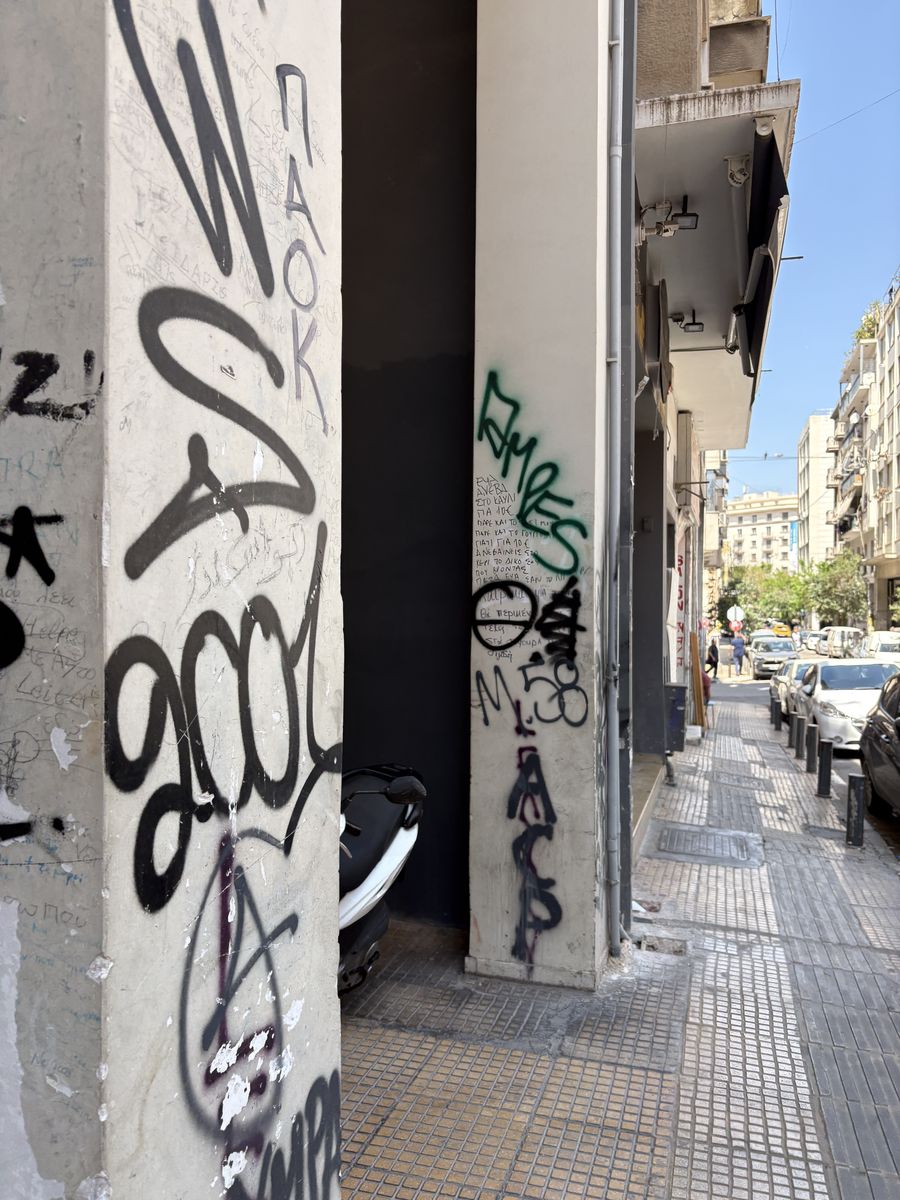
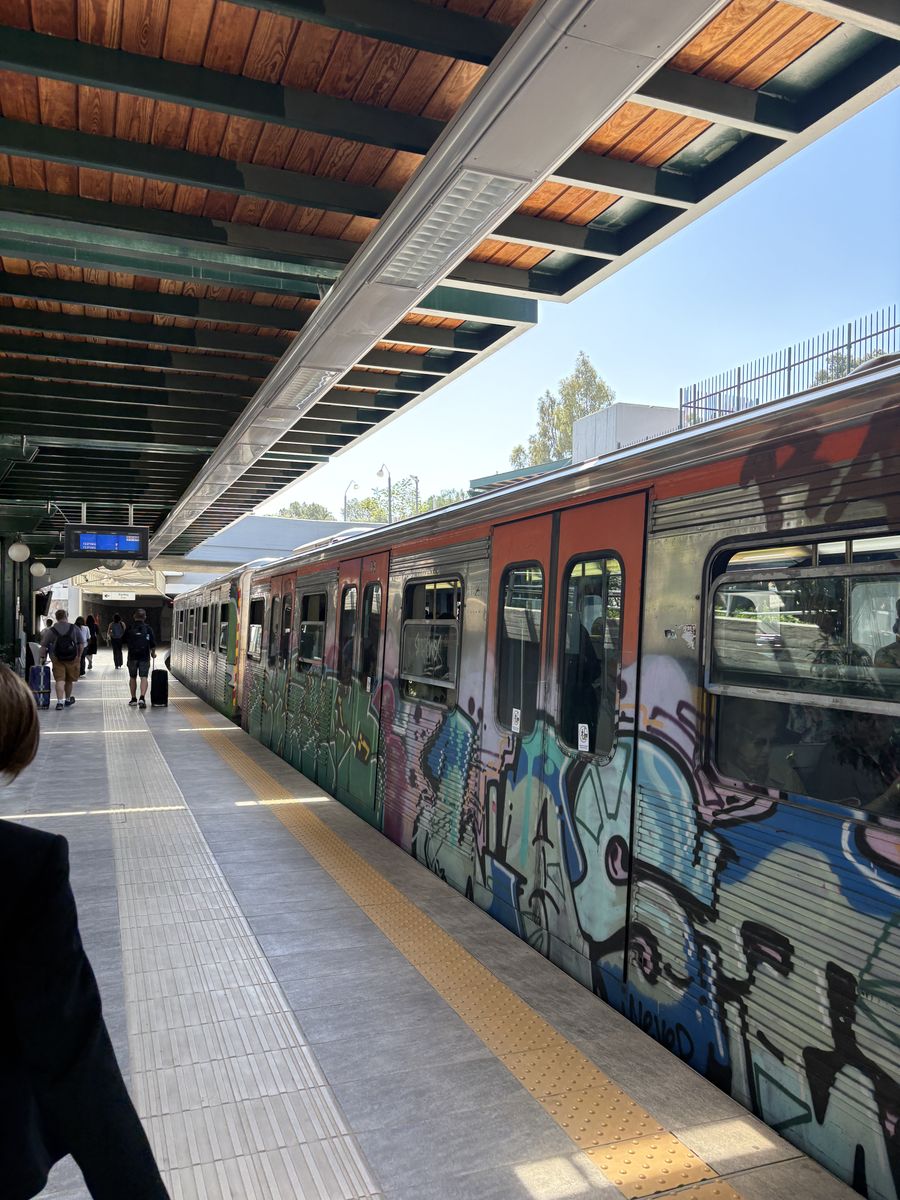
To be honest, my impression of the city was not great. Greece had an economic crisis around 15 years ago, and I could still see the scars. The number of homeless people was the highest among any country I've visited. There was also a lot of graffiti in the city — even the trains were covered with paint, and I wondered why the police don't crack down on it. Moreover, the area I stayed in this time was one of the most dangerous zones in Athens, and I saw drug addicts on the streets. It was the first time on this trip I avoided walking outside at night for safety reasons!
However, my hostel and the local restaurants around it were very nice, and I enjoyed my stay.
Greece Ancient Ruins
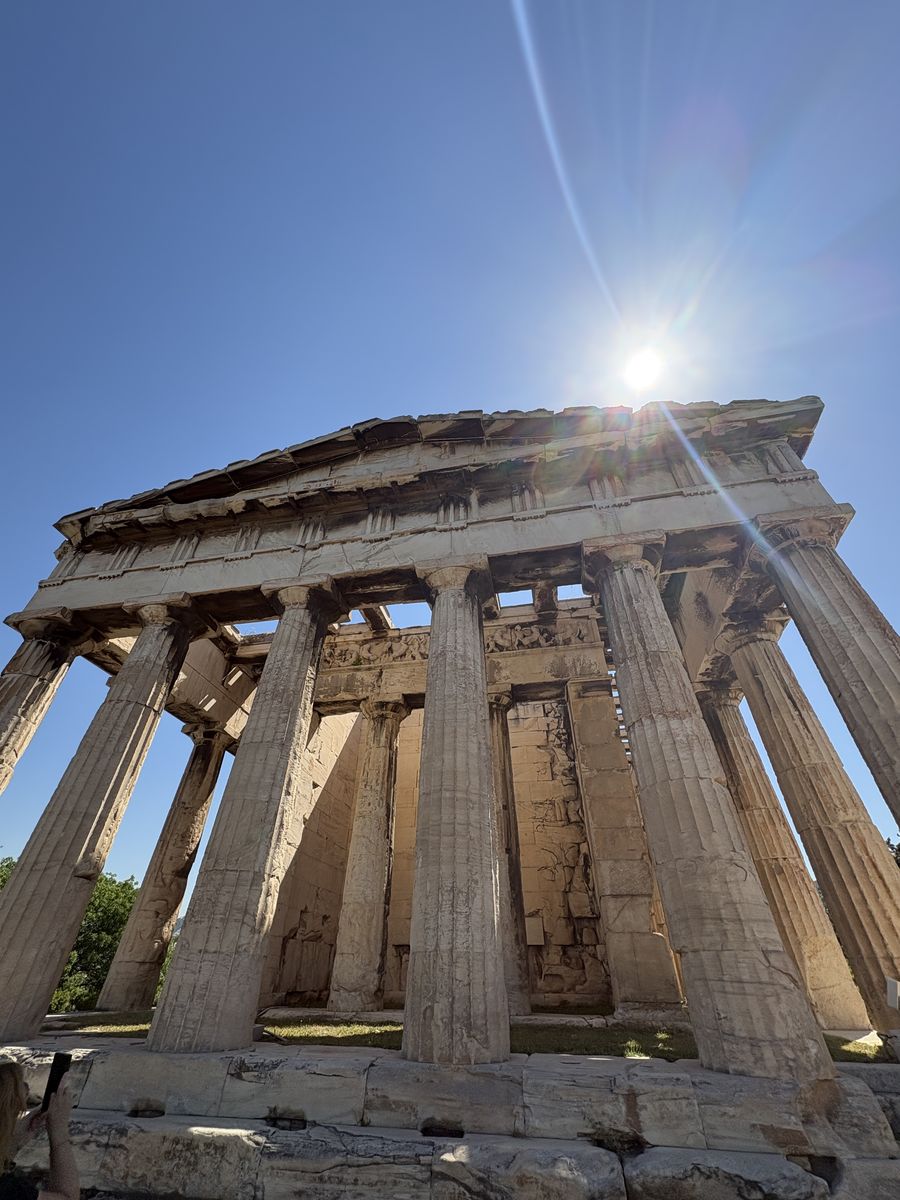
What brought me to this country was to see the ancient ruins in Athens. Greece is known as the cradle of Western civilization. It flourished especially during the 4th–5th century BC, and many Greek temples were built during this era. I visited two places this time. The first was the Ancient Agora. There is a big temple on the hill and it was super beautiful — I was surprised that most of the columns are original... I felt like I was seeing 2,500 years of history right in front of me.
The Ancient Agora was the heart of public life in ancient Athens, located at the foot of the Acropolis. The word "agora" means "gathering place," and it served as the political, commercial, and social center of the city. This was where citizens gathered to trade, discuss politics, and exchange ideas. Famous philosophers like Socrates and Plato walked these grounds, and it's also considered the birthplace of democracy. Highlights include the well-preserved Temple of Hephaestus and the reconstructed Stoa of Attalos, now a museum showcasing daily life in ancient Athens.
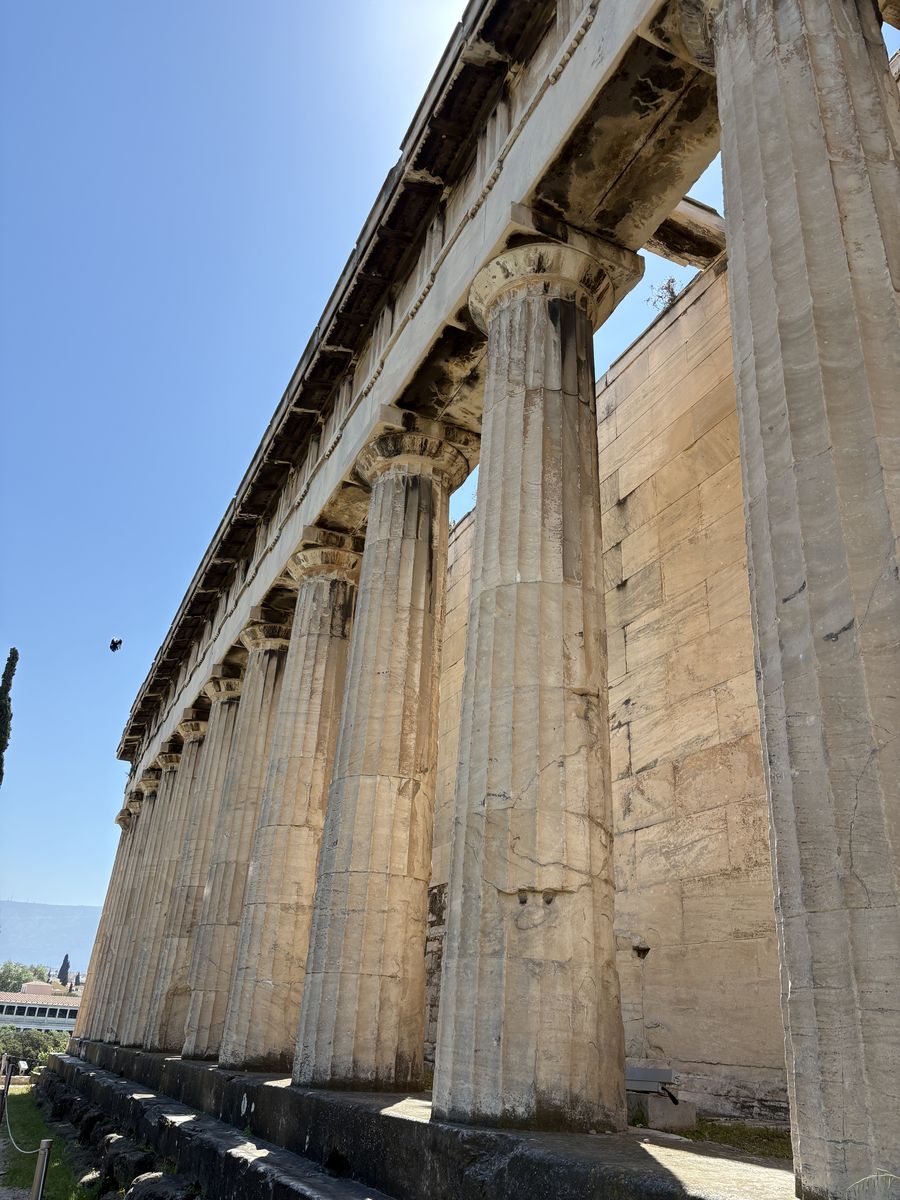
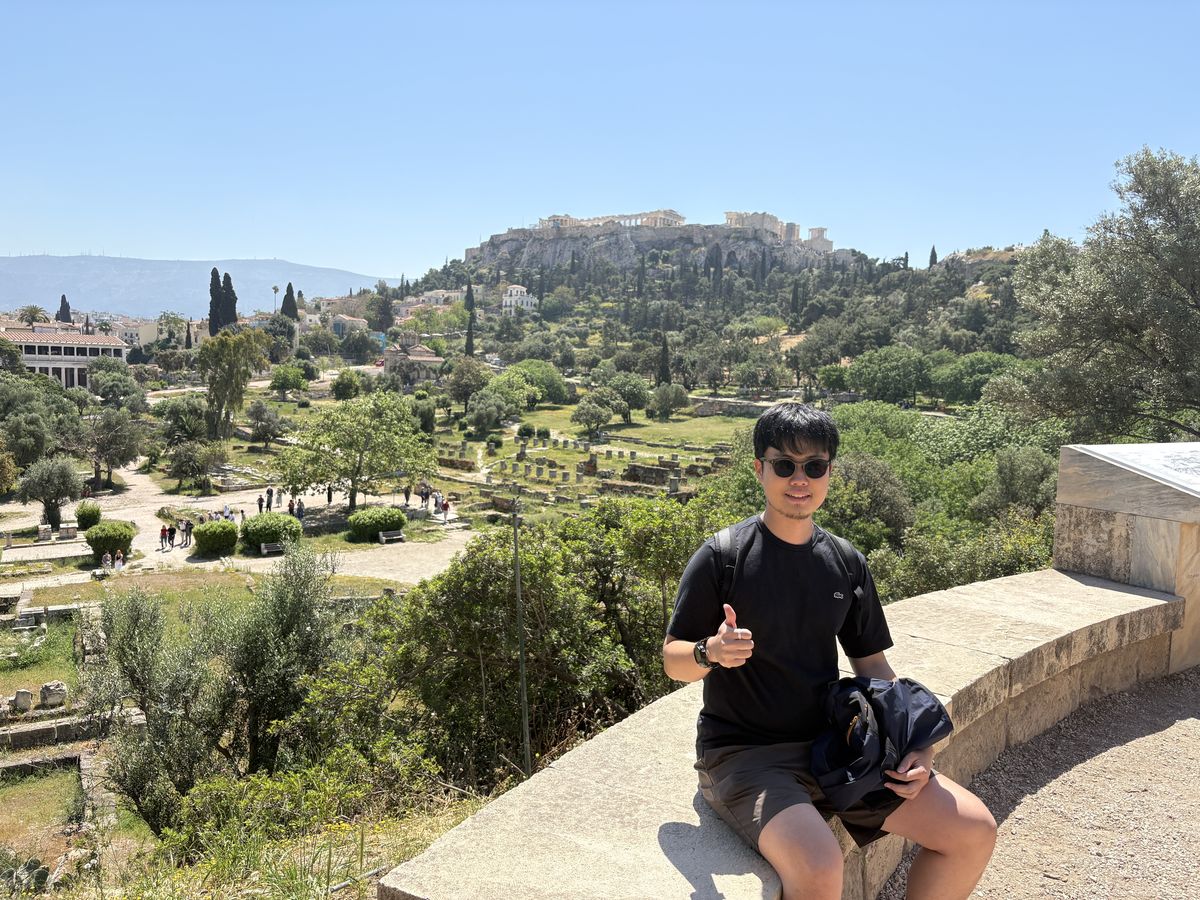
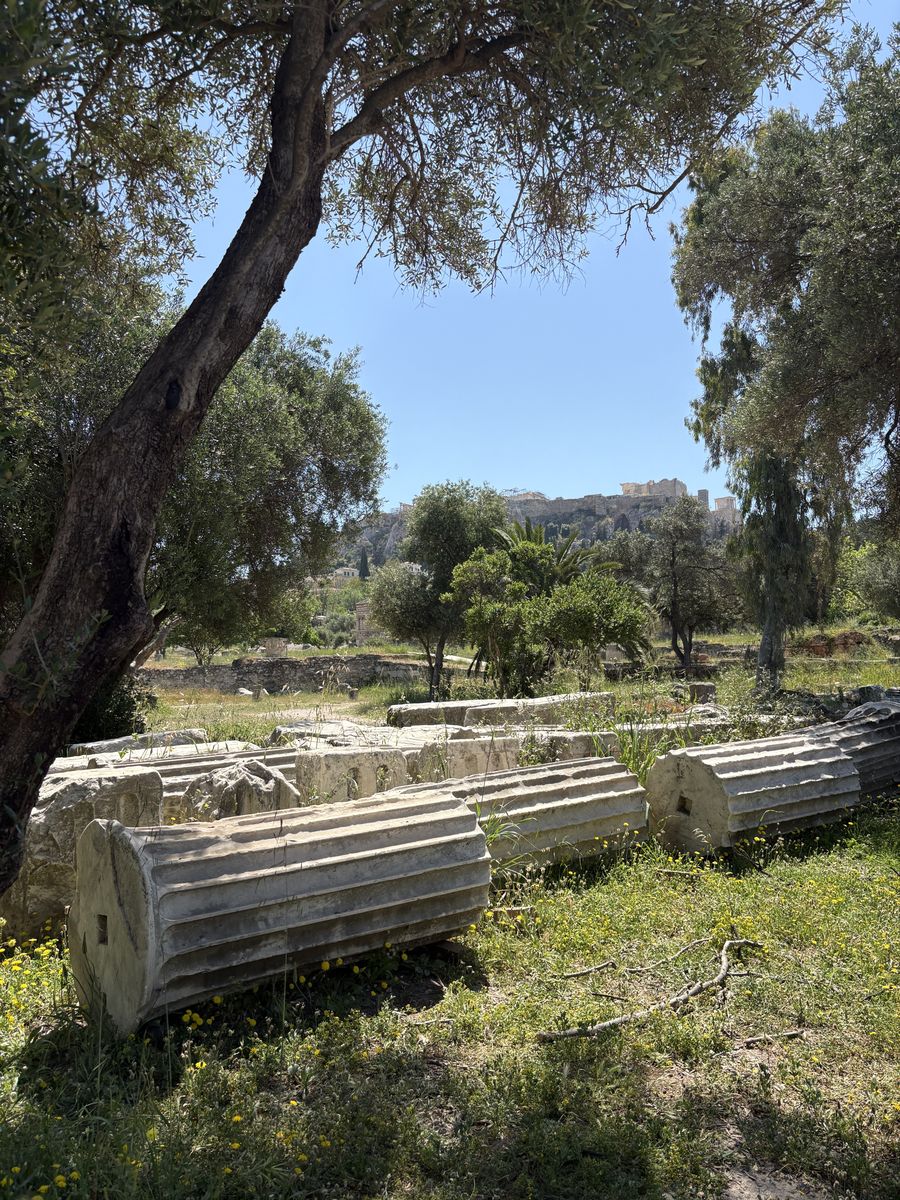
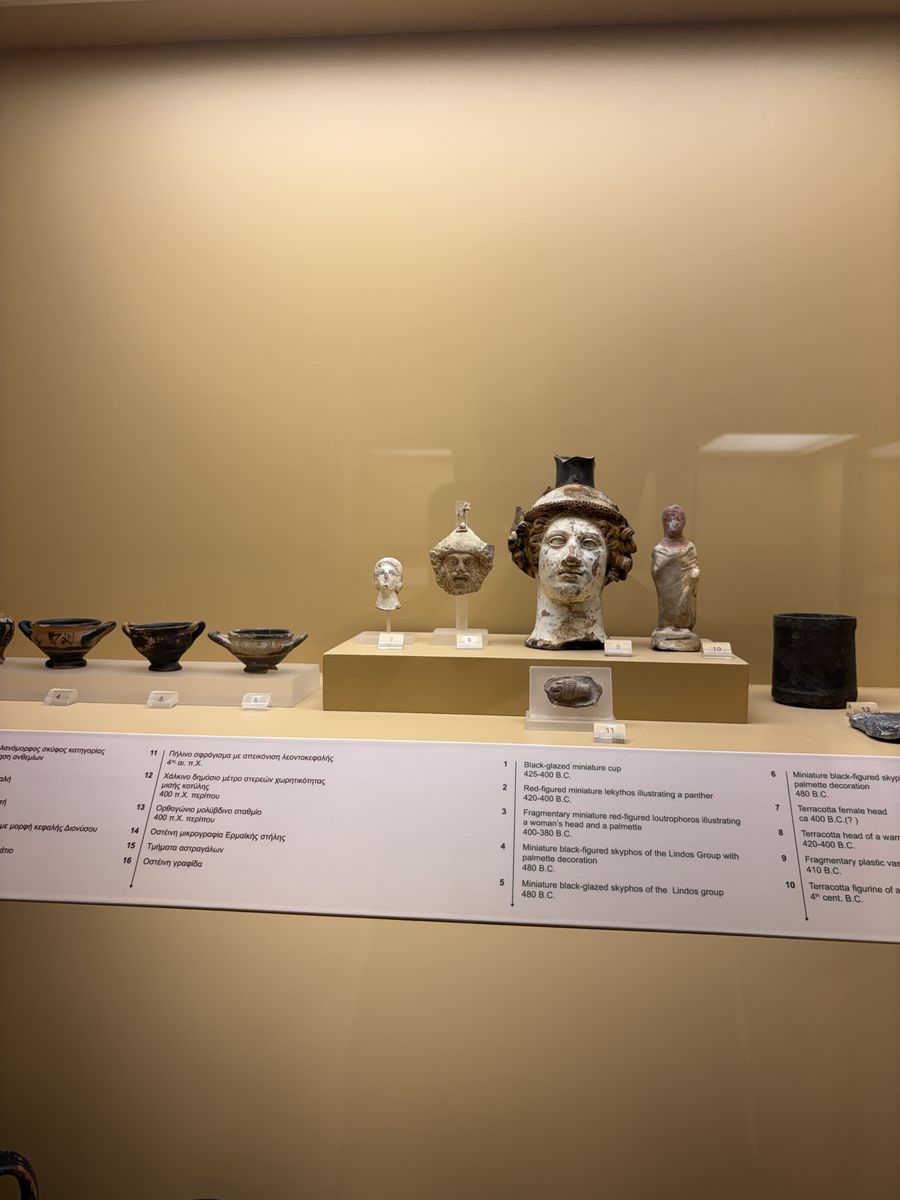
They also had a small free museum, and I was amazed at how advanced the culture of ancient Greeks was for that era.
Then I moved to the Acropolis, the main site in Athens. There are several other ruins, but the Parthenon was the best and so awe-inspiring. It's been under restoration for a long time, and you can see how carefully they preserve these ruins.
The Acropolis is the iconic ancient citadel that sits high above modern Athens, visible from almost anywhere in the city. The word means "high city" in Greek, and it served as both a religious sanctuary and a fortress for over 3,000 years. The site is best known for the Parthenon, a stunning marble temple built in the 5th century BC and dedicated to the goddess Athena, the patron of the city. Other highlights include the Erechtheion with its famous Caryatid columns shaped like women, and the Temple of Athena Nike. Together, these buildings represent the peak of ancient Greek architecture and art. Today, the Acropolis is a UNESCO World Heritage Site and one of the most visited landmarks in the world. Despite damage from wars and time, it remains a powerful symbol of ancient Greek civilization and its lasting influence on Western culture.
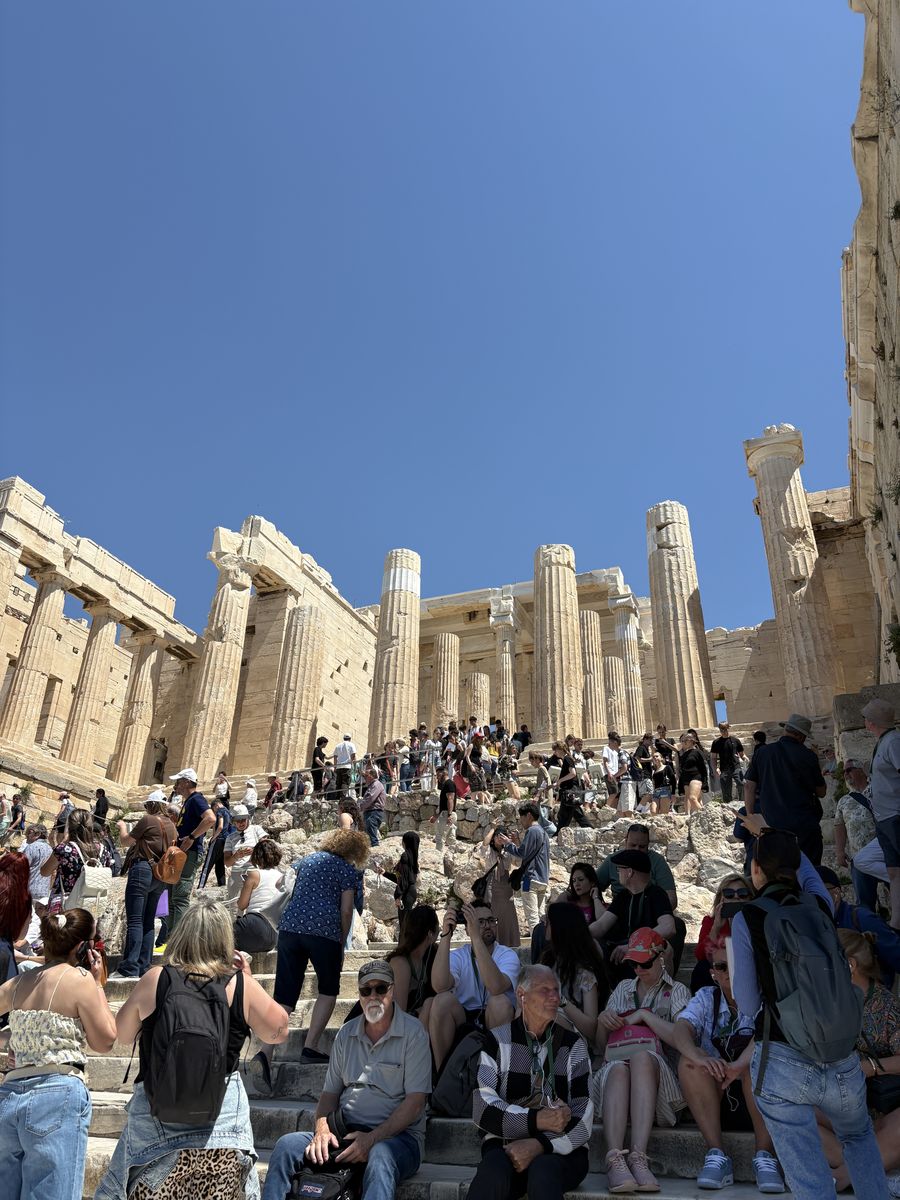
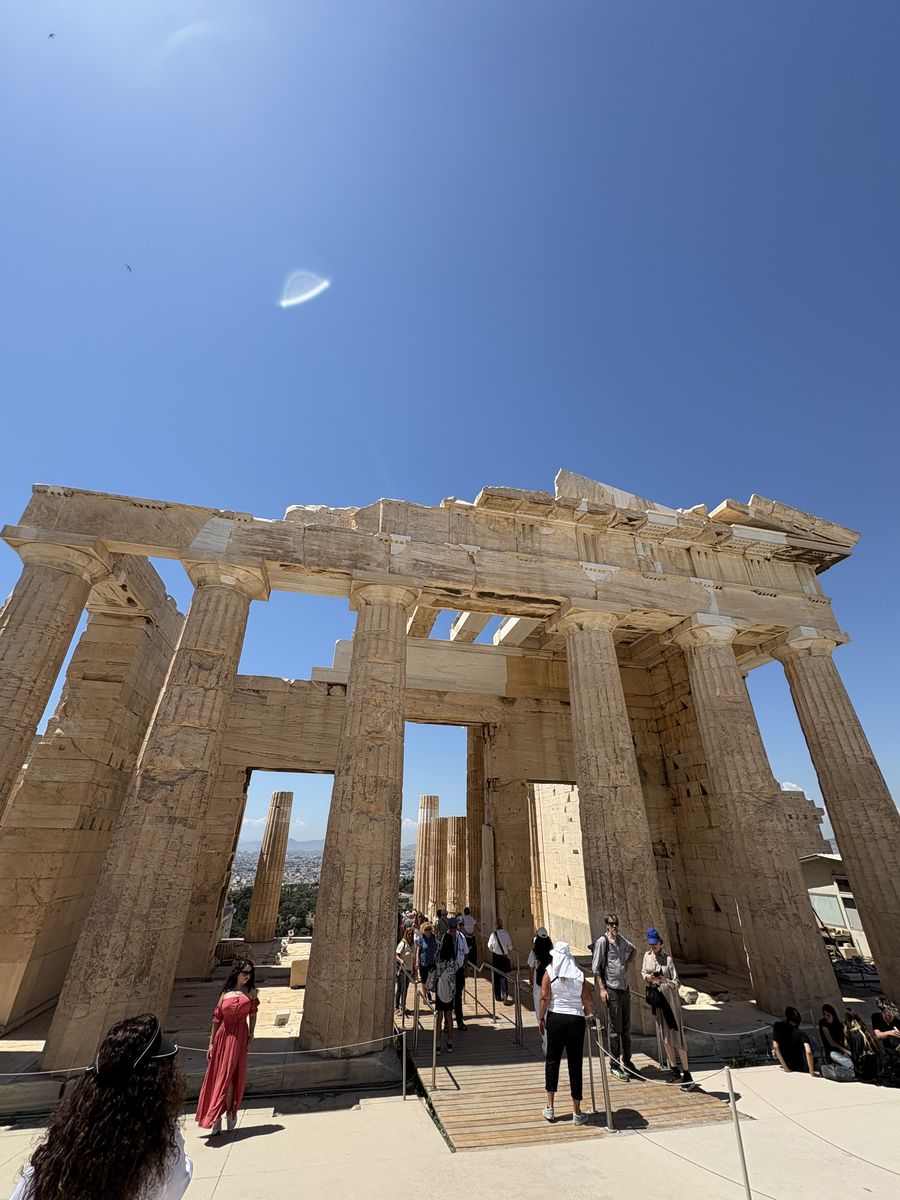
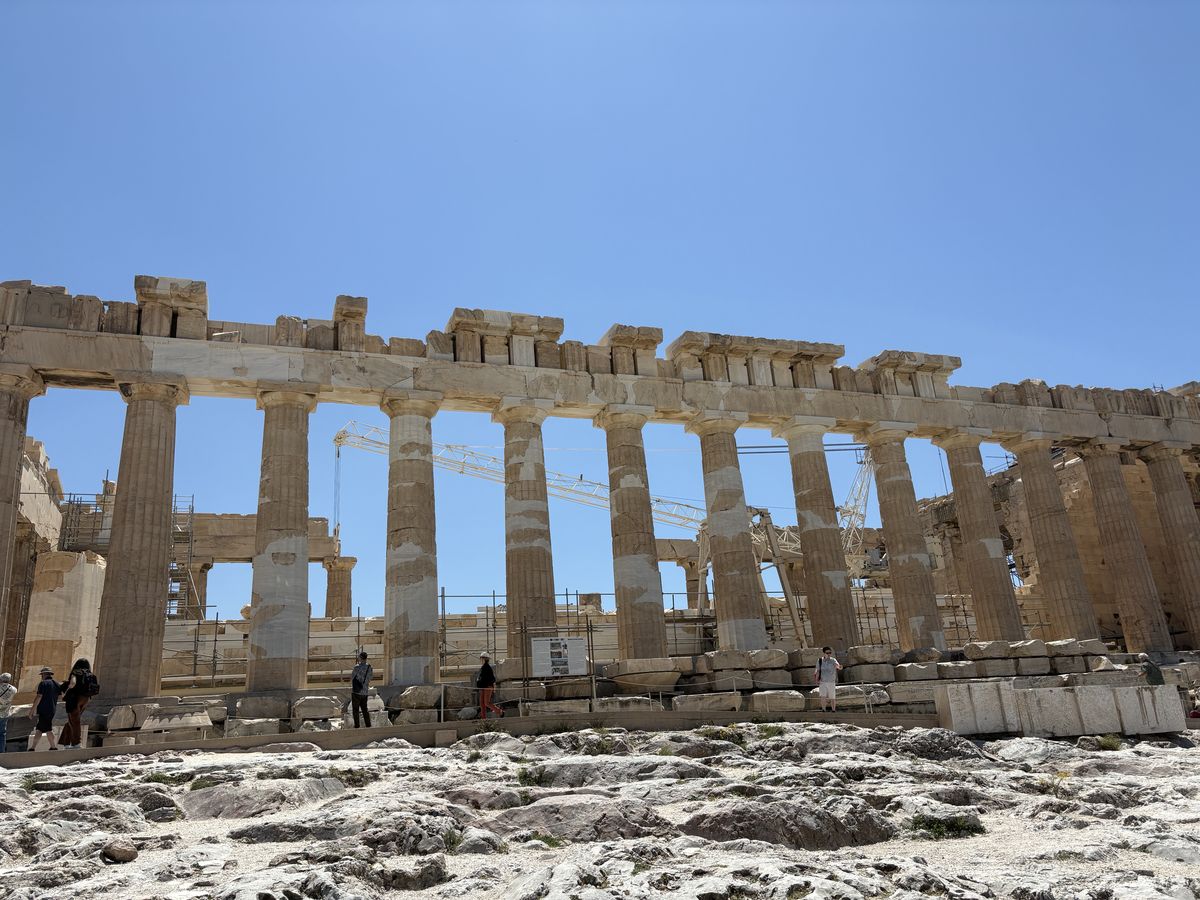
Looking closely at the columns, the blocks were stacked together like LEGO bricks (the white parts are signs of restoration). I later learned that the ancient Greeks took great care to make the joints between the column blocks invisible.
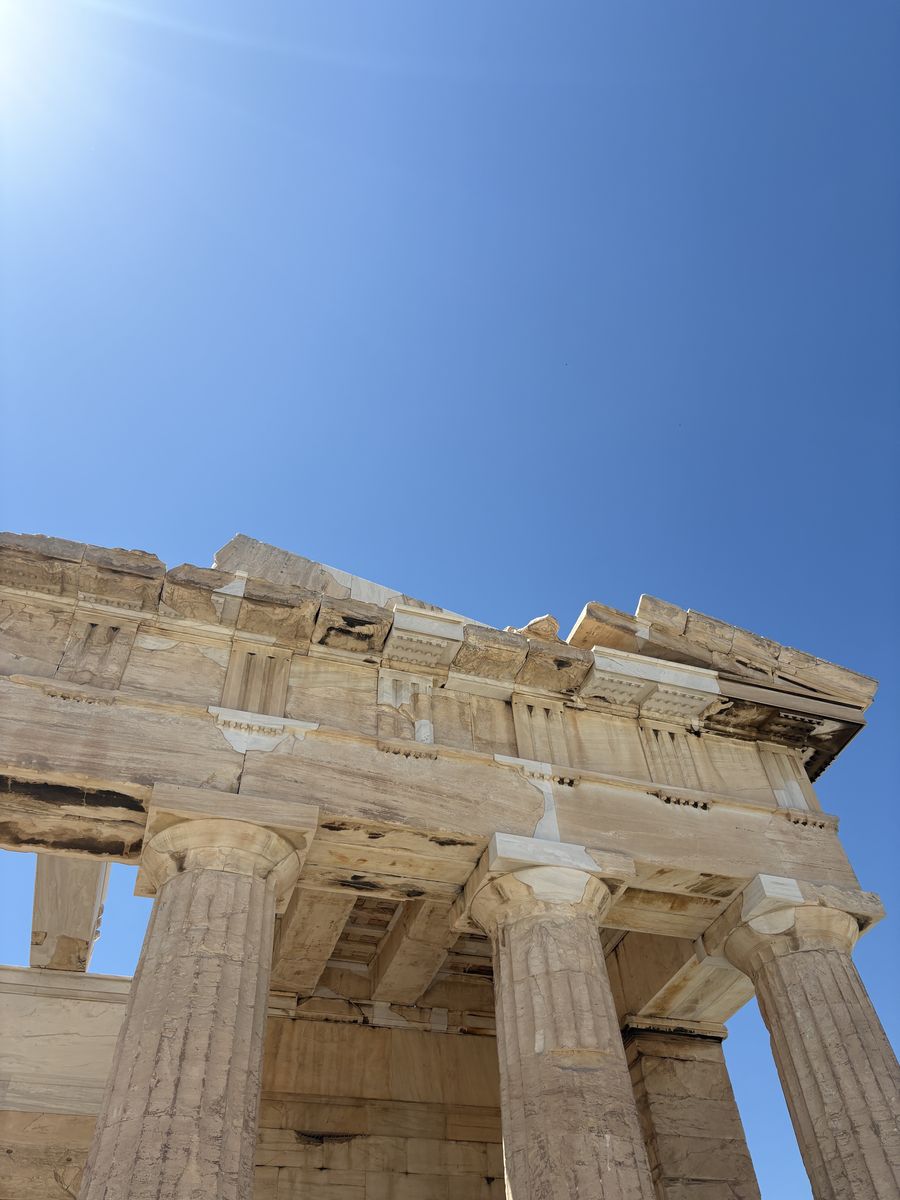
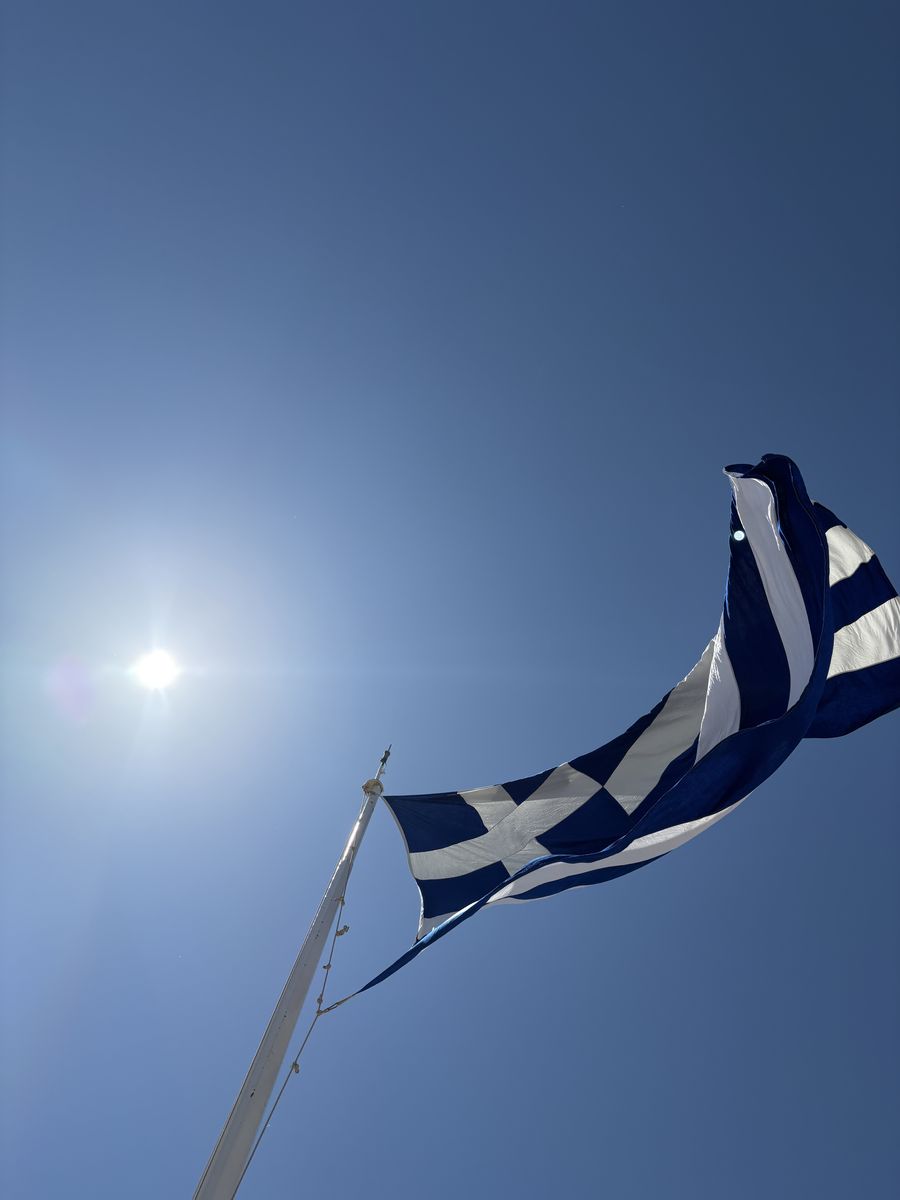
I only stayed two days, but it was enough to enjoy the ruins — and the weather was just perfect. I'd love to visit other cities in Greece if I get the chance next time!
Comments
Loading...