Sarajevo
Sarajevo
History in Bosnia Herzegovina
I cannot skip to share the history of Bosnia Herzegovina before what I did in this country. They have special political system which they have three different small countries - Bosnia and Herzegovina, Republika Srpska and Brčko District. Backing in 1990s, Bosnia Herzegovina was the part of Yugoslavia and Yugoslavia was consisted by 7 small countries and they were broken in early 1990s and the Bosnian war happened during 1992 to 1995. Bosnia Herzegovina was located between Serbia which had biggest impact in Yugoslavia and other countries so they were surrounded many conflicts.
The Bosnian War (1992–1995) broke out after Bosnia and Herzegovina declared independence from Yugoslavia. The country's three main ethnic groups — Bosniaks, Croats, and Serbs — had different visions for its future, which escalated into a brutal conflict. Bosnian Serb forces, backed by Serbia, carried out "ethnic cleansing" to create an ethnically Serbian state. The most infamous event was the Srebrenica massacre in 1995, where over 8,000 Bosniak men and boys were killed, later recognized as genocide. Sarajevo also endured the longest siege in modern history — nearly four years — with civilians targeted by snipers and constant shelling.
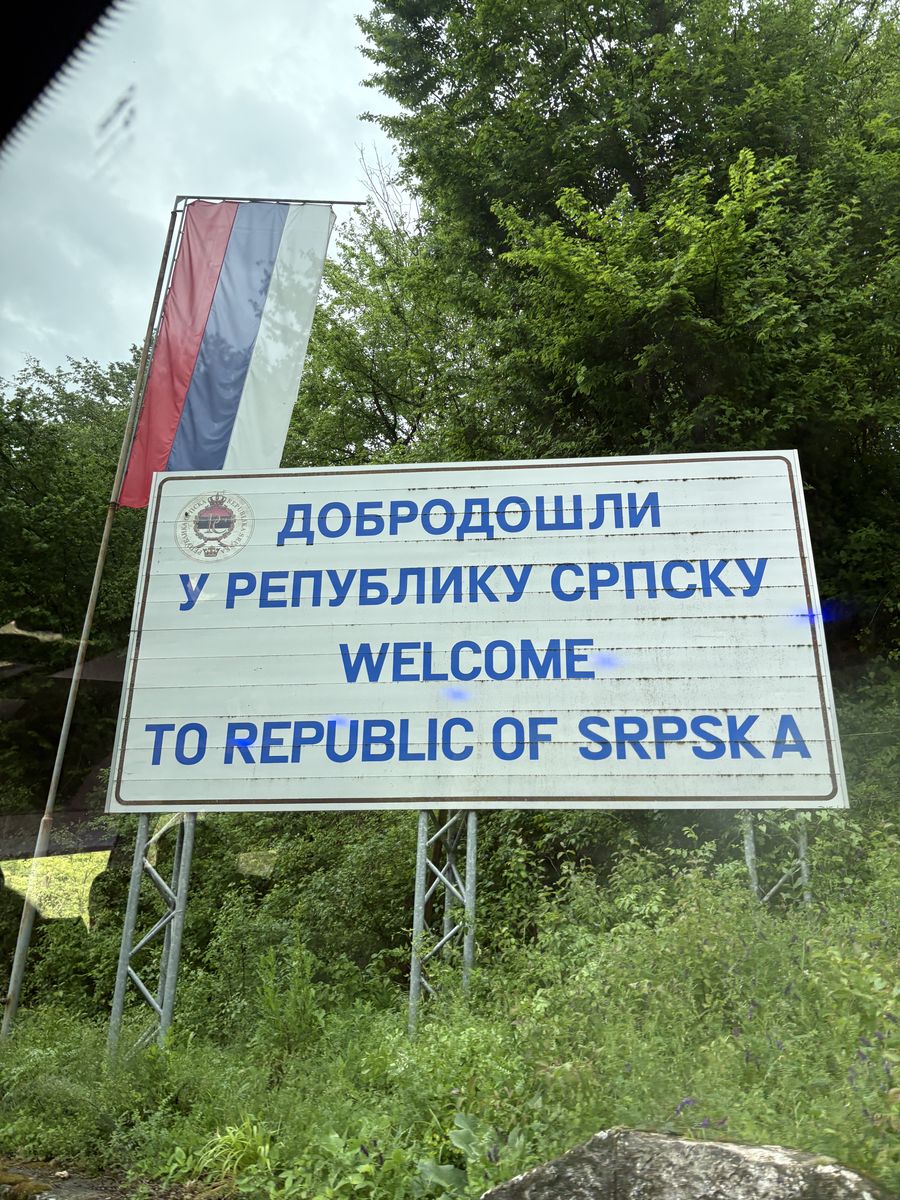
Once I entered Bosnia Herzegovina, I saw the flag of Srpska and different languages which is more likely to Cyrillic letters. I later found out almost everything is different beyond the area including bus and train companies.
Also, Sarajevo was the place triggered WWI in 1914. There are mainly three big religious gathered in this country and the symbolic buildings of each religion are gathered within a 1-kilometer radius like Jerusalem. I will share more pictures in the next chapter.
Sarajevo City
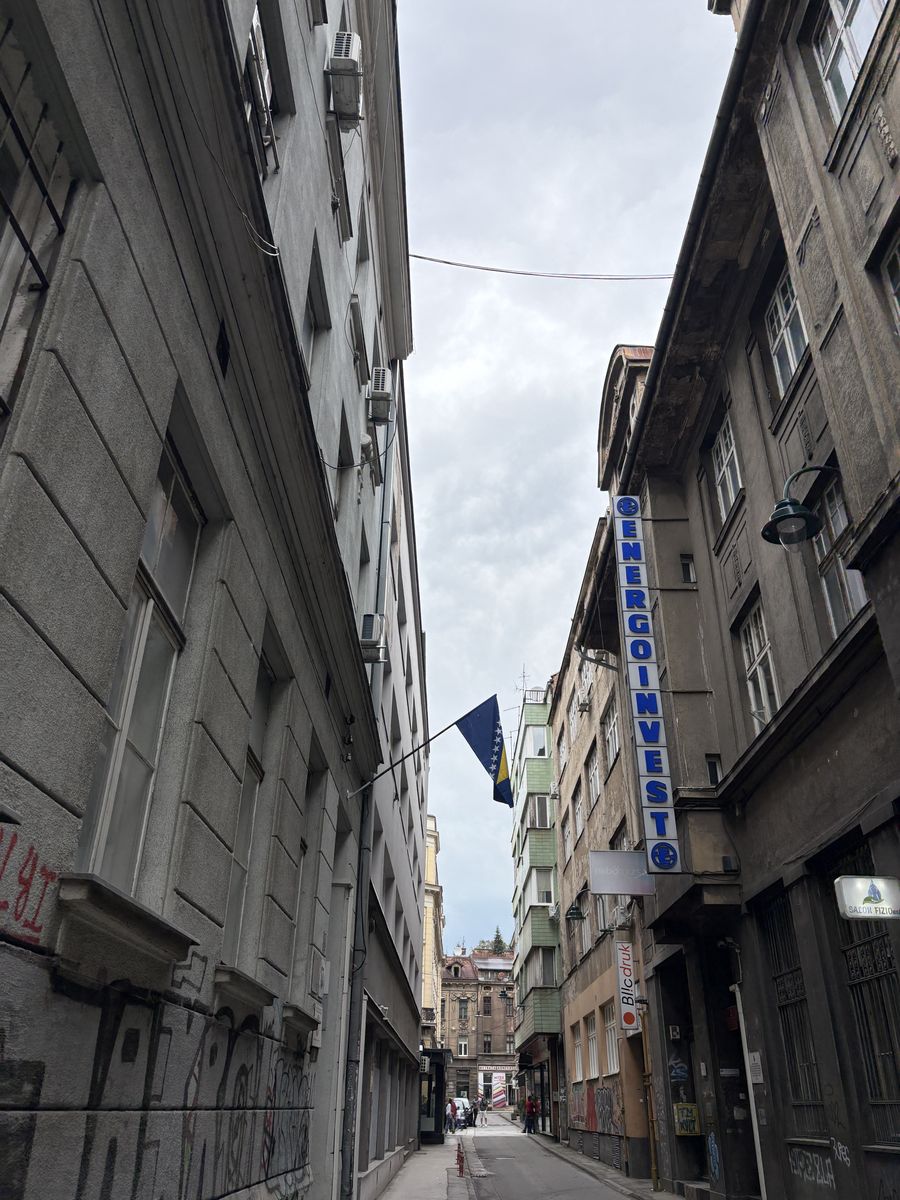
First impression I had in Sarajevo was the city is developed for tourism especially old city area. Also I saw more Asian tourists mostly Chinese people in this city more than other Balkan countries.
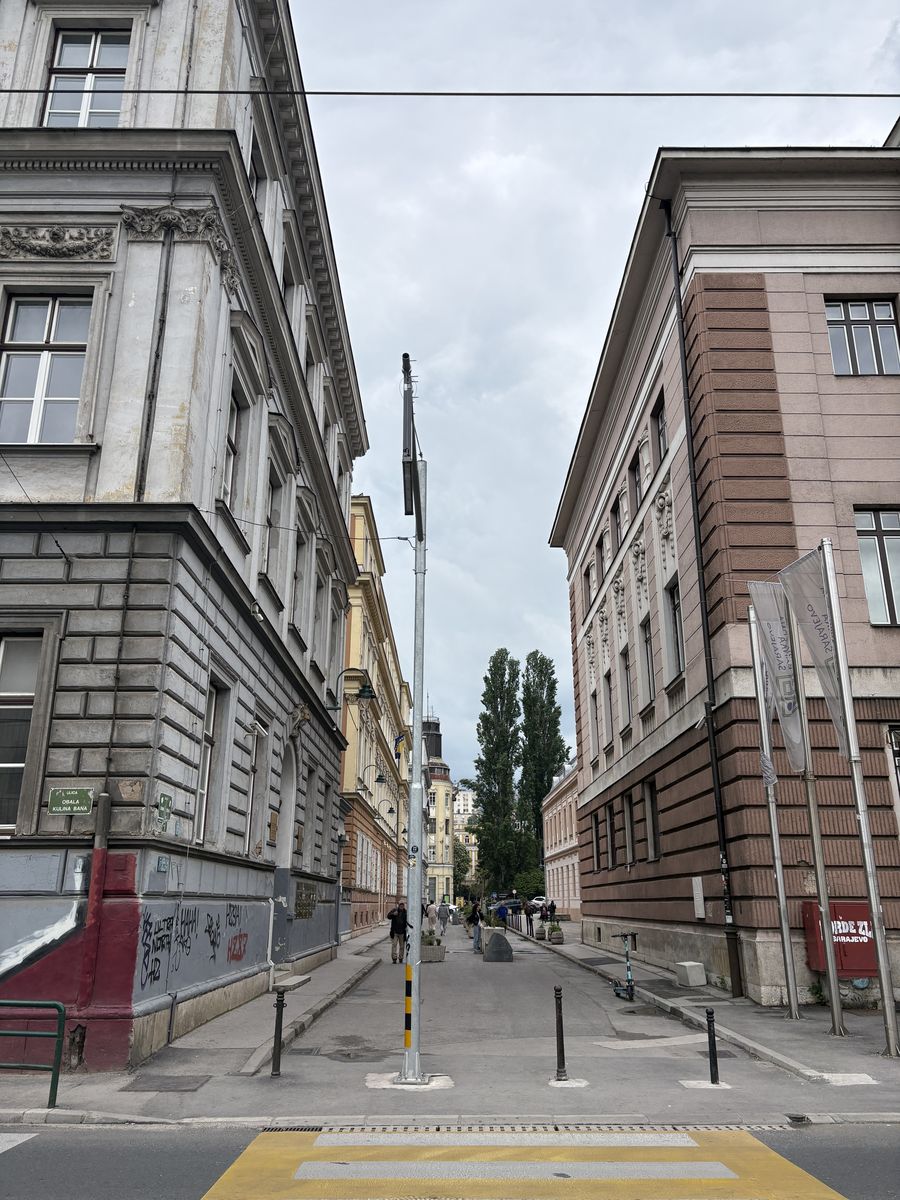
Old city is located in east of Sarajevo (Sarajevo stretches from east to west) and we can see three main holy places on foot. They were built really close each other and I figured our the complexity.
The Cathedral of the Sacred Heart of Jesus is Sarajevo's largest Catholic cathedral, built in 1889 in Neo-Gothic style. It serves as the seat of the Archbishop of Sarajevo and is one of the city's most recognizable landmarks, symbolizing the Croat-Catholic community in Bosnia.
Gazi Husrev-beg Mosque is the largest historical mosque in Bosnia and Herzegovina, built in 1531 during Ottoman rule. Located in Sarajevo's old town, it's considered one of the finest examples of Ottoman architecture in the Balkans and remains the religious center of the Bosnian Muslim community.
Sarajevo Cathedral (Cathedral Church of the Nativity of the Theotokos) is the largest Serbian Orthodox cathedral in Sarajevo, built in 1872 during Ottoman rule. With its distinctive five-dome design, it serves as the spiritual center of the Serbian Orthodox community in Bosnia.
Also, I visited to the museum of crimes against humanity and genocide which is a private museum not supported by government. Many of exhibit items are provided from citizenship at that time with detailed explanations and it was worth to go but little bit messy and I sometime couldn't find out the consistency. I didn't know that head of UNHCR at that time was Japanese lady whose name is Sadako Ogata.
Here are other things interested during this stay.
1. Bus and Tram are developed well and Tram in Sarajevo is one of the oldest in Europe (they were used as experiment)
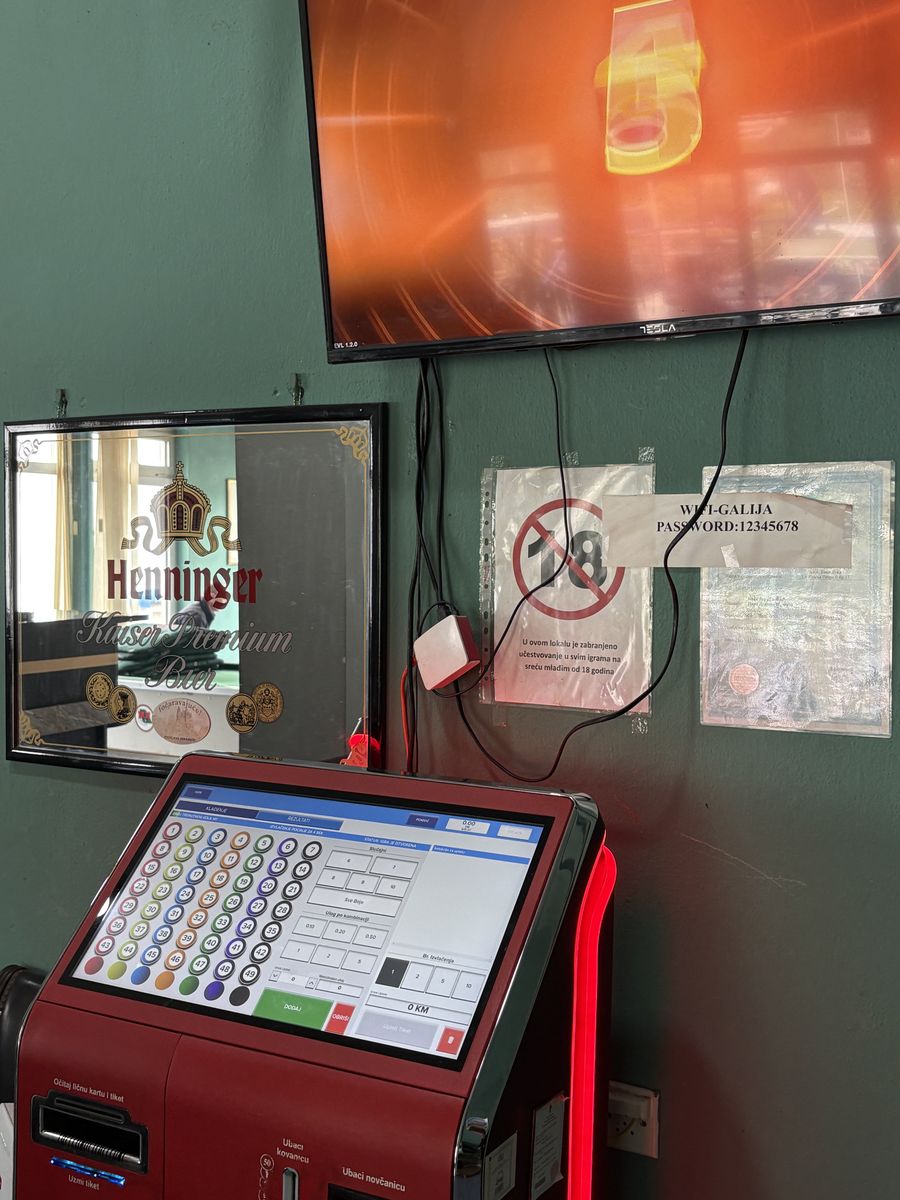
2. Gamble is admitted and there were many public gambling places
3. I often saw abandoned ruins on the outskirts of the city
Mostar
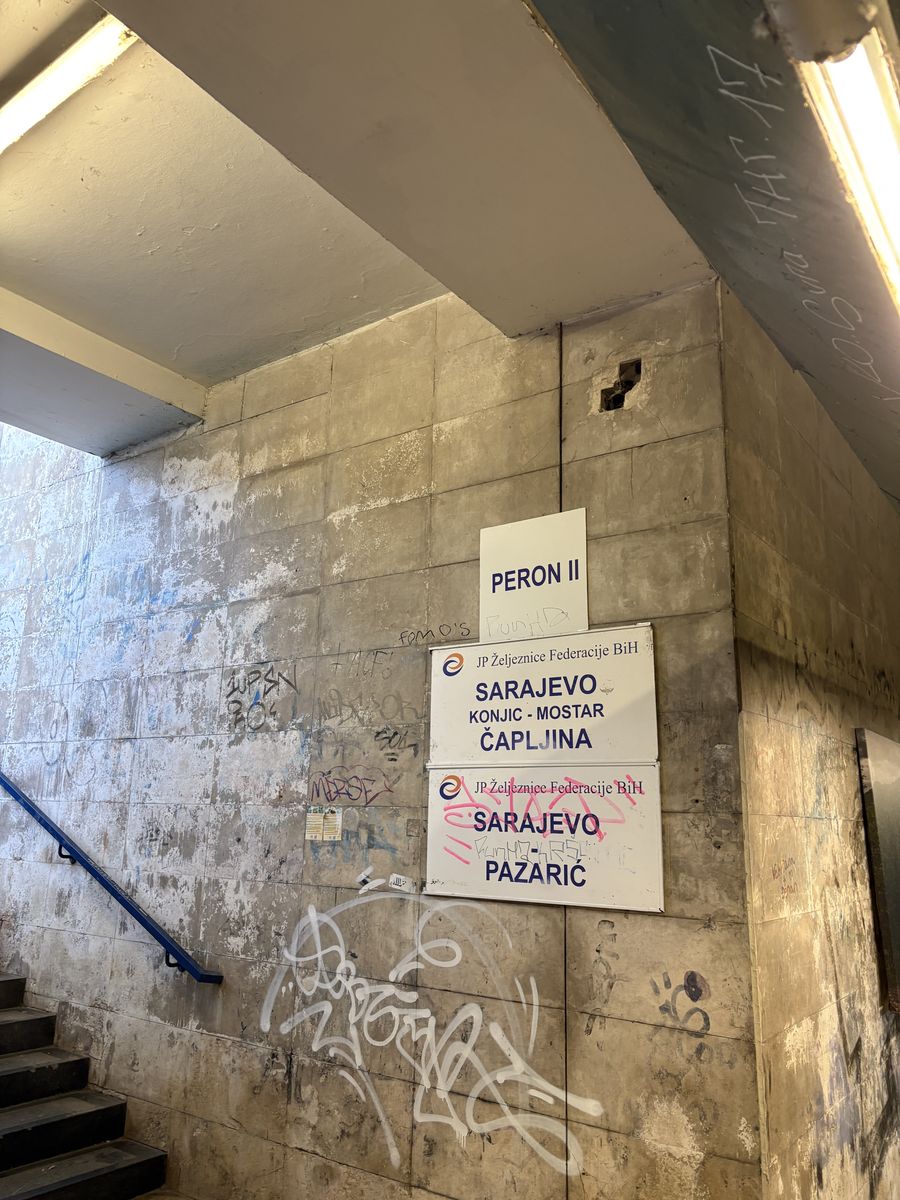
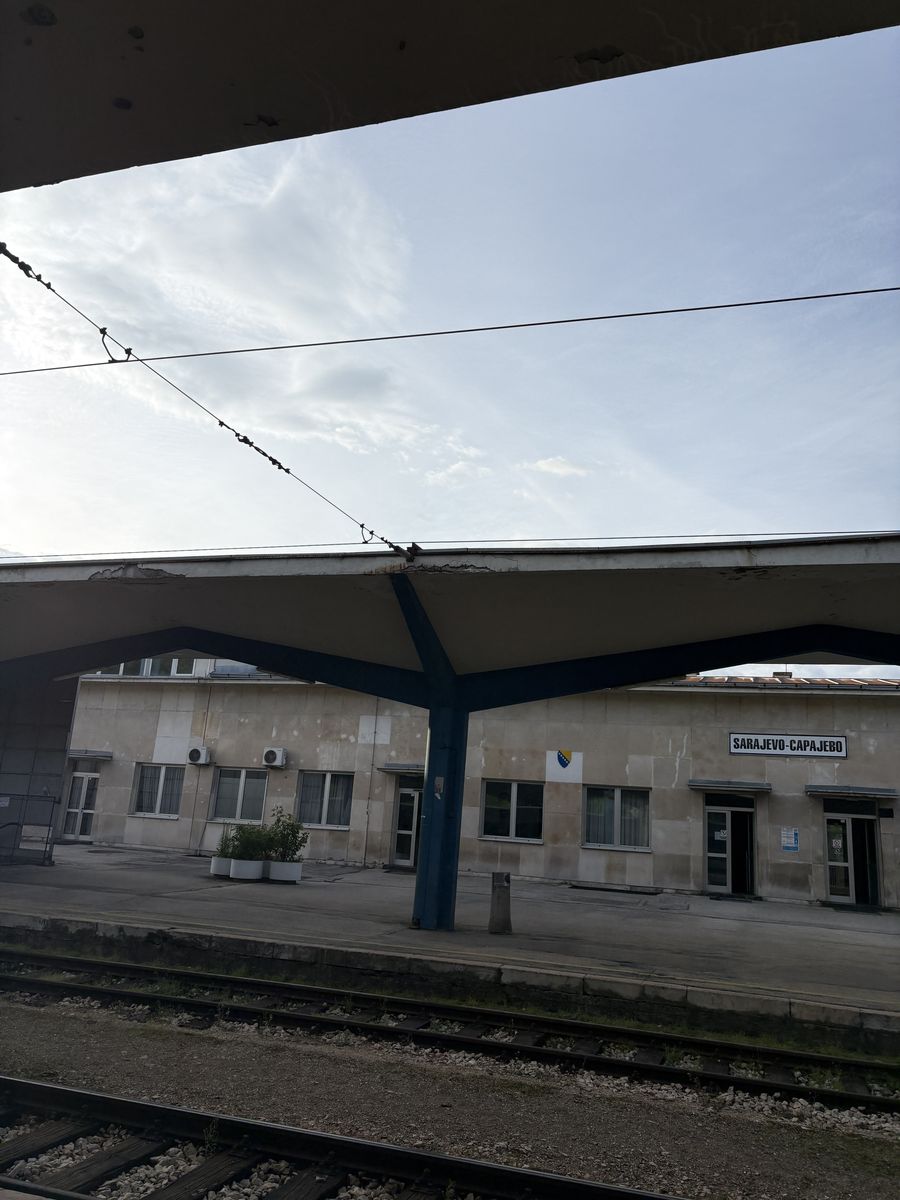
Mostar is the largest city in Herzegovina region and I tripped there as a day trip. It was 2 hours train trip in one way and tickets are sold online too. They have only two slots from Sarajevo to Mostar but there were not many people in the station probably because I went there in weekday.
I met a guy from El Salvador in the train and we traveled together in Mostar, the main site was bridges and the cross monument. There are two bridges in the old town - The Old Bridge and Crooked Bridge and they are built in 16th century by Ottoman Empire which have different taste compared other Bosnian buildings. I heard it's famous to dive into the river even they have a festival during summer.
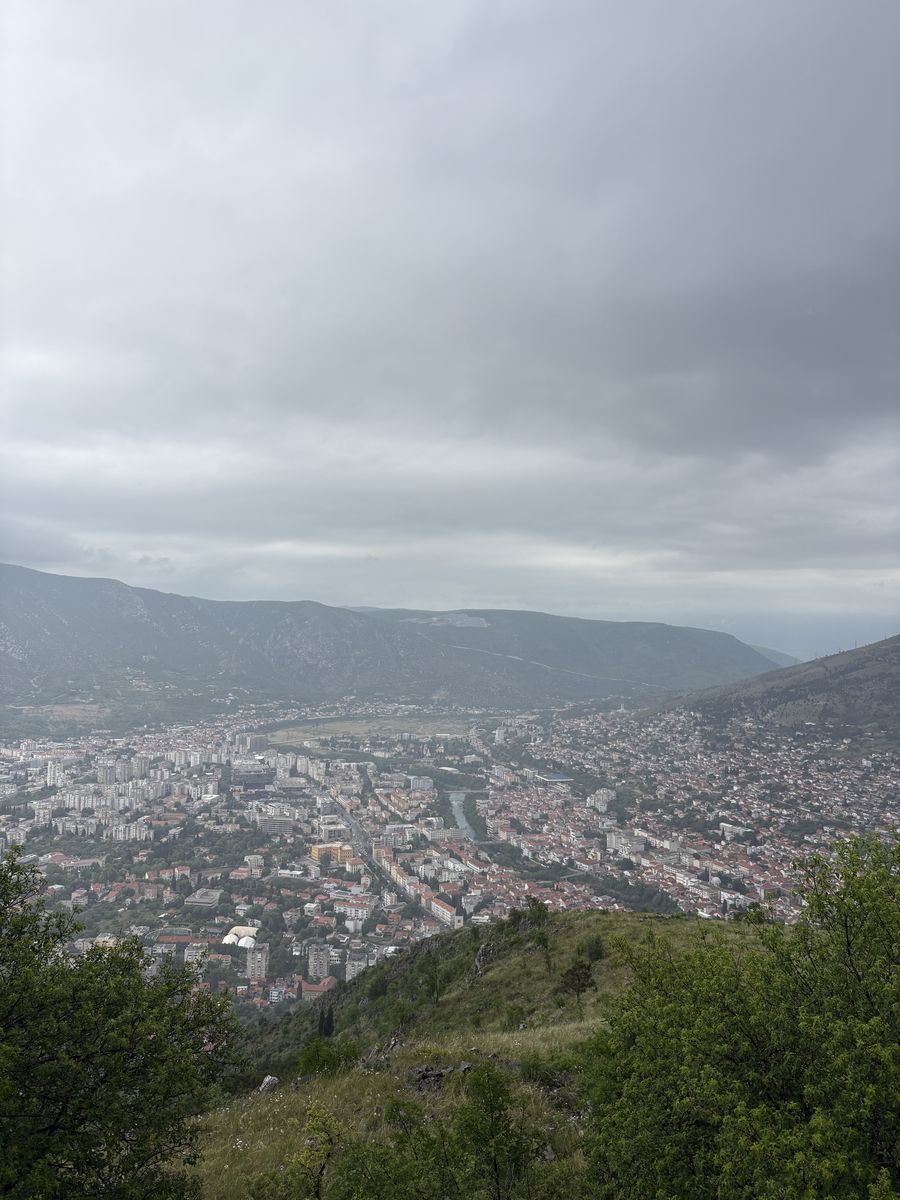
And Millennium Cross Monument was also nice place and look out over Mostar city. We hiked more than 2 hours in one way, I walked nearly 40k steps in that day lol.
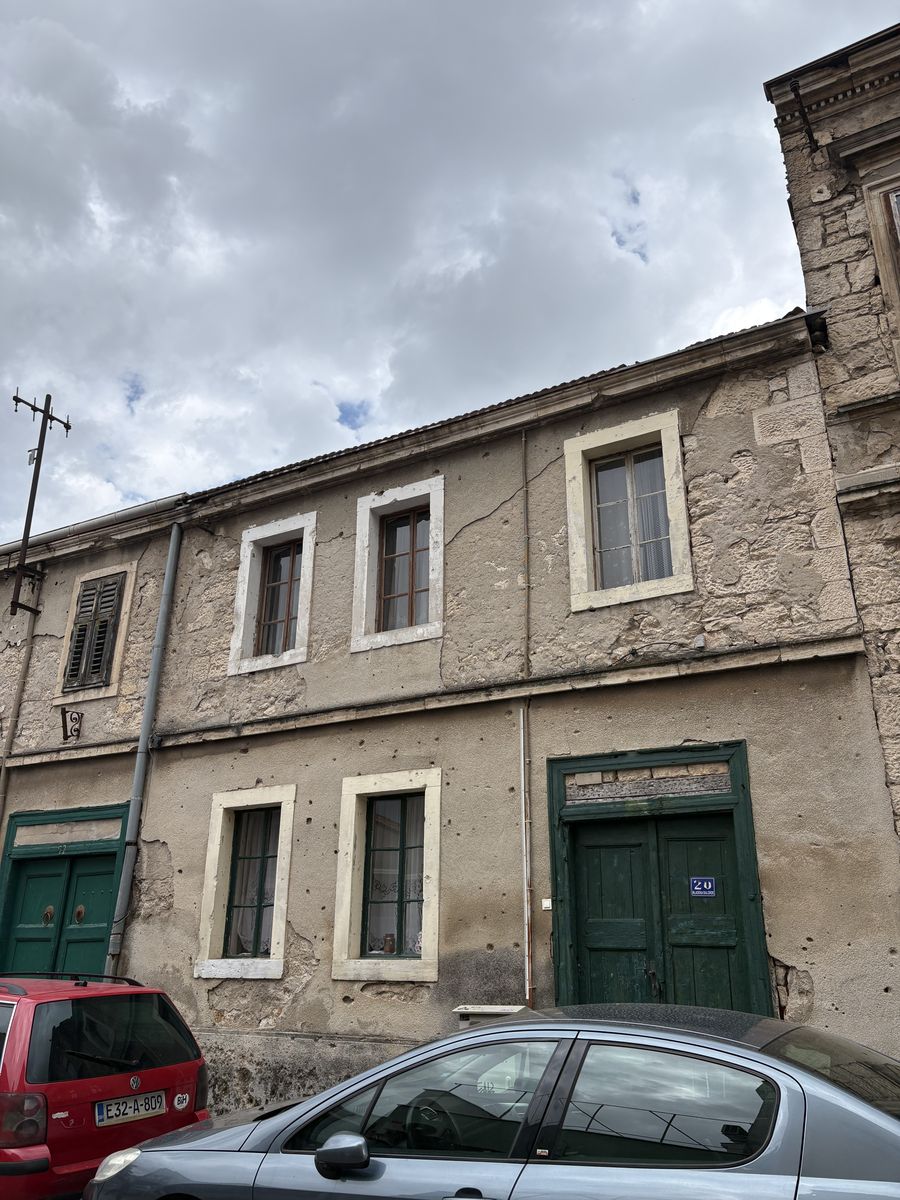
The old town was full of people especially afternoon and I figured out this place is also becoming more famous and tourism would be bigger economy for them. However, no one can forget countless bullet marks remain until now.
Comments
Loading...