La Paz
La Paz
Crossing the Strait of Tiquina on a barge
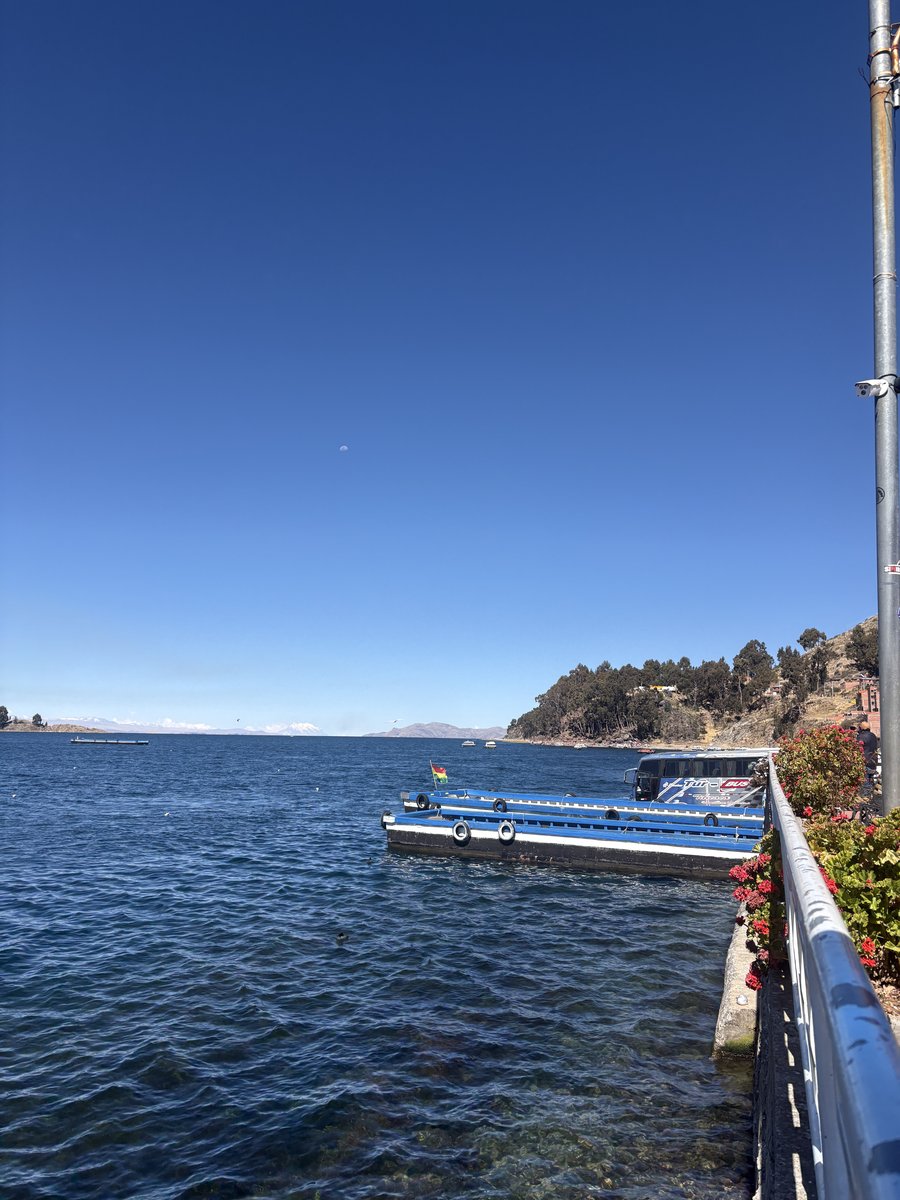
From Copacabana to La Paz is about four hours by bus, and halfway through the road simply stops at the water. The Strait of Tiquina is only some 800 m across, but there is no bridge.
What happens instead is that everyone gets off. The bus is loaded onto a flat barge and floated over on its own, while the passengers cross in a small motorboat and pick the same bus up again on the far shore. Watching a full-size coach drift across the lake on a wooden platform is a strange sight.
A steak with someone from the same university
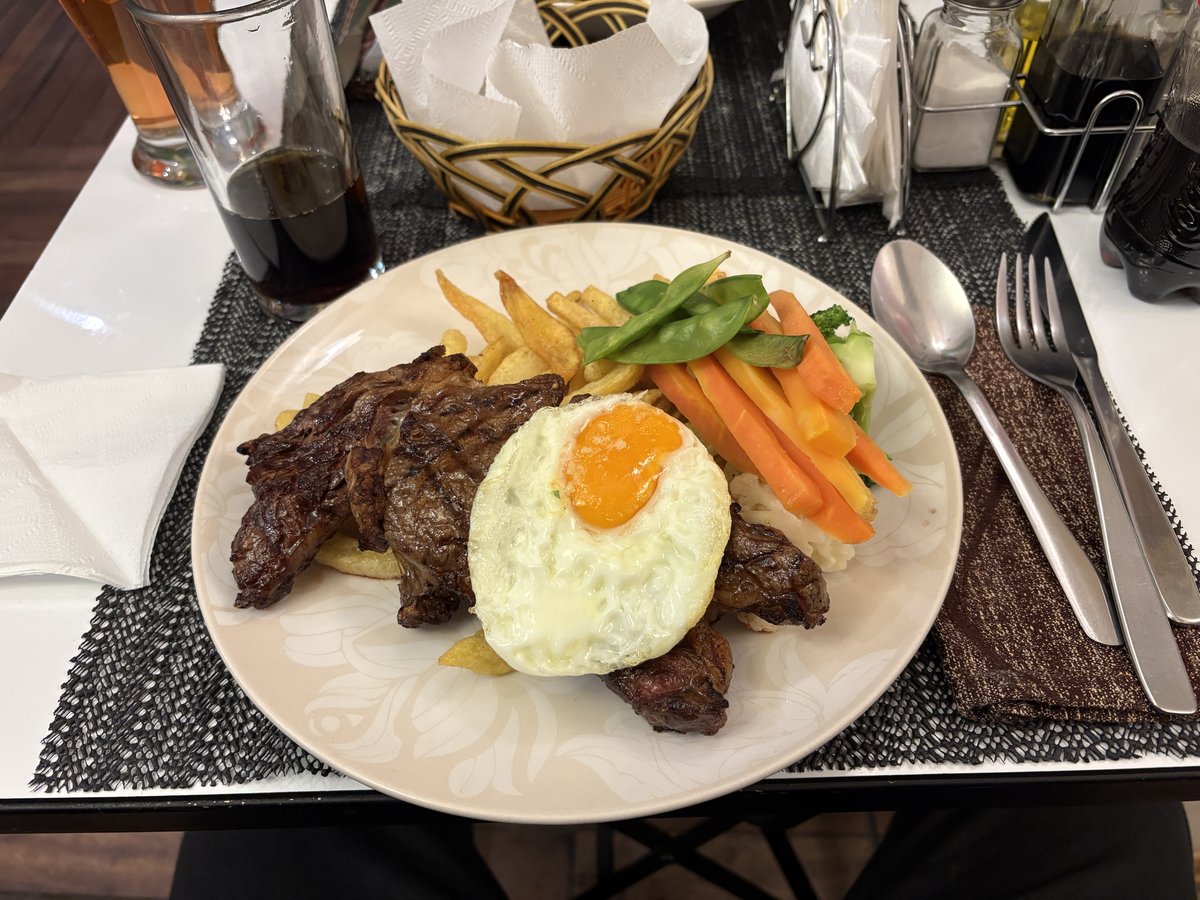
On that bus I got talking to another Japanese traveller — and it turned out we had gone to the same university. We arrived in La Paz that evening and went out for dinner together.
Seven months into this trip, running into someone from the same university on a bus in Bolivia was not something I saw coming.
A city of slopes
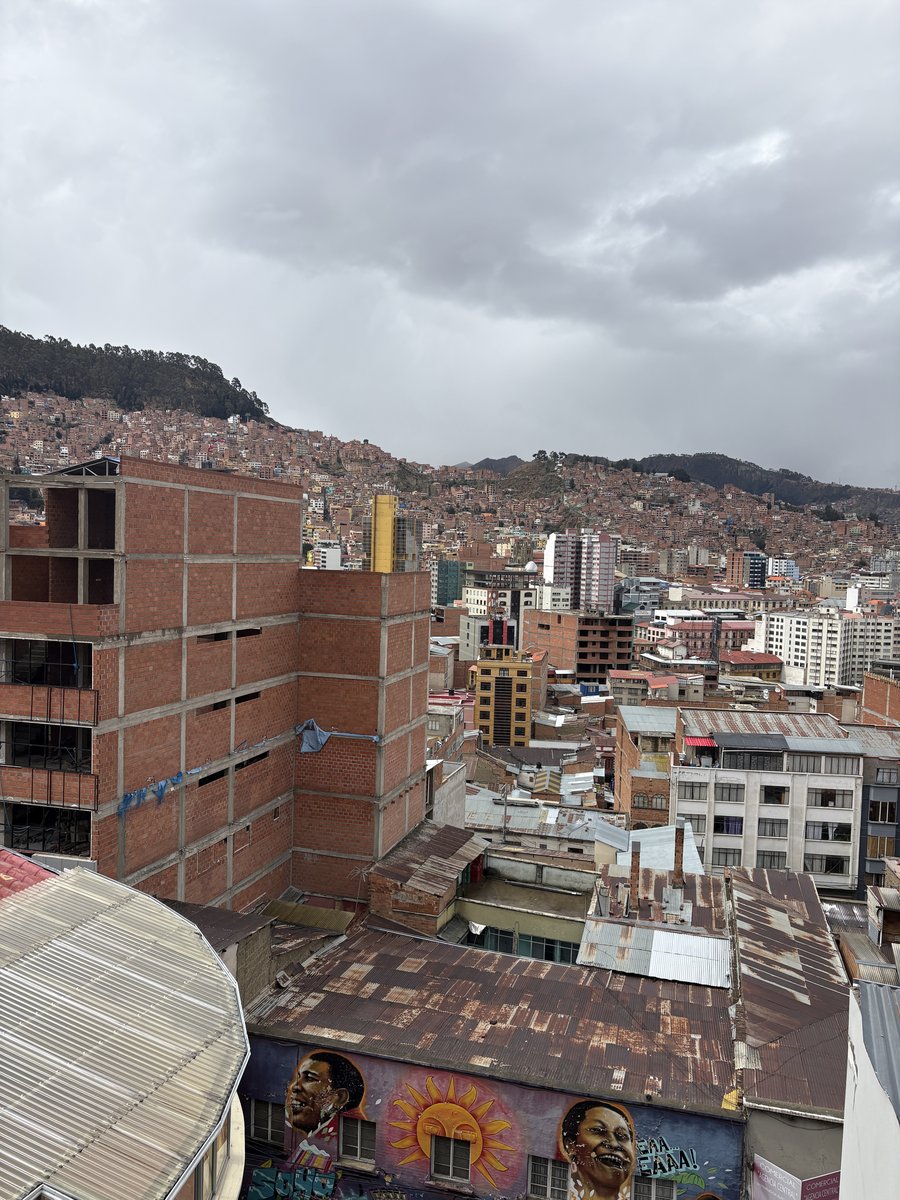
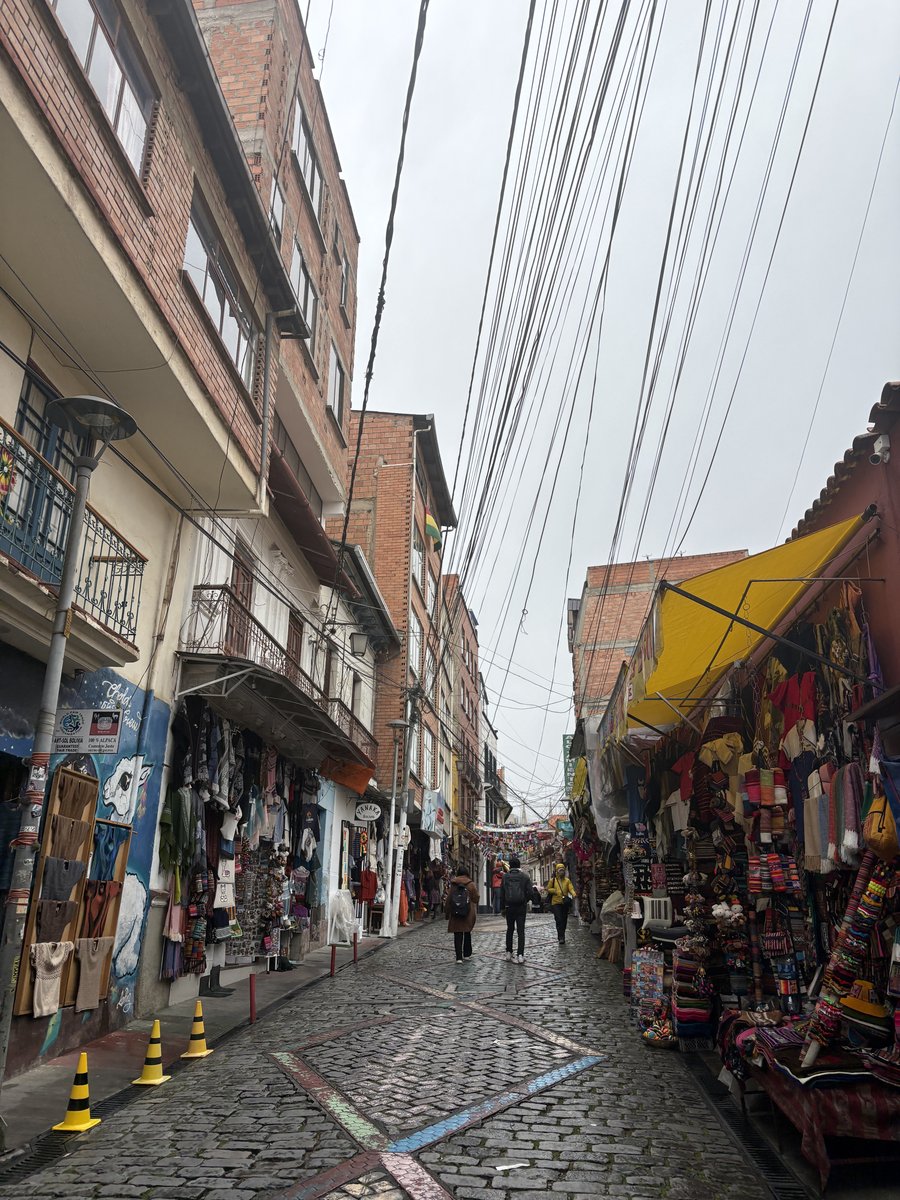
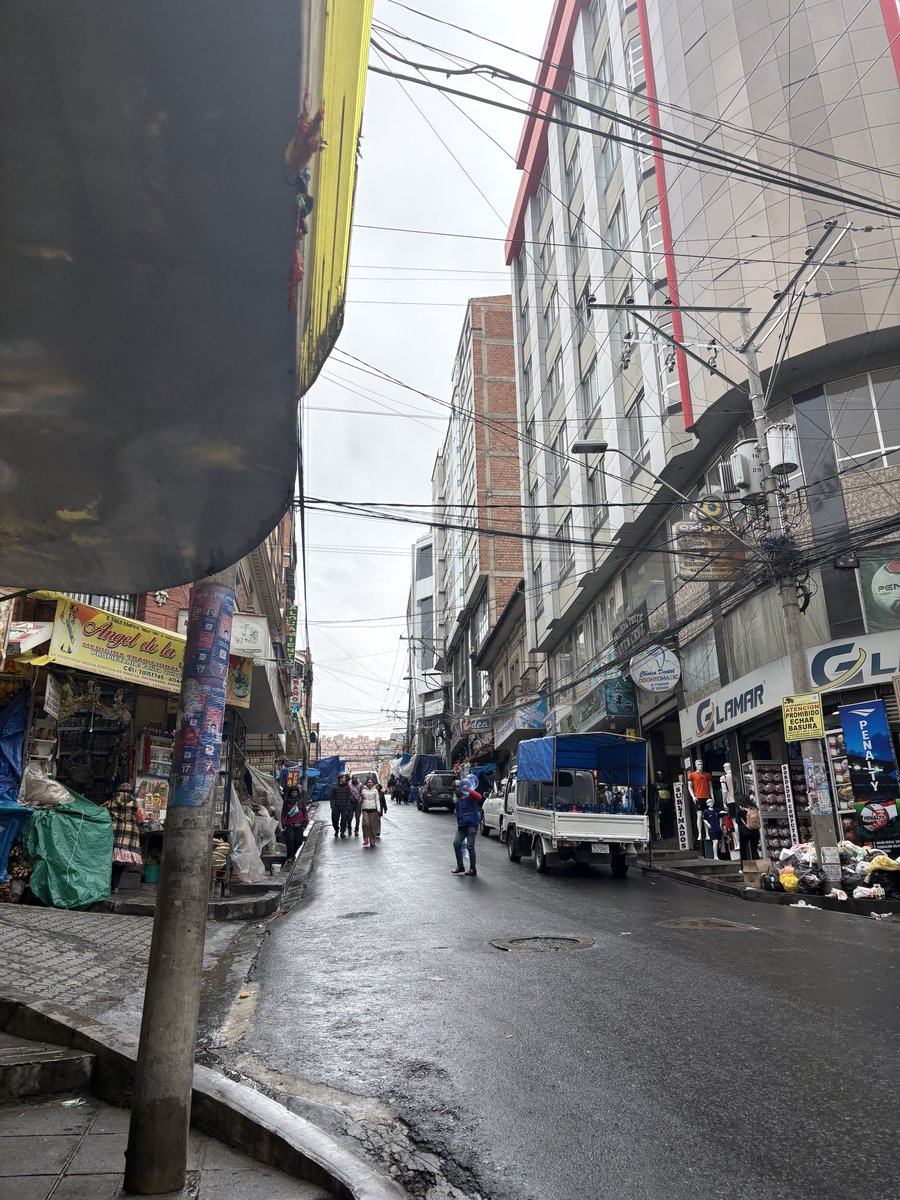
La Paz has terrain unlike anywhere else I have been. The city sits in a bowl gouged out of the altiplano, so wherever you walk you are either climbing or descending — there is almost no flat ground. Houses climb the walls of the bowl right to the rim, and from a rooftop you can see them stacked up the slopes in every direction.
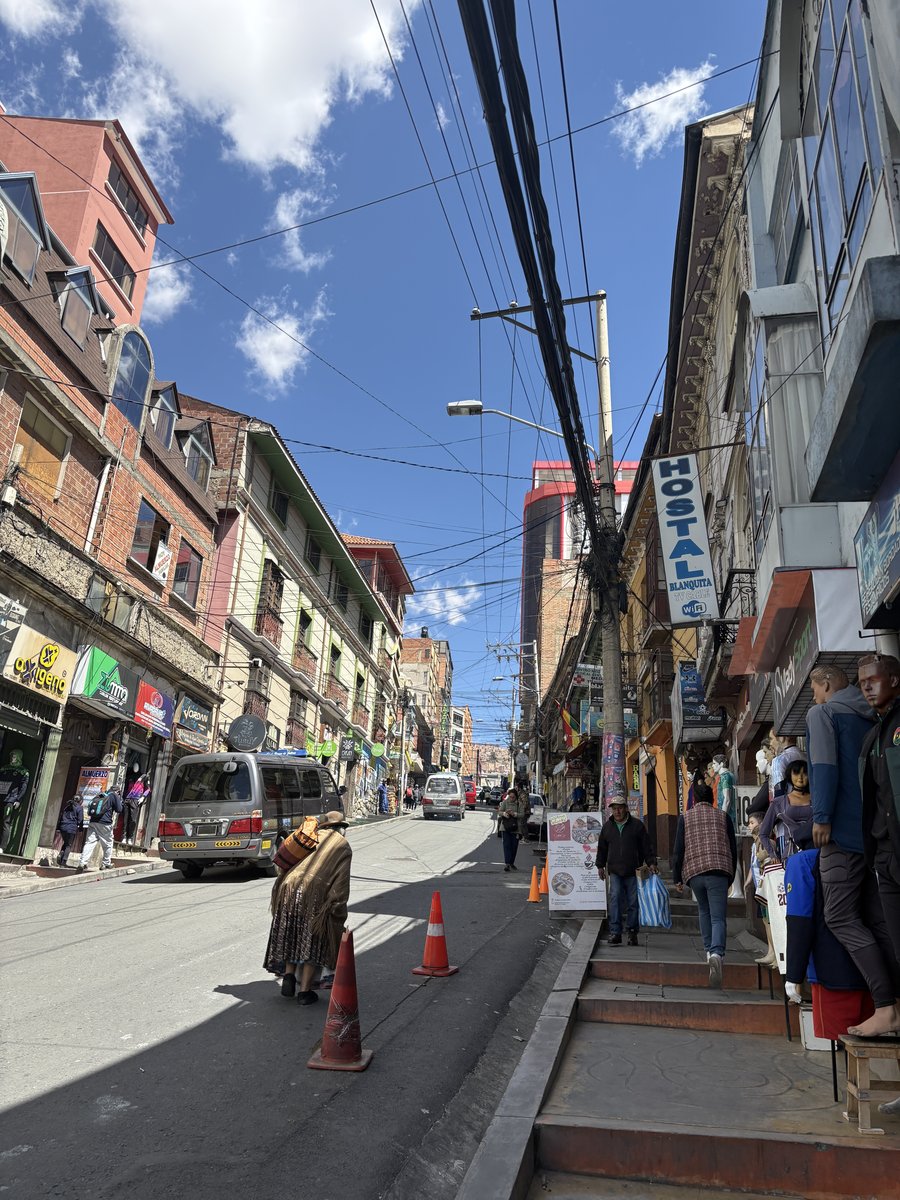
The streets are steep enough that the cobbles feel like a staircase, and at 3,600 m one hill is enough to leave you out of breath.
Taking it slow
In the end I spent these days at a gentle pace — walking the slopes, eating, and not much else.
Bolivia is also cheap. Both meals and accommodation cost noticeably less than in any of the countries before it.
Comments
Loading...